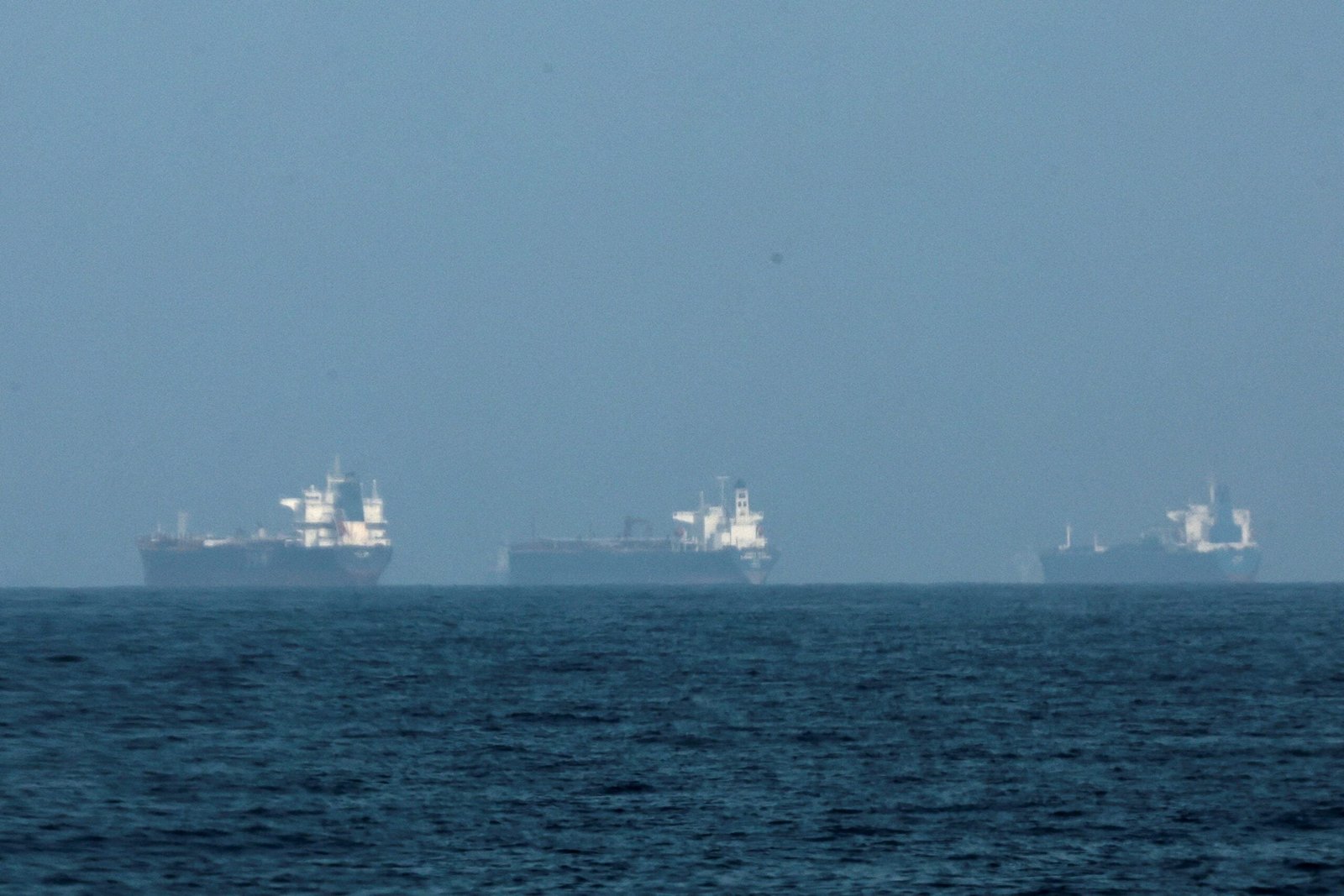
Oil prices increased on Wednesday due to concerns over supply disruptions from a storm approaching U.S. oil-producing regions and ongoing attacks by Yemen’s Iran-backed Houthis on Saudi Arabia. Brent crude rose by 81 cents to $101.39 per barrel, while U.S. West Texas Intermediate (WTI) gained 61 cents, reaching $90.05 per barrel. Forecasts indicated that a storm forming in the Gulf of Mexico could become the first Atlantic hurricane of 2026, potentially impacting oil and gas production facilities that contribute significantly to U.S. output.
KCM Trade’s chief analyst, Tim Waterer, noted that the storm complicates an already challenging supply scenario, as it threatens six refineries in the Gulf, which account for about 50% of U.S. refining capacity. Recent data showed a decrease in U.S. crude oil inventories, with a reported drop of 2.09 million barrels in the week ending October 2.
Supply risks remain heightened due to Middle Eastern tensions, particularly following attacks on Saudi airports and the escalation of hostilities between Saudi-backed forces and the Houthis. Analysts suggest that these factors are likely to maintain crude prices near $100 unless there is a significant de-escalation in the region.