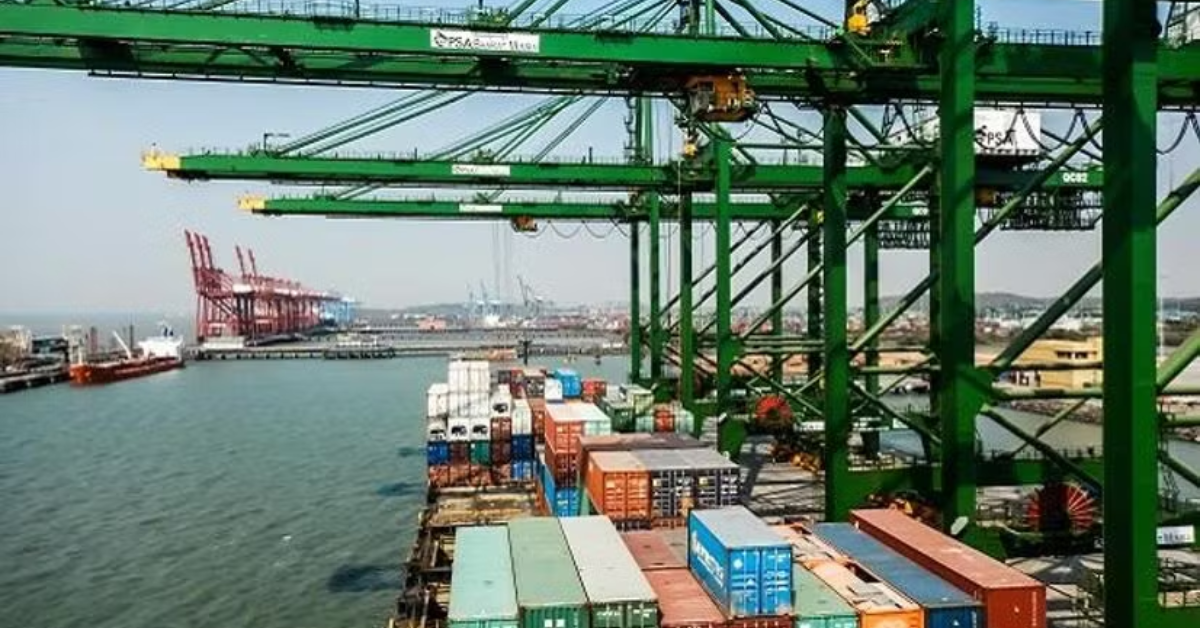
Recent congestion at Nhava Sheva port has underscored the fragility of India’s supply chains. As a crucial container hub handling significant export and import cargo, even minor disruptions can ripple through shipping schedules, freight costs, and delivery commitments. For exporters, importers, and logistics providers, the consequences extend beyond mere delays, influencing inventory management, vessel rotations, and customer trust.
Vivek Kele, Director at Teamglobal Logistics Pvt Ltd, notes that prolonged congestion ultimately impacts trade, as shipping lines may reroute or delay cargo, leading to increased costs for shippers. Exporters risk late shipments and higher charges, while importers face delayed clearances and rising costs when raw materials are held up.
This issue highlights a deeper structural problem: a mismatch between cargo growth and infrastructure readiness at the port. If vessel schedules, terminal efficiency, rail connectivity, and road transport aren’t well-coordinated, operational strains will intensify.
The situation at Nhava Sheva serves as a crucial reminder that port congestion affects not just logistics but also trade and economic stability. Continued disruptions threaten to diminish the efficiency of vital shipping gateways and ultimately harm trade competitiveness and supply chain reliability.







![Port of NEOM development area in focus at Oxagon[34].jpg](https://crewmirror.com/wp-content/uploads/2023/05/The-port-of-NEOM-in-Saudi-Arabia-is-open-for.jpg)