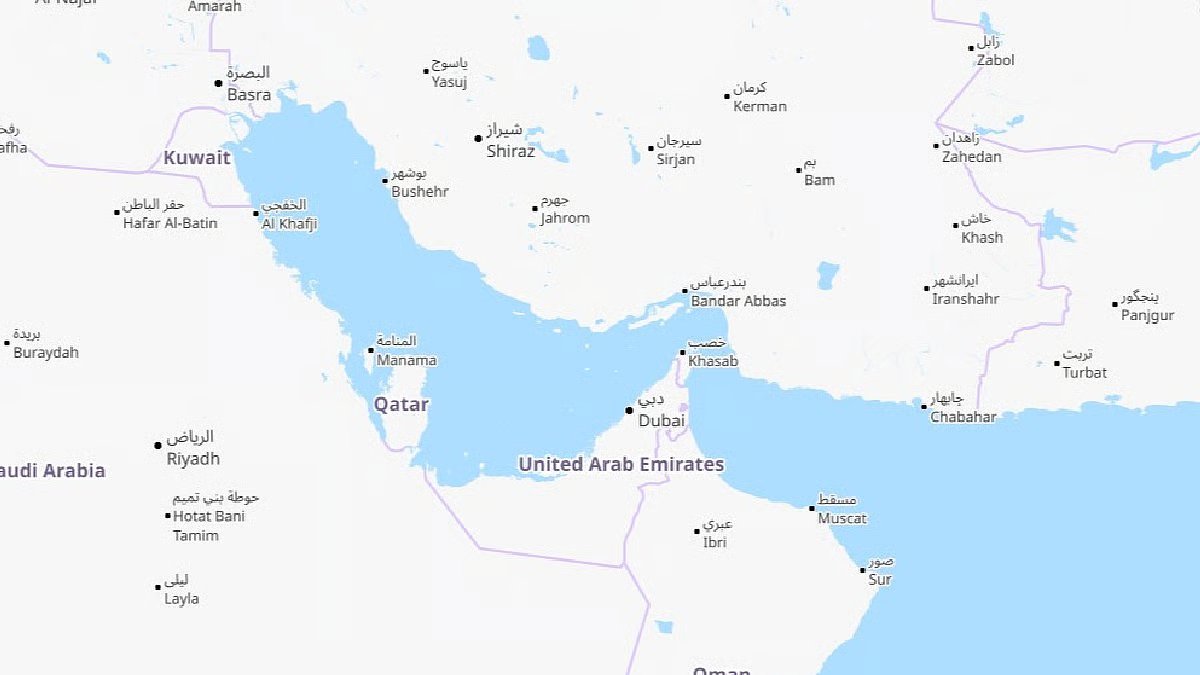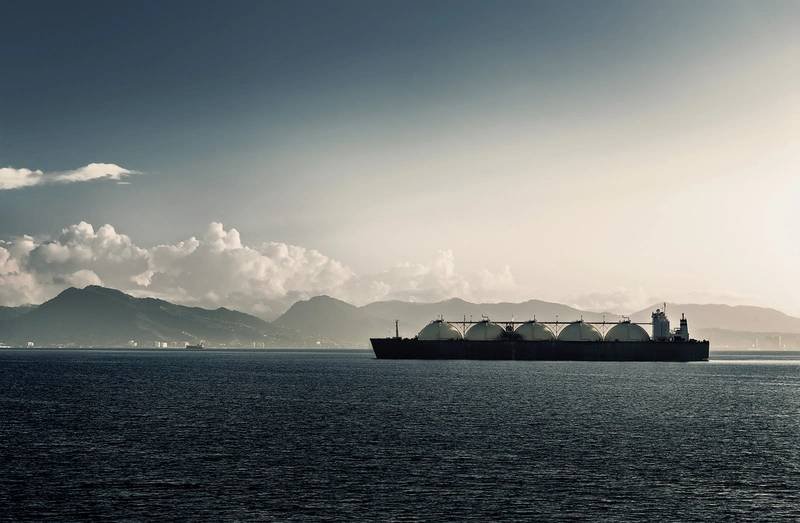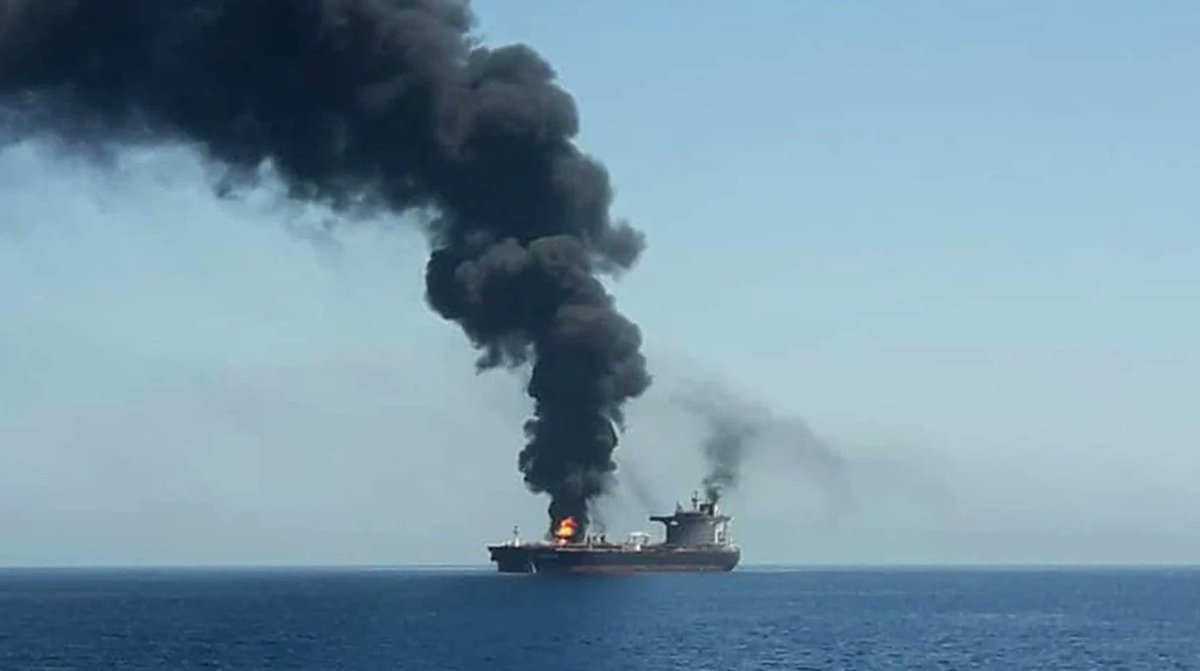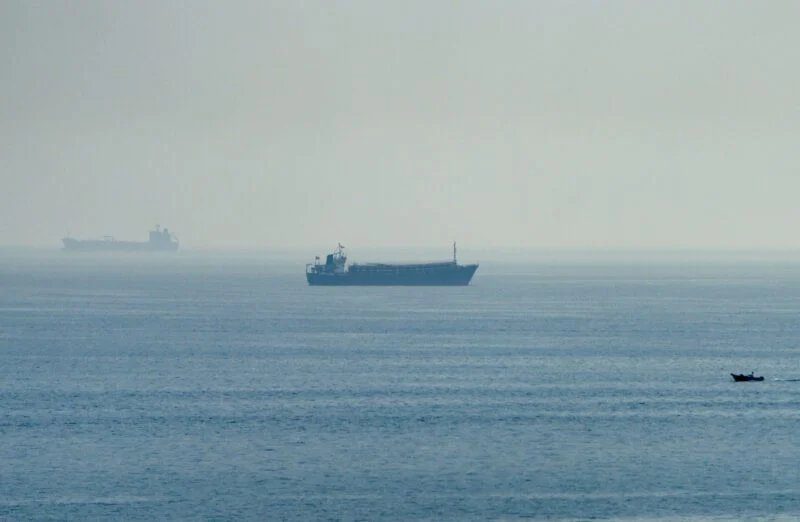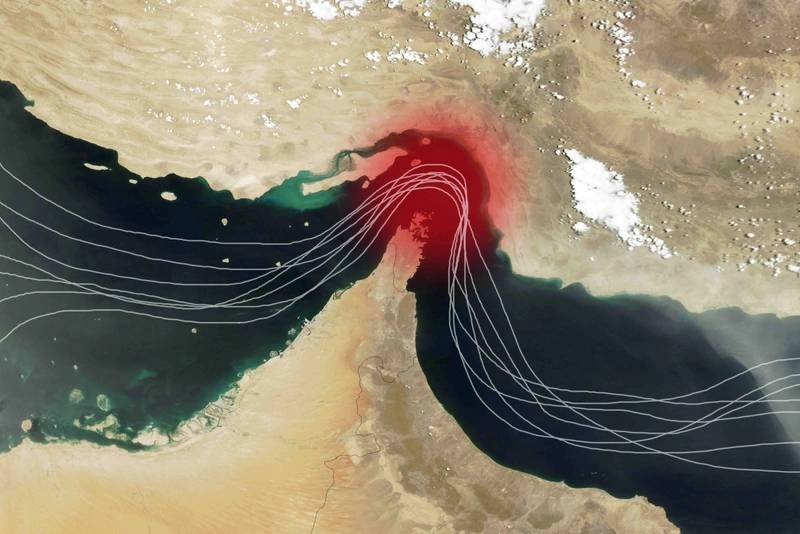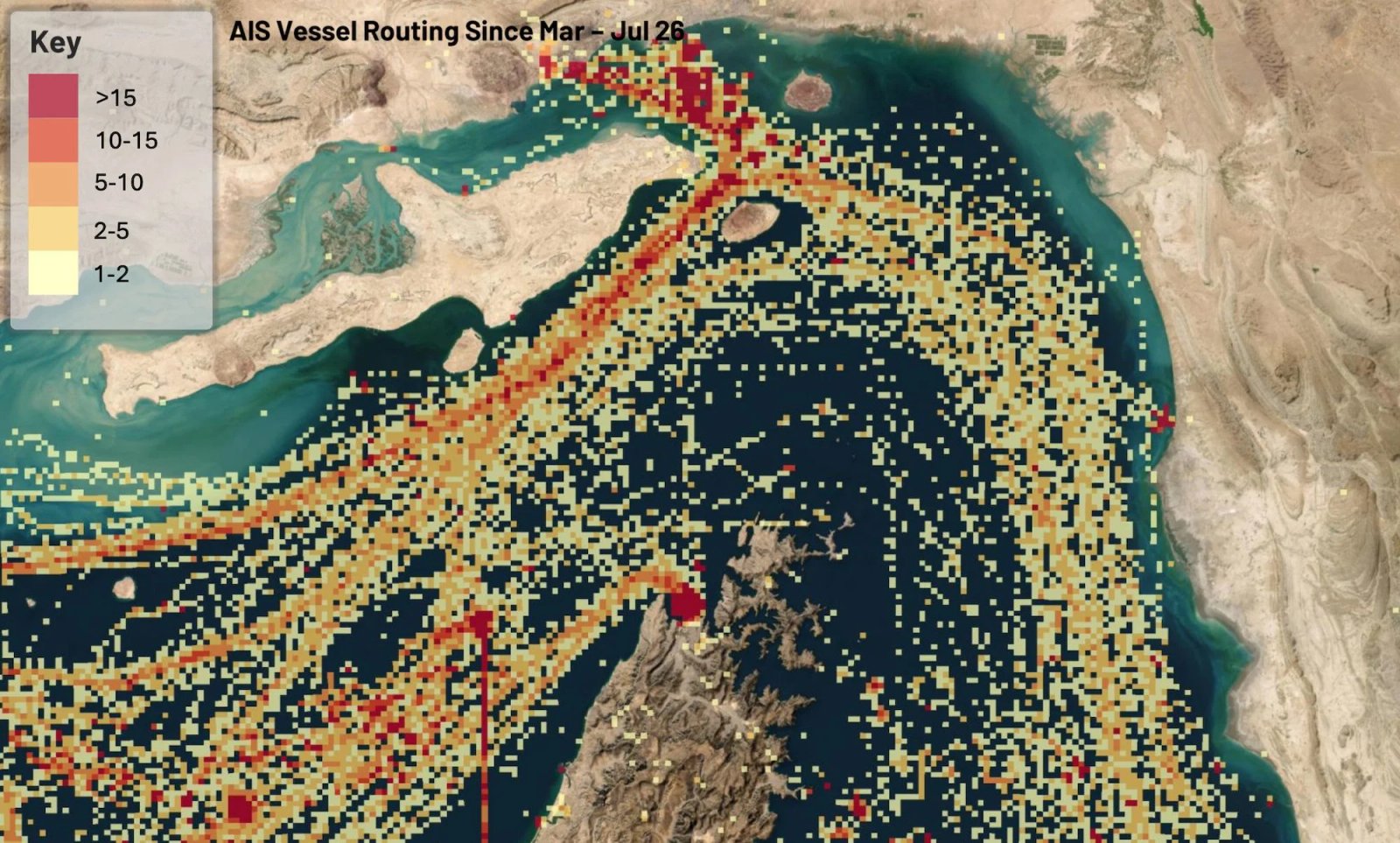
The ongoing conflict in Iran and its impact on ship transits through the Strait of Hormuz have created significant uncertainty for the global economy and the dry bulk market. Filipe Gouveia, Shipping Analysis Manager at BIMCO, notes that approximately 4% of dry bulk cargoes pass through the strait, with around 210 ships currently trapped in the Persian Gulf, representing about 1% of the dry bulk fleet.
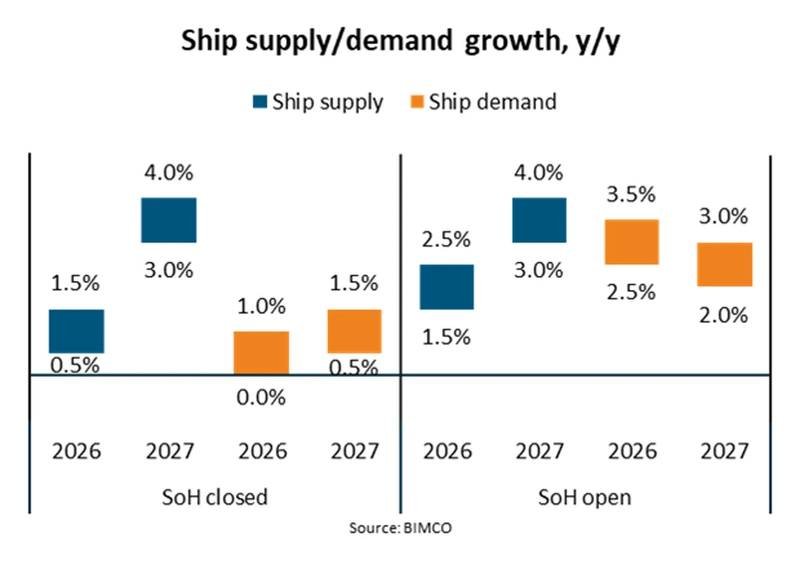
Two scenarios are presented regarding the future of the strait: one assumes it remains closed indefinitely, while the other anticipates a quick reopening. If the strait remains closed, the supply-demand balance is expected to weaken in 2026 and significantly in 2027. Conversely, if transits resume soon, market conditions are projected to remain robust through 2026, with slight weakening in 2027.
Supply growth is expected to be similar in both scenarios, driven by high deliveries in the panamax and supramax segments. However, demand projections diverge significantly; under the closed scenario, demand growth is limited, while reopening could enhance demand, particularly for minor bulk and grain volumes.
Additionally, the anticipated arrival of El Niño introduces further uncertainty, potentially disrupting Panama Canal transits and impacting coal demand and grain harvests across regions.