

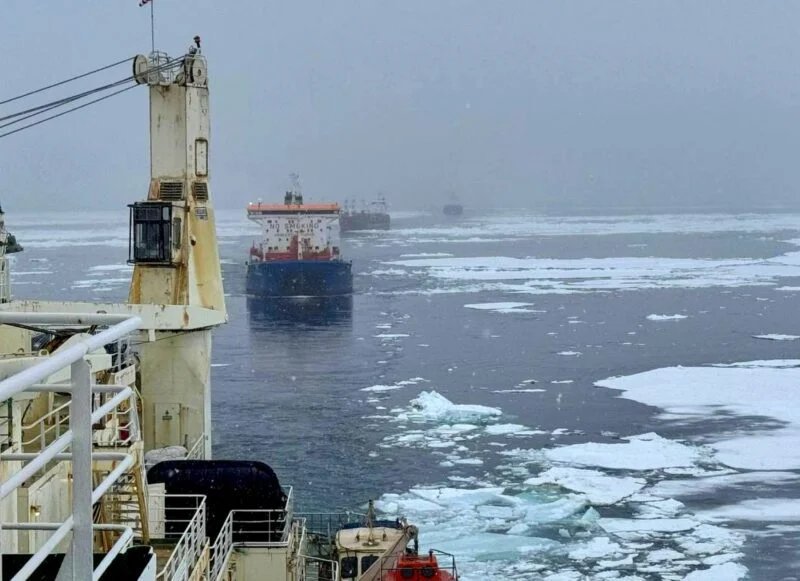
The European Union has launched a new Arctic strategy aimed at enhancing maritime security, increasing icebreaker capacity, and safeguarding critical infrastructure as melting sea ice is set to open new shipping routes and elevate geopolitical tensions in the region. This marks the EU’s first significant update since 2021, highlighting the rising security and economic stakes associated with the Arctic’s strategic importance for global trade and energy supplies.
Central to this strategy is the creation of a Maritime Security Hub designed to enhance surveillance and information sharing across the Arctic, focusing on the protection of vital undersea infrastructure. The strategy acknowledges the pressing need for a proactive European role due to Russia’s increasing military presence and activities in the Arctic, which pose challenges to regional security.
The plan prioritizes collaboration with Arctic stakeholders, contemplating the establishment of an Arctic Cable Hub to bolster monitoring and protection of undersea cables. The EU also intends to enhance satellite surveillance and integrate European ports and infrastructure into emergent Arctic trade networks. This includes a proposed submarine cable linking Greenland to Europe, potentially extending to Canada and Japan, while also promoting secure satellite communications through the IRIS² program.
The strategy emphasizes cooperation with other Arctic nations and maintains a commitment to addressing climate change, which is particularly critical given that the Arctic is warming at nearly four times the global average. While the EU expresses opposition to hydrocarbon development that threatens Arctic ecosystems, it has softened its stance on pursuing a legal ban on new oil and gas exploration, instead focusing on security, economic development, and stronger engagement with Arctic communities and Indigenous Peoples.


