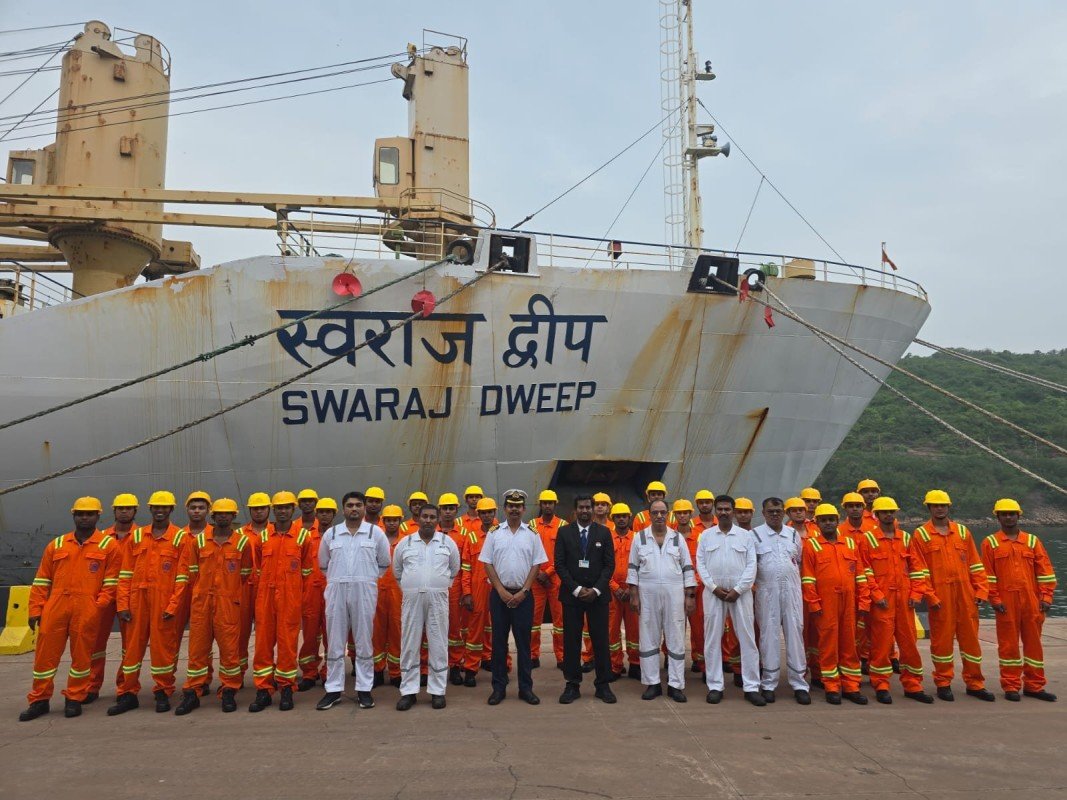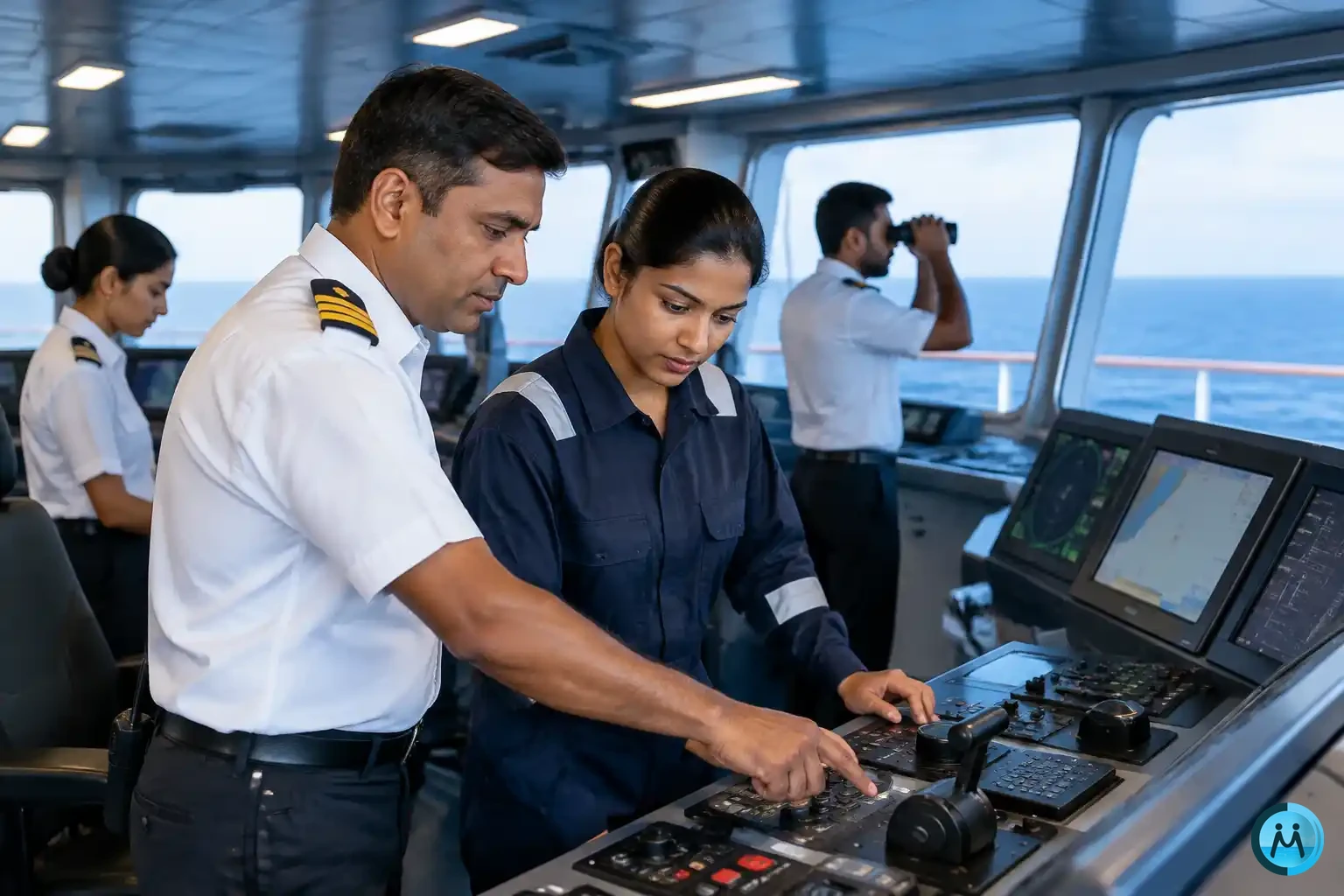
Shipping companies must prioritize managing crew turnover alongside retaining seafarers to ensure safe and efficient vessel operations. Acknowledging the inevitability of some crew turnover is essential, as evolving employment attitudes mean shipowners and managers must adapt their strategies. A stable crew significantly contributes to a vessel’s safety and efficiency, as experienced teams are less prone to errors, thereby preventing accidents and costly disruptions.
While companies invest heavily in retention strategies such as competitive salaries and benefits, these approaches often reflect the preferences of older generations who prioritize job stability. In contrast, younger seafarers are increasingly open to exploring new opportunities, even when satisfied with their current positions. This trend is expected to grow as they advance in their careers, making it crucial for shipping firms to adapt.
To facilitate smoother transitions for new crew members, companies should streamline the onboarding process, focusing on essential equipment and procedures relevant to each role. Regular reviews of safety and quality management procedures are recommended to eliminate outdated requirements. Additionally, leveraging digital systems and artificial intelligence can help crew members quickly access necessary information, reducing complexity and enhancing safety without compromising operational efficiency.
Related posts:
 Maritime Industry Prepares for Ammonia as Marine Fuel with Safety, Training, and Adoption Standards
 Synergy Marine Group Collaborates with Mercy Ships to Enhance Global Healthcare for Seafarers
 Malta Calls for Action to Protect Seafarers and Commercial Shipping
 Nautilus International Expresses Solidarity After Tragic Cyprus Ship Accident