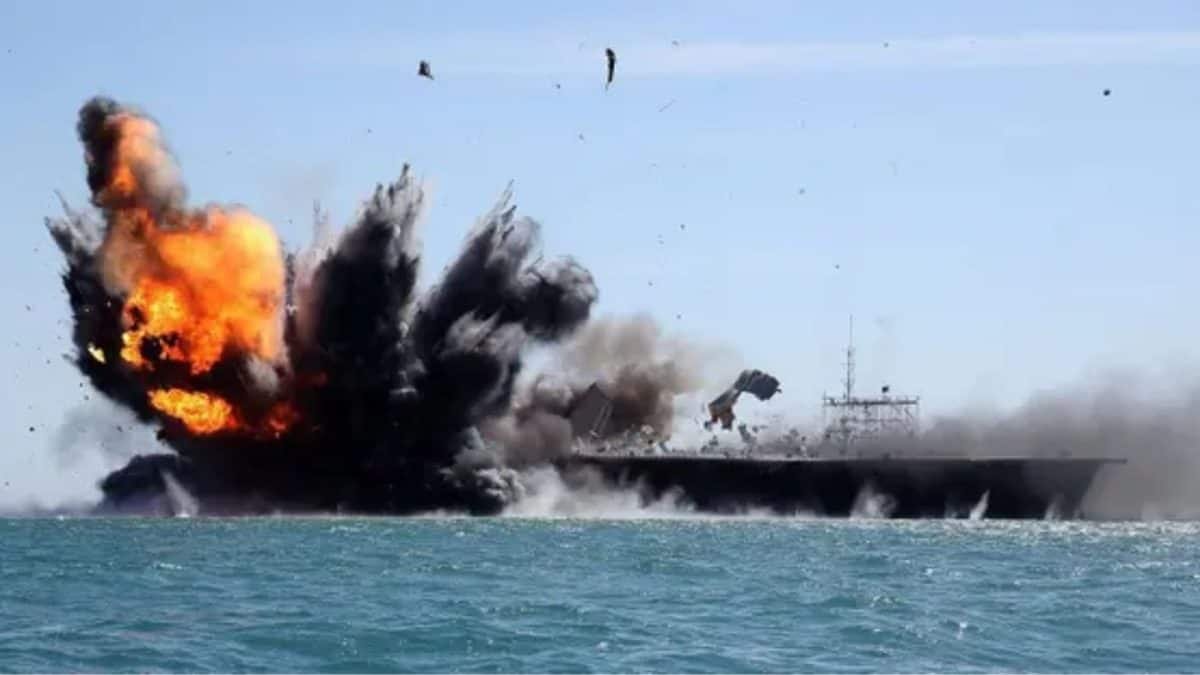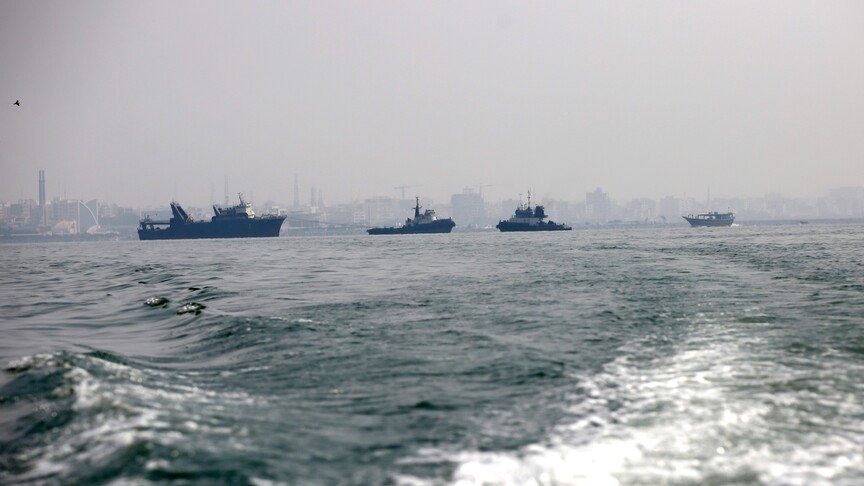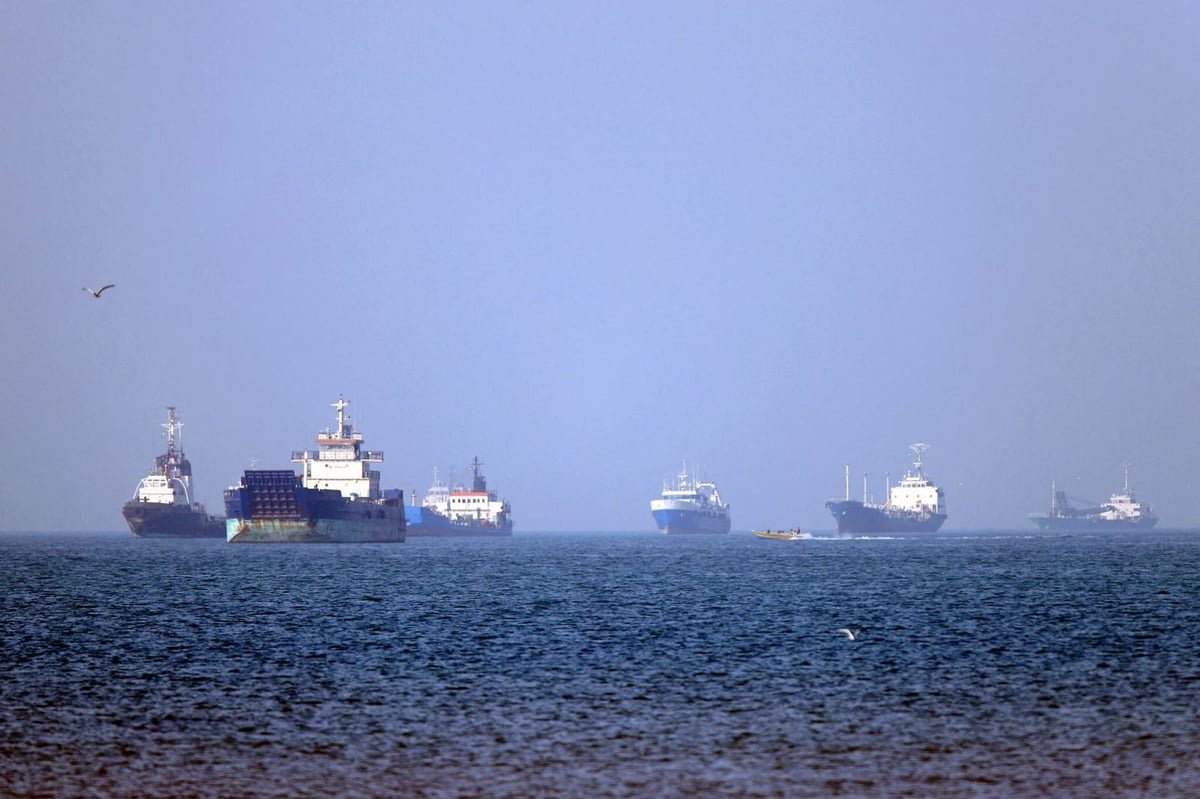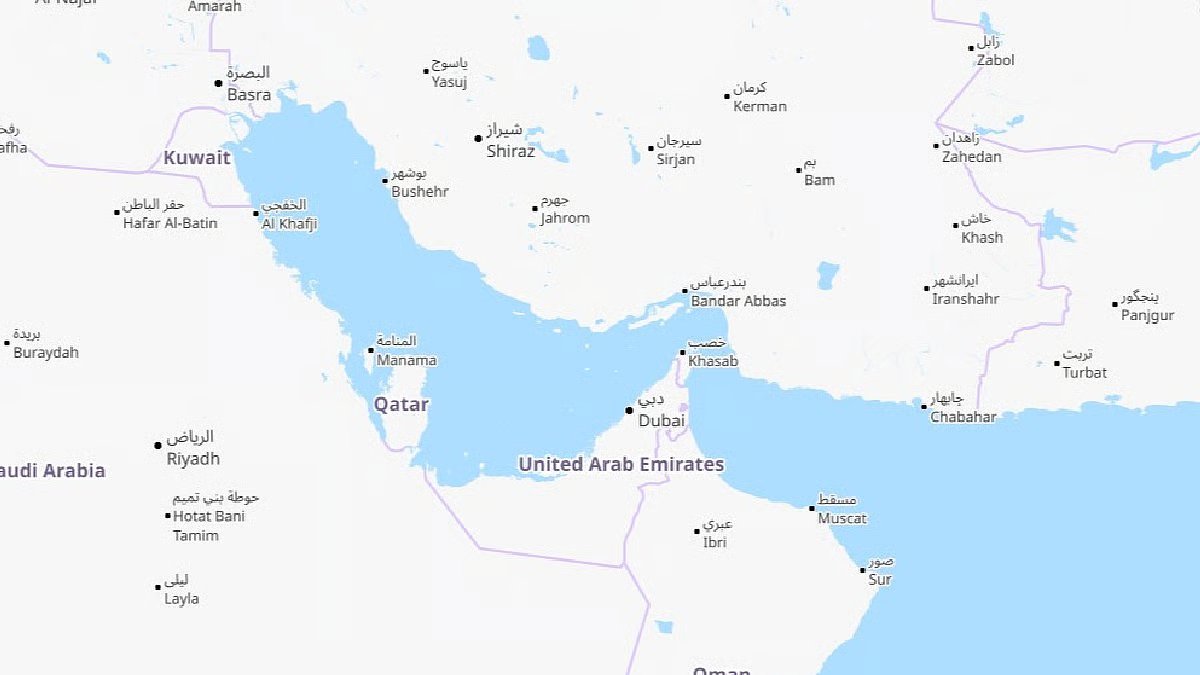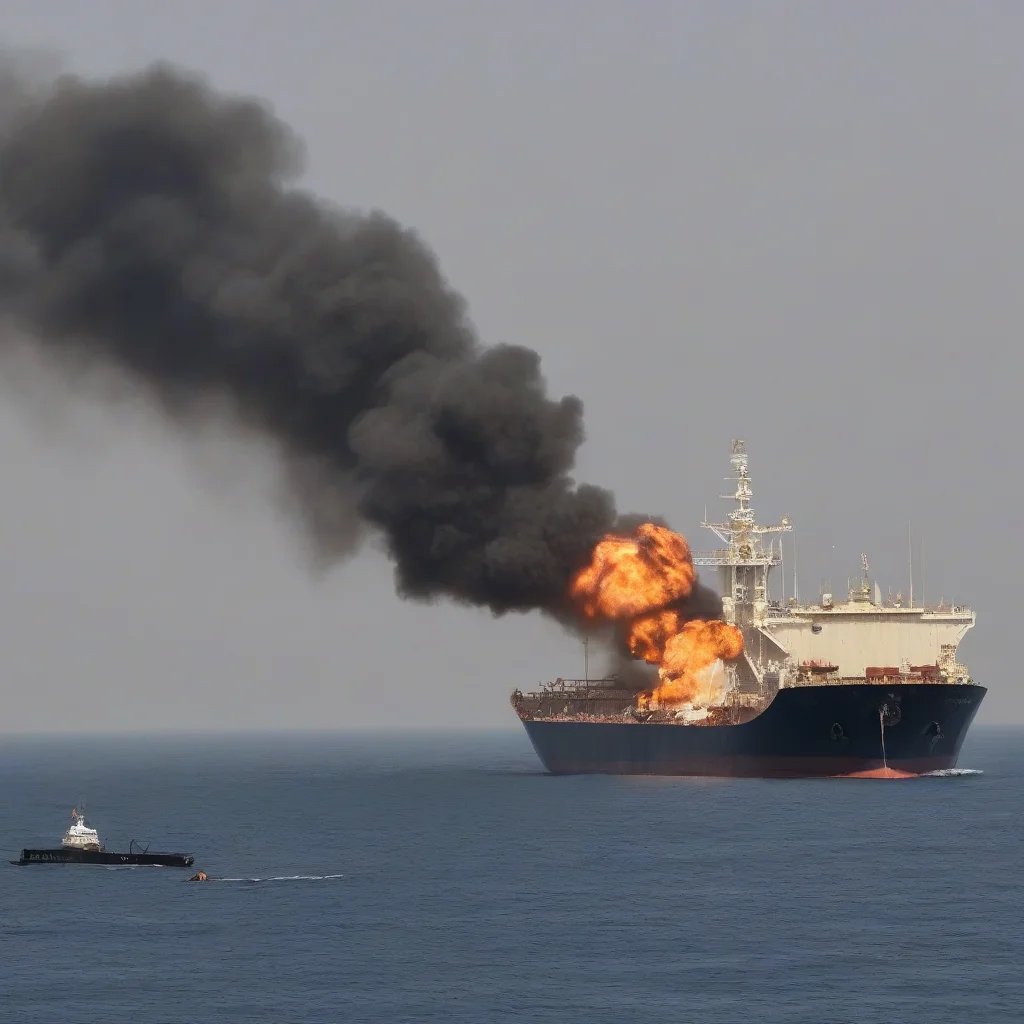
Oil producers across the Americas have experienced a significant boost during the Iran war, seizing market share previously held by Middle Eastern exporters. This shift in the global energy landscape is driven by the closure of the Strait of Hormuz, which disrupted about 20% of global oil supplies. As a result, crude exports from the Americas, including Canada and Argentina, have surged to an average of 11.7 million barrels per day (bpd) in 2026, nearly doubling from a decade ago. The U.S. leads these exports, averaging 4.4 million bpd.
Asia has become a major destination for this increased crude supply, with imports from the Americas projected to reach a record 5.4 million bpd in August 2026. This diversification, prompted by necessity, highlights the risks of overdependence on Middle Eastern oil. Even if Gulf exports recover, Asian importers may seek to avoid reliance on a single region, especially one vulnerable to geopolitical tensions.
The Americas’ rise in oil production is largely attributed to the U.S. shale revolution, which has made the U.S. the largest global producer. Brazil, Canada, Guyana, and Argentina are also expanding their output, contributing to an anticipated 50% increase in regional production over the past decade. The current crisis may thus mark a lasting realignment in global oil trade, with the Americas poised to play a more prominent role in the future.