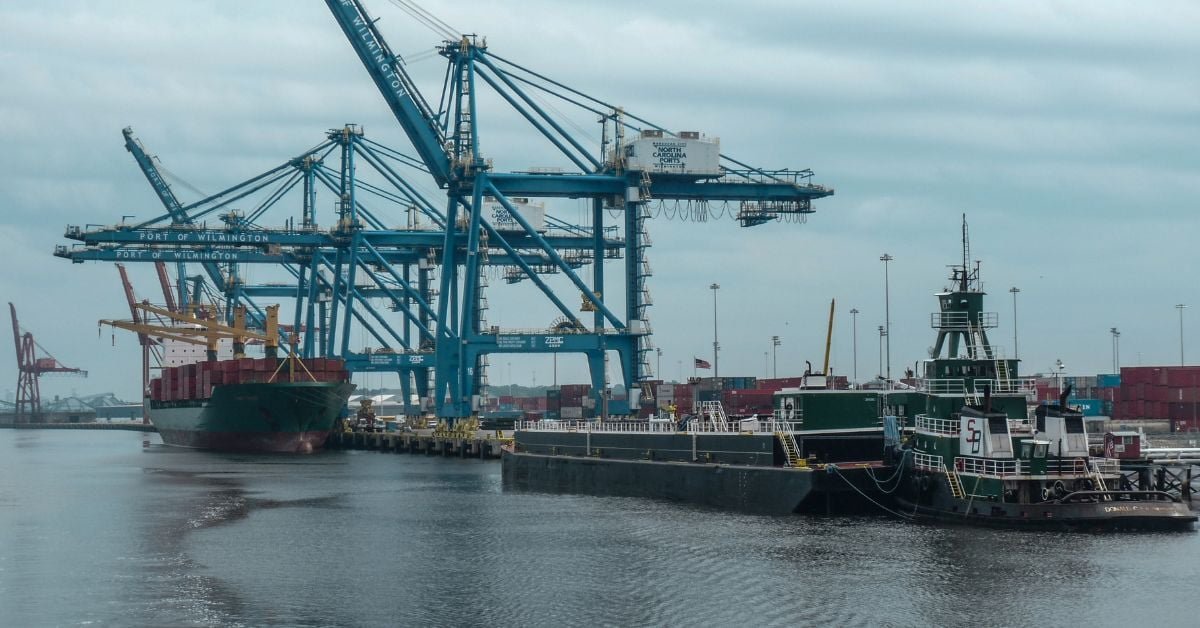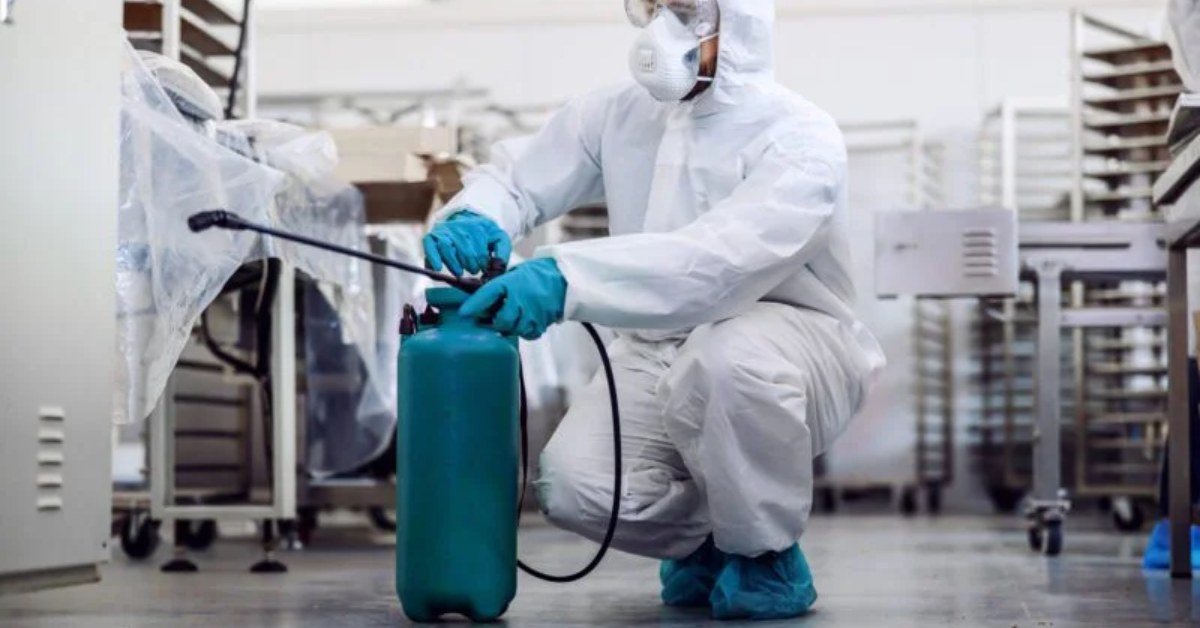
A bulk carrier loaded with cassava chips underwent fumigation using aluminium phosphide tablets placed atop the cargo. Before setting sail, the crew sealed the hatches but were not adequately informed about the associated risks. Approximately 36 hours into the voyage, gas began to accumulate on the forward deck due to the vessel’s speed and wind direction, instead of dispersing as intended. The air conditioning system, operating in recirculation mode, inadvertently drew contaminated air into the accommodation area, affecting the crew, who remained unaware of the hazardous conditions.
Initially, the watchkeepers in the wheelhouse experienced symptoms such as chest tightness and nausea, which they mistakenly attributed to food poisoning or COVID-19. As the illness spread among the crew, including the Master, no one connected their ailments to the fumigant gas. Tragically, after several hours, 17 crew members, including the Master, were reported to have severe symptoms, leading to an emergency stop for search and rescue. By the time help arrived, 13 crew members had died, with forensic findings confirming phosphine poisoning as the cause.
An investigation revealed that the crew lacked familiarity with the International Maritime Organization’s guidelines on pesticide safety onboard and that the vessel was not equipped with phosphine detection equipment. This incident highlights the critical need for proper safety protocols during fumigation, including regular monitoring of gas concentrations and comprehensive safety briefings for the crew. It underscores the importance of ensuring the integrity of accommodation areas and the necessity of adjusting navigational plans based on wind and speed after fumigation.