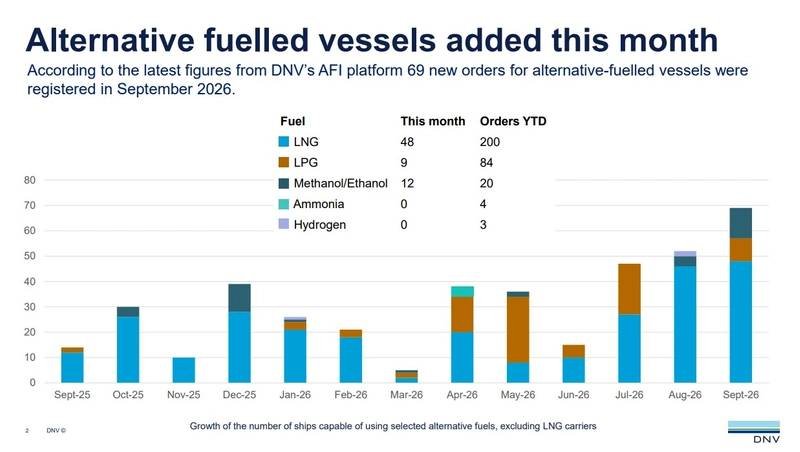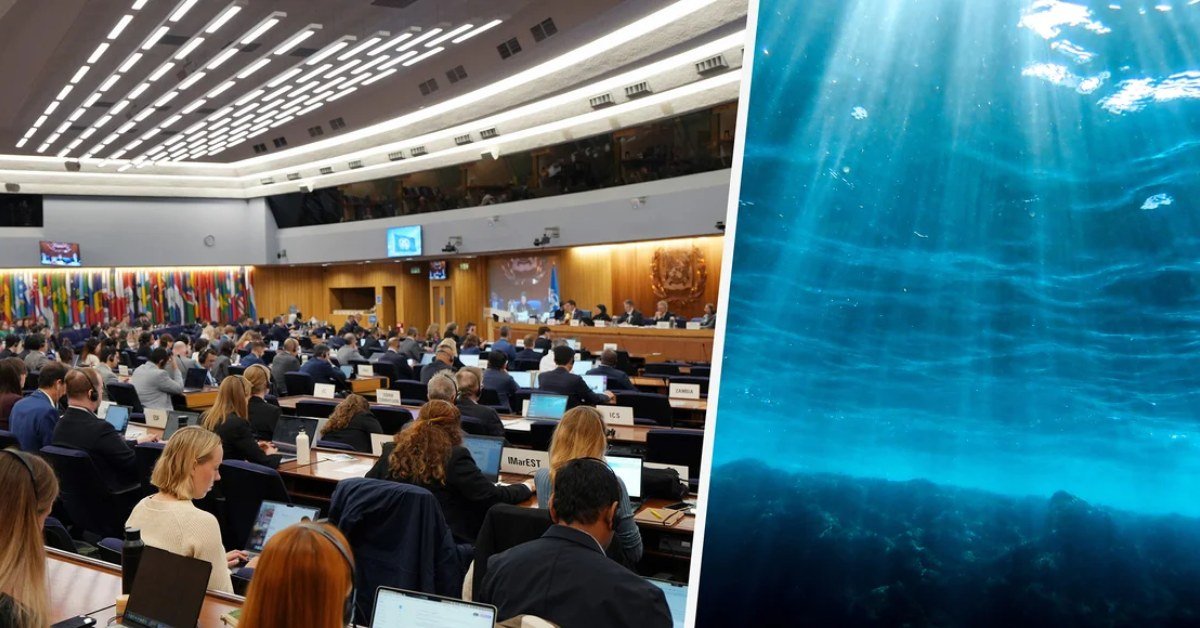
Shippers’ interest in lower-carbon marine fuels has declined this year, largely due to uncertainty surrounding the International Maritime Organization’s (IMO) regulatory emissions framework. With an important meeting scheduled for early November to discuss the adoption of a net-zero framework aimed at achieving zero carbon emissions by 2050, the industry is in a holding pattern. Additionally, the demand for marine biofuels, which have been a focus for shippers seeking alternatives, has diminished at Singapore, the world’s largest bunker hub. Sales of marine biofuels at the port fell by 47% in the first nine months of the year compared to the same period in 2025.
Industry experts indicate that the lack of a decisive IMO ruling is stifling growth in biofuel demand. While the FuelEU Maritime regulation has encouraged some uptake of biofuels in Europe, overall demand has not met expectations. In Rotterdam, bio-blended bunker sales increased by 28% in the first half of the year, but some shippers still prefer gasoil despite fluctuations in pricing. The ongoing conflict in the Middle East has prompted shipowners to diversify their fuel sources, emphasizing the importance of flexibility in fuel choices.
Overall, the current landscape highlights a need for clearer regulatory signals to guide the maritime industry towards more sustainable fuel options. As prices for fossil-based marine fuels remain significantly elevated since the onset of the Iran conflict, the push for alternative fuels has become more urgent, underscoring the industry’s need for strategic adaptability.