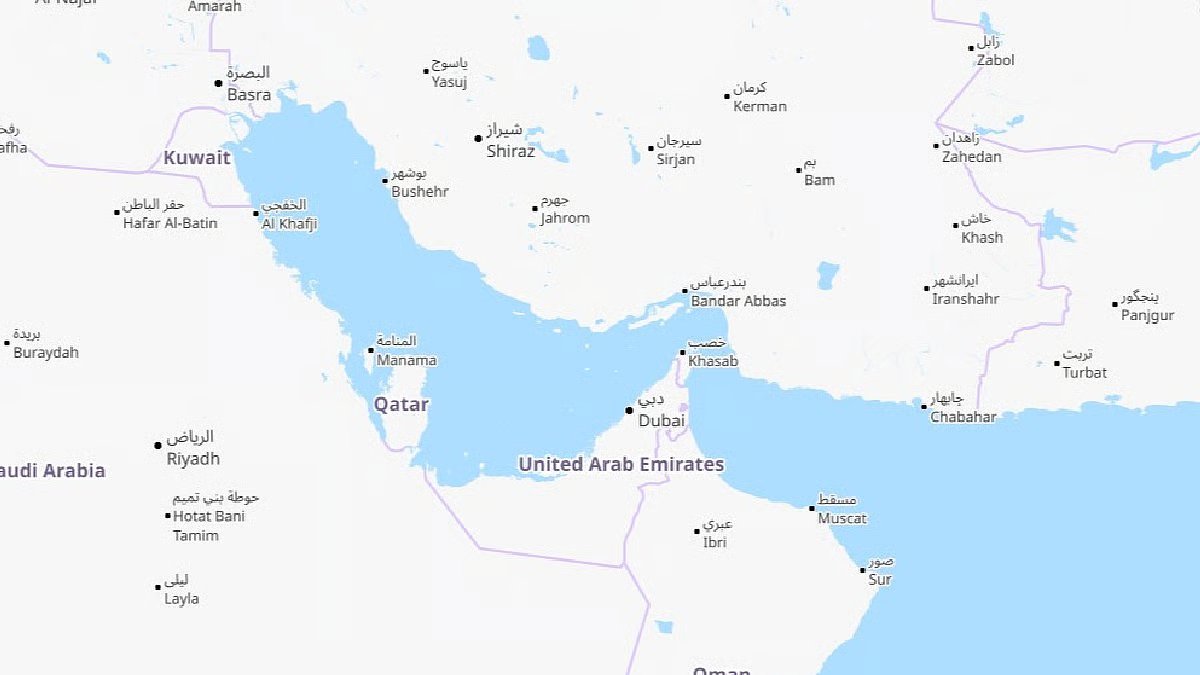
The recent U.S.-Iran memorandum of understanding, aimed at resolving ongoing tensions in the Strait of Hormuz, has garnered optimism in the maritime industry. However, shipowners and industry groups caution that the actual reopening of this crucial energy passage will be intricate and potentially protracted. While the political framework is in place following President Donald Trump’s announcement, operational safety measures are still lacking.
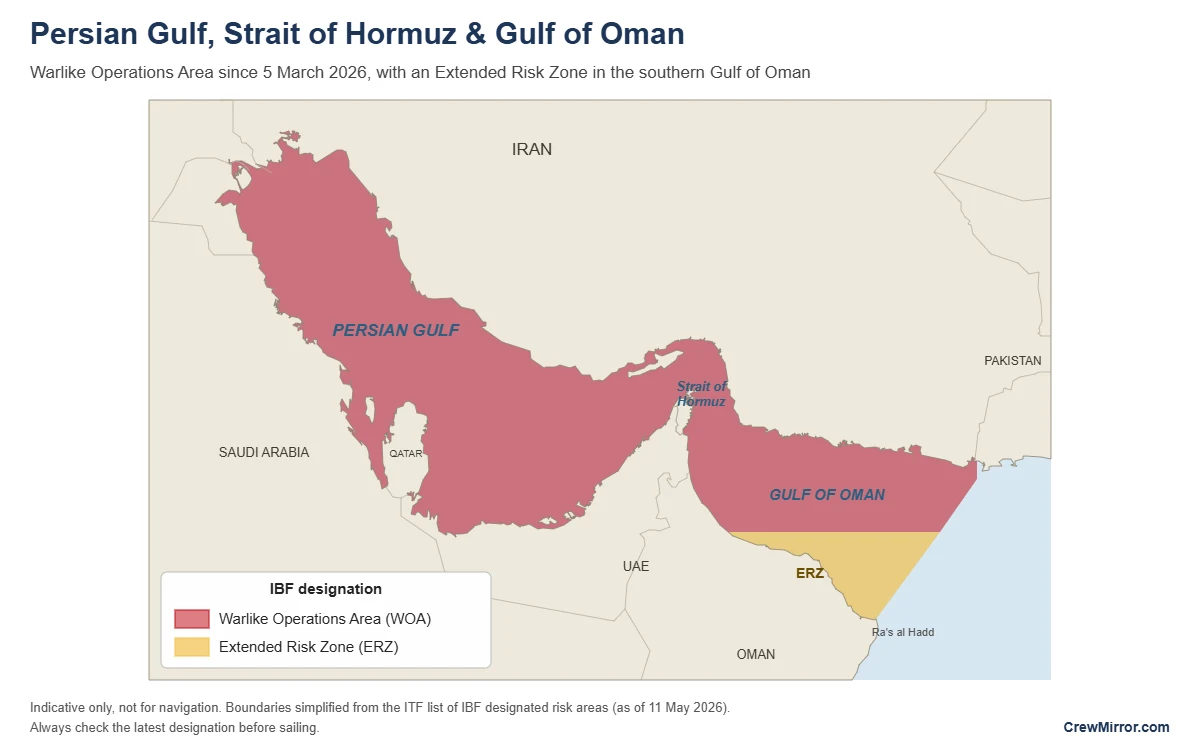
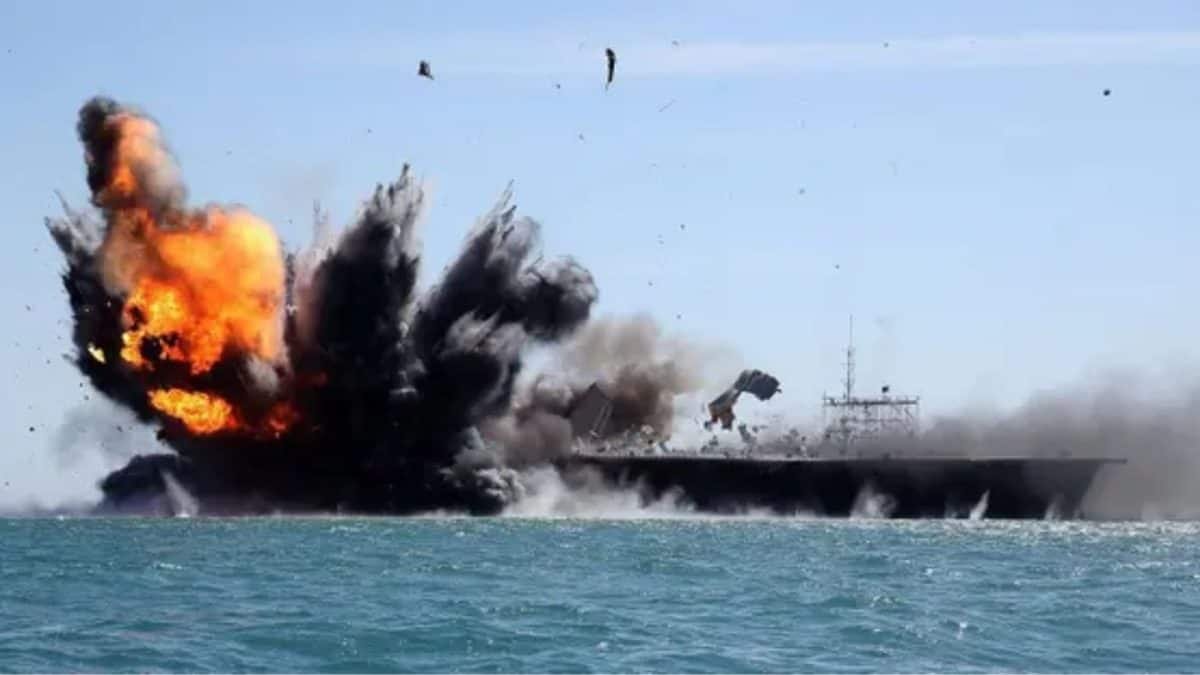
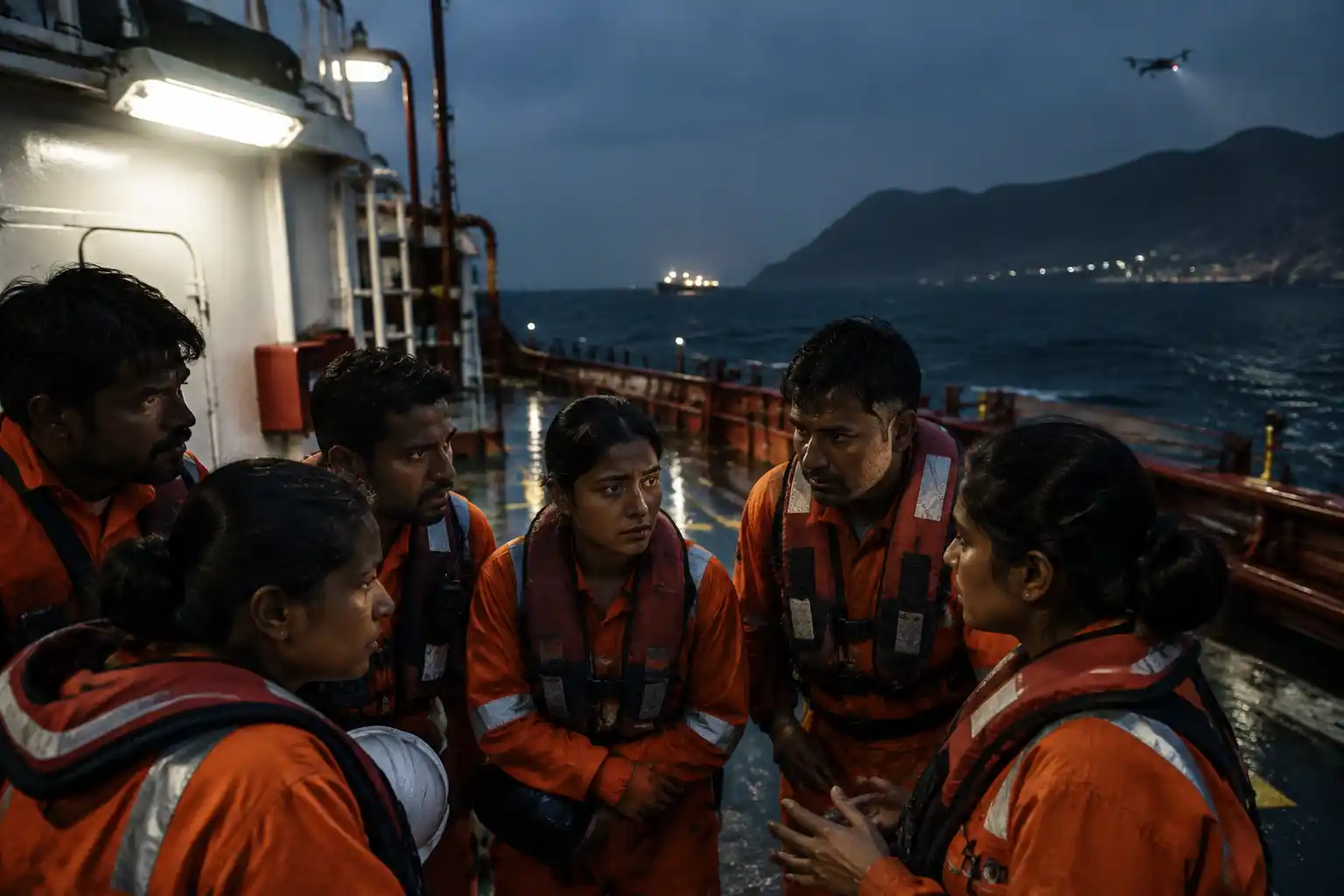
Industry representatives emphasize the urgent need to restore secure navigation for stranded vessels. The World Shipping Council highlights that while the agreement is positive, immediate attention is required to ensure safe transit through the Strait. Concerns persist, particularly regarding the mined central portion of the waterway, necessitating coordination among states and organizations to conduct risk assessments and clearance operations.
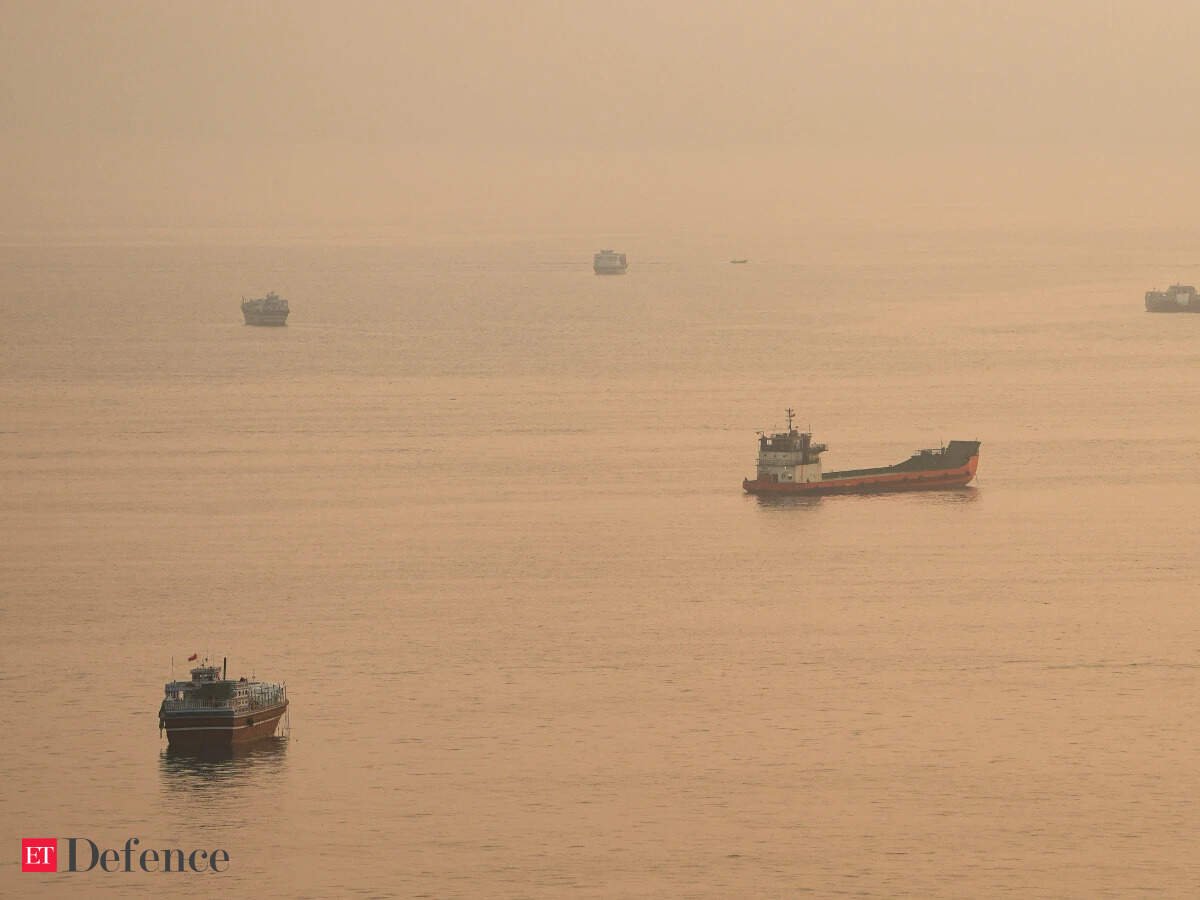
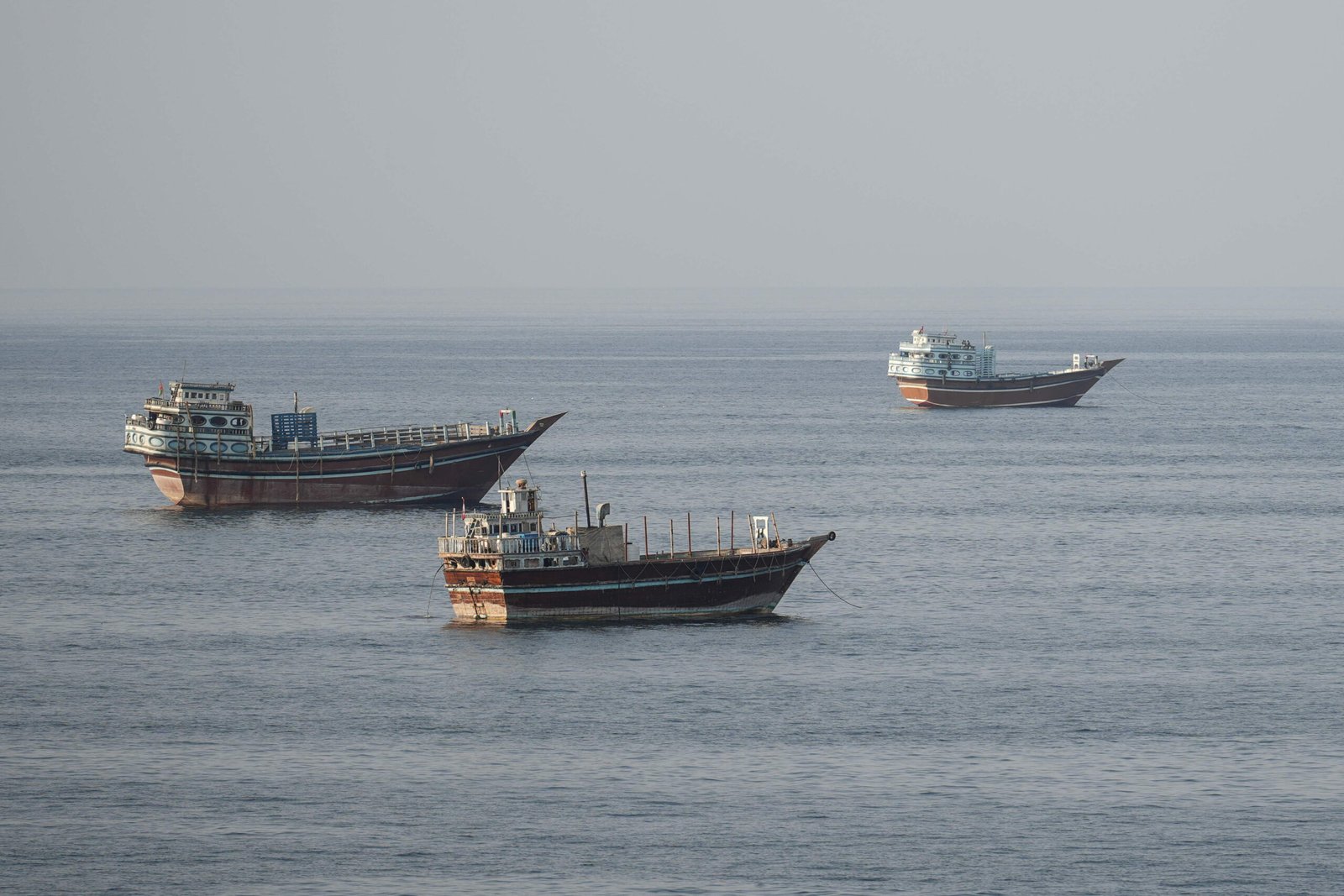
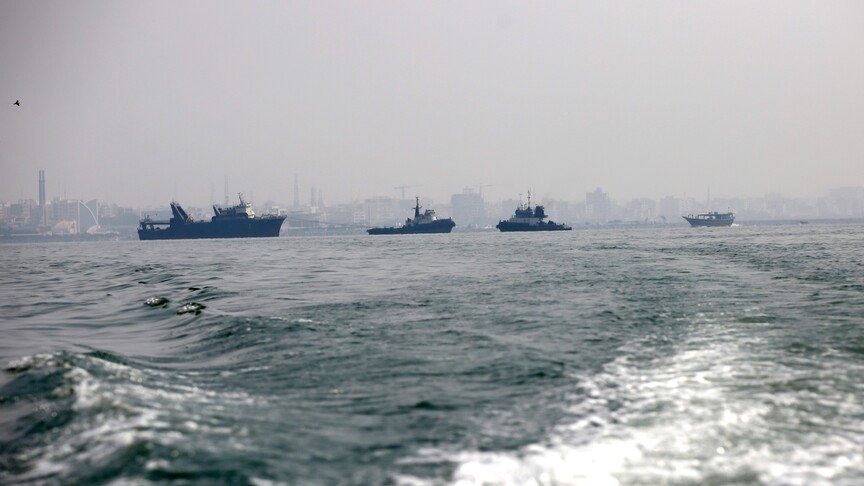
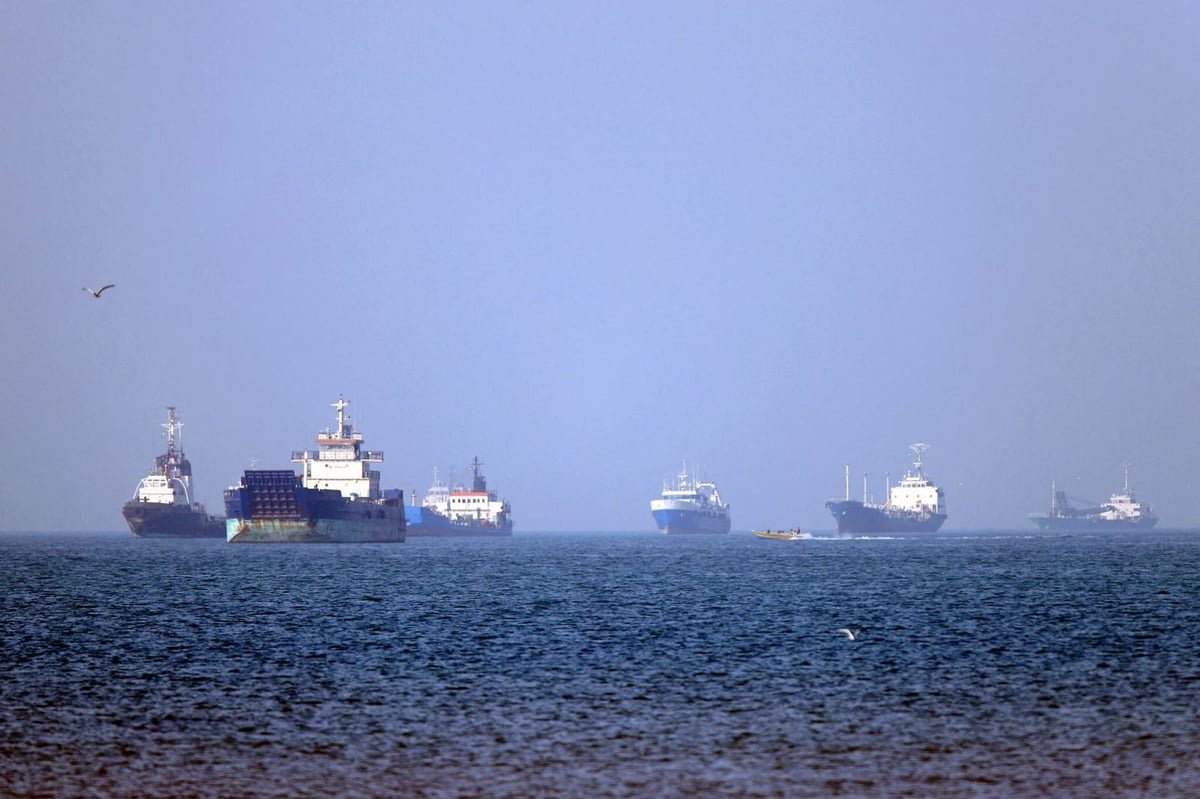
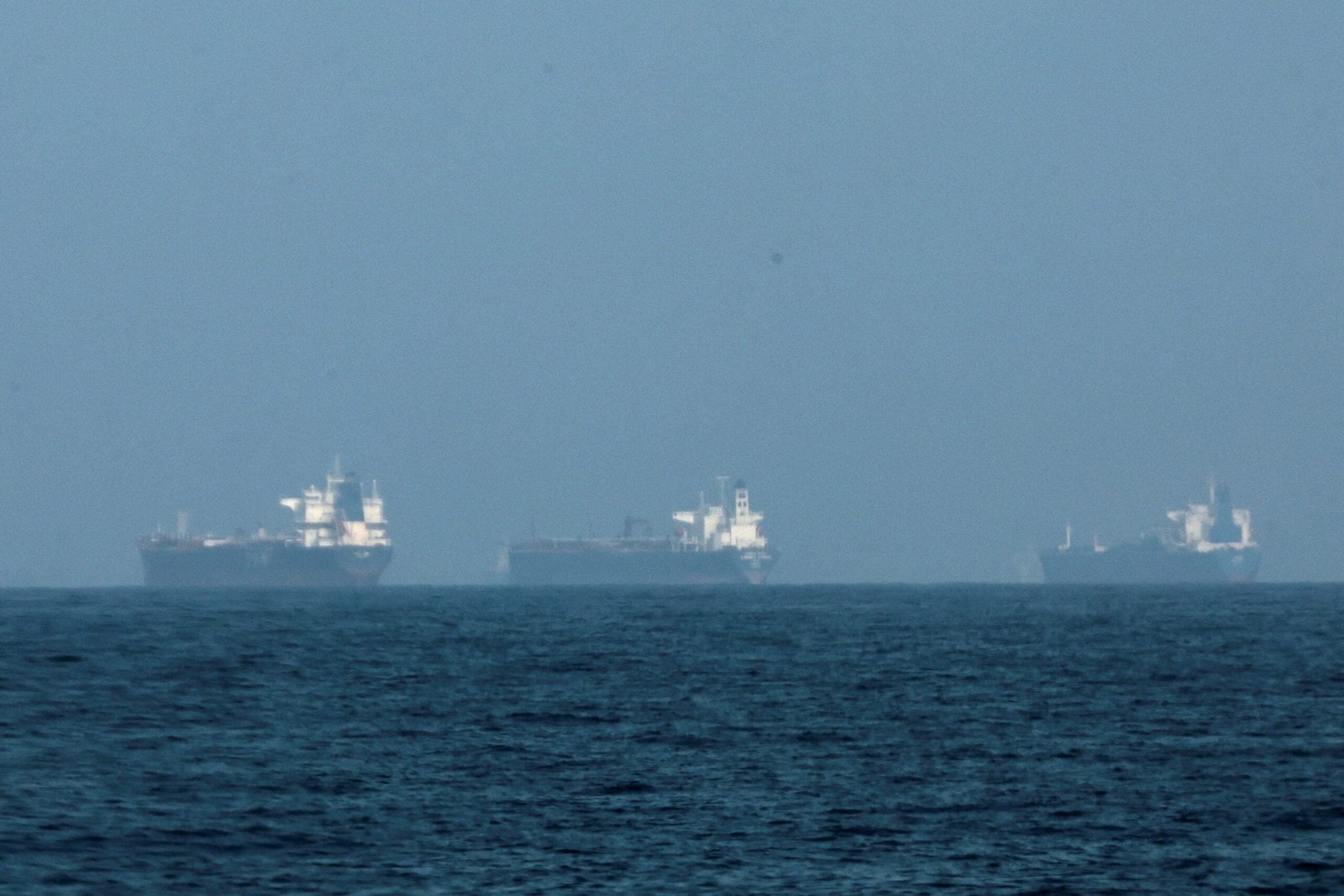
Despite political agreements on military operations and sanctions, industry leaders assert that thorough planning is required for safe shipping routes. Many shipping companies remain cautious, highlighting the need for mine clearance and a cohesive traffic management strategy before resuming normal operations. The backlog of vessels waiting to transit underscores the scale of the challenge, with existing routes deemed insufficient for the anticipated traffic.
Overall, while the agreement represents a step forward, significant operational questions and safety risks must be addressed for a return to pre-war navigation standards.