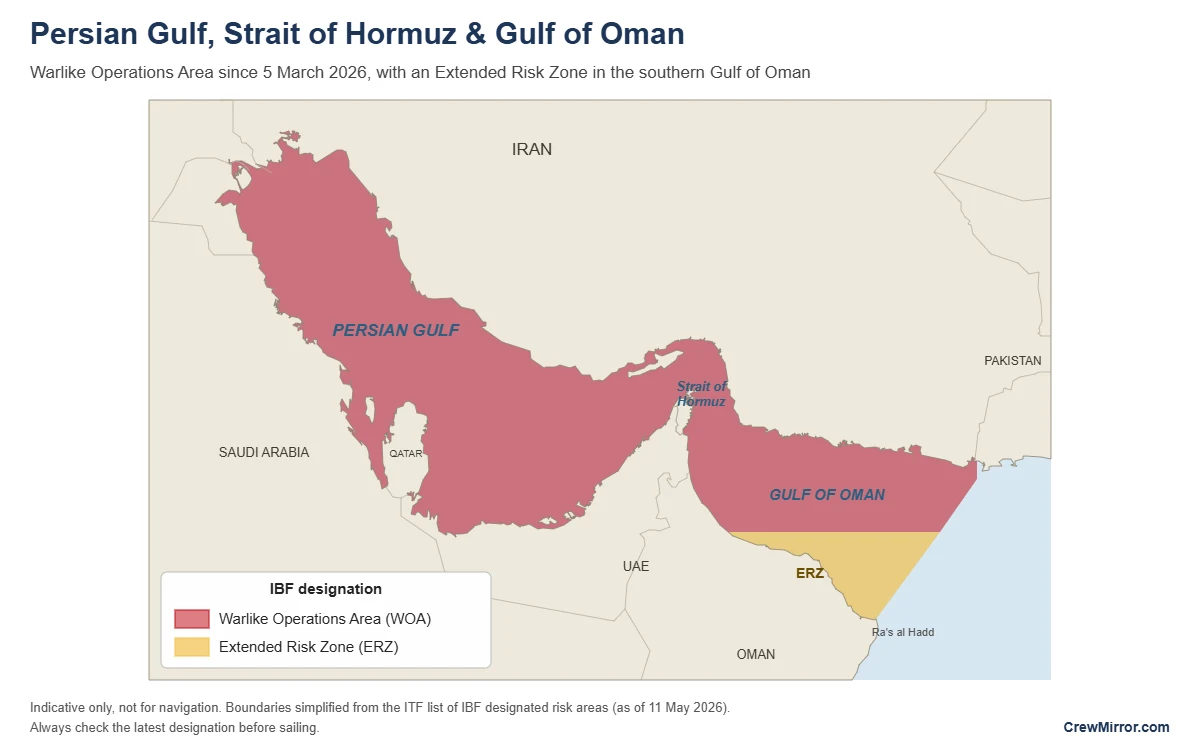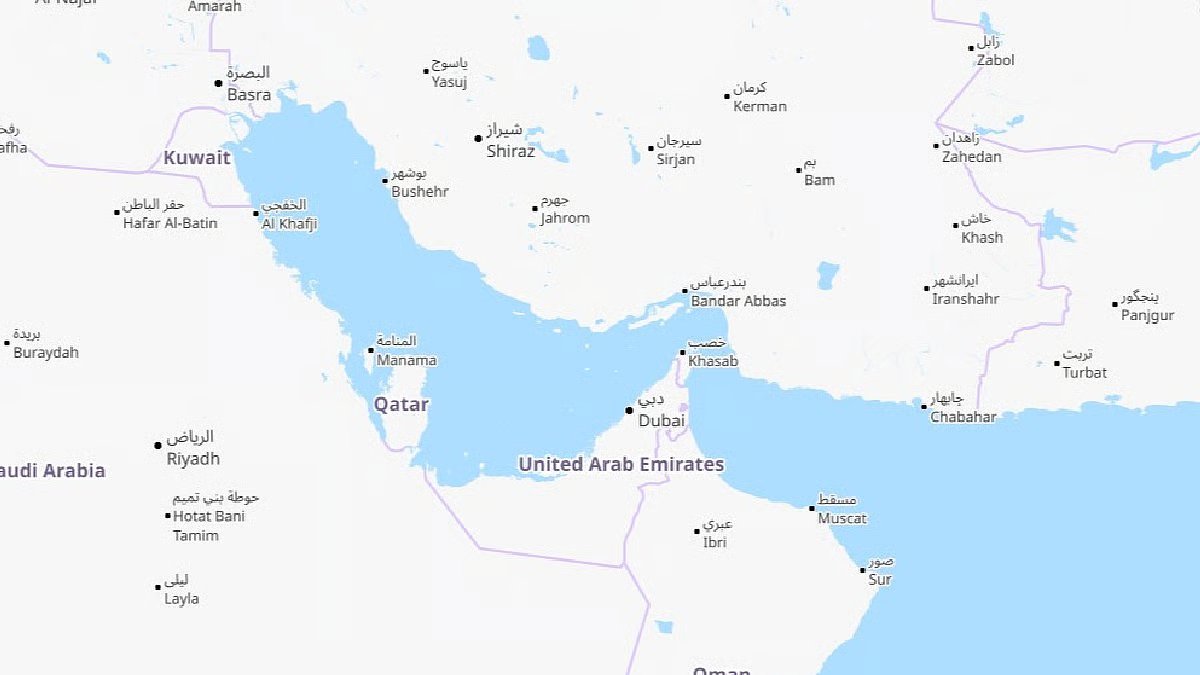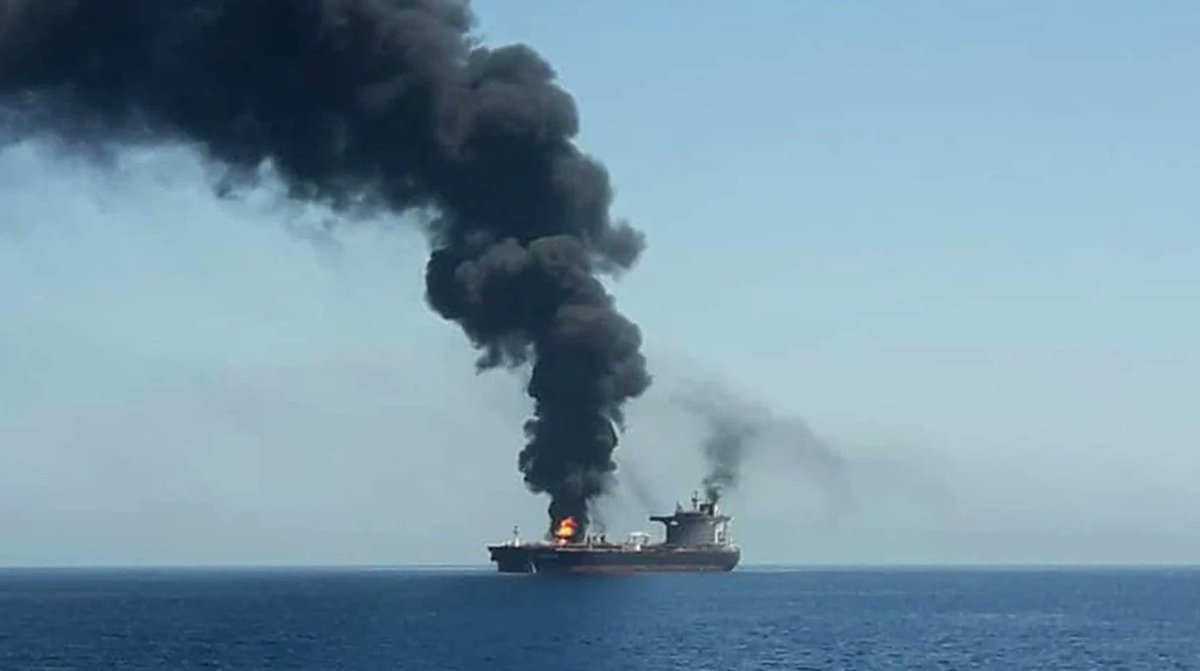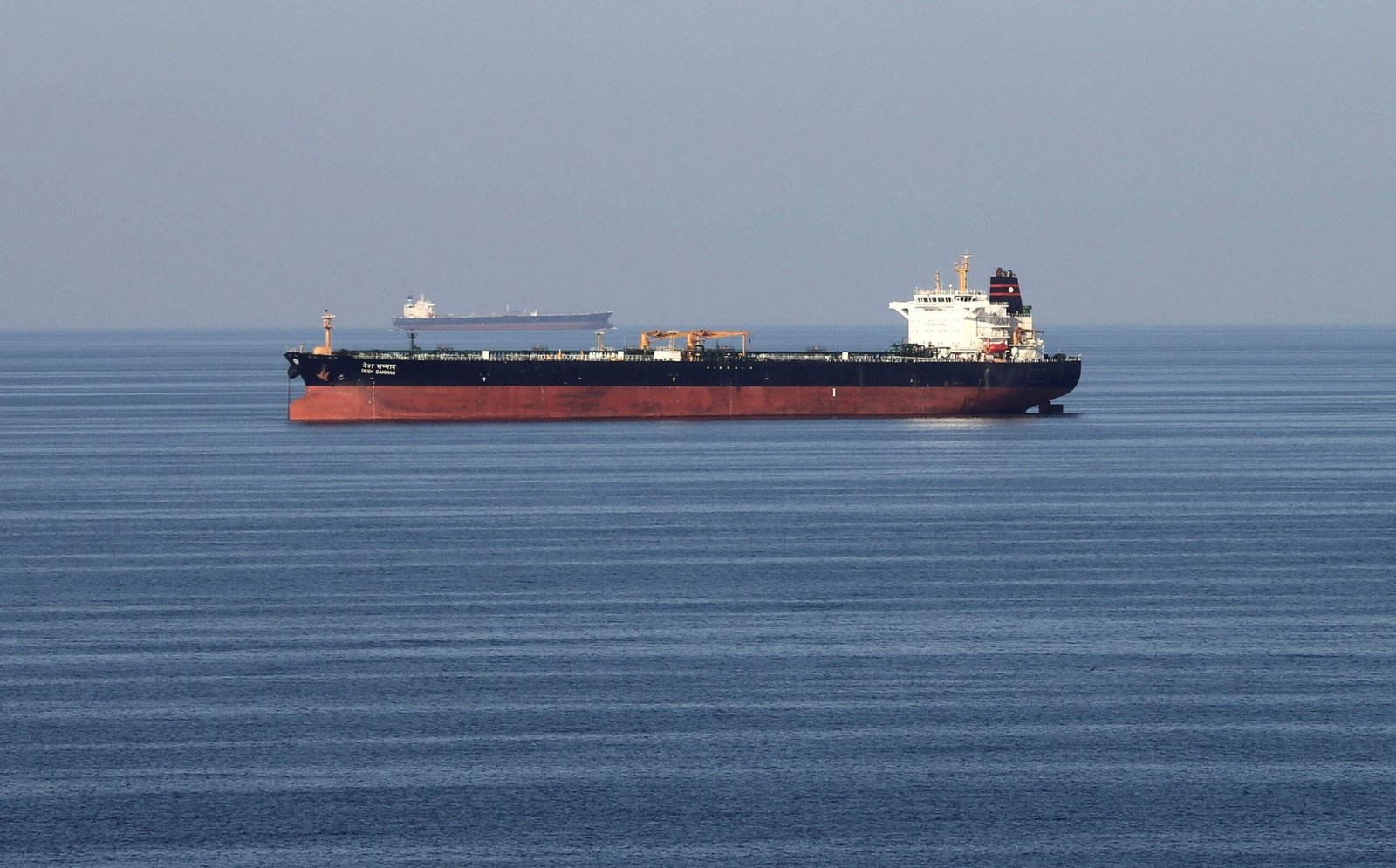
The recent memorandum of understanding between the United States and Iran marks a pivotal shift in the management of the Strait of Hormuz, a crucial maritime gateway. This 14-point agreement not only eases months of tensions but positions Iran centrally in future maritime discussions, a significant departure from historical norms governing Gulf shipping. Article 5 of the agreement stipulates Iran’s commitment to facilitating safe passage for commercial vessels and outlines plans for dialogue with Oman to clarify future maritime services and administration. This suggests a growing emphasis on the roles of coastal states in managing the Strait.
However, the agreement’s phrasing around “future administration” remains ambiguous, leaving many questions unanswered. The specifics regarding oversight of vessel traffic, potential charges for transit, and mine clearance operations are unclear, causing apprehension among shipping stakeholders. Concerns about tolls have resonated widely, as the World Shipping Council stresses the need for toll-free navigation in accordance with international law, fearing any shifts could undermine the established principles of transit passage.
Despite the optimism surrounding regional cooperation, maritime experts caution that the Strait may not return to its previous operational state immediately. The lingering threat of mines and ongoing debates about governance could complicate shipping routes. As the international community seeks clarity, the future management of this vital oil chokepoint may emerge as one of the most critical maritime issues in the coming years.