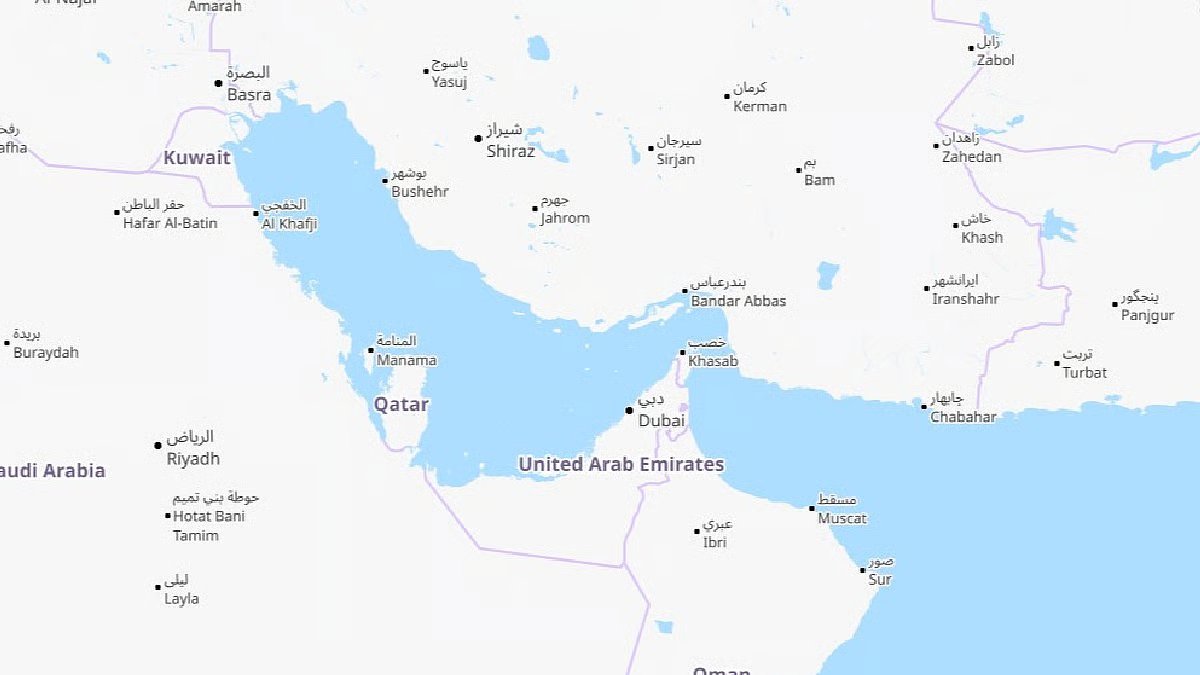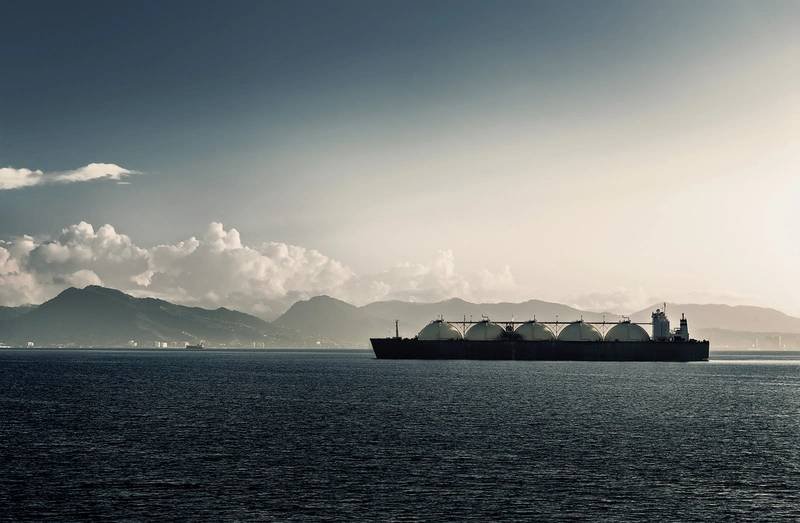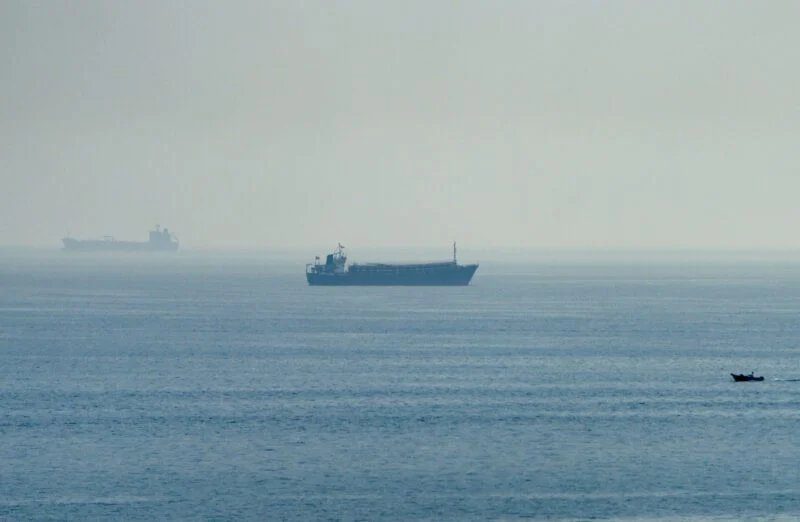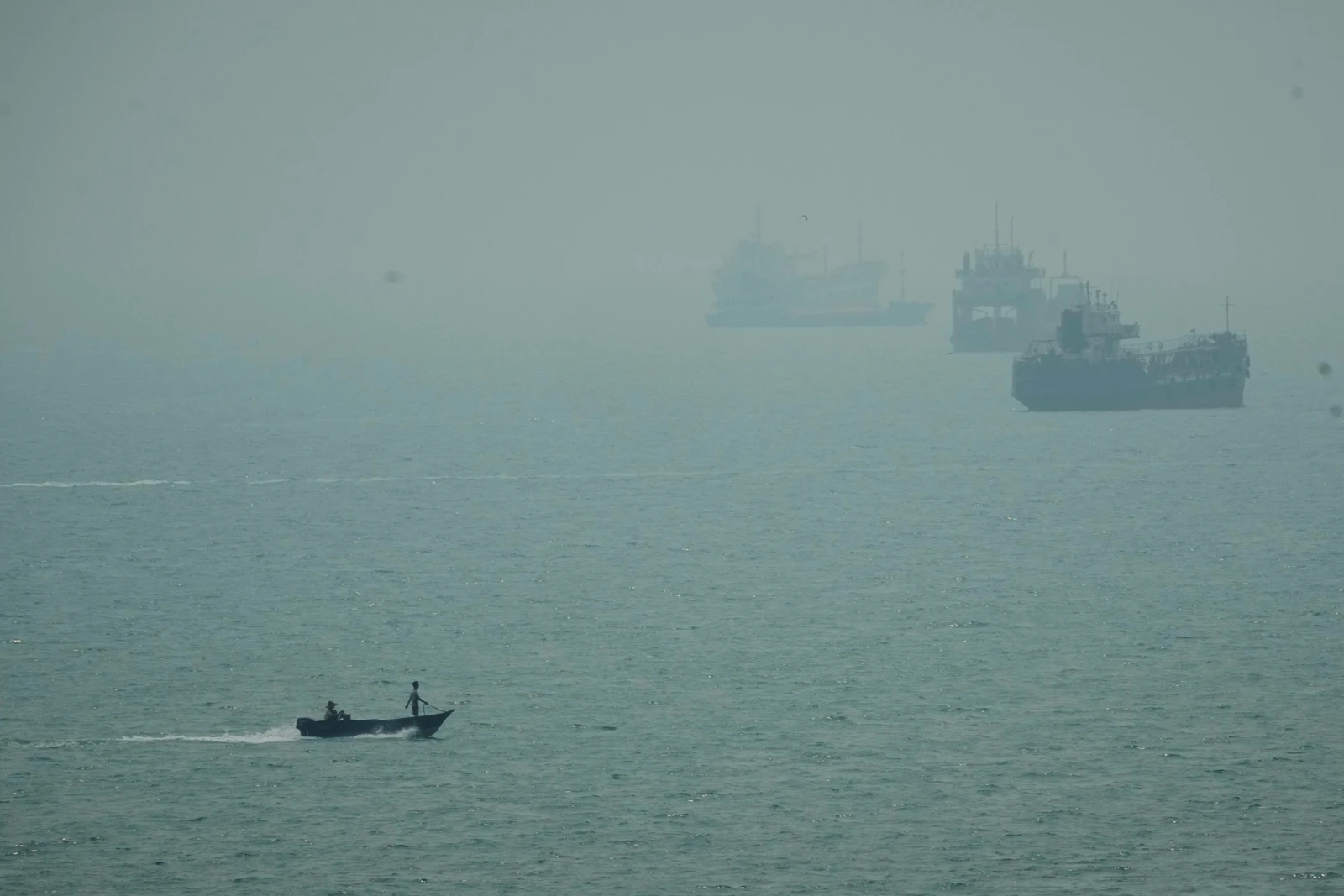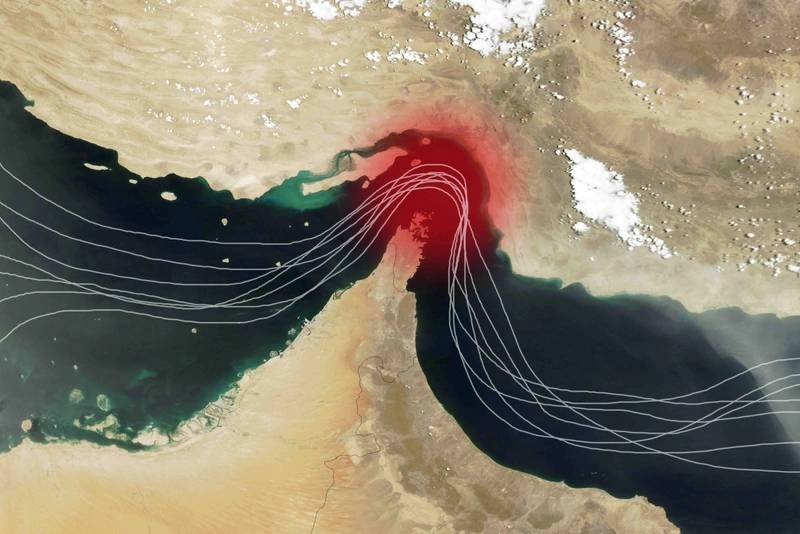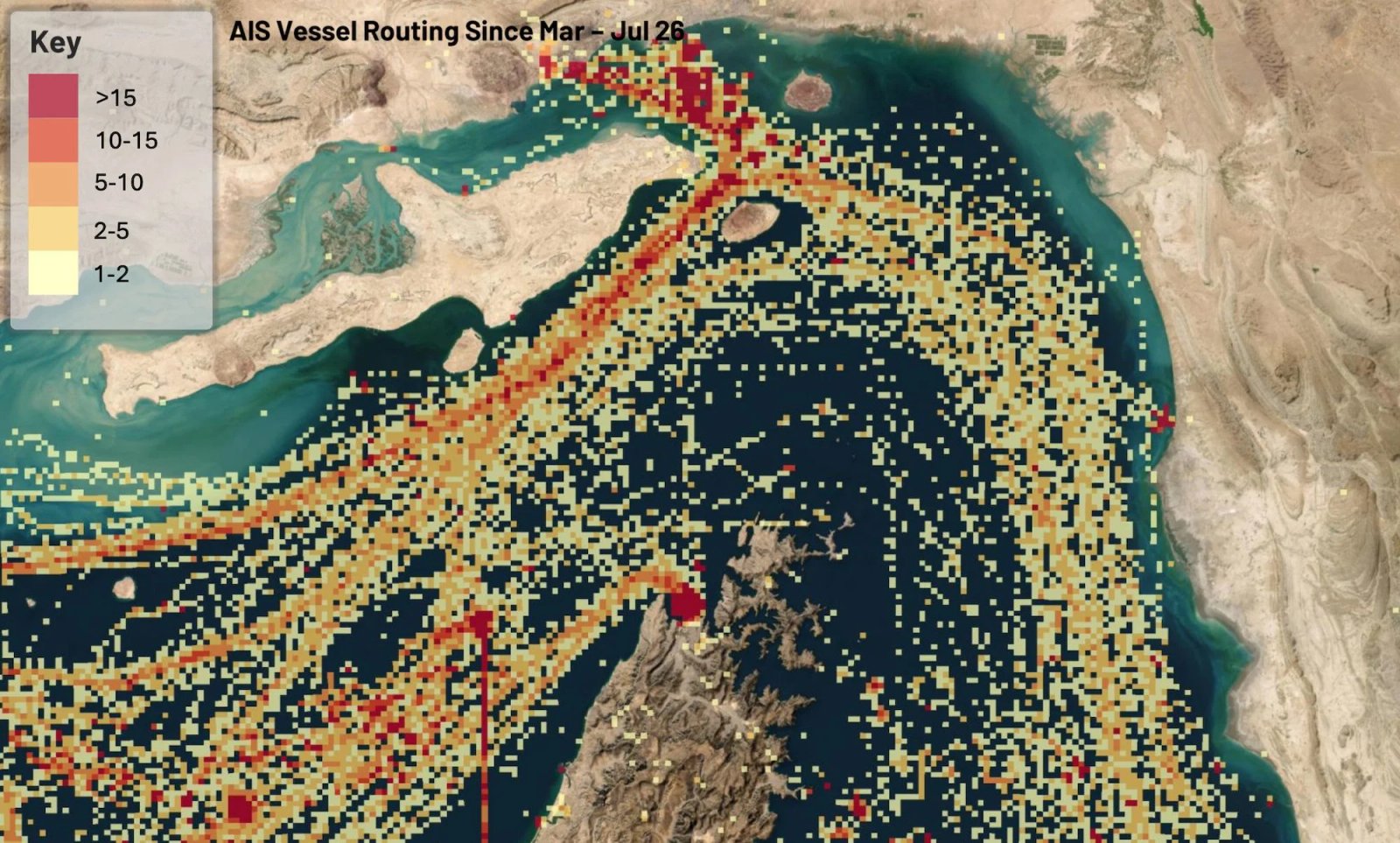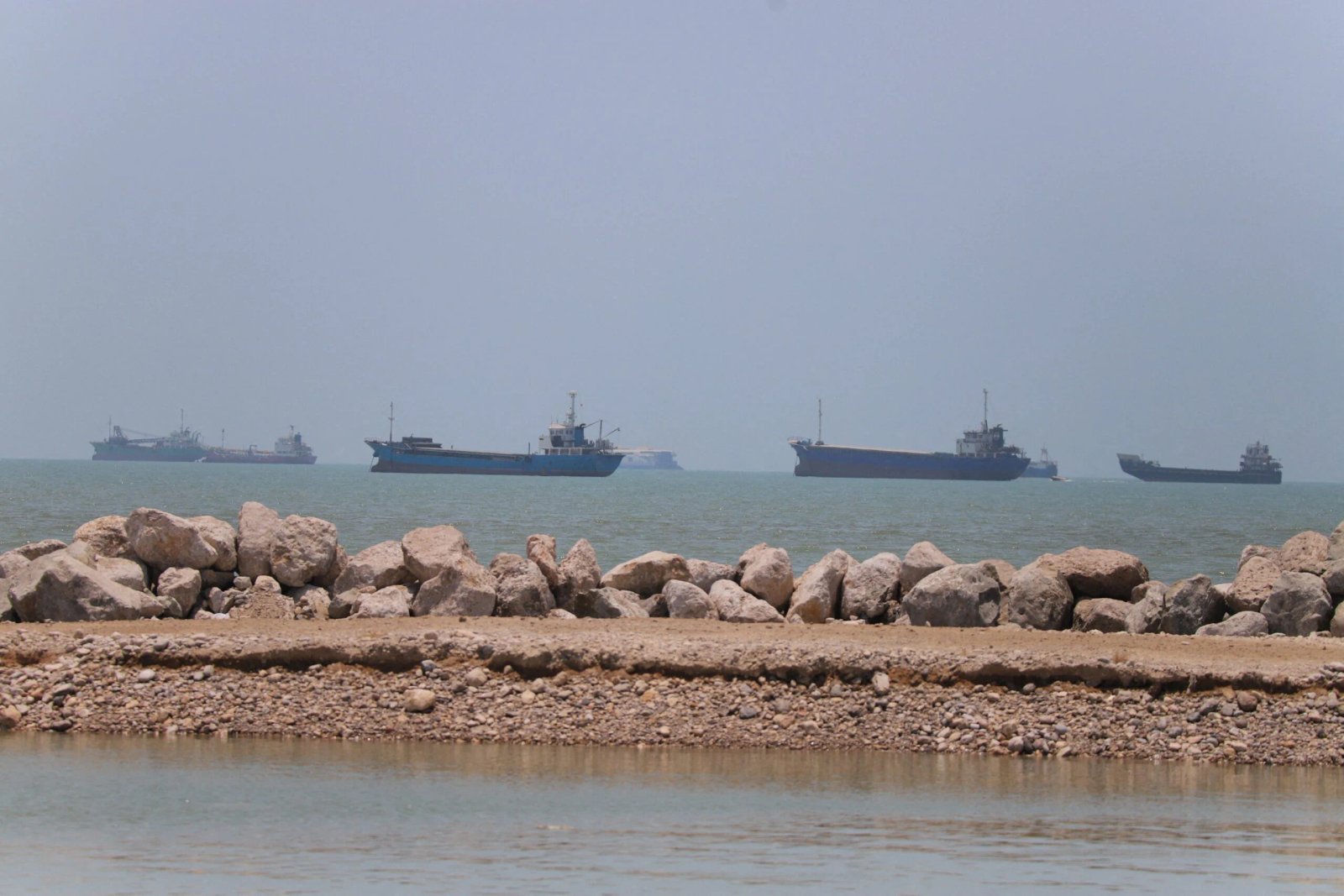
Traffic through the Strait of Hormuz has resumed for the first time following recent Iranian attacks on ships in the area, with operators increasing the number of crude tankers entering the Persian Gulf. On Monday, approximately 24 commodity vessels, including oil and liquefied natural gas carriers, transited the strait in both directions, continuing into Tuesday with the re-appearance of a supertanker alongside several smaller ships. Collectively, these tankers have the capacity to carry around 11 million barrels of crude oil, signifying a boost in shipowners’ confidence in navigating the waterway.
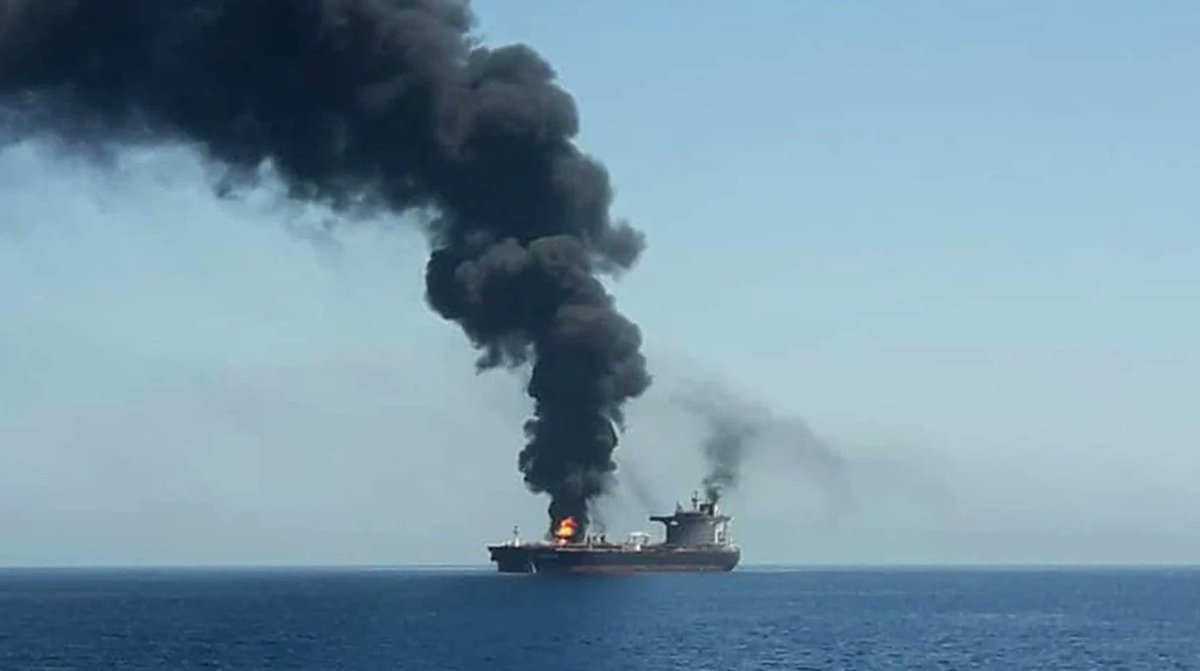
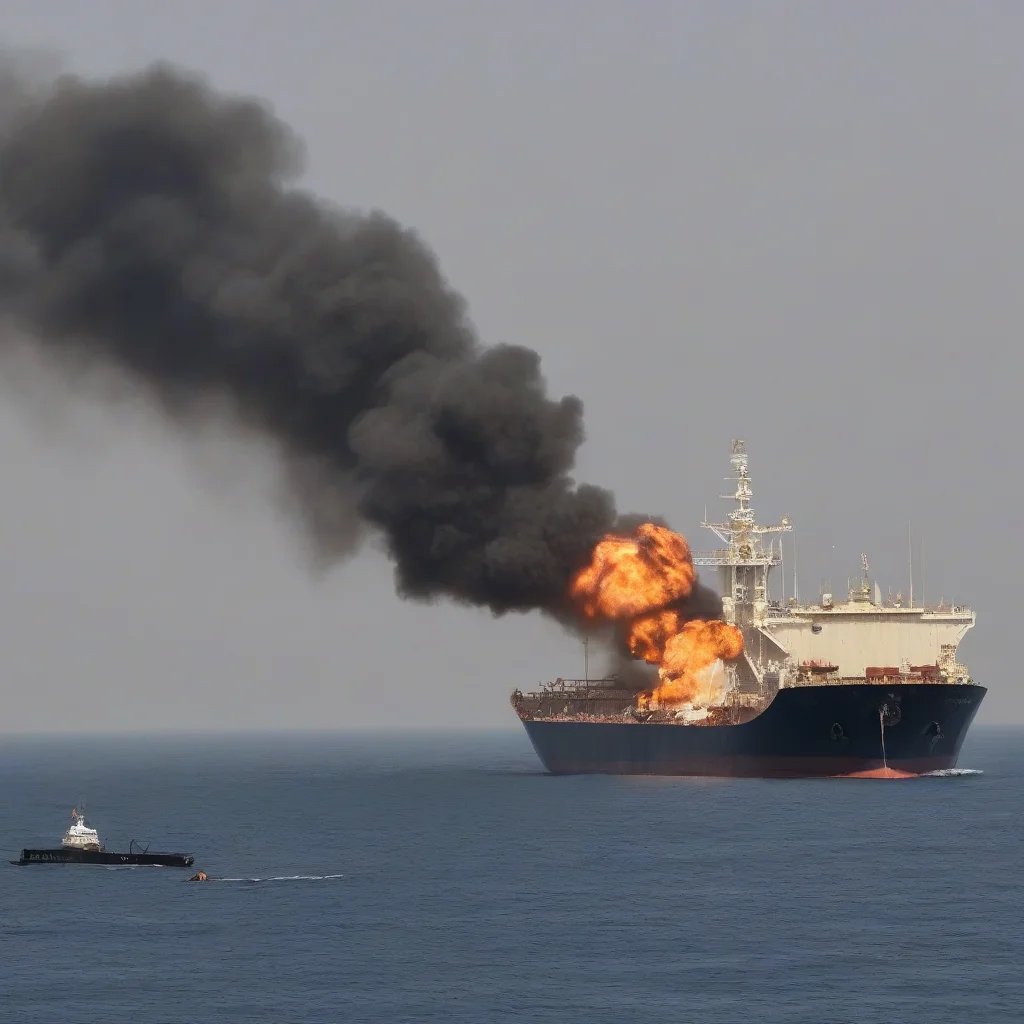
The number of vessels passing through Hormuz had declined dramatically after an initial attack on a container ship earlier last week. In response to these provocations, the U.S. launched fresh strikes on Iranian targets, although both nations agreed to suspend hostilities as peace talks were set to begin. Stakeholders, including shipowners and investors, are closely monitoring the return of tankers to the Gulf, which is vital for regional oil production.
Several of the vessels entering the Gulf include supertankers from South Korea’s Sinokor, which indicated their ongoing route along Oman’s coast. Additionally, a 2026-built Suezmax owned by a Greek operator has signaled its first entry since the conflict started, currently awaiting instructions off Ras Al-Khaimah in the UAE. Notably, the Saudi-controlled very large crude tanker, the Nisalah, has also made an inbound transit near the largest Saudi refinery, further underscoring the recovery of maritime activity in the region.