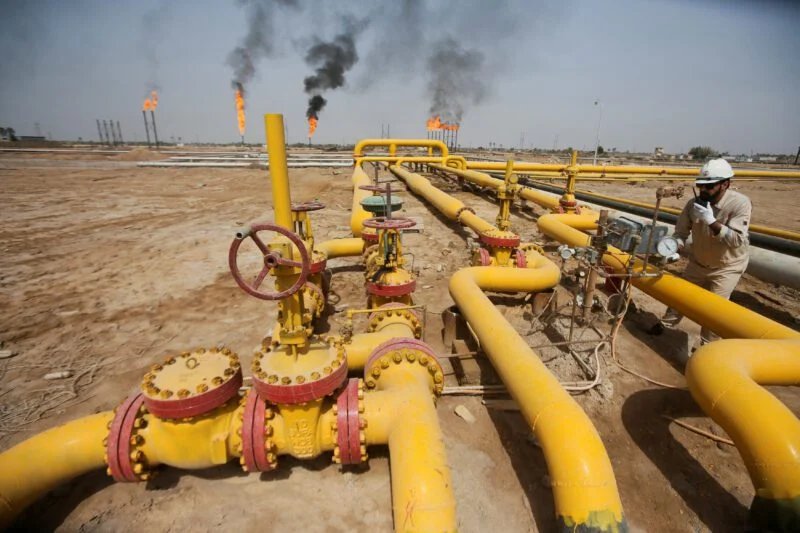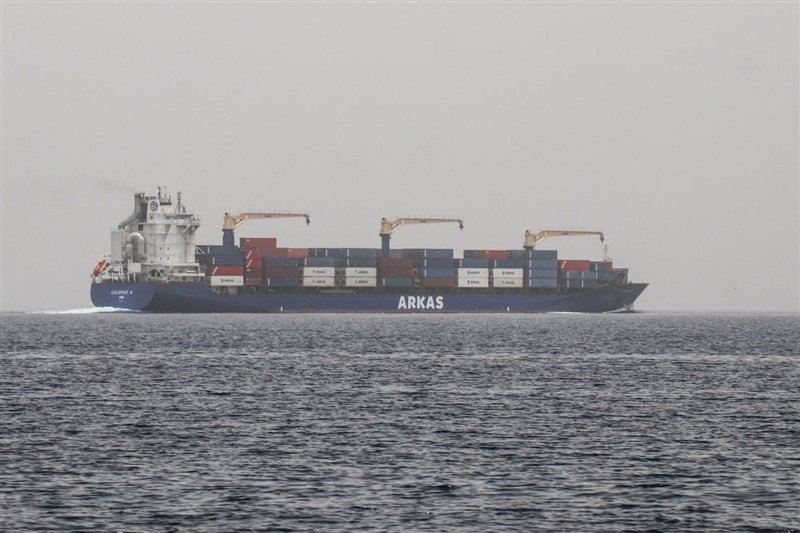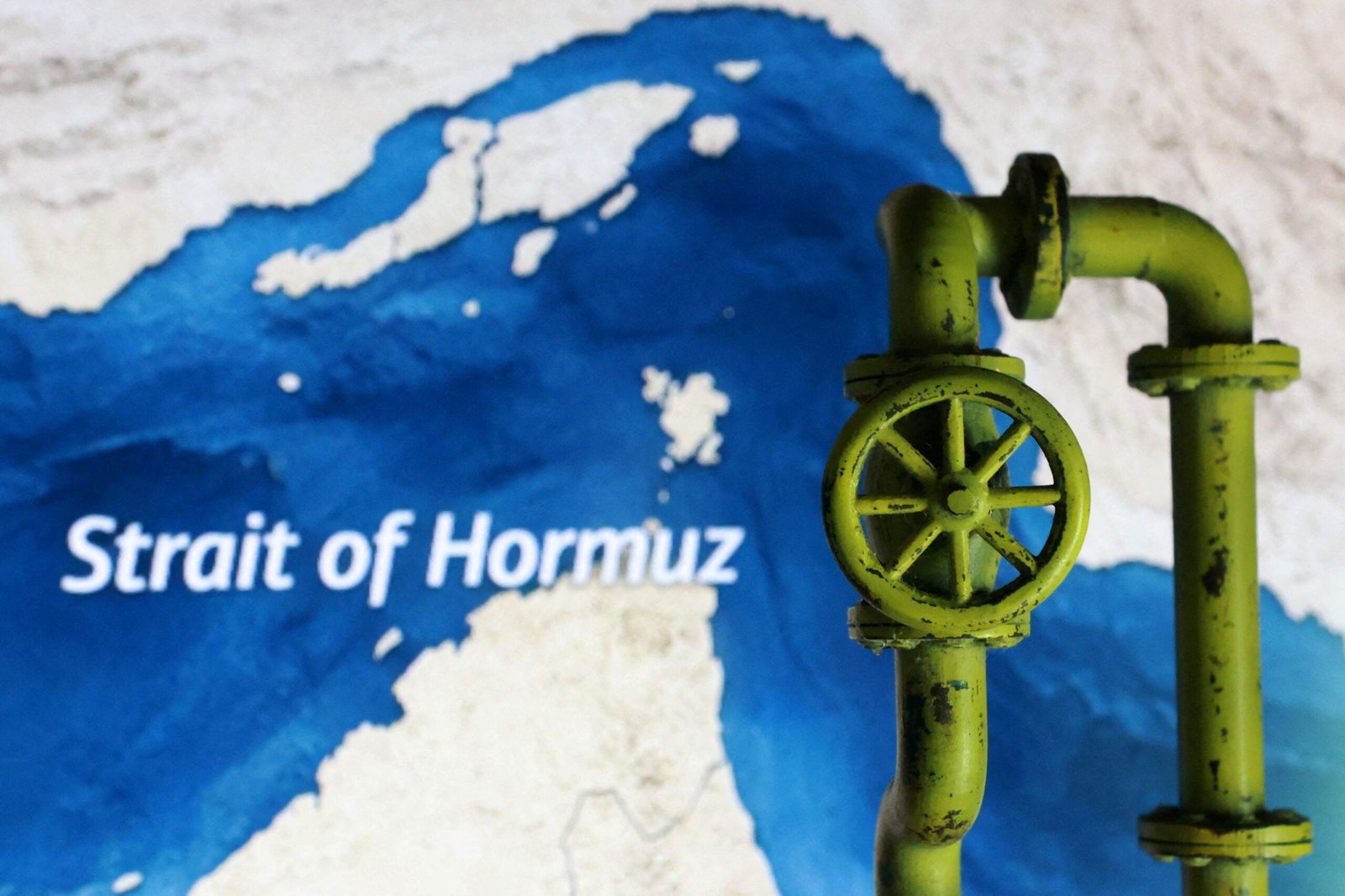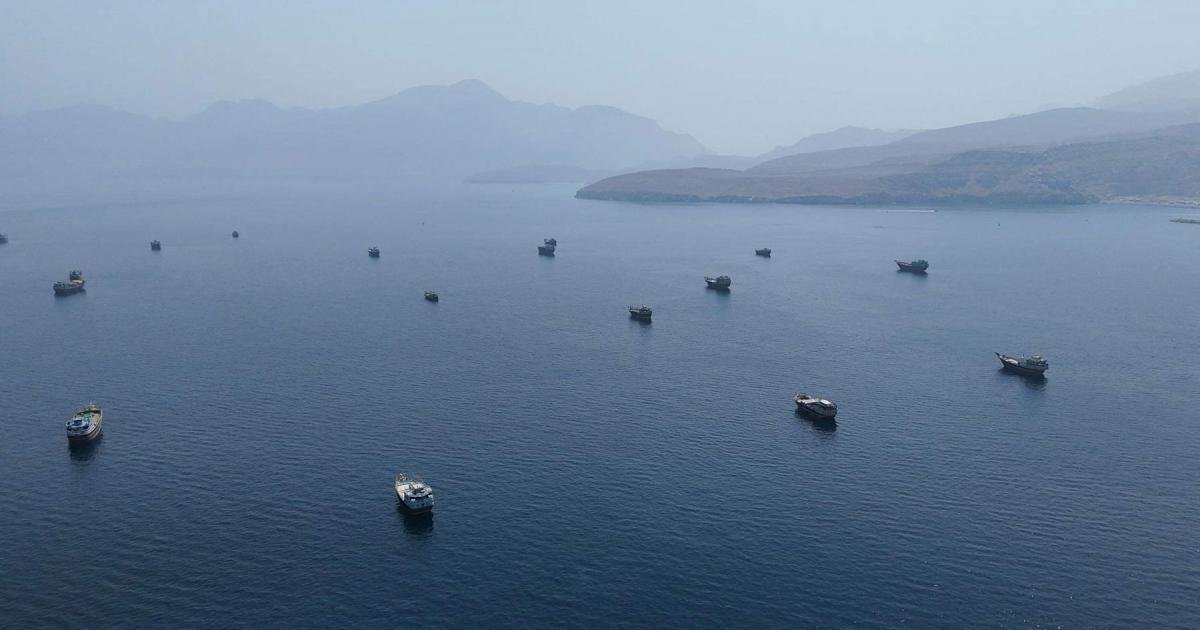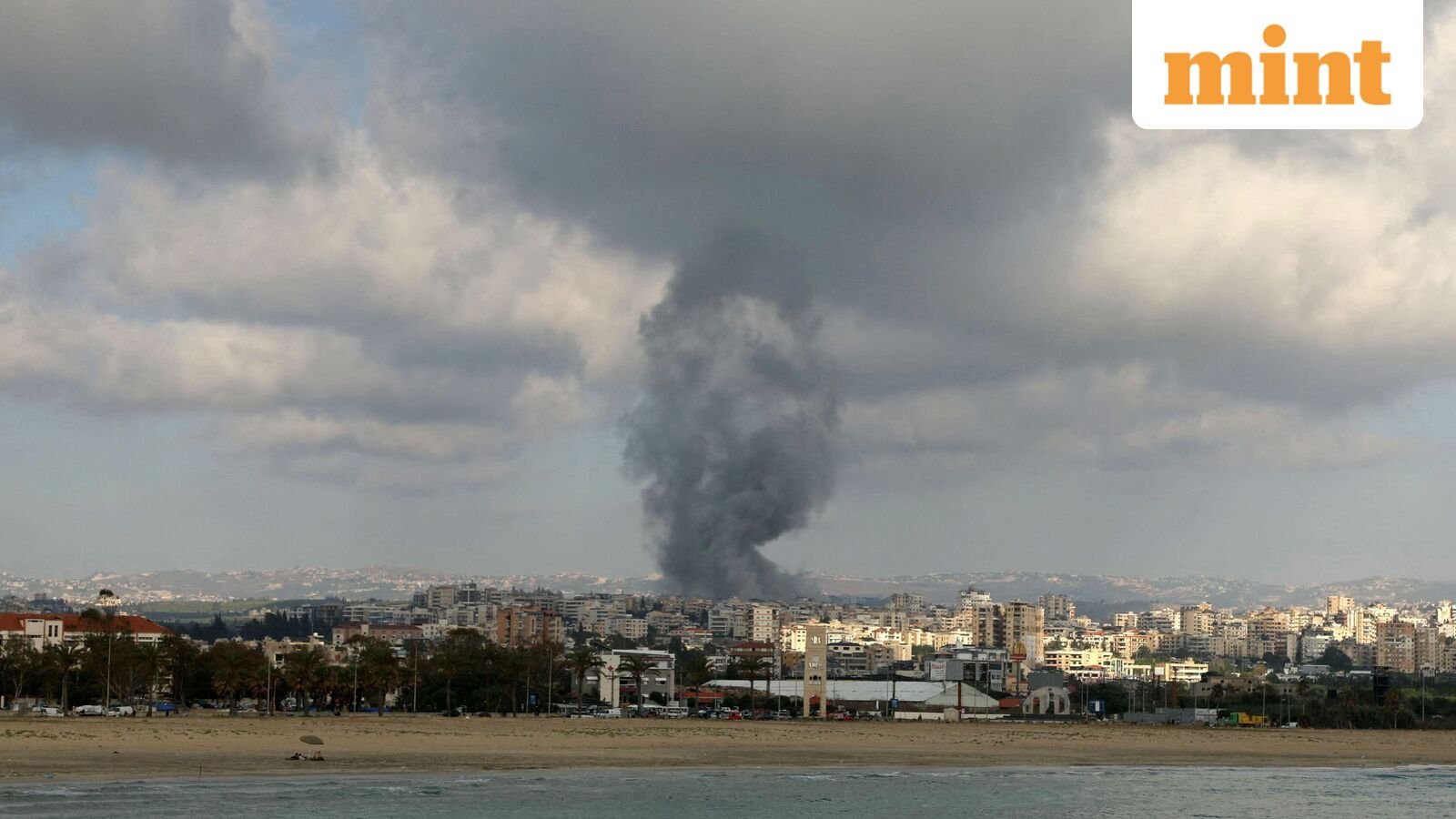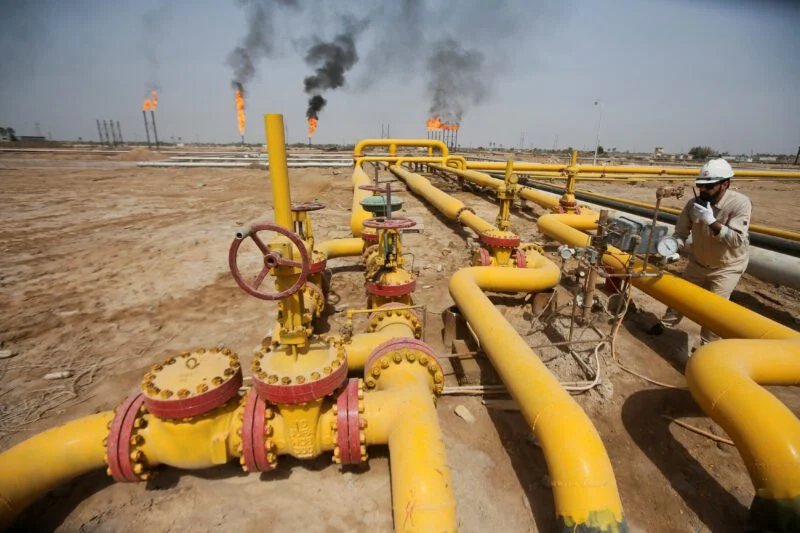
Oil prices have continued to decline amid indications that supply disruptions in the Middle East are likely to ease, as Saudi Arabia works to resume operations along its crucial East-West pipeline. Following a 2.7% drop on Wednesday, Brent crude was trading near $102 a barrel, while West Texas Intermediate fell below $100. After halting the East-West pipeline due to drone strikes, Saudi Arabia plans to restore around half of its capacity in the coming days. Additionally, the kingdom is boosting oil sales to Asian refineries near the Strait of Hormuz.
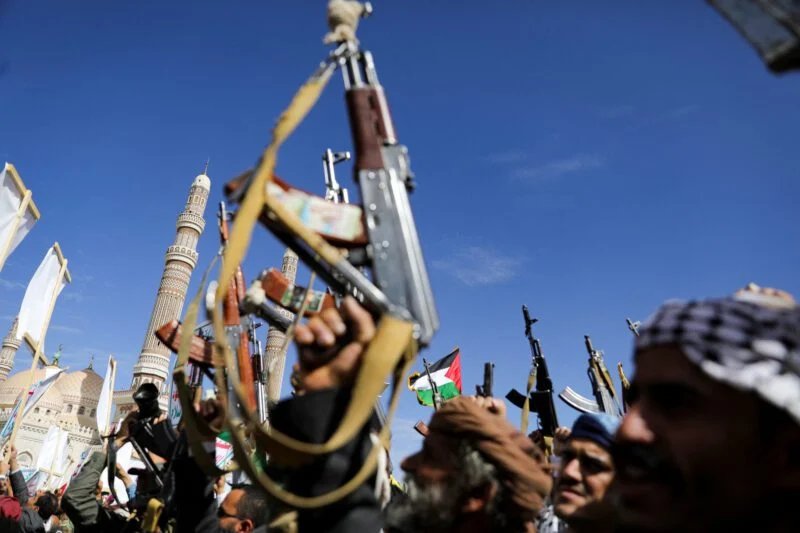
Despite these developments, the geopolitical landscape remains volatile. Continued conflicts, particularly the US-Iran war and the ongoing strife from the Russia-Ukraine conflict, pose challenges to Middle Eastern energy flows. Attention is particularly focused on Yemen’s Houthi militants, who are advancing toward the pivotal Bab el-Mandeb Strait and increasing attacks on Saudi oil interests. Traders noted that while the East-West pipeline’s partial reopening is bearish for crude prices short-term, underlying supply risks persist.
The recent declines in oil prices can also be attributed to profit-taking after a stretch of sustained gains. Historical highs in crude prices have fueled inflation concerns, prompting the Federal Reserve’s recent interest rate hike. Nevertheless, some analysts see current prices as an opportunity for investment in crude and refined products, highlighting the ongoing supply risks associated with the geopolitical situation. Meanwhile, the US Congress has granted President Trump powers to impose tariffs on countries purchasing Russian oil, a move welcomed by Ukrainian officials amid their ongoing conflict with Russia.