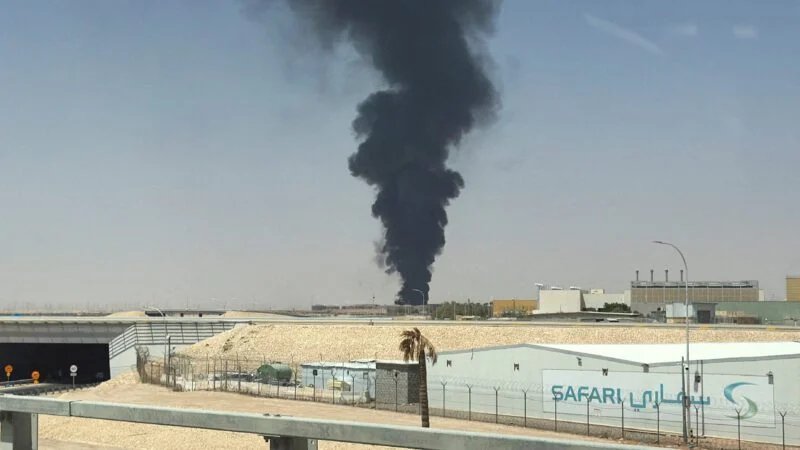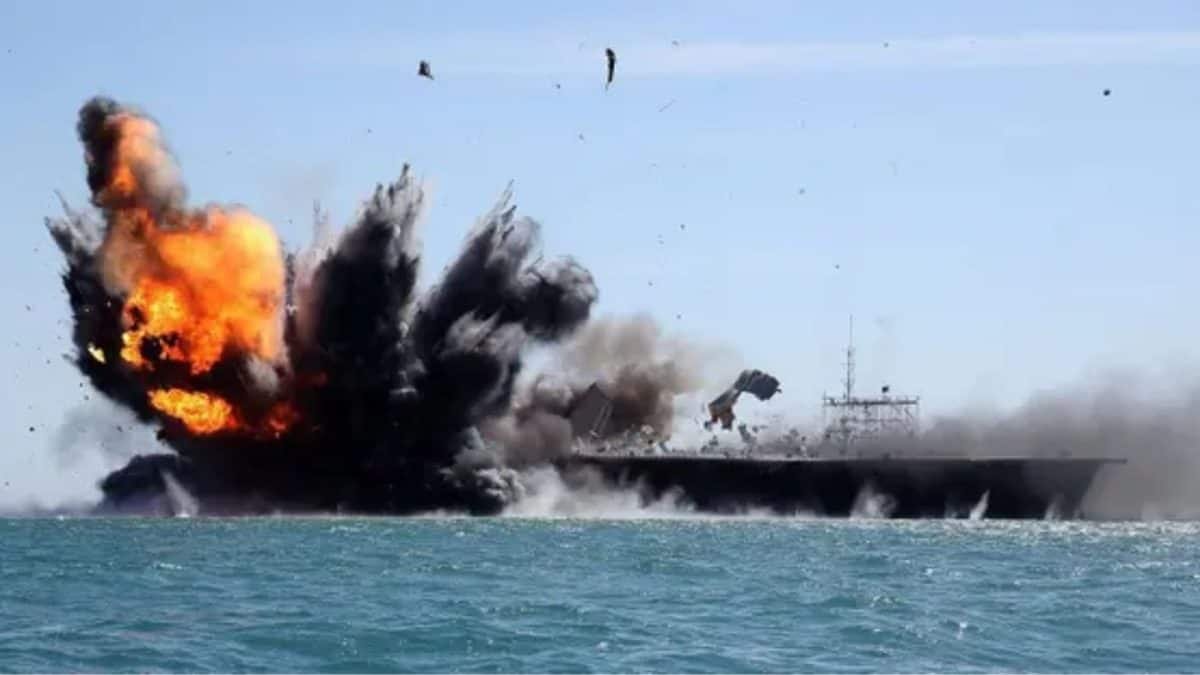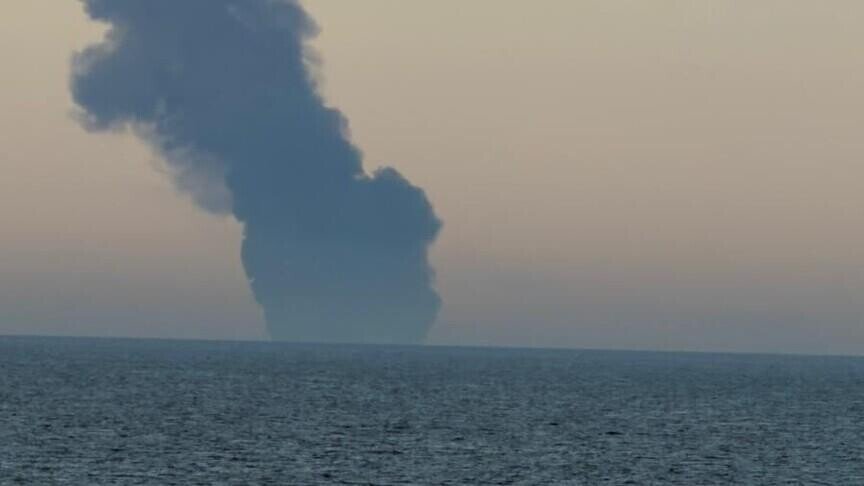
Oil prices surged to multi-week highs on Tuesday following attacks on Saudi energy facilities by Iran-backed Houthis and Iran’s threats of “economic warfare” against the U.S. Brent crude futures rose by $2.00 to $99.00 a barrel, while U.S. West Texas Intermediate (WTI) crude increased by $2.93 to $94.41. This marks the highest prices for Brent since July and WTI since June.
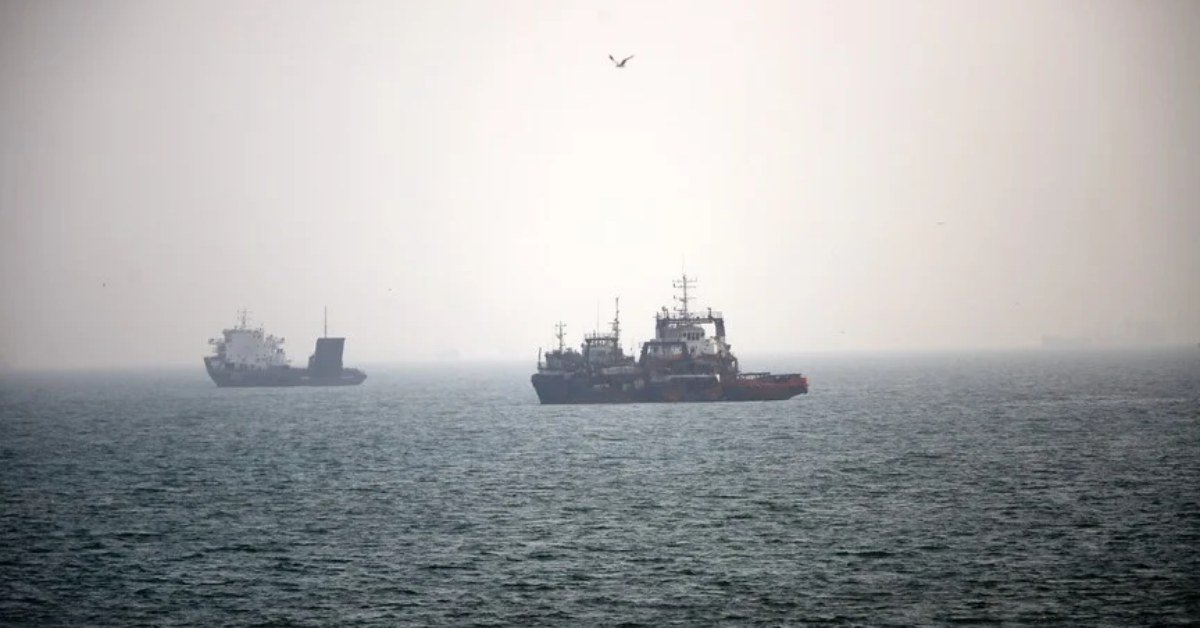
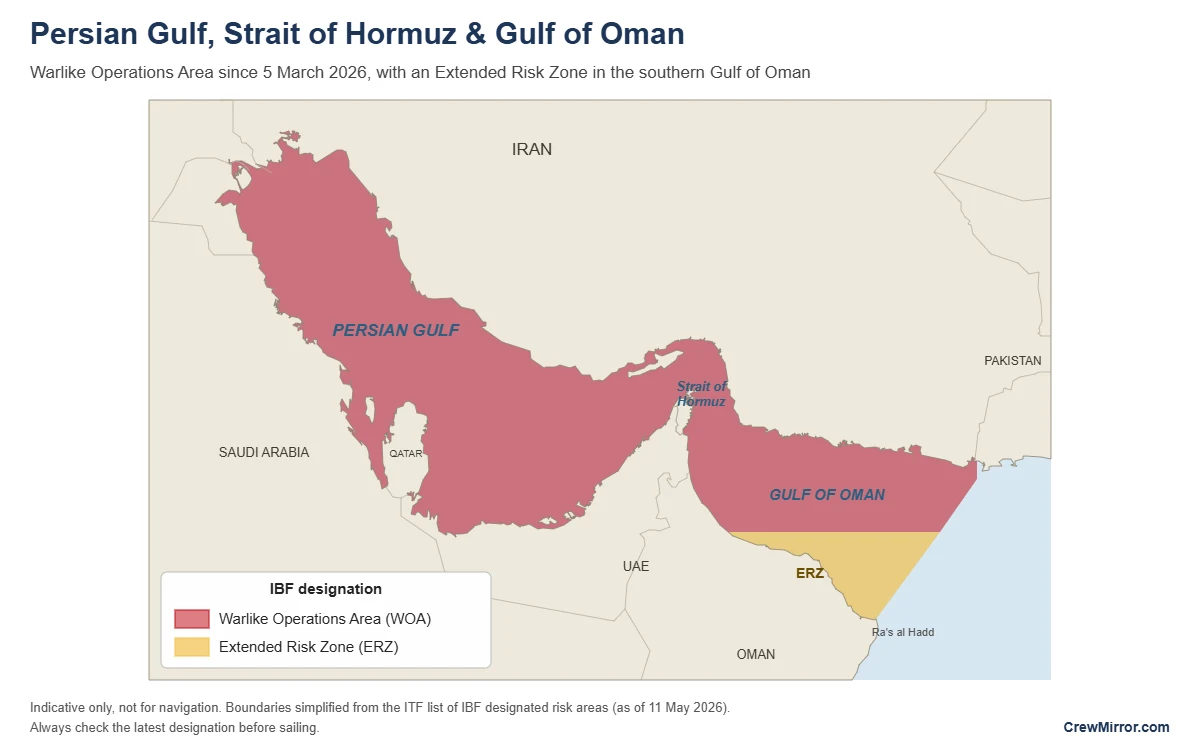
Analysts attribute the price rise to both physical supply constraints and heightened geopolitical risks, particularly due to reduced tanker flows through the Strait of Hormuz. Tim Waterer, chief market analyst at KCM Trade, noted that the current risk premium is significantly influencing prices, suggesting that oil will likely remain high as tensions persist.
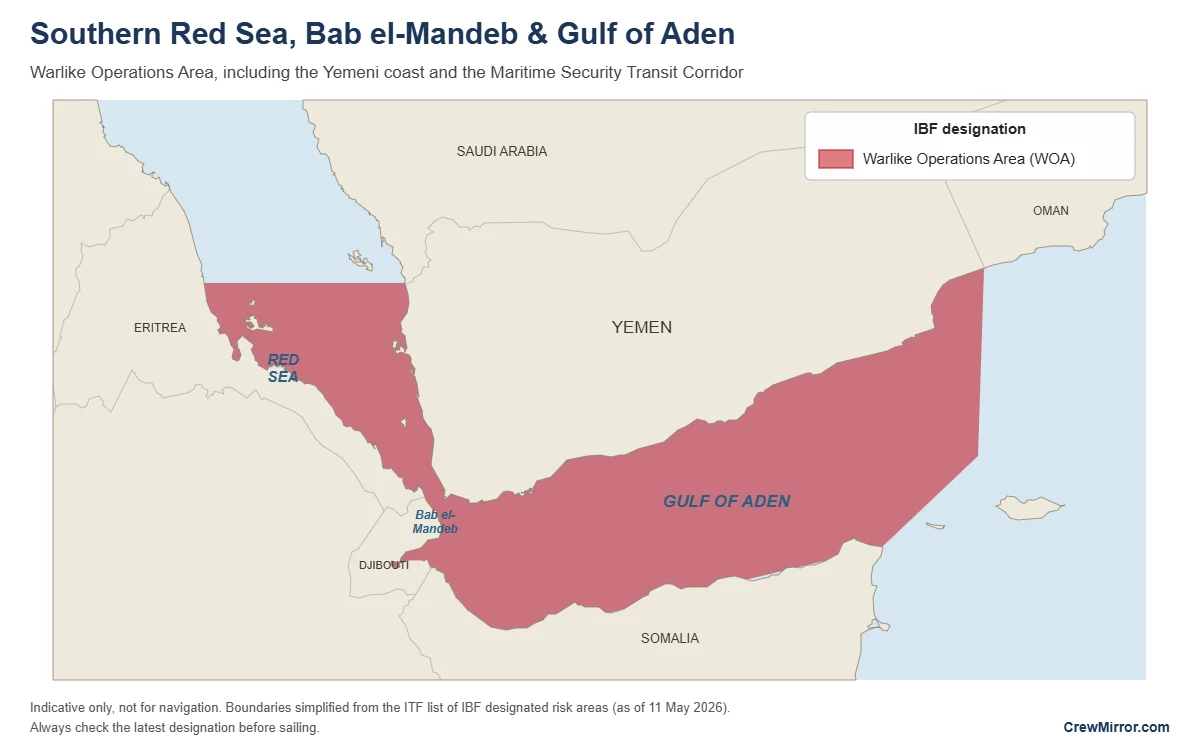
The attacks in Saudi Arabia, which resulted in 73 injuries, are seen as a dangerous escalation in the ongoing conflict. Additionally, Iran has threatened to retaliate against U.S. military actions, further complicating the situation. Goldman Sachs has adjusted its oil price forecasts, anticipating continued disruptions in Middle Eastern shipping into 2027, while tight diesel supplies are expected due to limited refining capacity and seasonal demand pressures.