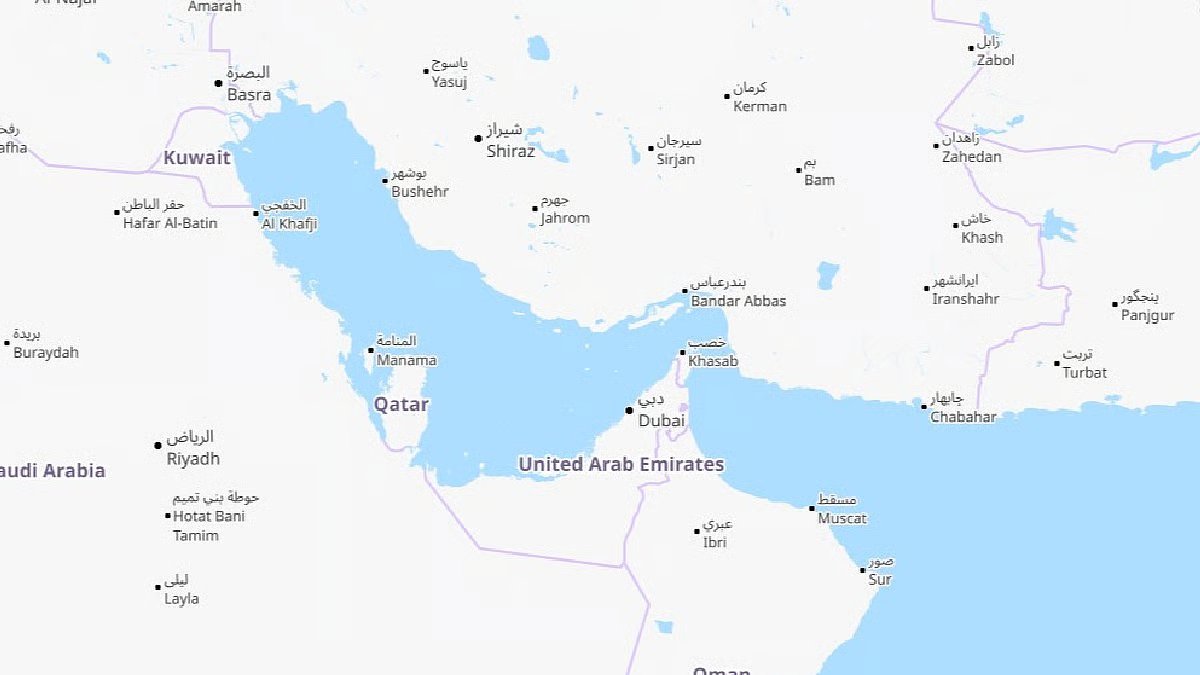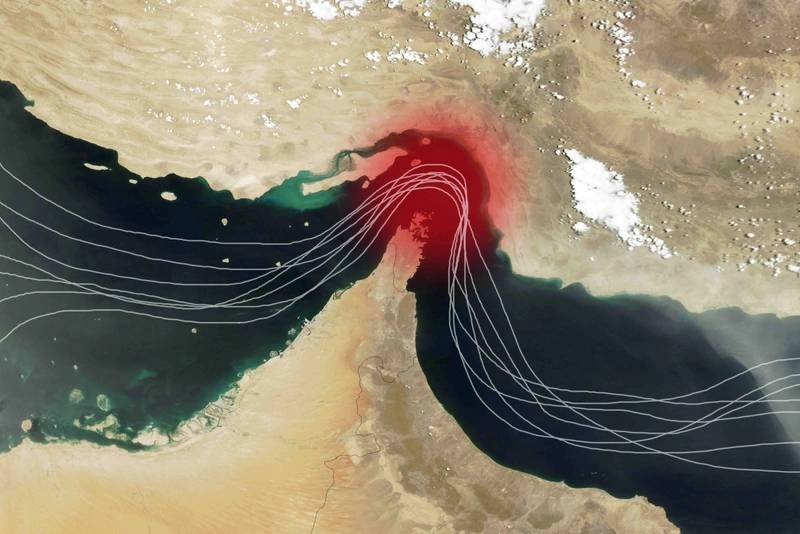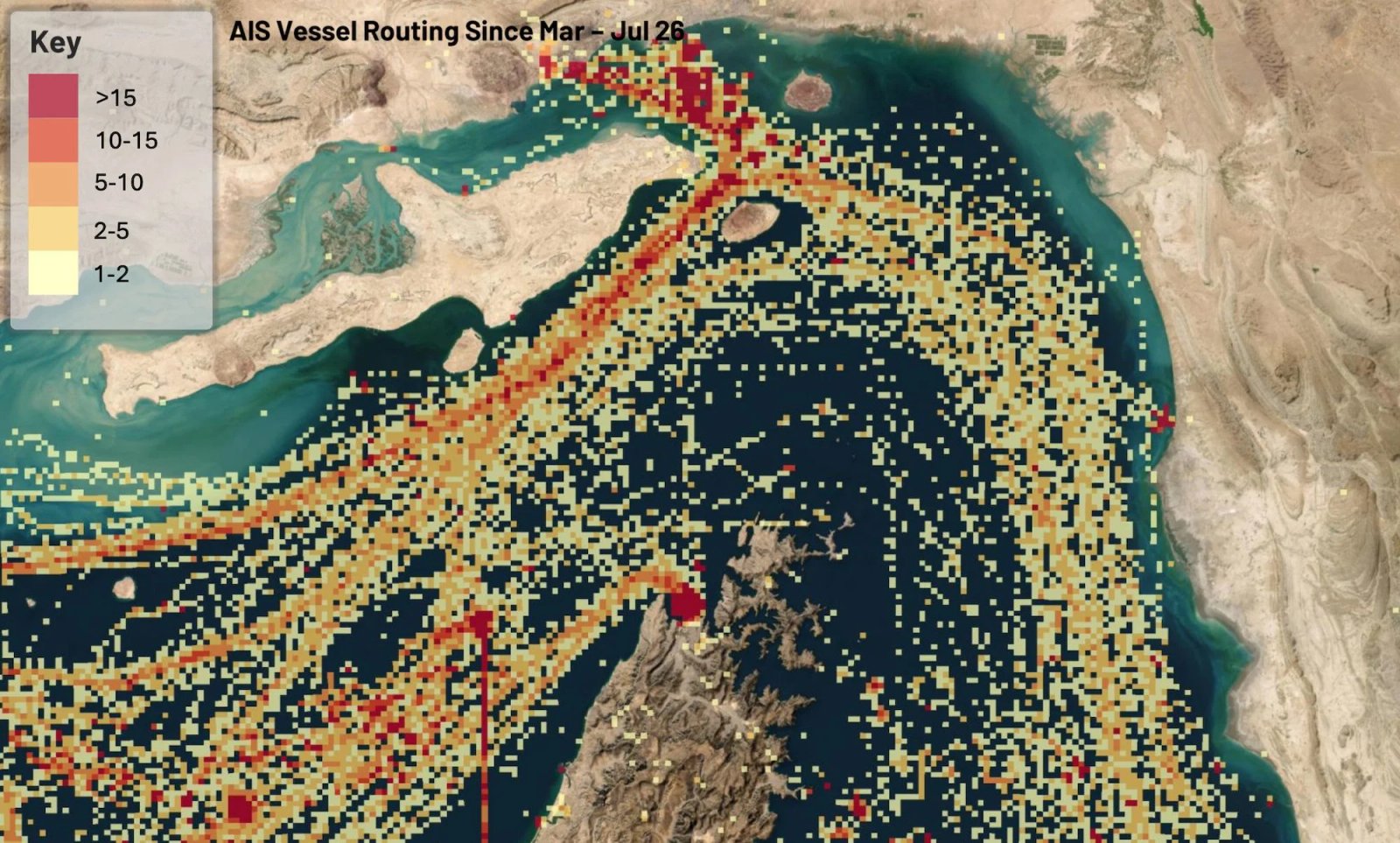
Oman has informed European officials that returning to the pre-war conditions in the Strait of Hormuz is not feasible. Consequently, ships transiting the strait may incur fees. While Omani representatives insist they will adhere to international maritime law, they suggest that potential charges could arise for navigation assistance and environmental services. It’s still uncertain whether these fees will be mandatory.
The Sultanate is currently evaluating fee systems employed at global chokepoints, including the Malacca Strait, which does not impose mandatory shipping charges. Amid rising tensions, both the U.S. and European nations are concerned that Oman might establish a toll system in coordination with Iran for the Strait of Hormuz. French President Emmanuel Macron is set to meet with Omani leader Sultan Haitham bin Tariq to discuss security and ensure the uninterrupted passage of vessels.
Oman has conveyed mixed messages regarding its stance on the strait. Recently, it signed statements asserting opposition to tolls while simultaneously discussing operational costs with Iran, highlighting the delicate balancing act it navigates between maintaining ties with both the U.S. and Iran. As peace talks continue, Iran has indicated that conditions for ships may soon become subject to charges, raising concerns about potential unrest in maritime navigation.