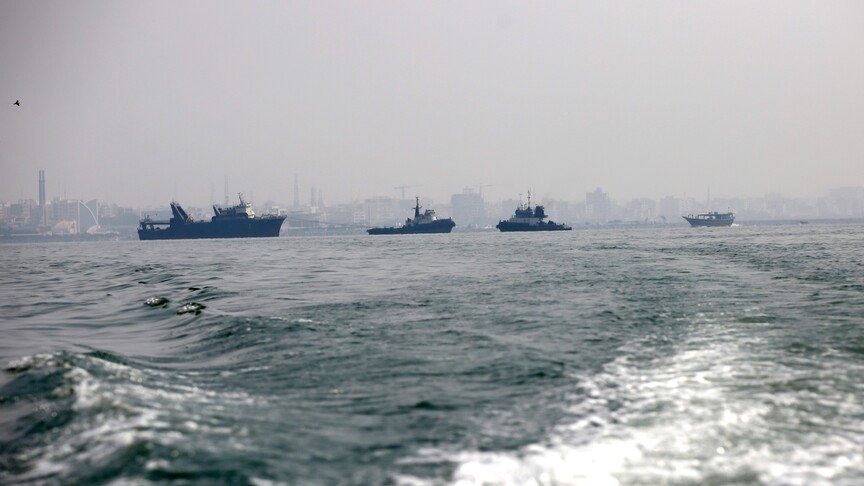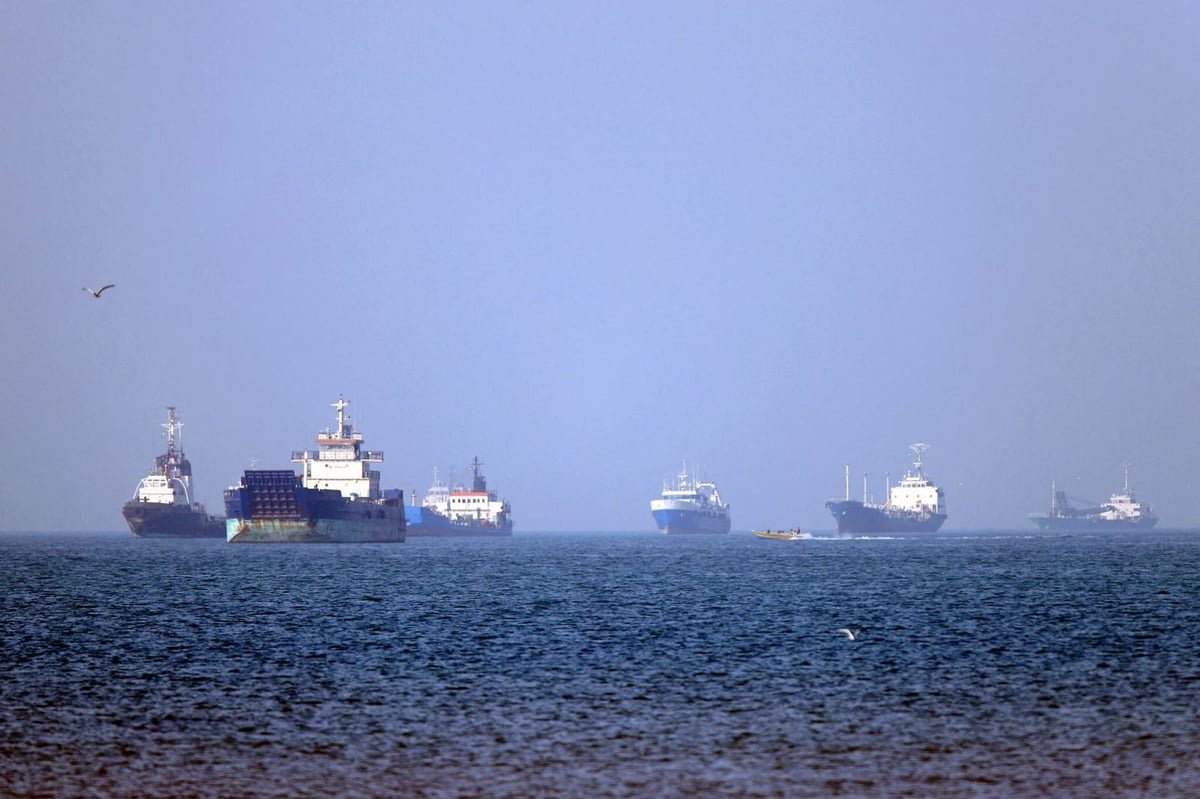
Saudi Arabia’s crude oil exports experienced a significant decline in August, falling to the lowest level recorded in almost nine years. Approximately 3 million barrels per day were exported, according to tanker-tracking data from Bloomberg, Vortexa, and Kpler, marking a notable drop since early 2017. This downturn coincides with increased attacks on Saudi vessels in the Red Sea by Yemen’s Houthi militants, resulting in hesitations from buyers reluctant to utilize the kingdom’s ports.
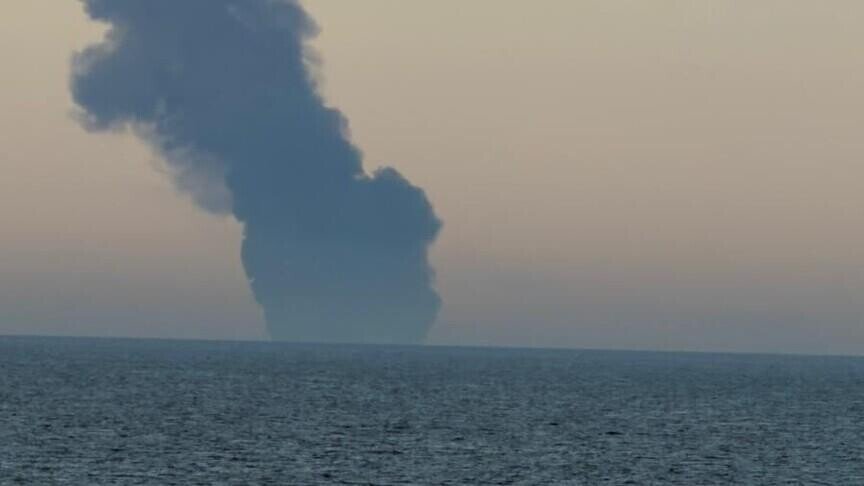
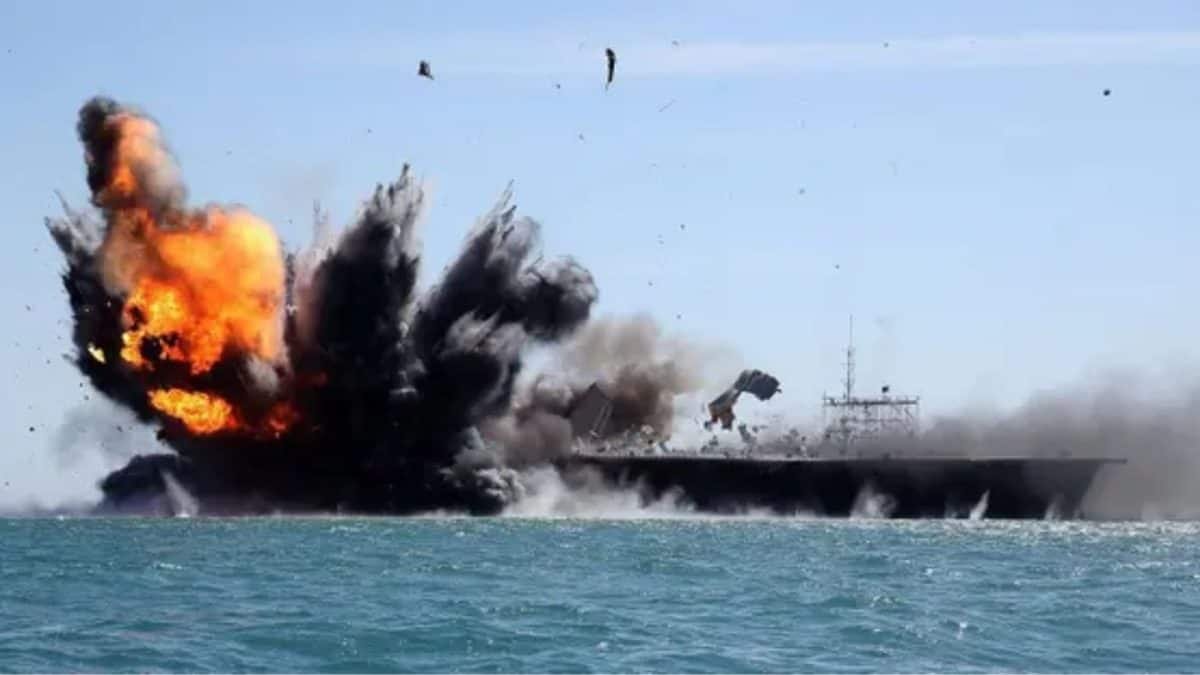
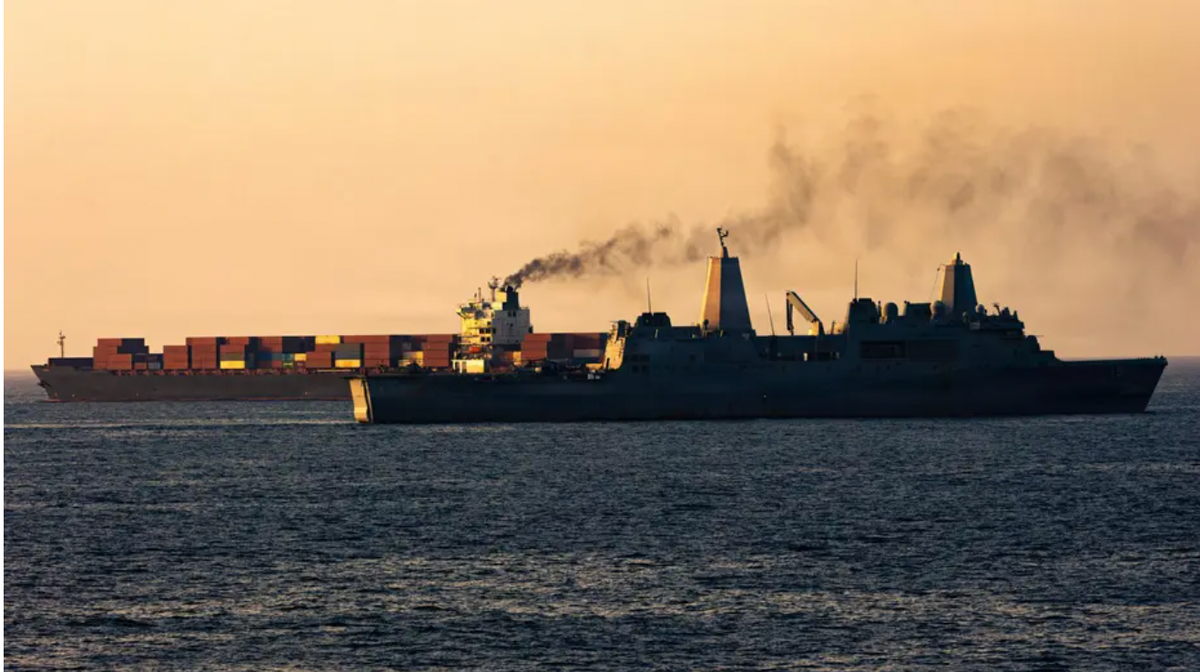
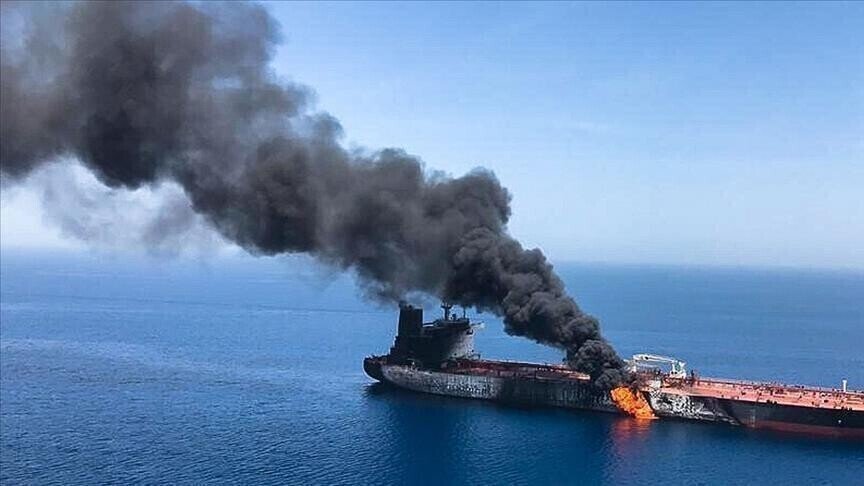
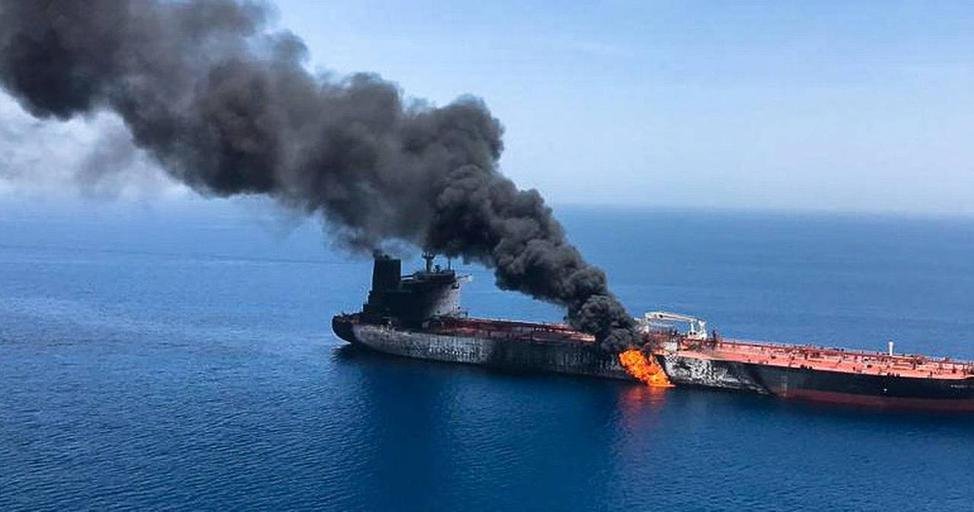
Recent hostilities escalated, as two Saudi oil tankers were struck by projectiles, including a vessel owned by the national shipping company Bahri, leading to the tragic death of two crew members. These ongoing assaults have compelled Saudi Arabia to explore different shipping routes, potentially around Africa, which could disrupt already strained global supply chains exacerbated by six months of ongoing conflict.
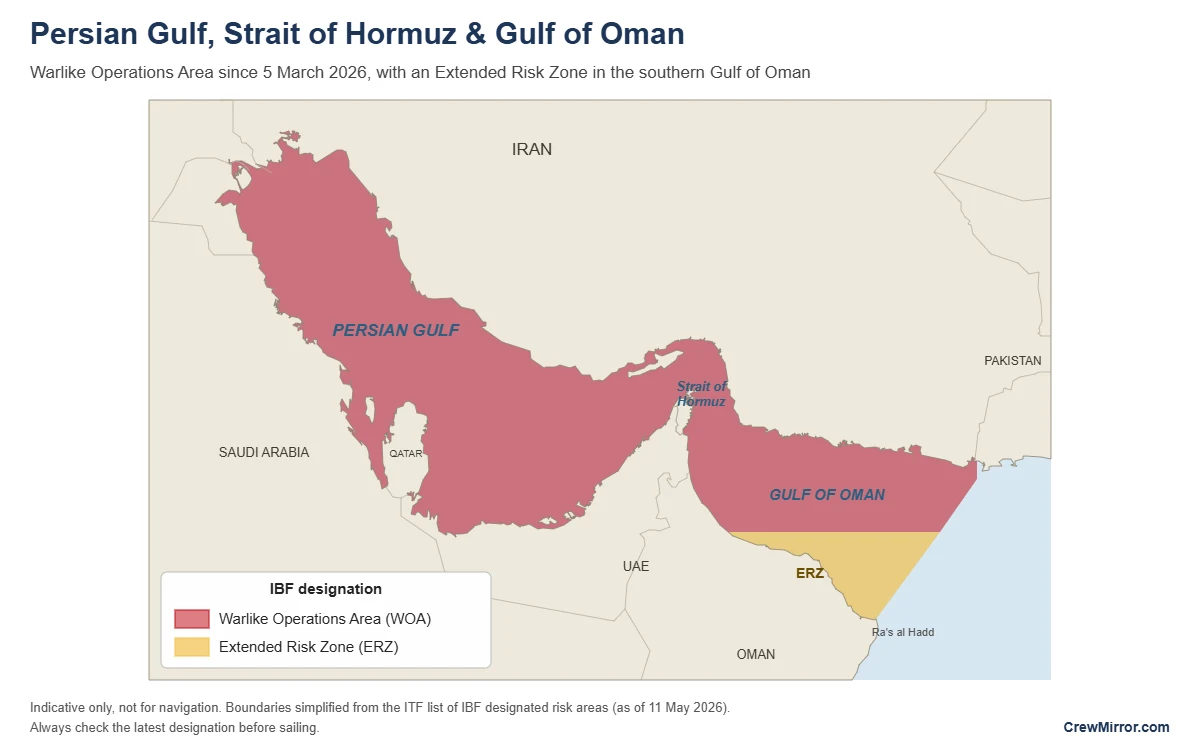
Despite quickly pivoting exports to the Red Sea after Iran’s activities in the Strait of Hormuz, recent attacks have affected delivery volumes substantially. Monthly exports through the major western port Yanbu saw a decrease, dropping from a high of around 4.3 million barrels daily in June to approximately 2.25 million last month. Although there were signs of increased activity at the Ras Tanura terminal, tensions heightened this week after U.S. military strikes in Iran, further influencing crude oil prices amid inflation concerns.