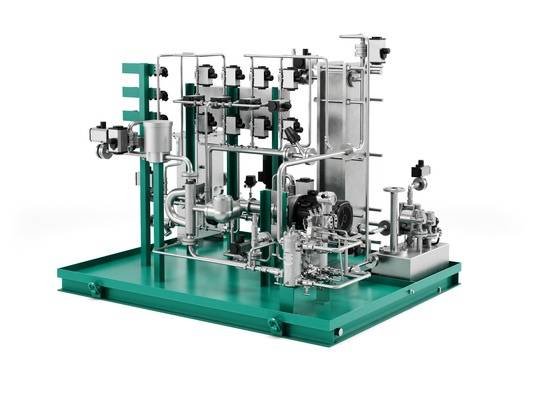
GEA unveiled its new methanol Fuel2Engine System at SMM 2026, integrating the GEA methanol Booster Unit and Valve Train to streamline the fuel supply process, from methanol processing to engine injection. This system is suitable for both newbuilds and retrofits, allowing shipyards and shipping companies to coordinate supply items effectively, which simplifies integration into various ship designs and reduces engineering efforts. GEA’s global presence, with production sites in Europe and Asia, supports operations throughout the system’s lifecycle.
A pilot project with German shipping company John T. Essberger will test this system in real-world conditions, providing a coordinated fuel handling solution for methanol-ready chemical tankers, with completion expected in fall 2026. This initiative aligns with John T. Essberger’s strategy for fuel flexibility, preparing vessels for future methanol operations while adapting to evolving fuel availability and regulations.
The GEA methanol Booster Unit ensures stable fuel supply by adjusting methanol to the required pressure and temperature for engine injection, while the Valve Train acts as a safety and control interface, meeting high maritime safety standards. Developed in collaboration with Everllence, the Valve Train is compatible with various engine types and certified by Det Norske Veritas (DNV).
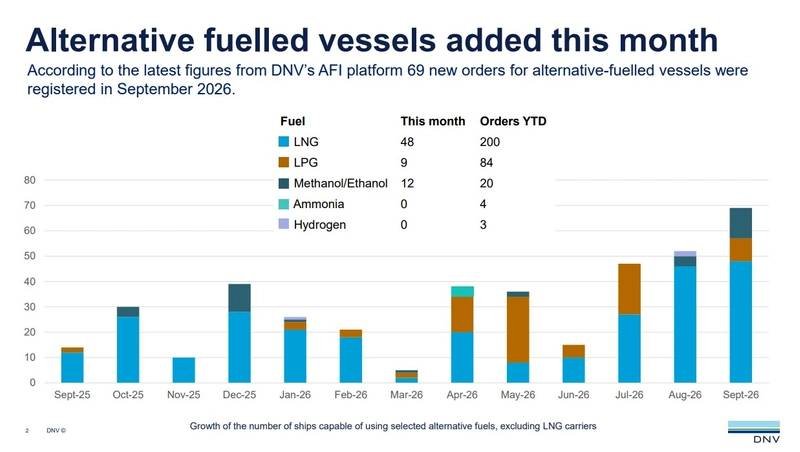
As the international shipping industry faces stricter emissions regulations, methanol is emerging as a viable alternative fuel despite its current small market share. With over 450 methanol-capable ships listed by DNV, the technology is gaining traction. Methanol’s ease of storage and potential for decarbonization, particularly with green sources, positions it favorably for future shipping needs. However, effective fuel handling systems, like GEA’s Fuel2Engine, are crucial for ensuring safe and reliable operations.