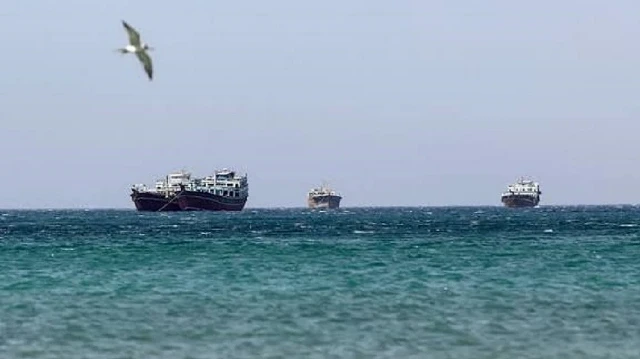
Political dynamics and maritime disruptions are significantly affecting trade in the Middle East, according to Richard Meade, editor-in-chief of Lloyd’s List. The ongoing conflict between the U.S. and Iran, now entering its 173rd day, has led to heightened tensions and economic pressures, with U.S. President Donald Trump threatening repercussions for nations aiding Iran. Analysts, such as Dina Arakji of Control Risks, suggest that a resolution is unlikely soon, as Iran employs a strategic approach that seeks to create economic stress on U.S. consumers amid rising energy prices.
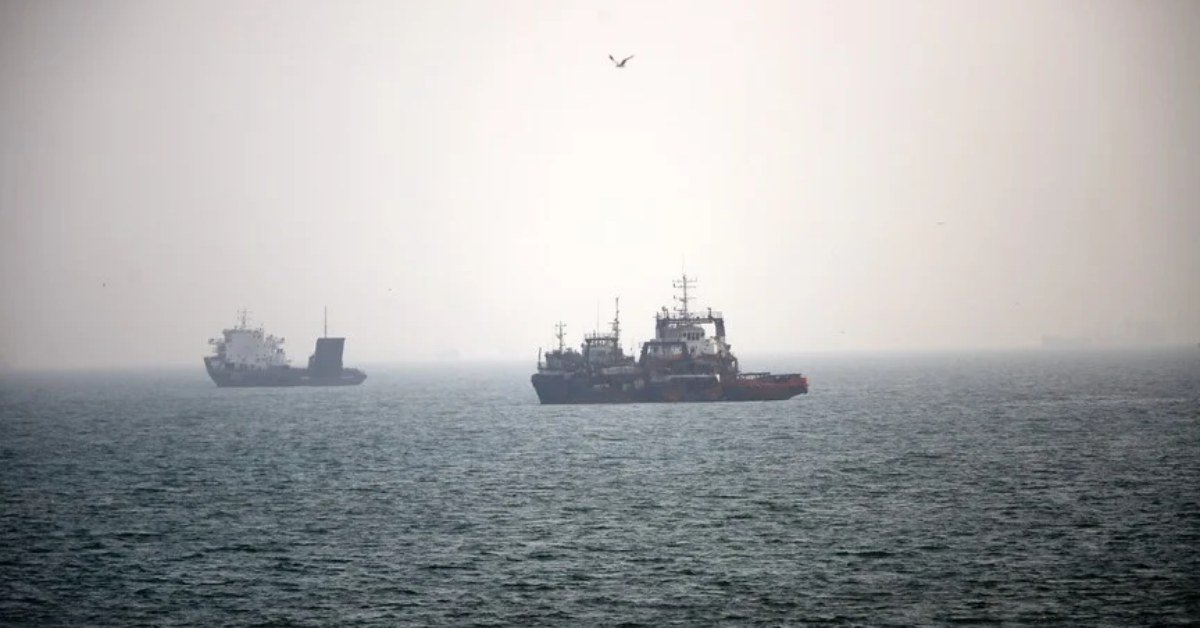
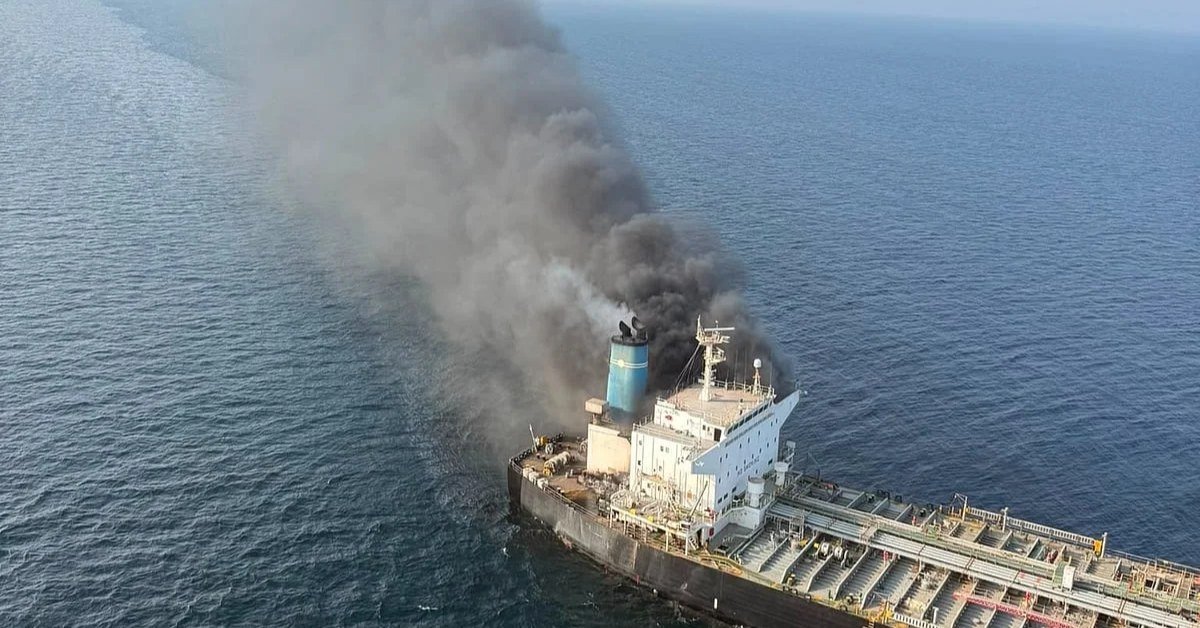
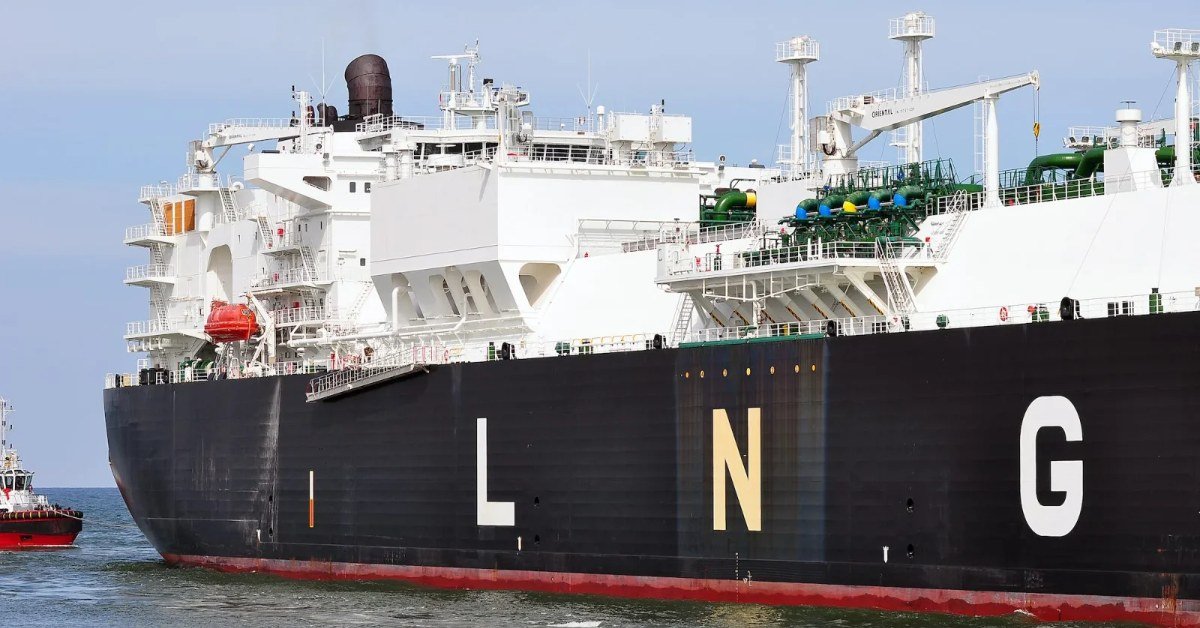
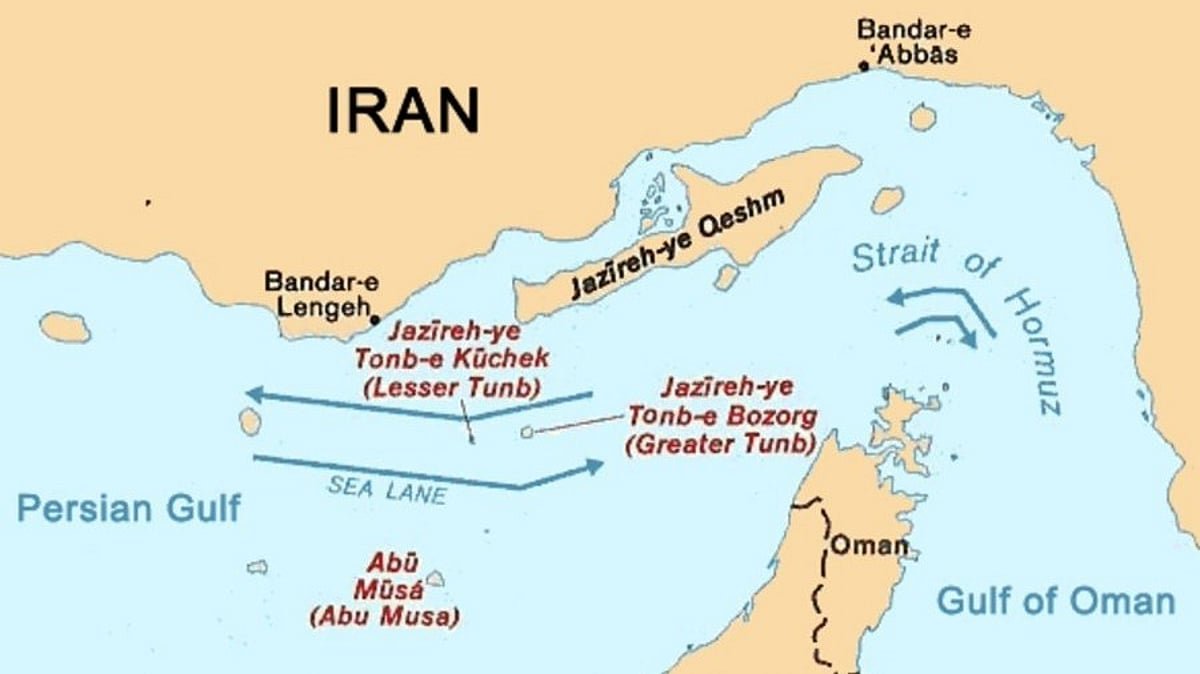
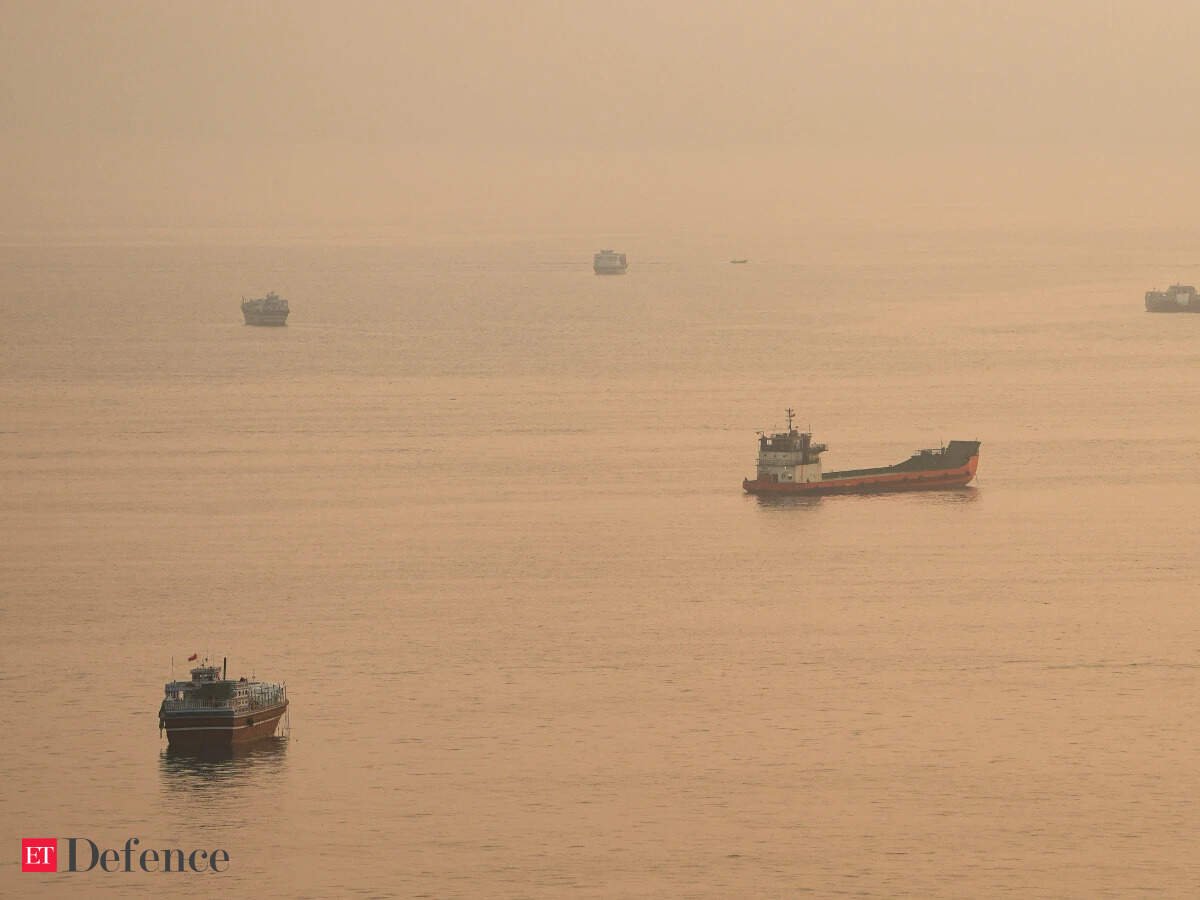
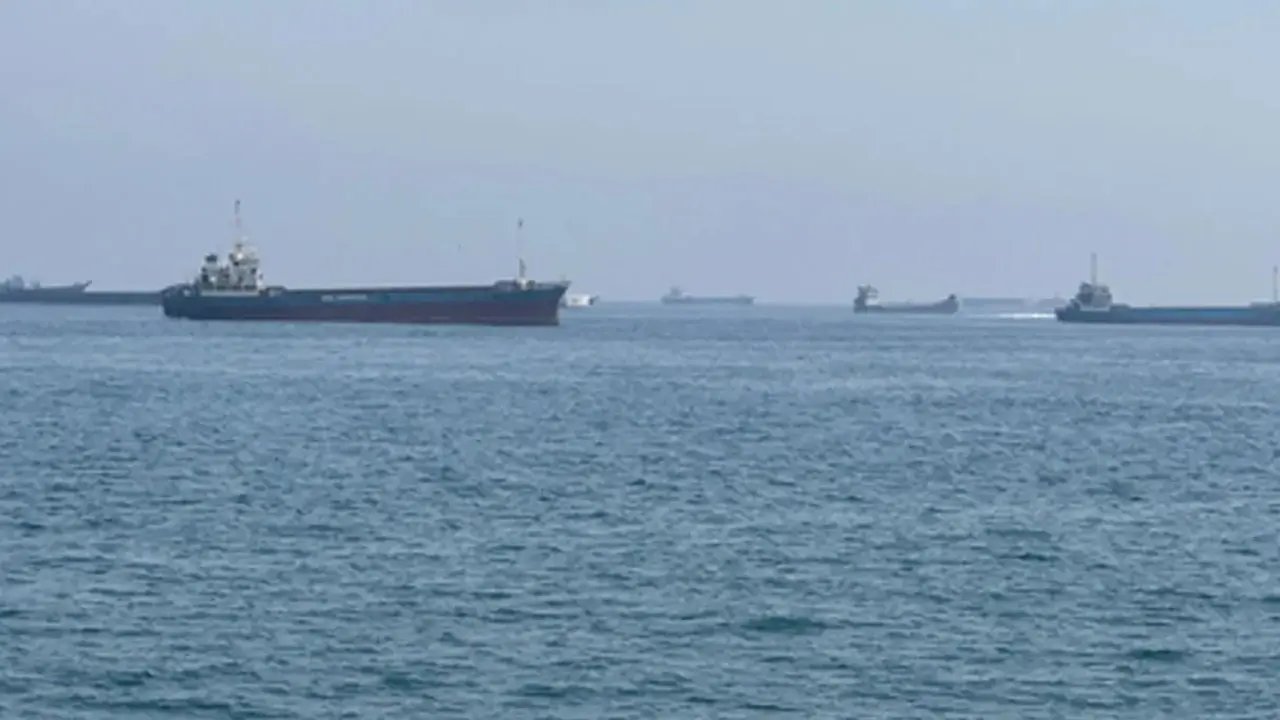
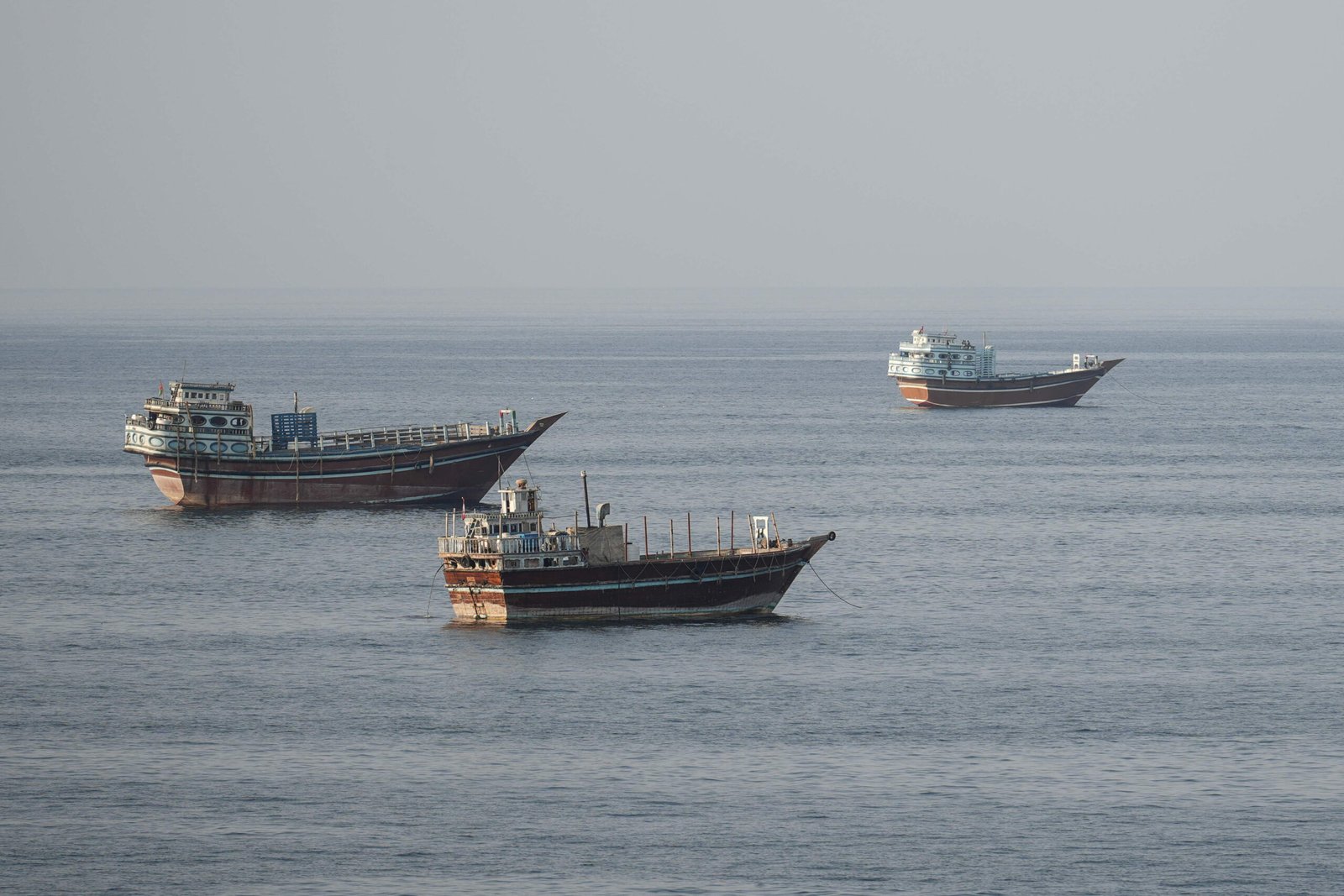
The United Arab Emirates, a key trade partner of Iran, recently suspended trade following missile attacks, signaling a continued standoff in regional relations. The situation in the Strait of Hormuz remains tense, with a noticeable reduction in Iranian-linked vessel transits. Bridget Diakun, maritime intelligence director at Lloyd’s List, noted a drop in tanker movements and emphasized the challenges in obtaining accurate transit data due to the lack of visibility in nighttime operations.
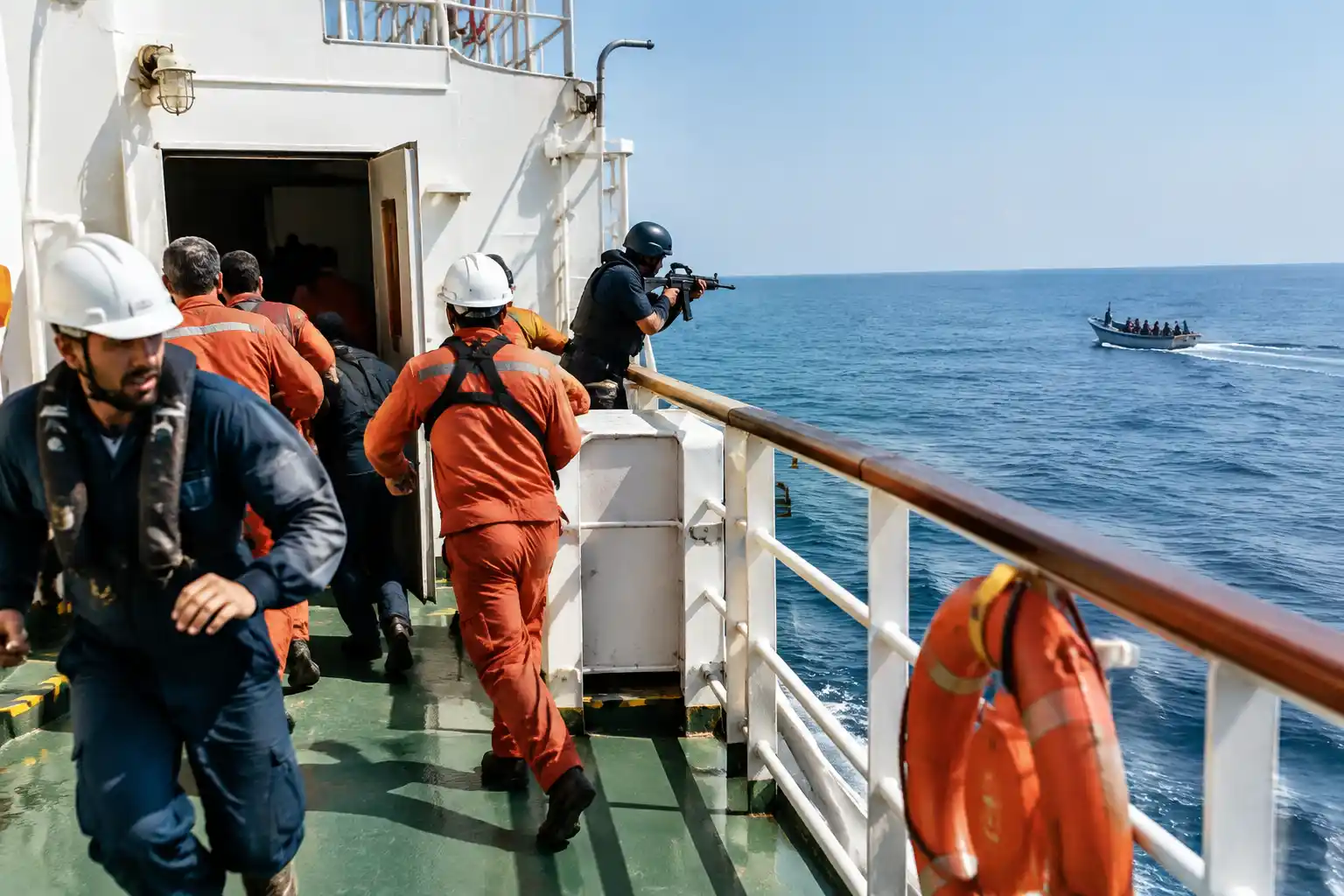
As trade dynamics shift, Chinese shipping companies are reassessing their strategies. While some firms have curtailed operations in the Persian Gulf, discussions hint at a potential return, contingent on geopolitics and negotiations resulting from the upcoming meeting between Chinese President Xi Jinping and Trump. However, insurers remain wary, as payments made for safe passage through Iran-controlled lanes can compromise vessel insurance, raising concerns over asset security amid the ongoing political and military risks.