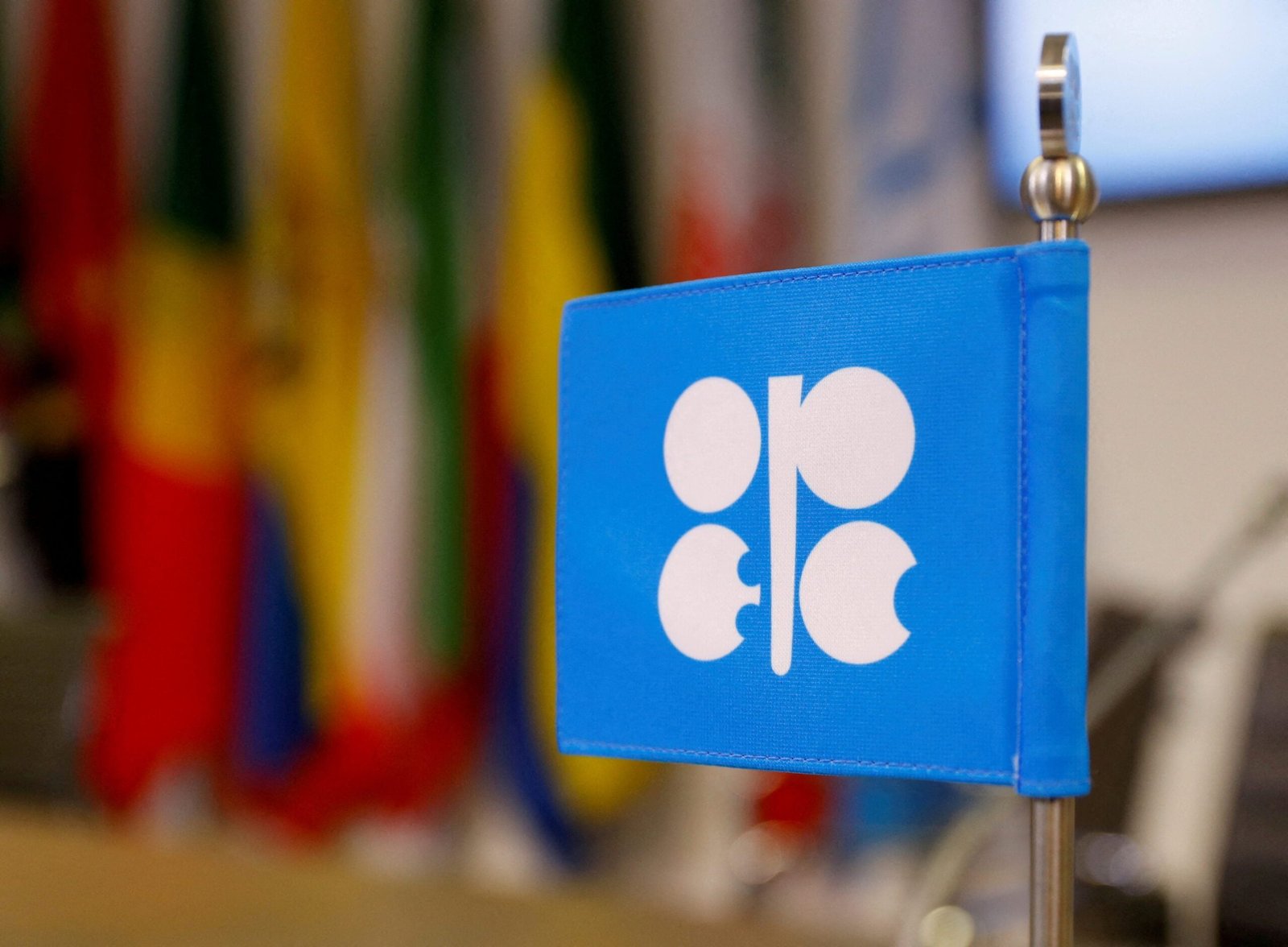
The United Arab Emirates announced on April 28 that it would be withdrawing from OPEC, presenting a significant challenge for the oil producers’ coalition amidst ongoing tensions exacerbated by the Iran conflict. The UAE, a key member with a long history in the organization, could weaken OPEC’s typically unified stance, especially during times of internal disagreements over geopolitical matters and production quotas. UAE Energy Minister Suhail Mohamed al-Mazrouei clarified that the decision was made independently after assessing the nation’s energy strategies.
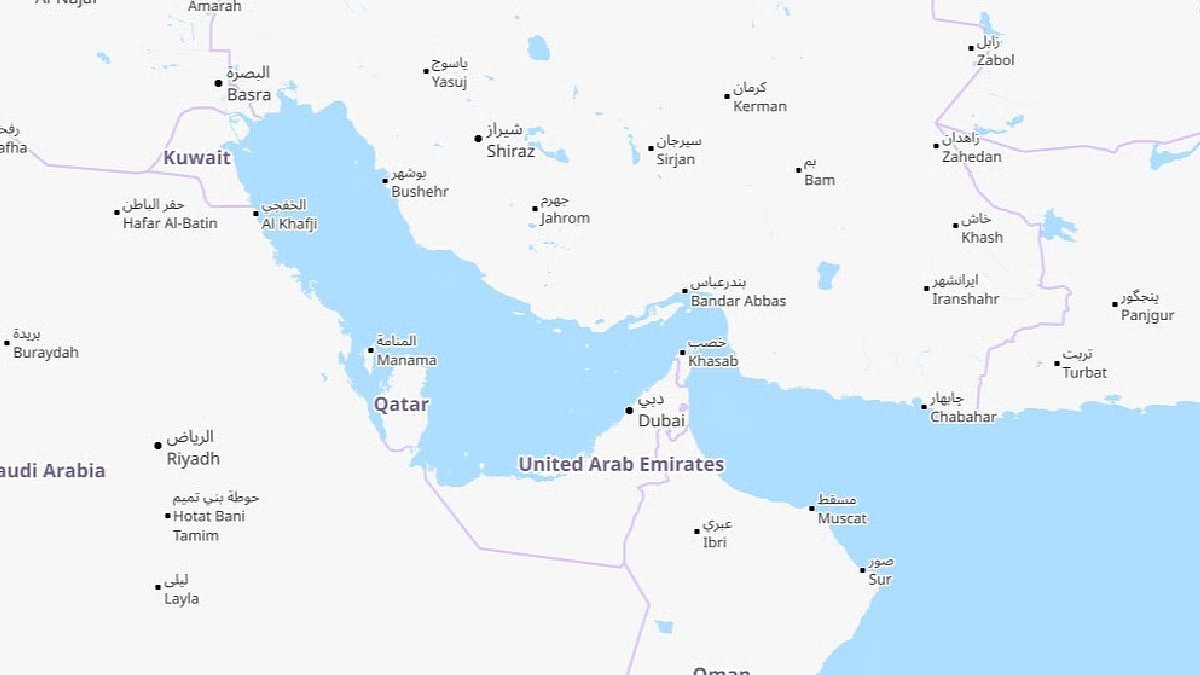
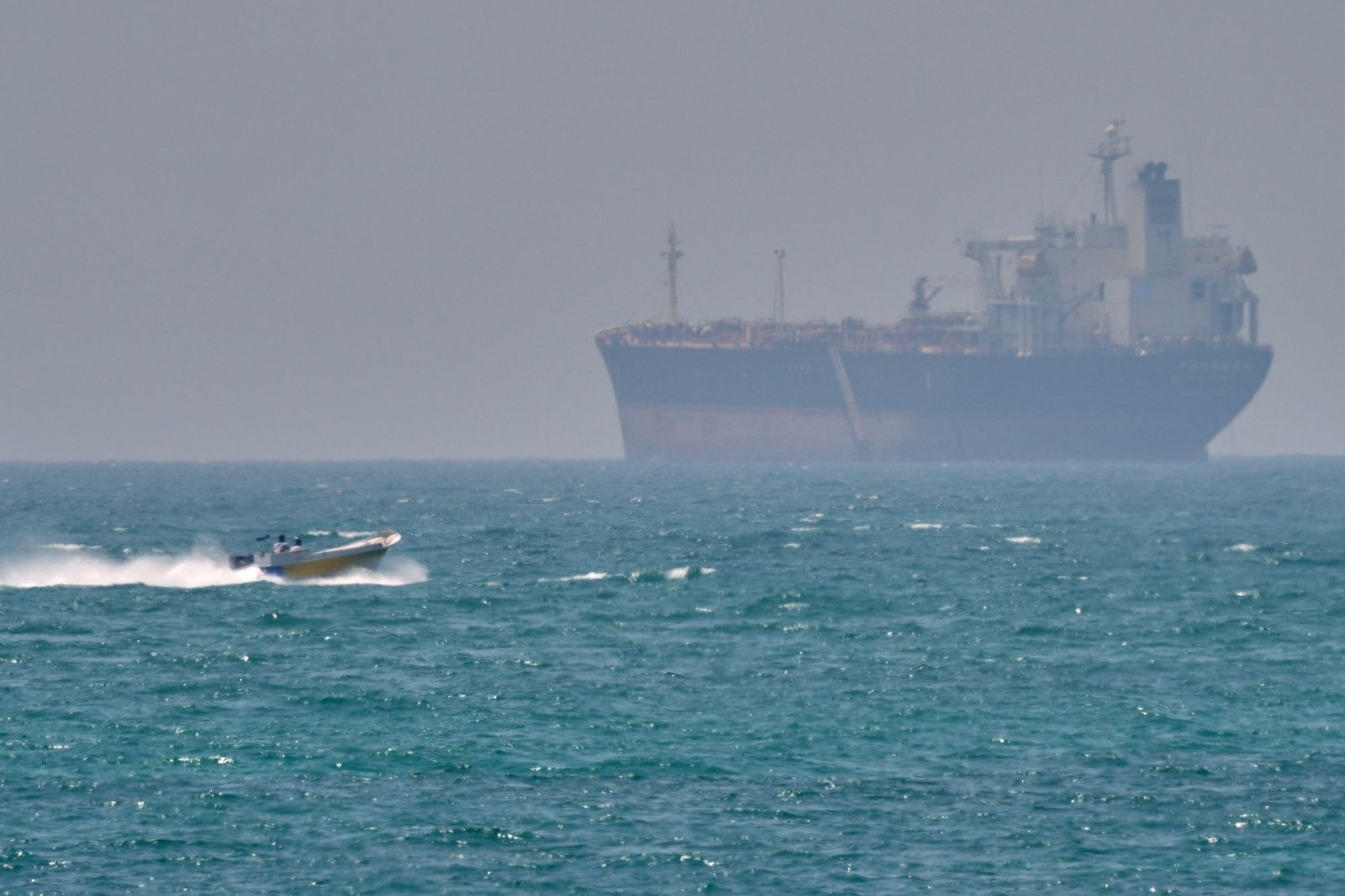
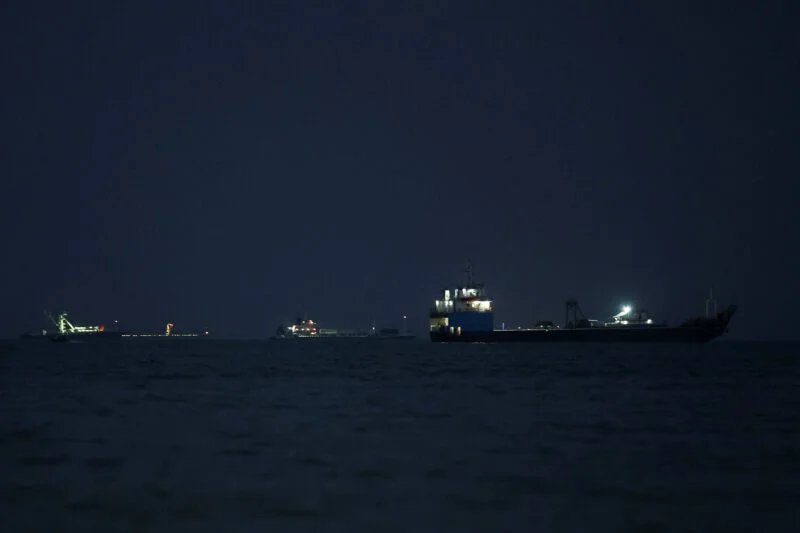
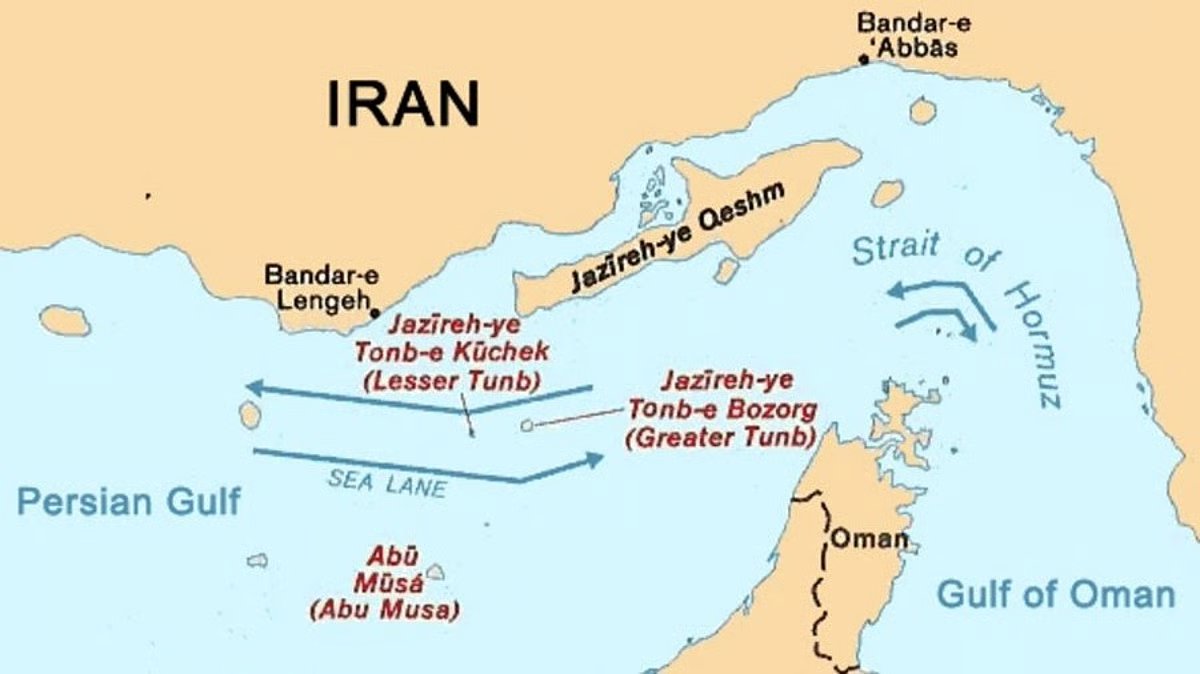
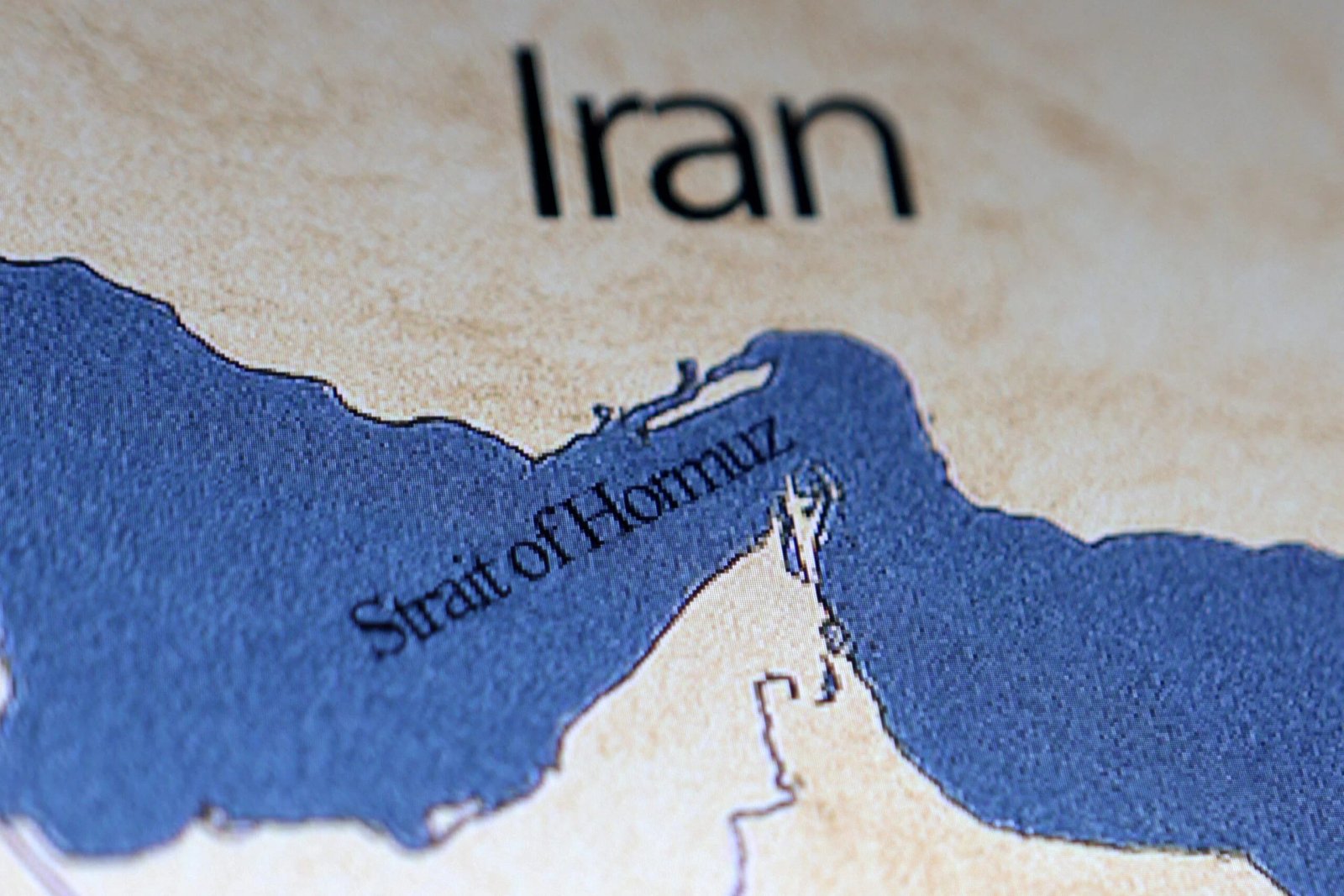
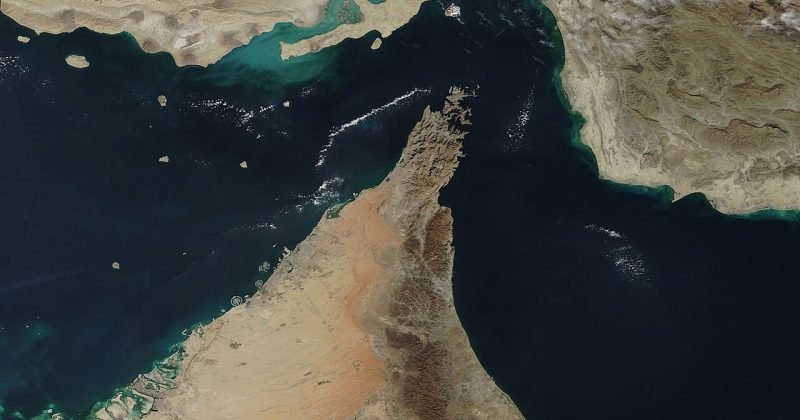
The UAE’s exit is timed with a broader concern over exports through the strategically critical Strait of Hormuz, where threats from Iran have hampered shipping routes for a substantial portion of the world’s oil supply. Mazrouei stated that the UAE’s decision to leave OPEC and OPEC+ effective May 1 might not drastically impact the oil market due to these existing constraints. However, it could allow the UAE to gain a larger market share once geopolitical tensions ease, which could benefit consumers and the global economy, according to economic experts.
This move represents a strategic shift as the UAE enhances its relationships with the U.S. and Israel, especially following the normalization of ties in the 2020 Abraham Accords. The exit also supports U.S. President Trump’s narrative regarding OPEC’s influence on global oil prices, which he has previously criticized. Observers noted that this decision comes amid criticism of the Gulf’s response to Iranian aggression and coincides with low global spare capacity, underscoring a tightening oil market.