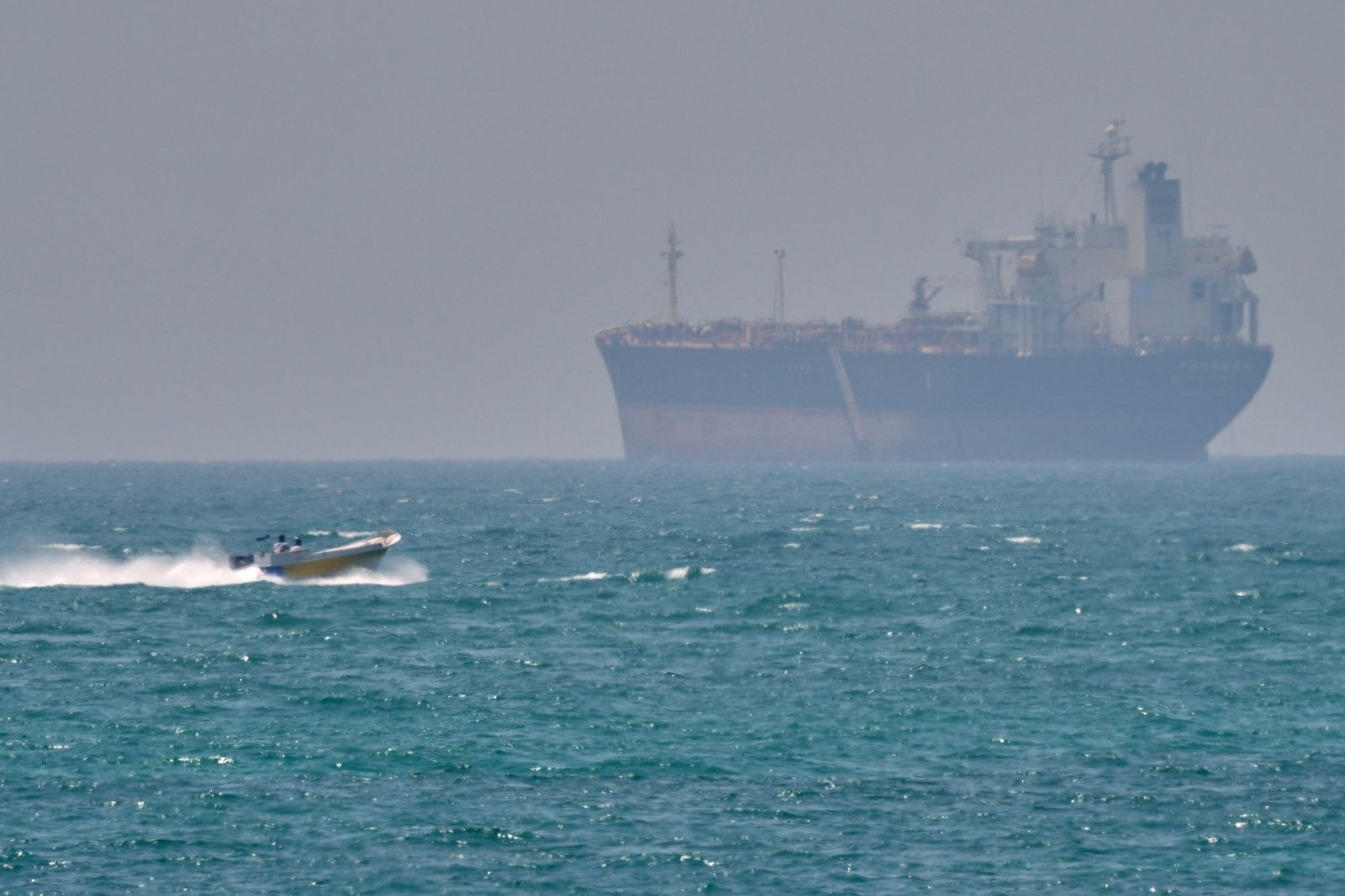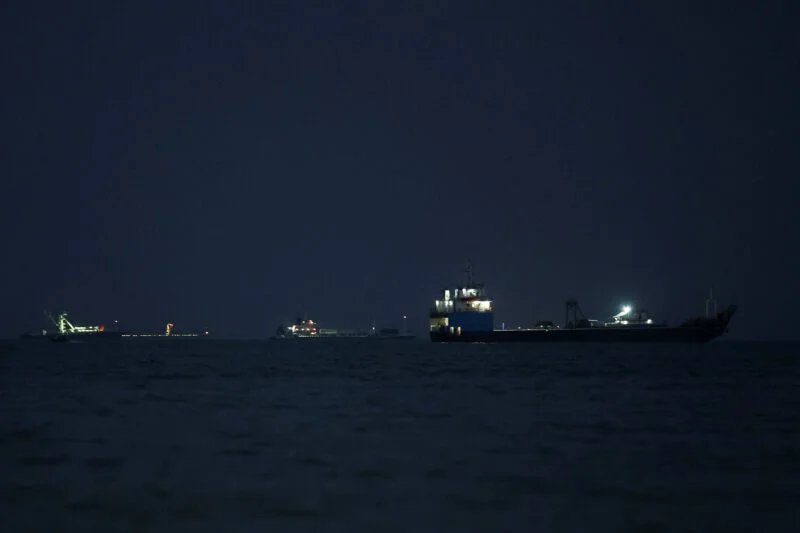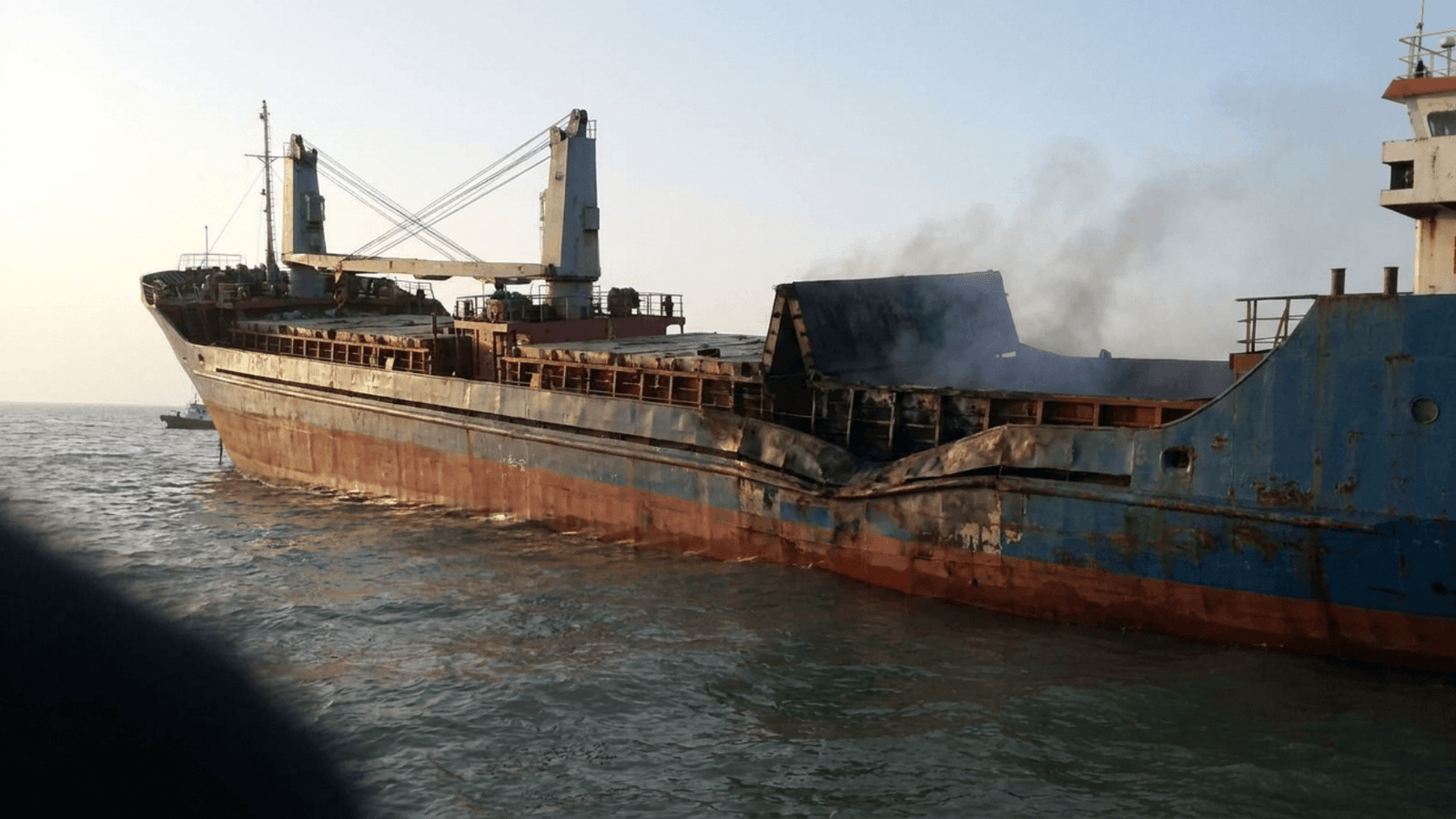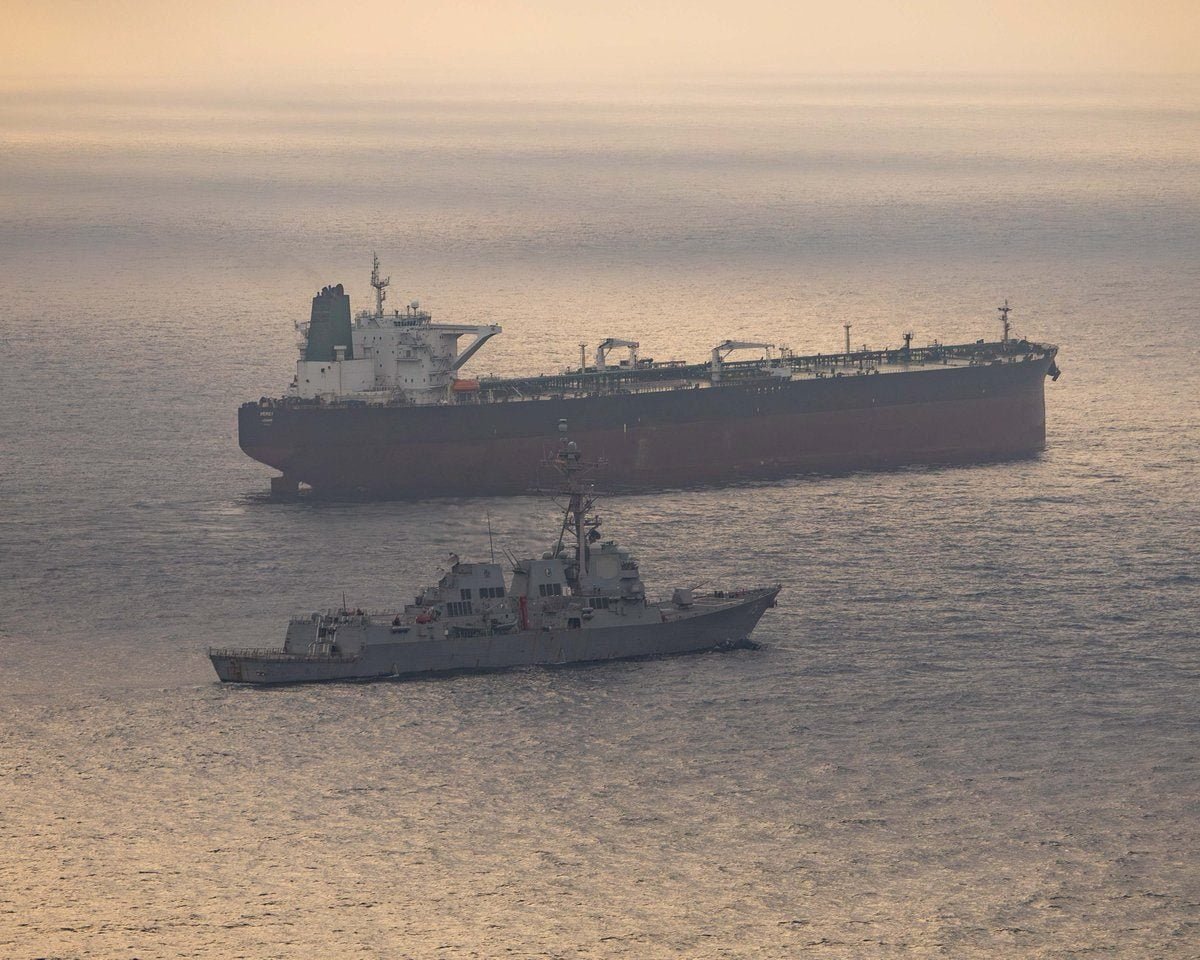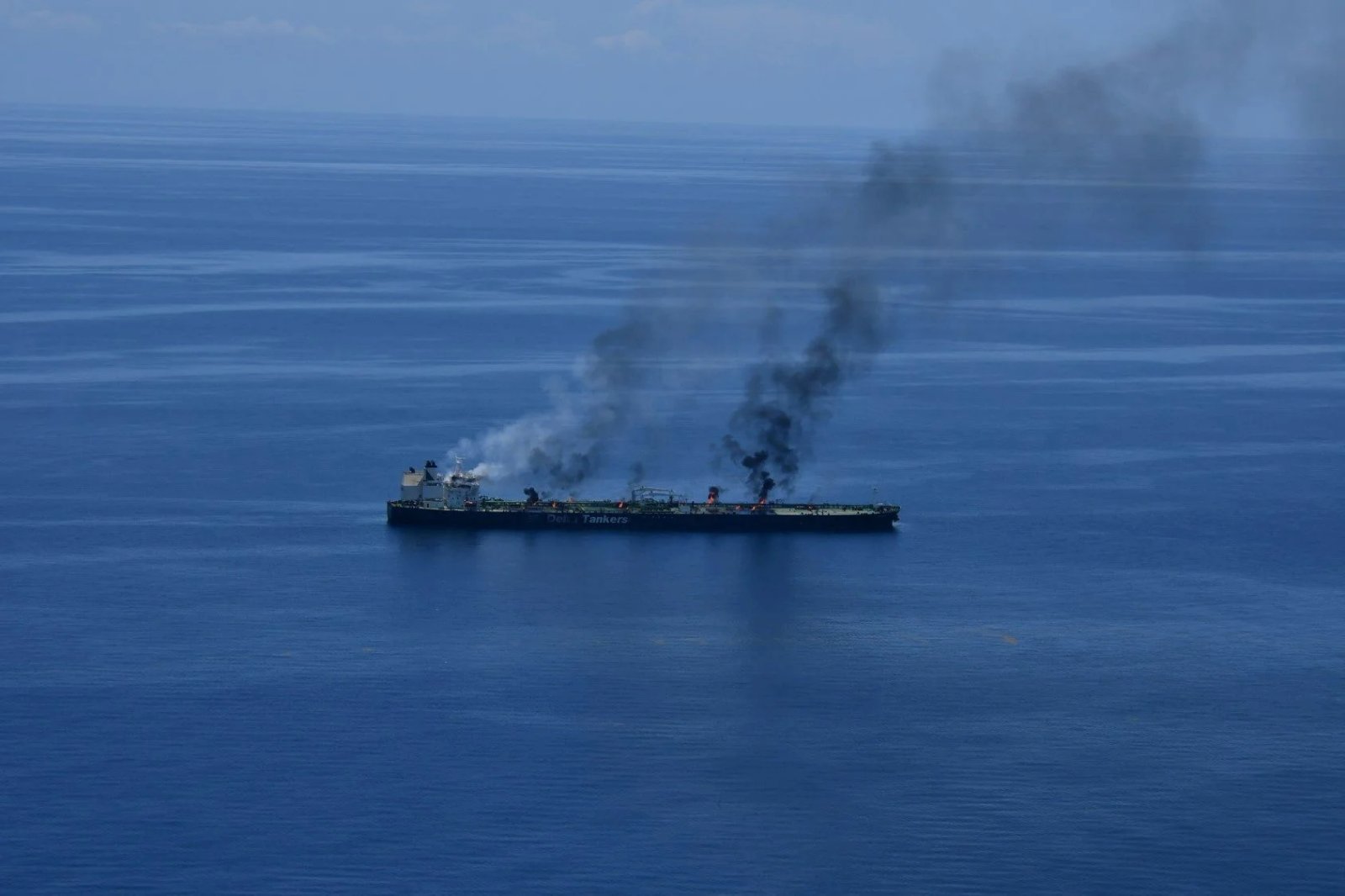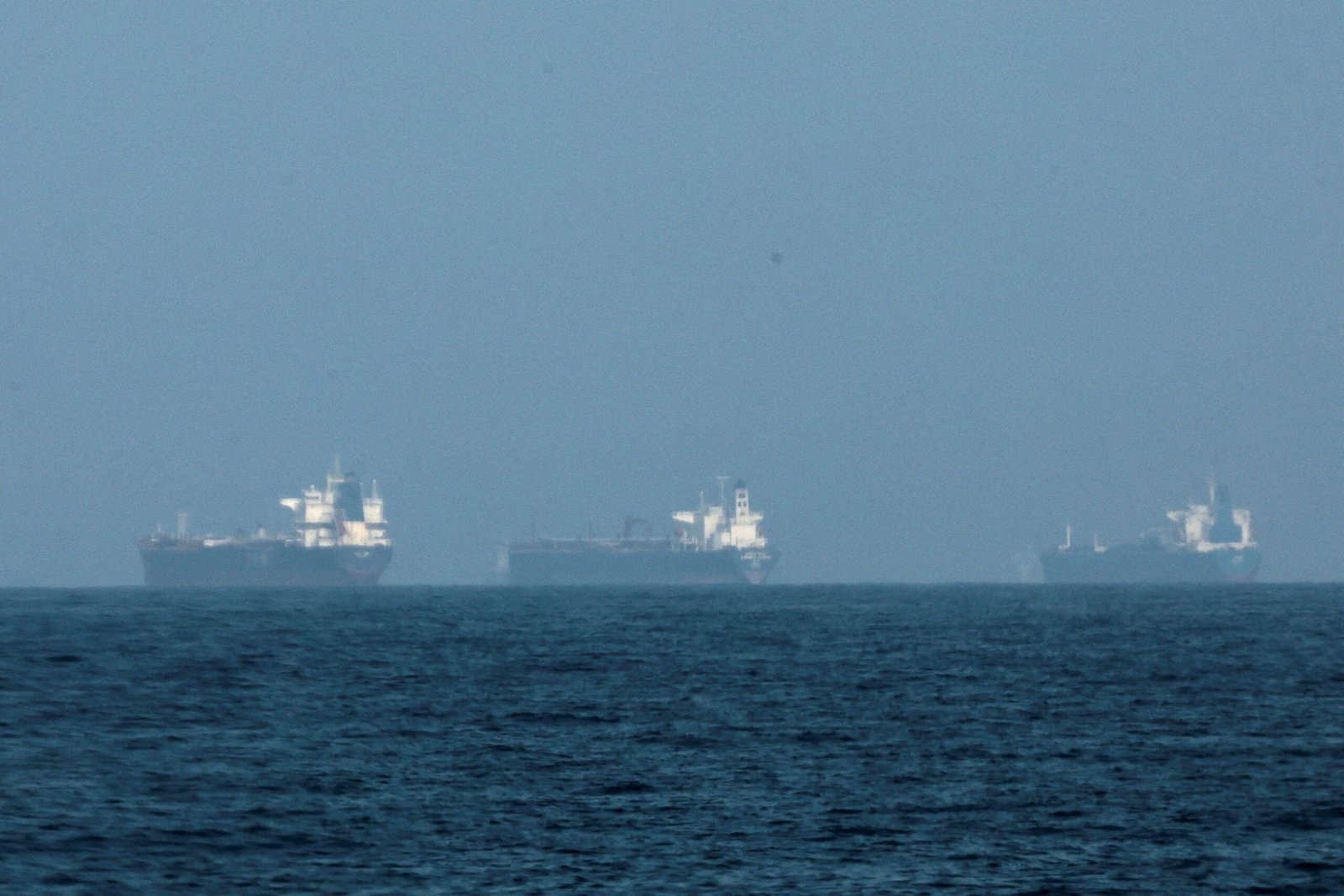
In a recent United Nations Security Council session, Iran’s Ambassador Amir Saeid Iravani delivered a strong critique of the United States, accusing it of undermining maritime security and violating international law through what he termed a “maritime blockade.” Following an open debate, Iravani labeled the U.S. seizure of Iranian commercial vessels in international waters as acts of “piracy and hostage-taking,” asserting that these actions contravene the United Nations Charter and qualify as aggression under General Assembly Resolution 3314.
Iravani further alleged that the U.S. employs coercion and intimidation against commercial shipping, claiming that crews have been “terrorized” and unlawfully detained. He expressed disappointment at the lack of condemnation from some Security Council members regarding U.S. actions, suggesting that their silence undermines concerns about freedom of navigation.
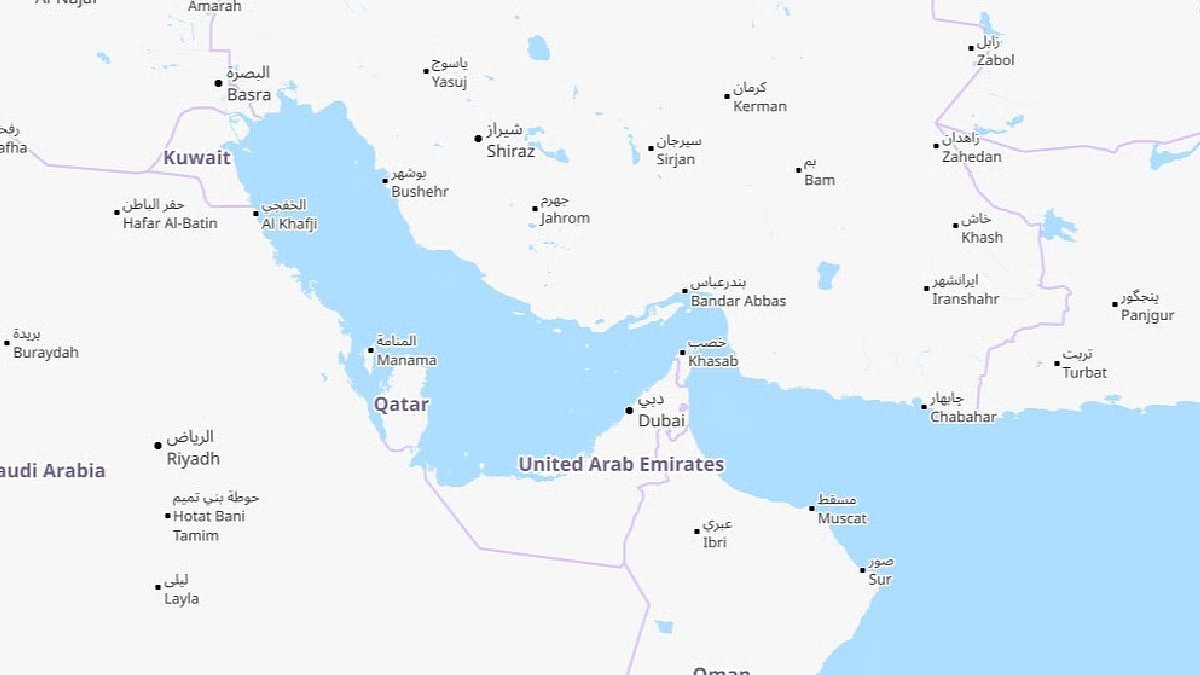
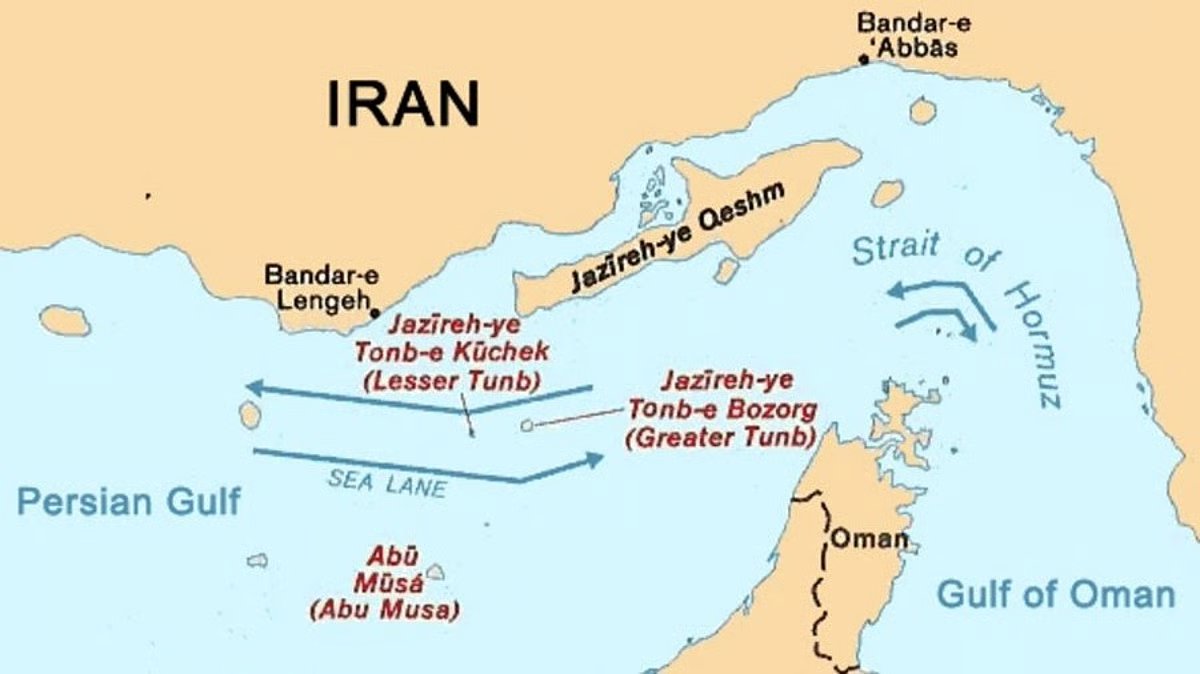
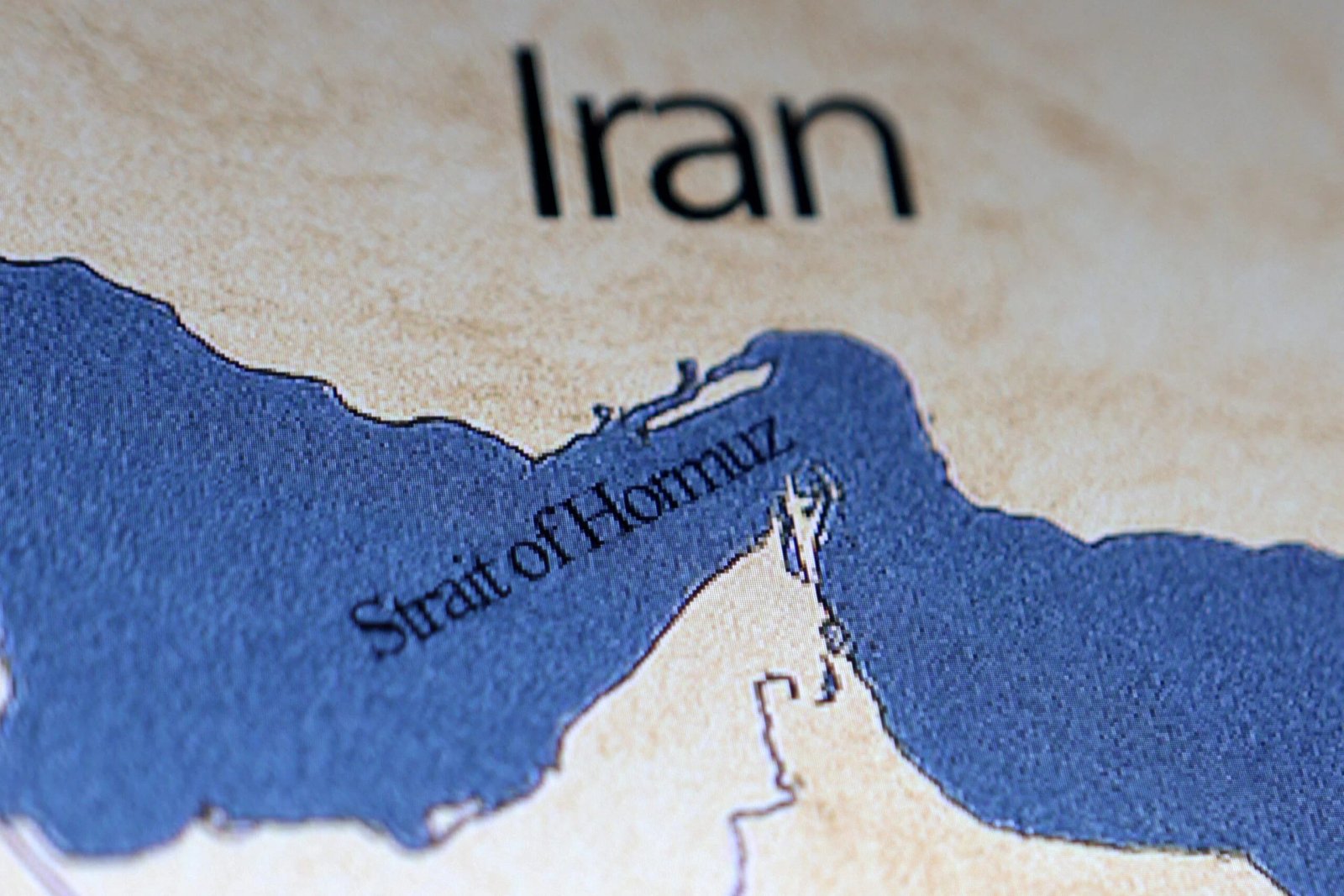
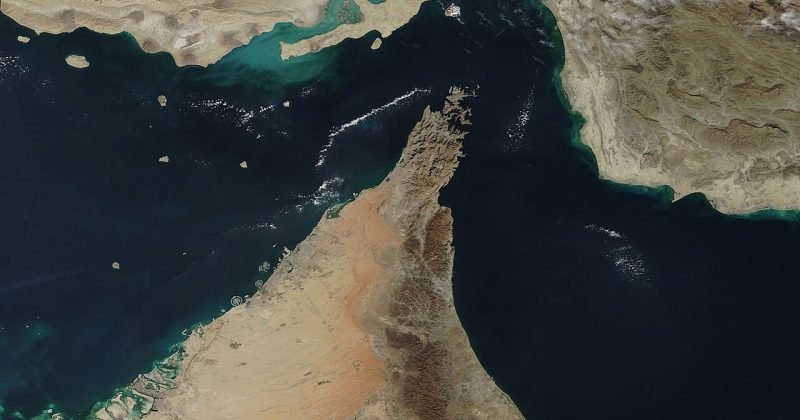
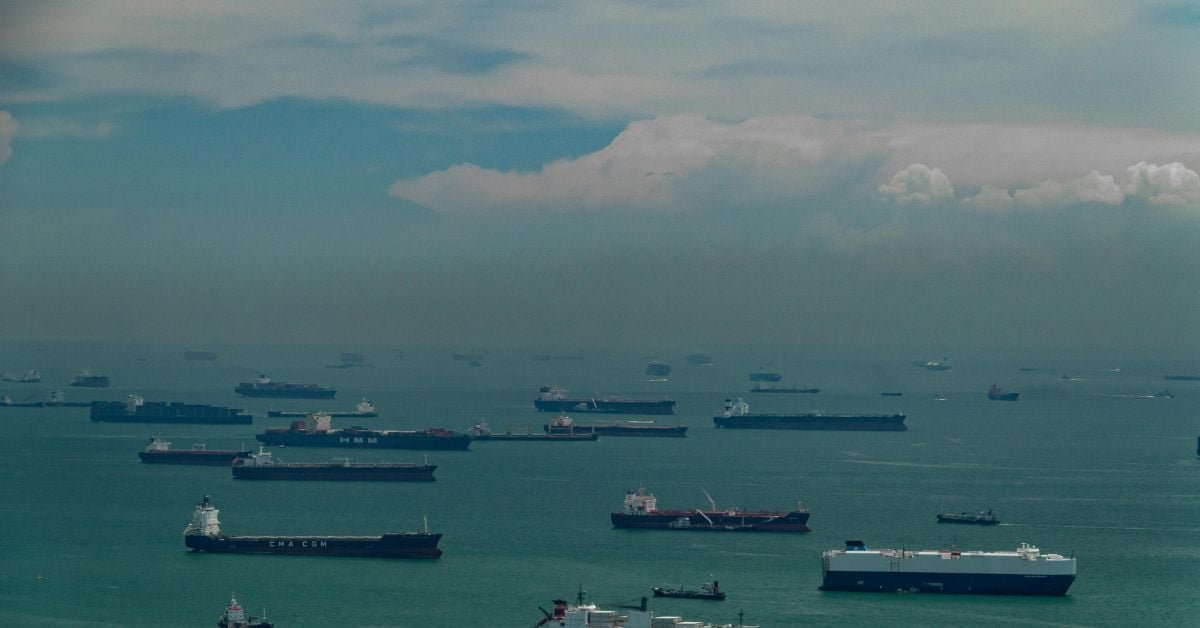
The Iranian envoy connected current tensions to a broader “war of aggression” initiated by the U.S. and Israel, warning that these developments threaten vital waterways like the Strait of Hormuz, a key route for global energy supplies. Defending Iran’s stance, Iravani insisted that the country is committed to maintaining maritime security in the Persian Gulf and that its actions are aligned with its rights as a coastal state.
Iravani emphasized that Iran’s approach is grounded in international law and aims to ensure stability in a volatile region, while also noting that Iran is not a signatory to the 1982 UN Convention on the Law of the Sea, though it acknowledges customary international law. He concluded by attributing any disruptions in maritime transport to “the aggressors,” referring specifically to the U.S. and its allies, and dismissed alternative narratives as unfounded.