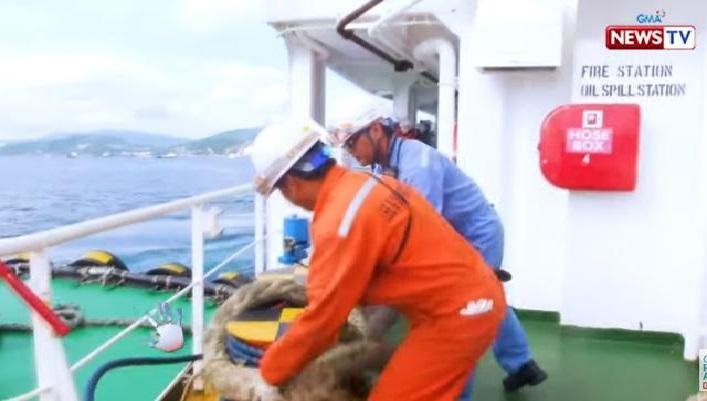
Global labor officials and European diplomats are urging Philippine authorities to enhance the enforcement of maritime protections, citing failures in existing statutory guarantees to prevent the widespread mistreatment, wage theft, and abandonment of Filipino seafarers. This call to action emerged during a forum organized by the EU-Asean Scope Seafarers initiative, commemorating the 20th anniversary of the Maritime Labour Convention (MLC) 2006. Dr. Khalid Hassan from the International Labour Organization (ILO) stressed that legal ratifications are ineffective without strict enforcement onboard, emphasizing the need for tangible protections for seafarers.
Dr. Marco Gemmer, Head of Cooperation at the EU Delegation to the Philippines, echoed this sentiment, advocating for a unified approach to place maritime workers at the forefront of national labor reforms. He highlighted the significance of the Magna Carta for Filipino Seafarers, enacted in 2024, noting that successful implementation would benefit seafarers and their families, who are vital to the Philippine economy through remittances. The workshop also built on discussions from earlier in 2023, when leaders from the European Commission and the Philippines agreed to create clear pathways for Filipino seafarers seeking employment on EU-flagged vessels.
Despite the progress, Gemmer warned that effective reform relies on coordination among key agencies, including the Maritime Industry Authority and the Department of Transportation. The MLC, adopted two decades ago, aimed to modernize global maritime standards but challenges persist, such as chronic fatigue and illegal recruitment. Both the ILO and EU assert that rigorous inspections will be crucial in determining whether domestic laws translate into actual protections for seafarers at sea.