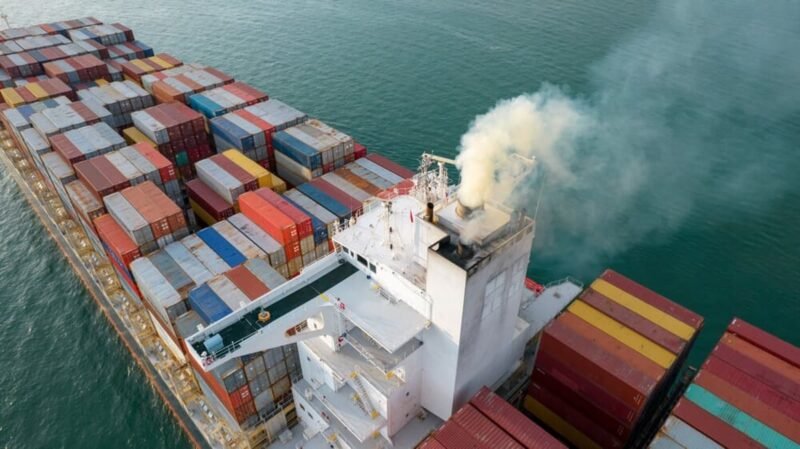
The International Maritime Organisation (IMO) has introduced new policy measures aimed at transitioning to zero-emission fuels, but the Global Maritime Forum warns that these measures might not provide sufficient incentives for e-fuels like green ammonia and e-methanol to become commercially viable soon. Jesse Fahnestock, the Forum’s Director of Decarbonisation, emphasized that while the IMO’s framework is a significant advancement, early competitiveness of e-fuels is crucial to avoid bottlenecks in decarbonisation efforts.
The IMO’s mid-term measures, set for formal adoption in October, will enforce global fuel intensity targets starting in 2028, along with penalties for non-compliance. Although liquefied natural gas and ammonia dual-fuel ships may remain cost-competitive until the mid-2030s, green ammonia is expected to emerge as the most economical zero-emission fuel thereafter. However, the reliance on blue fuels could hinder the adoption of truly renewable alternatives.
To facilitate the transition, the Forum suggests that targeted incentives, such as enhanced credit rewards for zero-emission fuels, are essential. Estimates indicate that decarbonising shipping could require investments between $1.2 trillion and $1.6 trillion by 2050, with ammonia likely being the primary zero-carbon fuel. Despite safety concerns regarding ammonia, e-methanol is seen as a promising near-term option.
Related posts:
 Shipping Industry Enhances Charcoal Transport Safety Ahead of IMO Regulations 2026
 Bangladesh Proposes Amendments for Ship Recycling Legislation Ahead of 2025 Deadline
 Exploring Micronations on the High Seas: The Rise and Challenges of Floating Cities
 IMO Sets 2026-2027 World Maritime Day Theme on Implementing Policies for Safer, Sustainable Shipping