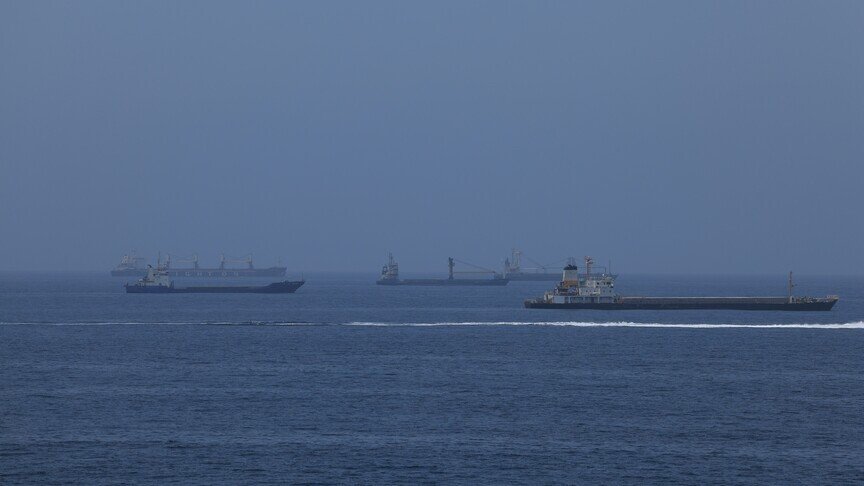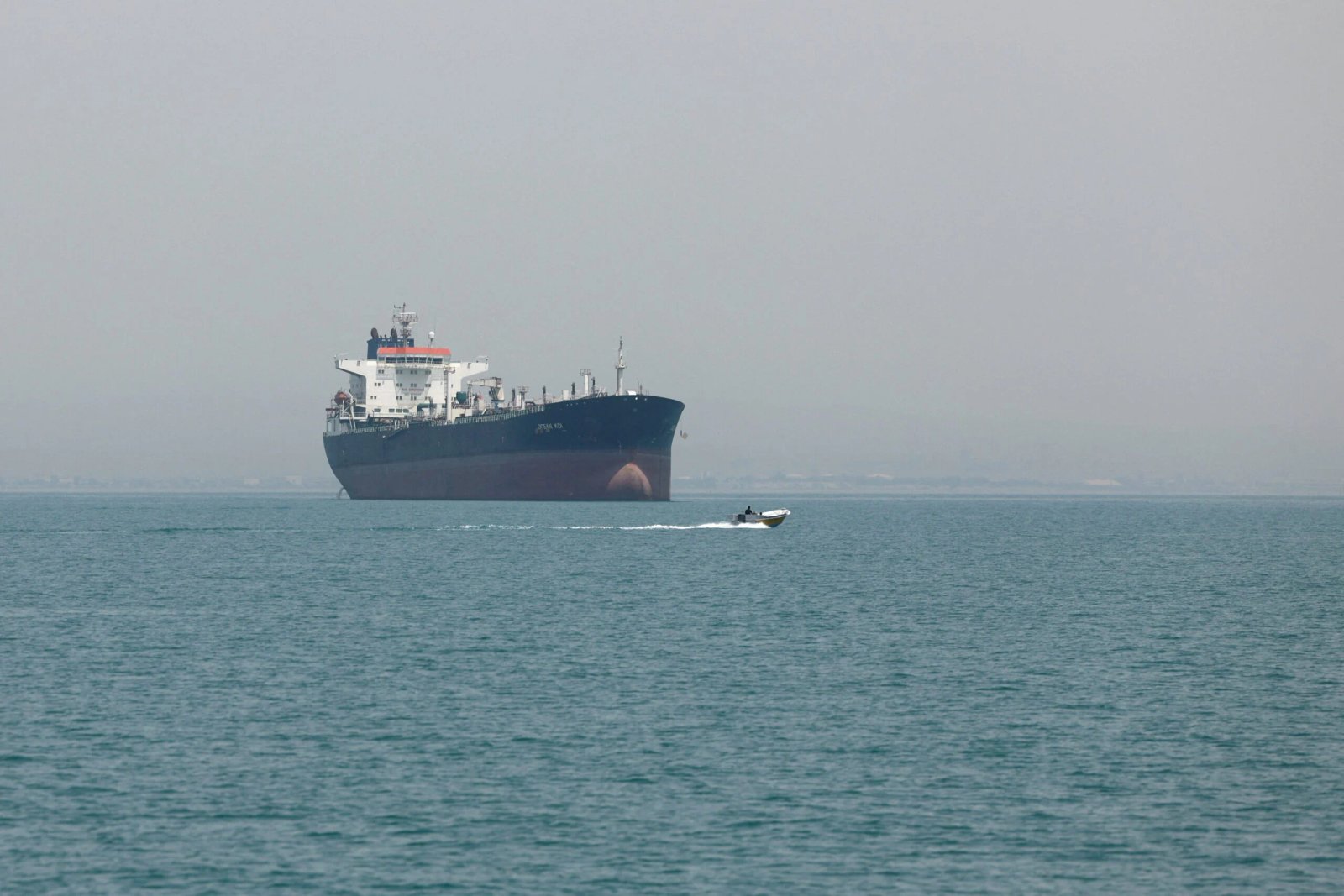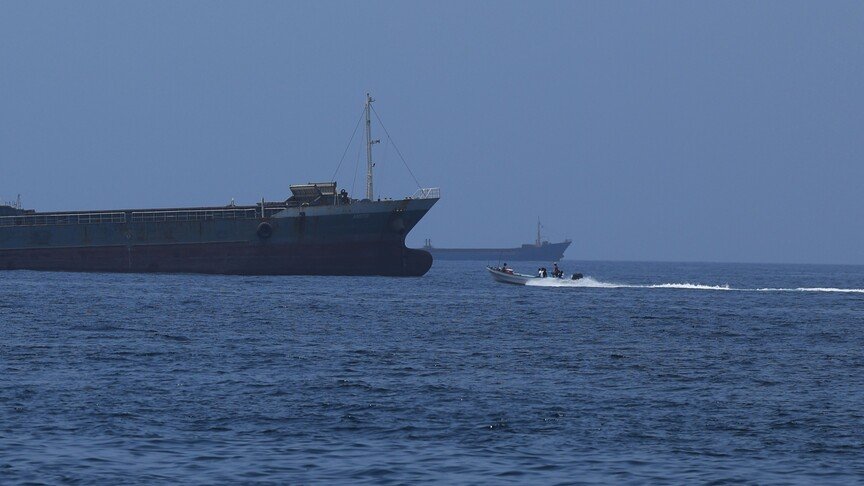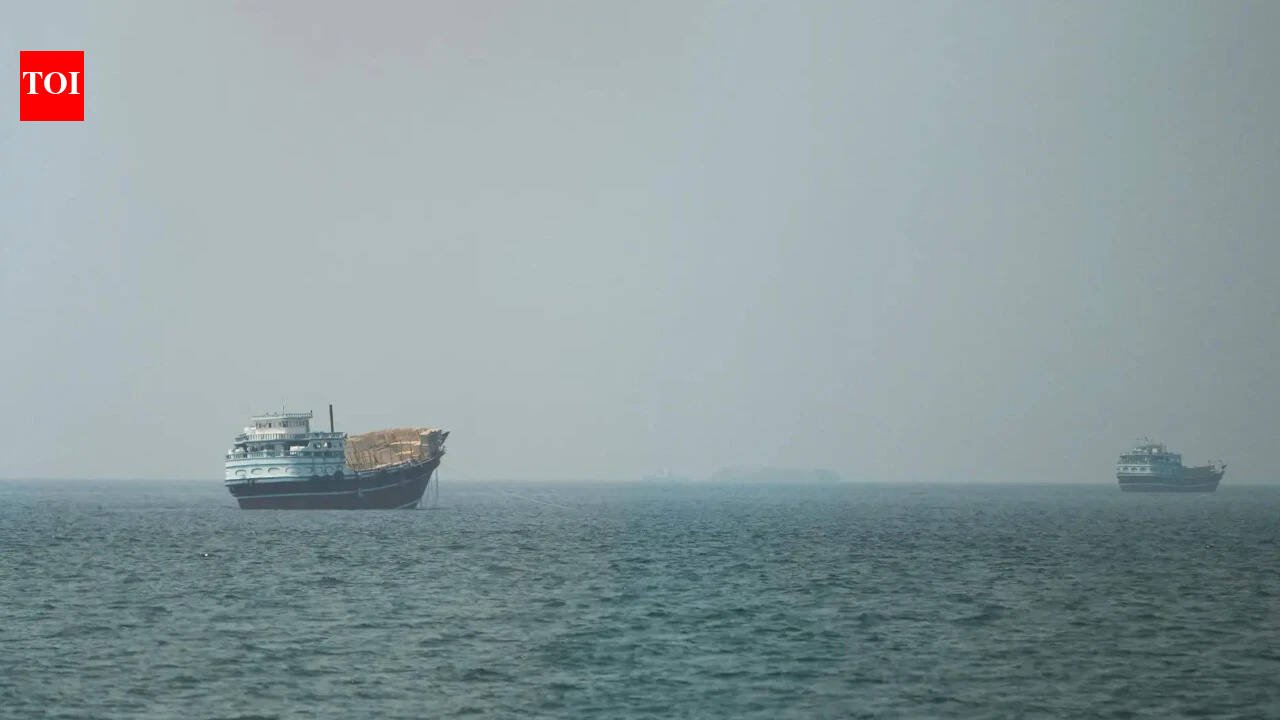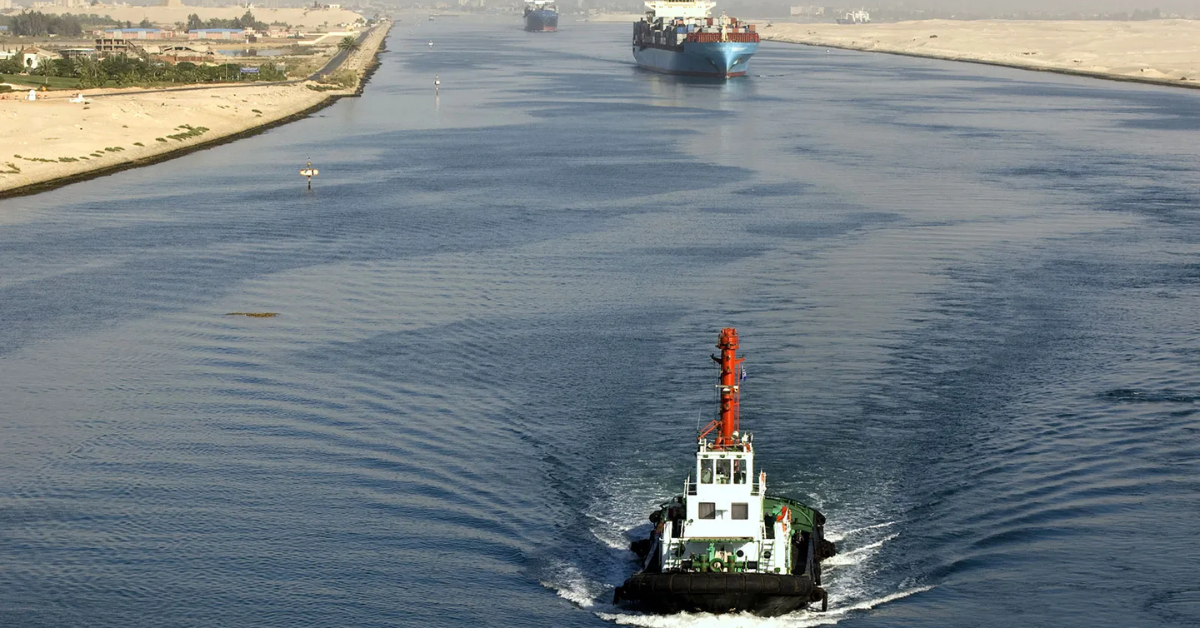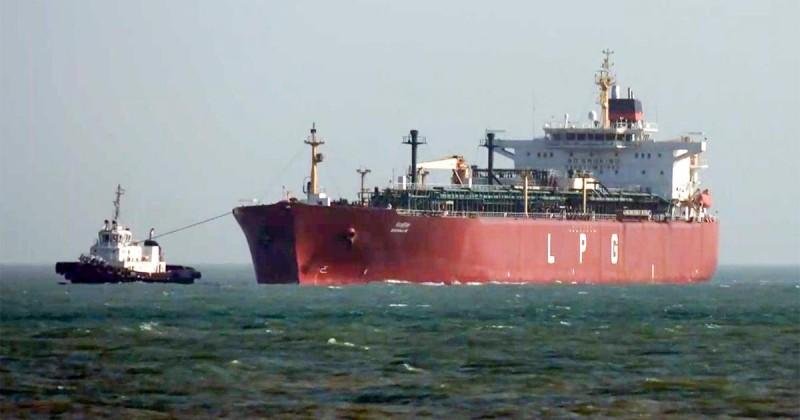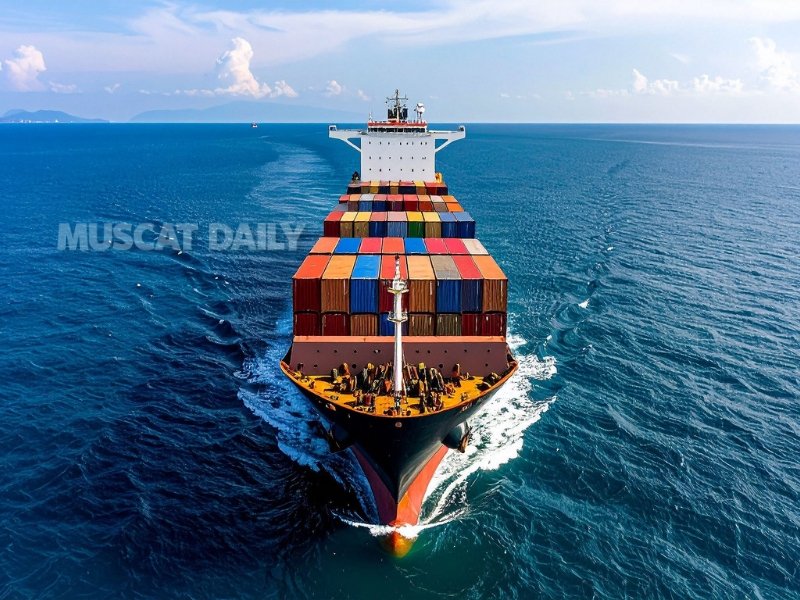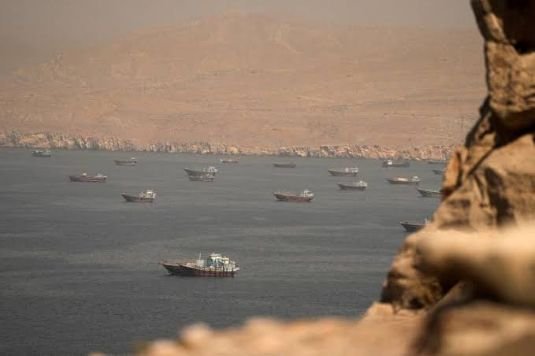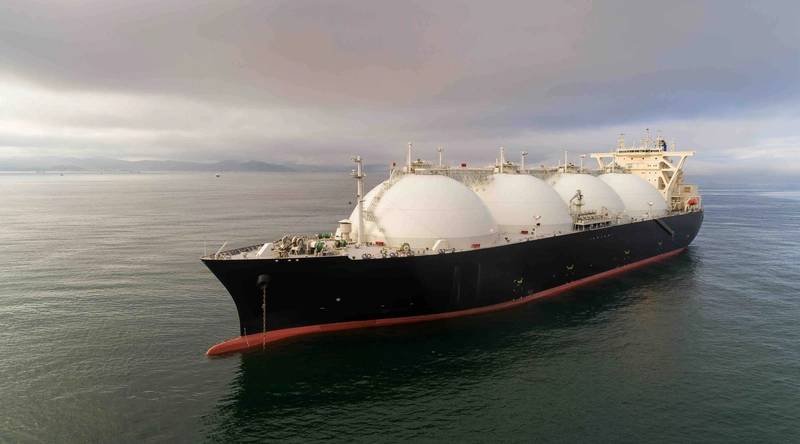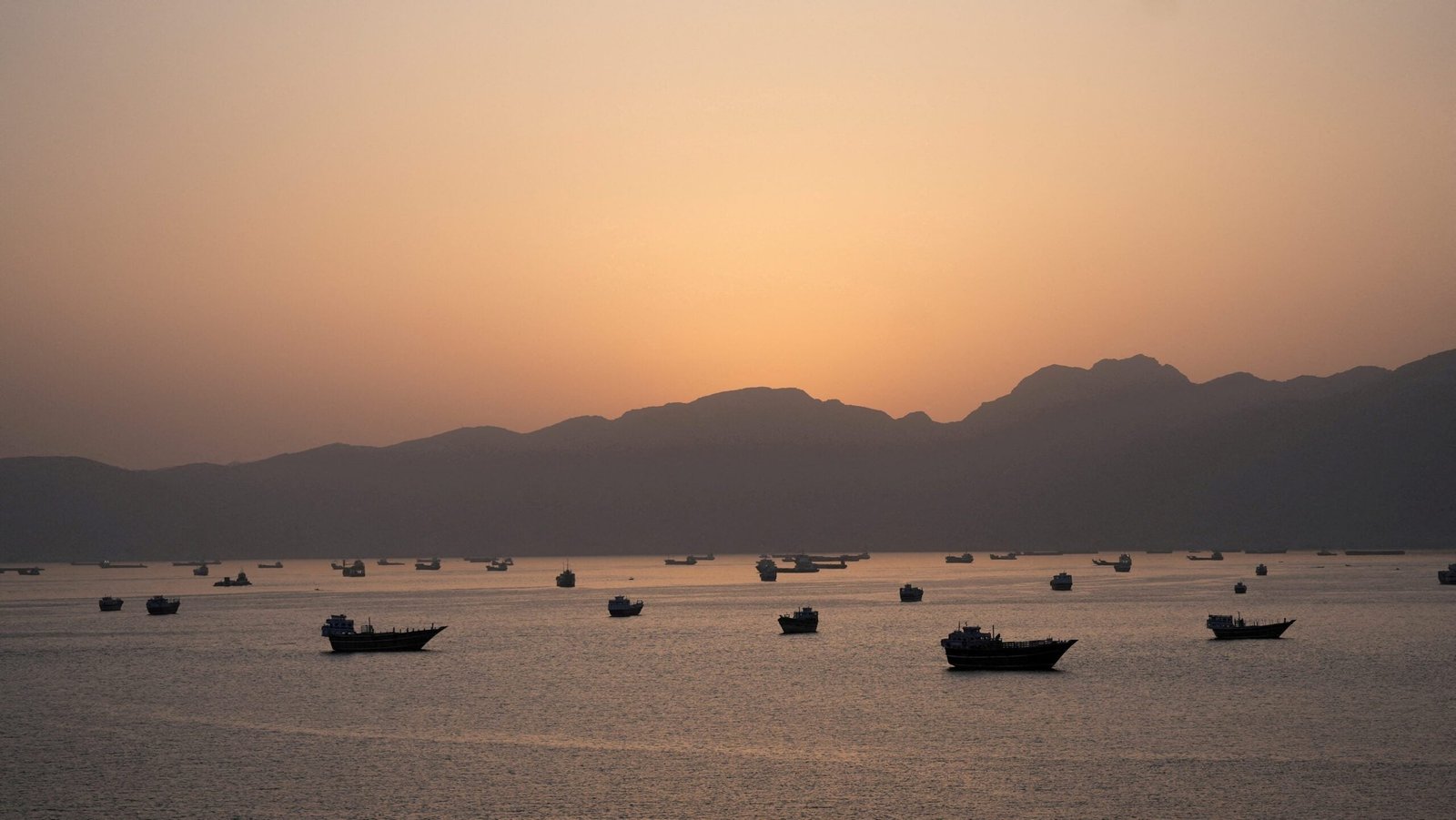
Over the weekend, 16 tankers gathered off the coast of Oman to transfer millions of barrels of oil that had been previously stranded in the Persian Gulf. This activity marks a significant change from a month ago when the region’s oil flow had almost ceased. Many of these vessels are now operating with their transponders turned off, facilitating increased oil transport through the Strait of Hormuz. Although conventional tracking data may not reflect this uptick, industry insiders and satellite imagery suggest that transportation through Hormuz is becoming more consistent and robust.
This shift is particularly notable as Middle Eastern producers resort to using state-controlled ships for oil transport while bypassing high fees from limited private shipping operators willing to risk transits through the strait. Moreover, U.S. support has aided these vessels in navigating Hormuz, helping to stabilize oil markets amidst ongoing disruptions due to conflict in the region. Approximately 2 million barrels per day are exiting the Gulf, which, while still below normal levels, is considerably higher than during the early days of the conflict.
Recent observations indicate that the situation is improving, as countries like Kuwait and the UAE begin selling oil outside Hormuz. Satellite data reveals an ongoing stream of ships loading at various terminals, with some operating under the cover of darkness to avoid detection. Major pipeline initiatives across the Middle East and an increase in offers for barrels signify a more favorable supply outlook, contributing to a decline in oil prices from their war-time highs.