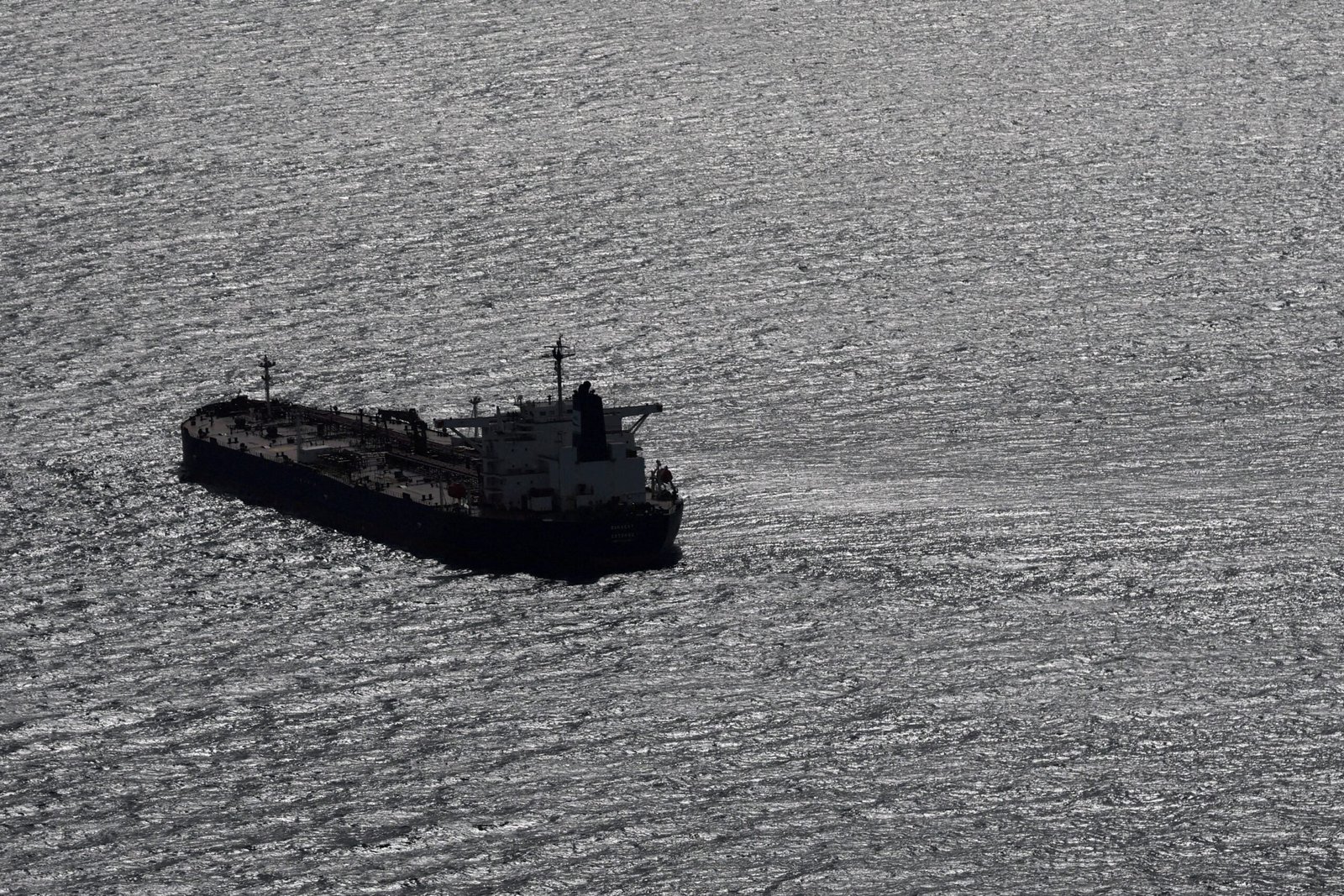
The European Union has intensified its sanctions against Russian energy companies by targeting the shipping subsidiaries of Gazprom and Lukoil, thereby expanding its efforts to disrupt Moscow’s oil transportation network. Published in the EU’s Official Journal, the updated sanctions list includes Gazpromneft Shipping and Lukoil-Western Siberia, both accused of utilizing irregular and high-risk practices in transporting Russian oil.
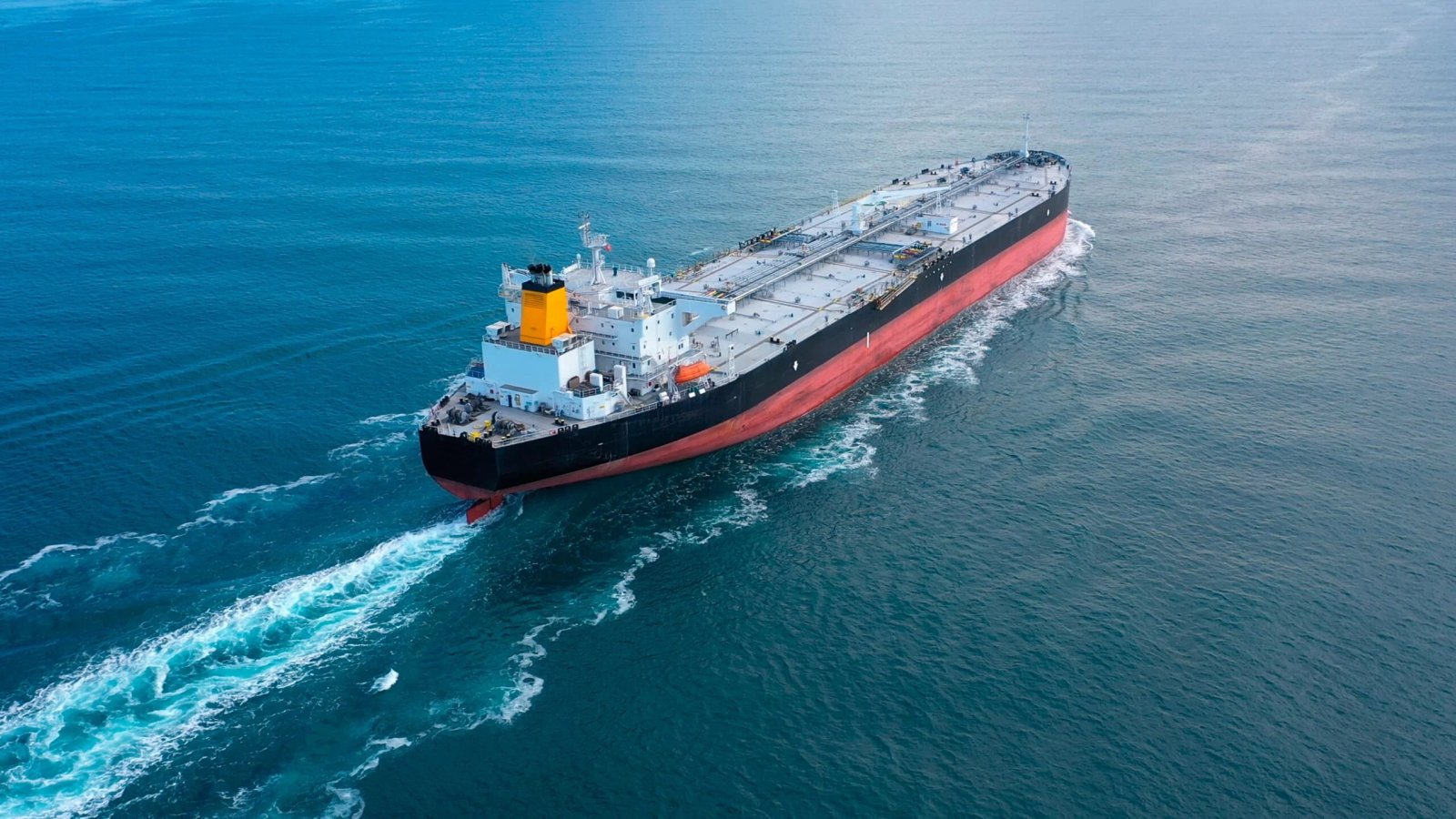
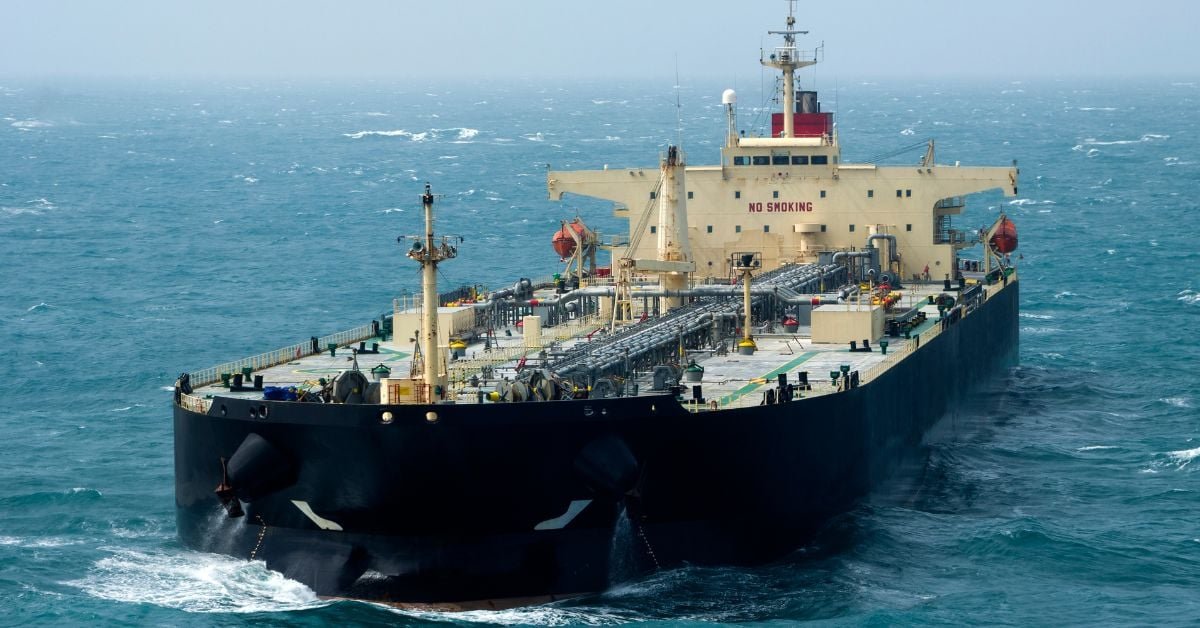
This strategic escalation marks a shift towards direct action against operators closely linked to two of Russia’s leading oil producers, rather than just independent tanker managers. The EU has highlighted that Lukoil-Western Siberia operates vessels such as the Aries, Neva Lux, and Nimbus Spb, which are alleged to have inadequate liability insurance and engage in questionable practices, including ship-to-ship transfers and manipulation of Automatic Identification System (AIS) signals during oil transportation.
Consequently, the sanctions aim to disrupt Russian oil exports that bypass existing Western restrictions through complex ownership structures and offshore intermediaries. Despite having established alternative shipping methods since the onset of the Ukraine conflict, the sanctions are expected to increase operational challenges and compliance risks for third-party entities interacting with the affected companies. Although these measures may not completely halt exports, they push Gazprom and Lukoil further towards obscure shipping arrangements and non-Western service providers.