The European Commission has introduced a comprehensive 21st package of sanctions aimed at Russia, focusing on its financial sector, energy exports, and military supply chains, in a bid to sustain economic pressure on Moscow over four years after its invasion of Ukraine. European Commission President Ursula von der Leyen and EU High Representative Kaja Kallas presented measures that will expand and deepen the EU’s sanctions regime by adding numerous banks, vessels, companies, and individuals.
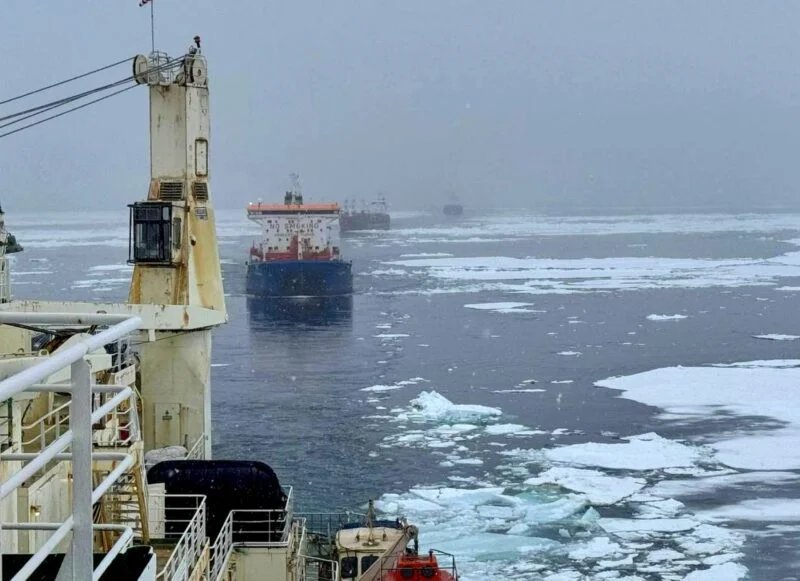
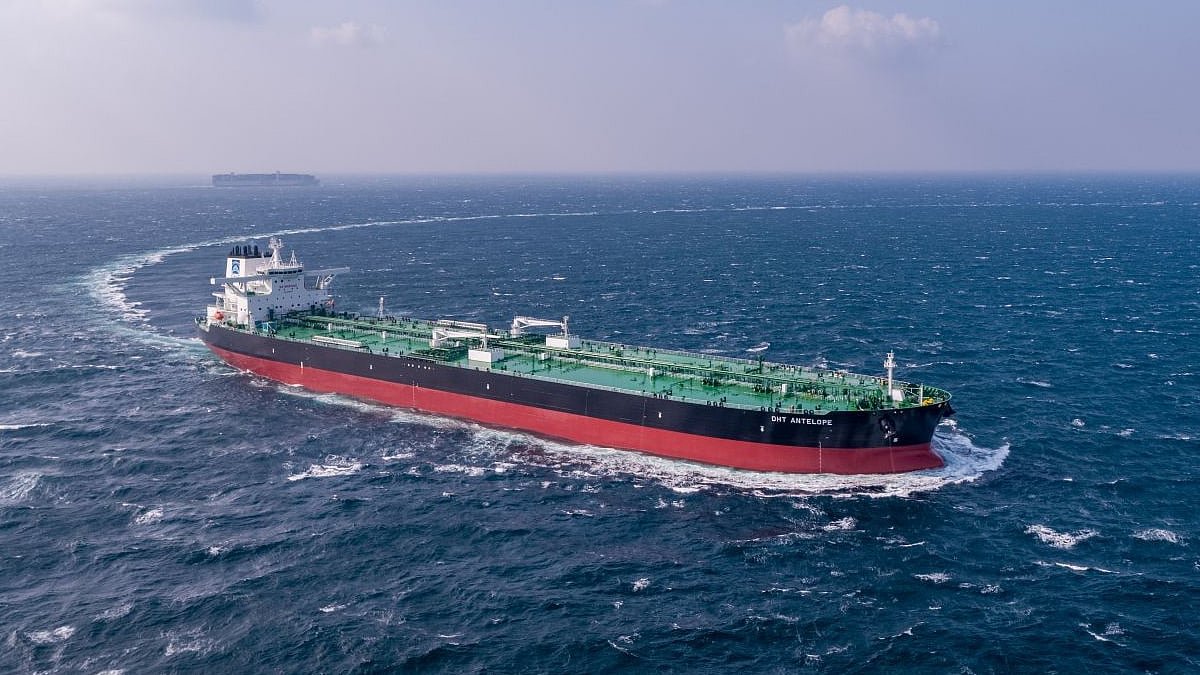
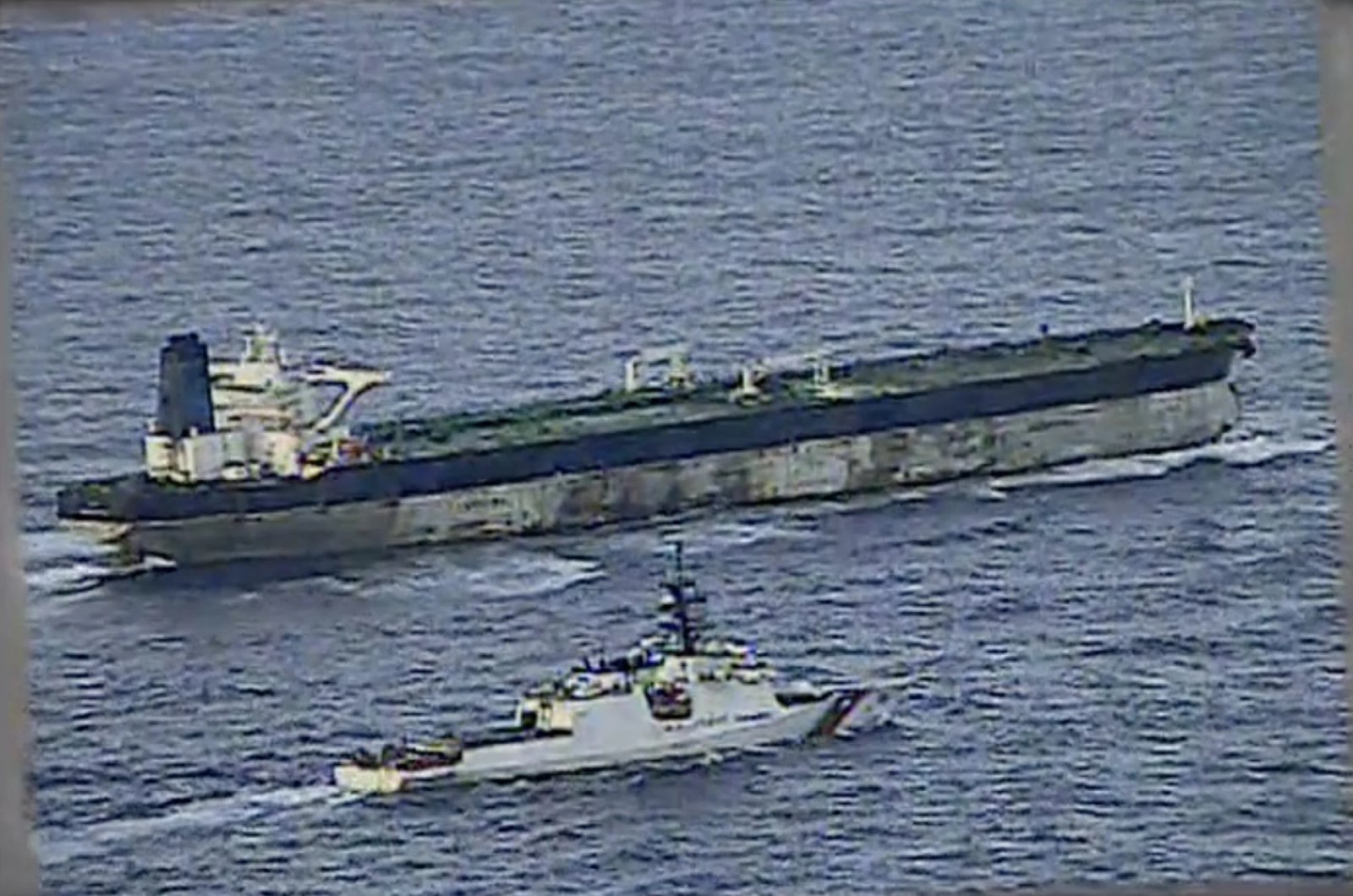
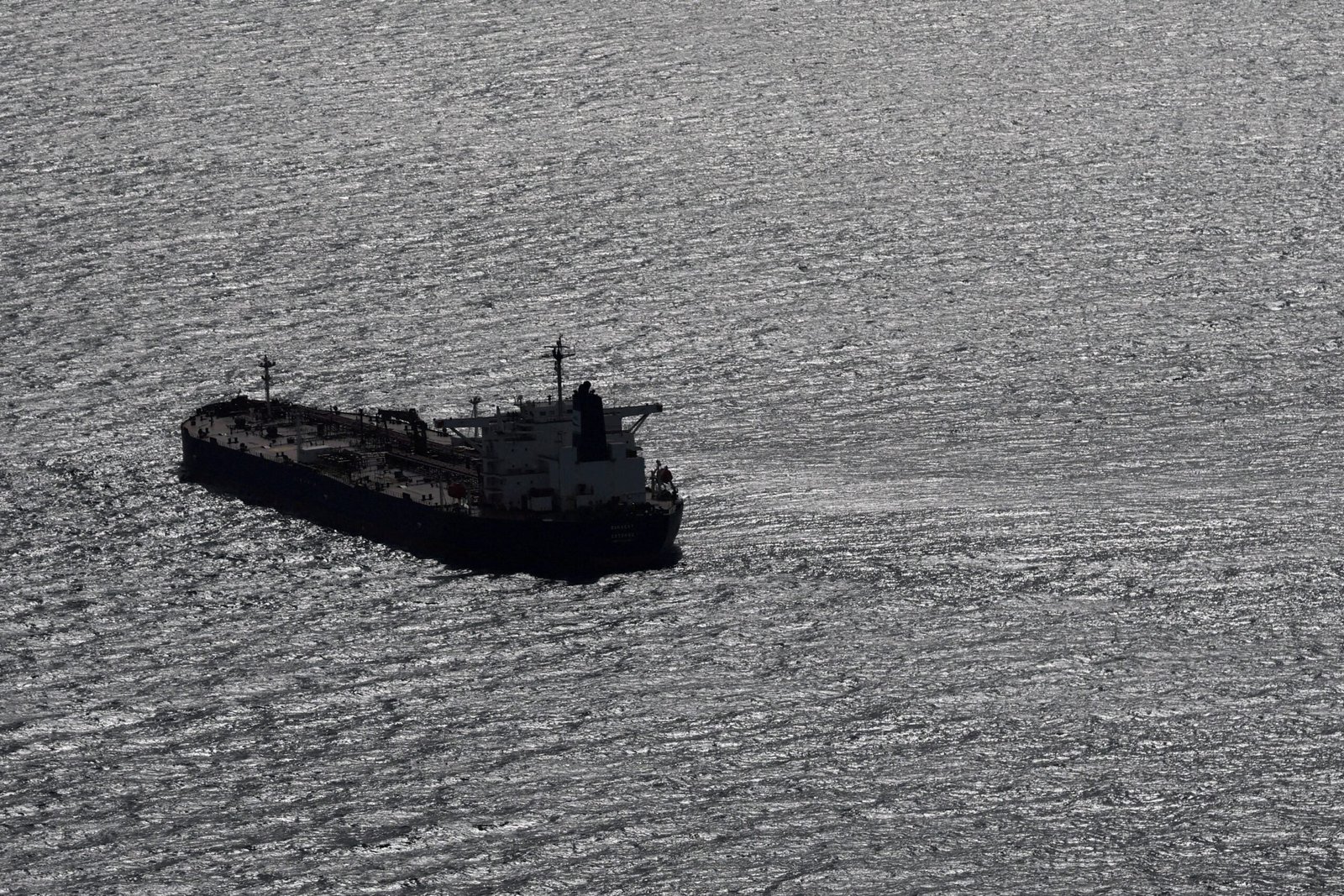
Among the significant proposals is the inclusion of 30 vessels associated with Russia’s shadow fleet, increasing the total number of sanctioned ships to over 660. Furthermore, the package targets companies that assist these ships with refueling and other services. The Commission also proposed transaction bans on two Russian ports and four airports facilitating oil exports, in addition to new restrictions on the sale of LNG tankers to Russia.
Another notable aspect is a temporary freeze on the adjustment mechanism of the Russian oil price cap, a move designed to address market disruptions caused by recent geopolitical developments. Financial sanctions would include asset freezes on nearly 90 banks and bans on cryptocurrency platforms aiding Russia in evading sanctions. The measures also extend to military-industrial support, targeting entities related to drone production and introducing restrictions on various metals and chemicals.
Finally, a broad visa ban on former Russian armed forces members and proxy groups has been proposed. This sanctions package requires approval from EU member states before implementation, marking the 21st round of sanctions since February 2022.