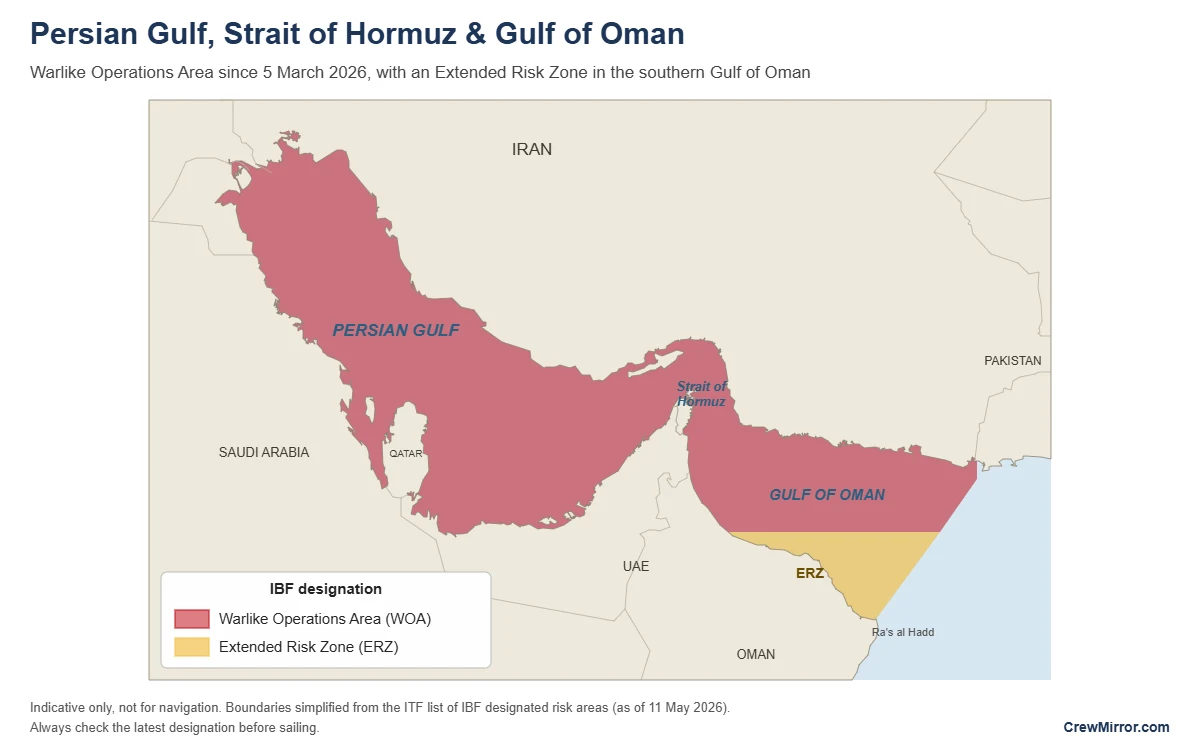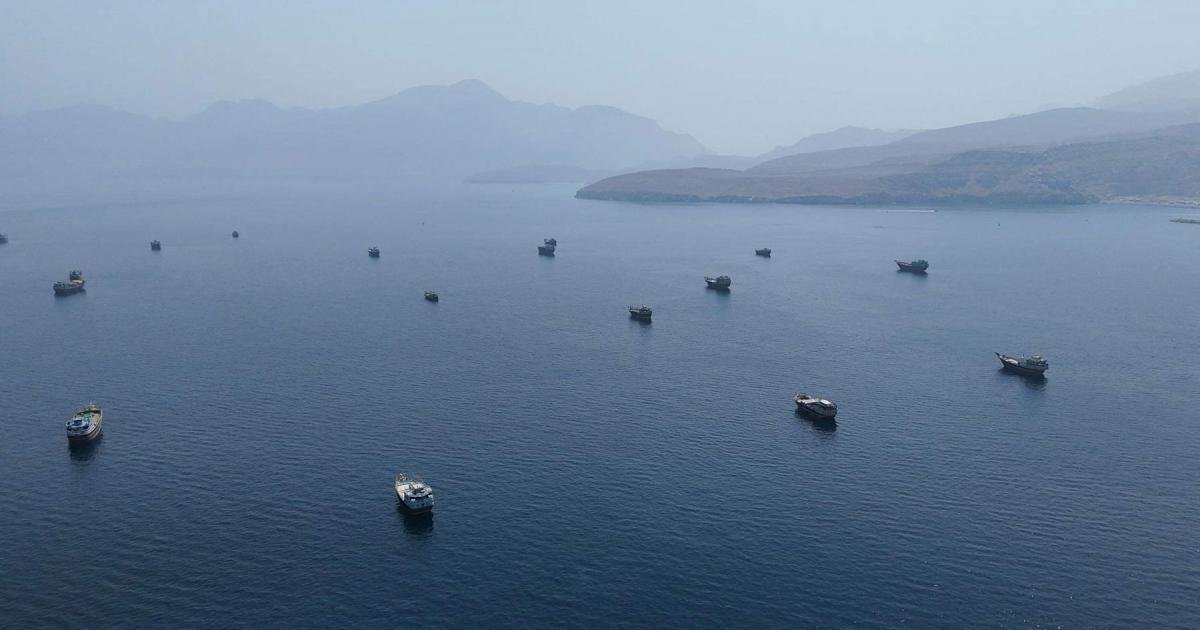
On Tuesday, only four commodity vessels transited the Strait of Hormuz, a significant decrease from the 10 recorded the previous day and below the 10-day average of approximately 13, according to preliminary shipping data released on Wednesday. The vessels included one very large crude carrier, one Panamax tanker, one Kamsarmax carrier, and one intermediate tanker, as reported by shiptracker Kpler at 0200 GMT. Notably, one vessel was entering the strait while three were departing.
These transit numbers may fluctuate, as it is common for some ships to turn off their transponders during their journeys. The reduced activity in the strait coincides with escalating tensions between the United States and Iran, following a series of U.S. airstrikes against Iranian targets on Tuesday. The Iranian Islamic Revolutionary Guard Corps responded by stating that the U.S. actions would “tighten the lock” on the Strait of Hormuz, a crucial maritime route responsible for transporting about one-fifth of the world’s oil supply prior to the conflict.
In contrast, the Bab al-Mandab strait saw 18 commodity vessels transiting on the same day, with seven vessels entering and 11 exiting. This is significantly lower than the average of around 24 ships that have passed through the strait over the past 10 days. Among those vessels were two Aframax tankers and one Suezmax tanker, highlighting ongoing maritime activity in another vital chokepoint in the Middle East.