Lloyd’s Register (LR) has released new guidance addressing the complexities of retrofitting ships with alternative fuels and energy-saving devices. As regulatory and commercial pressures mount—exemplified by initiatives like FuelEU Maritime and the Carbon Intensity Indicator—ship owners are increasingly looking to retrofit existing vessels to enhance efficiency, cut emissions, and prolong asset life. However, the challenges have evolved beyond merely choosing a fuel or technology; retrofitting now involves intricate considerations, including fuel storage, engine compatibility, safety systems, crew training, statutory approvals, and long-term operational impacts.
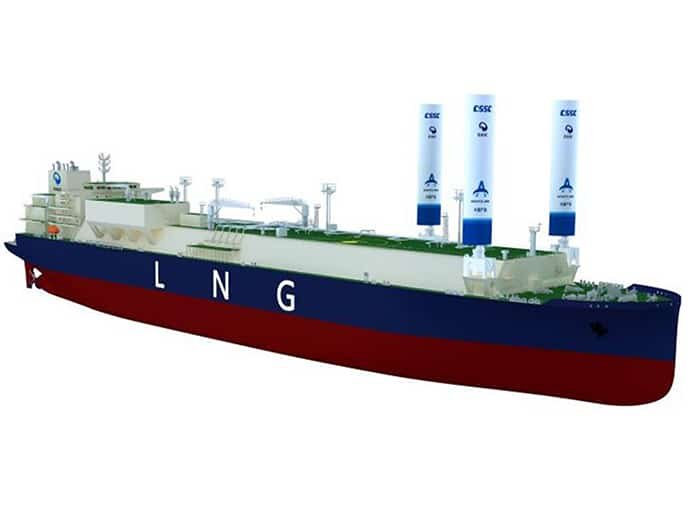
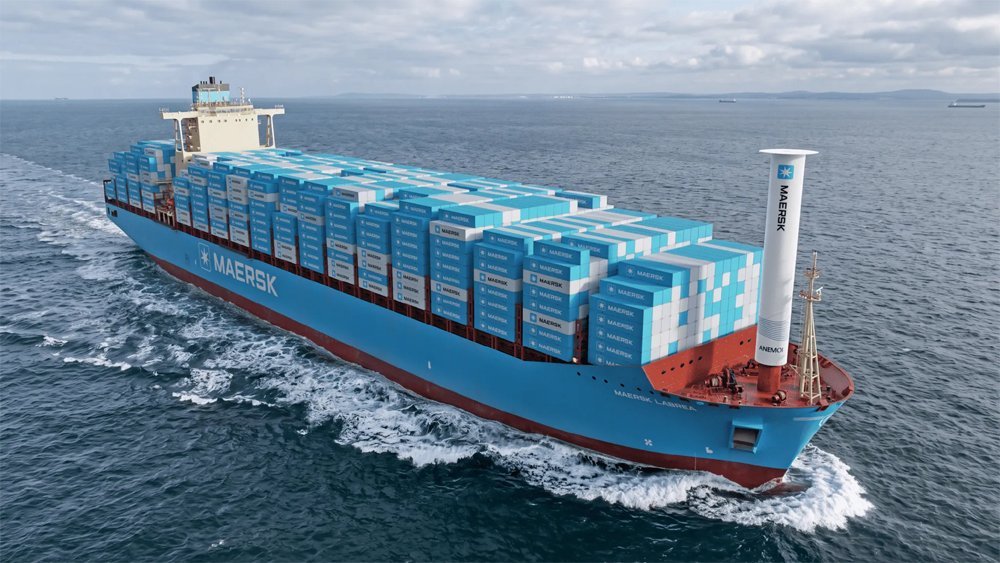
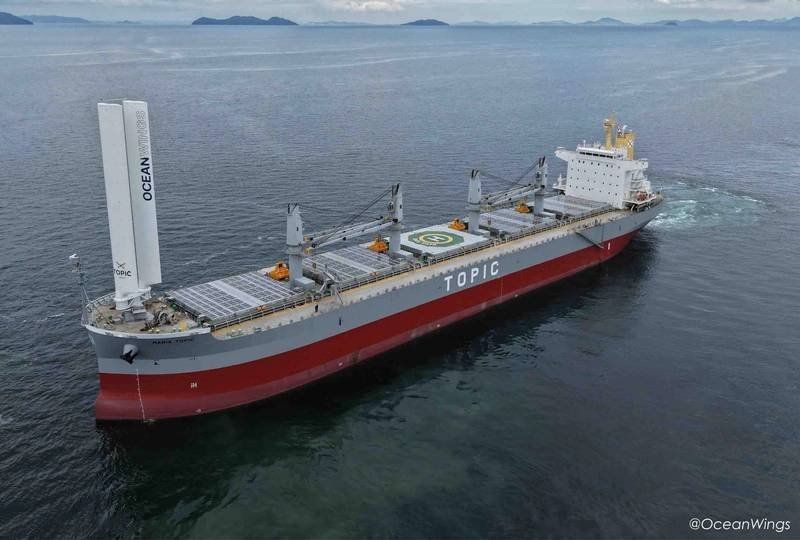
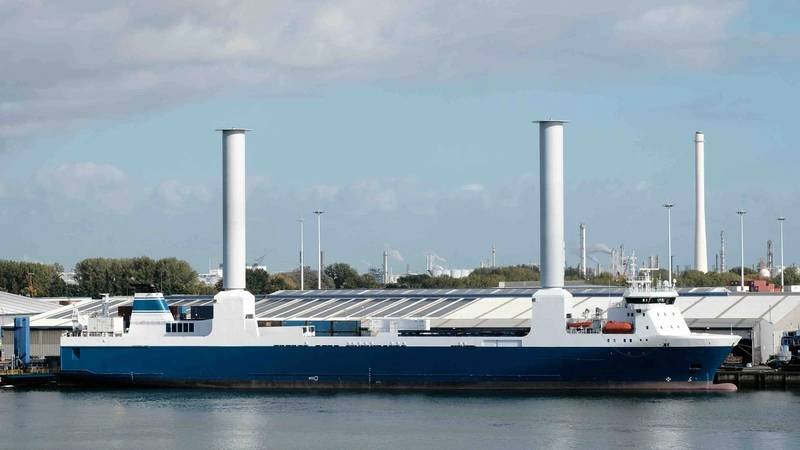
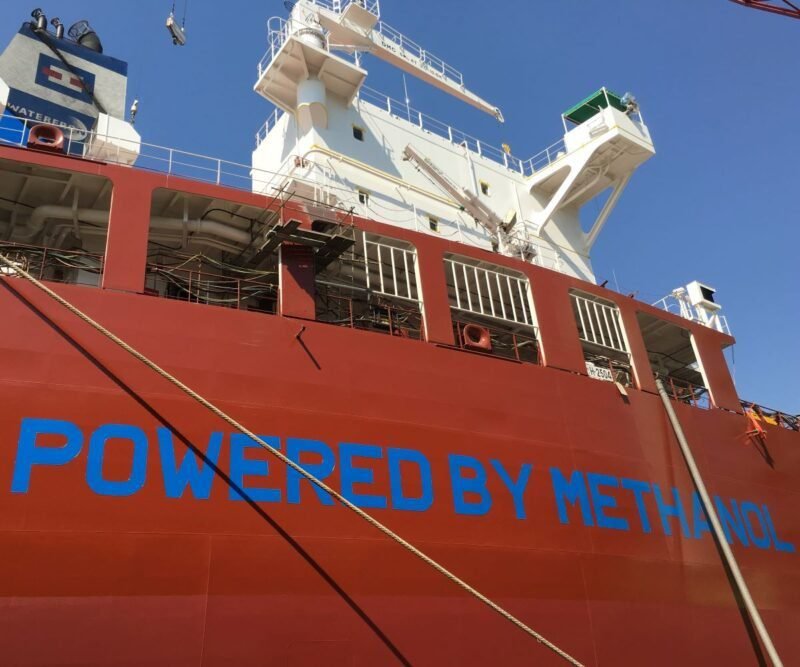
To assist the maritime industry in navigating these complexities, LR’s guidance consolidates information about various alternative fuels and energy-saving technologies into a comprehensive retrofit framework. It discusses practical aspects related to converting vessels to fuels such as LNG, methanol, ammonia, hydrogen, and LPG, as well as the installation of wind-assisted propulsion systems and air lubrication systems. A key takeaway is that many retrofit decisions need to be made much earlier in the process than owners might anticipate, as factors like engine conversion capabilities and fuel-system integration can significantly impact costs and timelines.
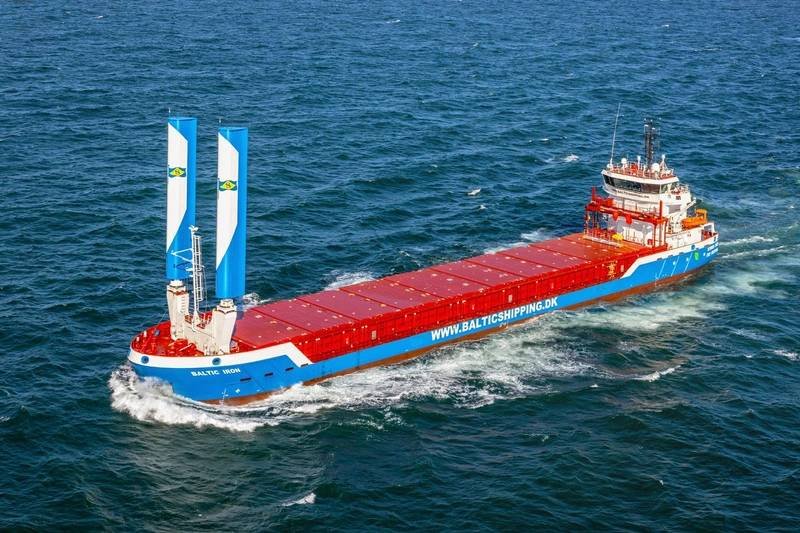
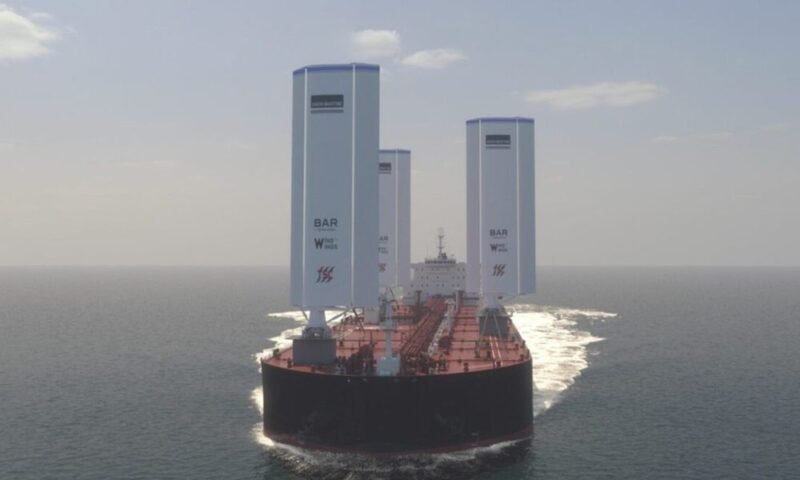
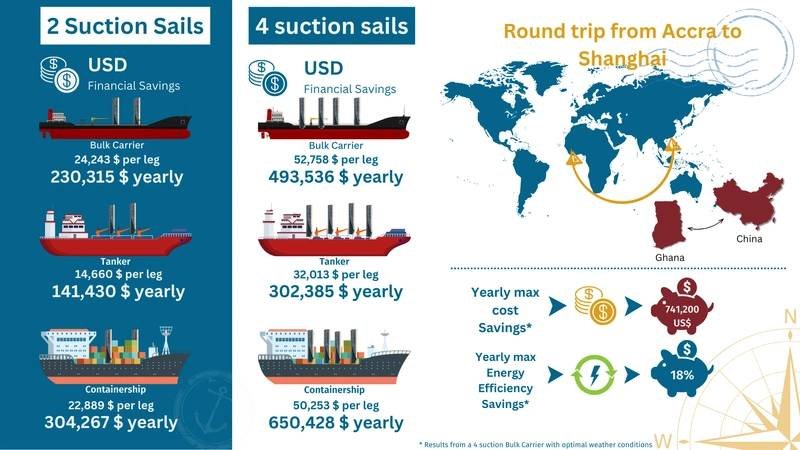
The guidance underscores the necessity for early collaboration among ship owners, shipyards, equipment manufacturers, and classification societies to mitigate delays and reduce project risks. Additionally, it highlights the potential for energy-saving technologies, noting that wind-assisted propulsion systems can qualify for incentives under FuelEU Maritime, recognizing their role in lowering greenhouse gas emissions.
Moreover, the guidance emphasizes that successful retrofit projects must address both technical and human factors. Comprehensive crew training, updated operating procedures, and new risk assessments are crucial, particularly when dealing with fuels like ammonia and hydrogen, which introduce unique safety considerations.