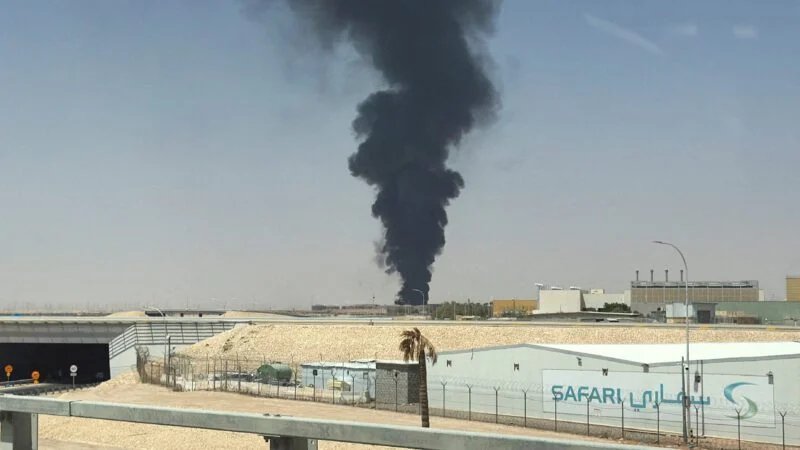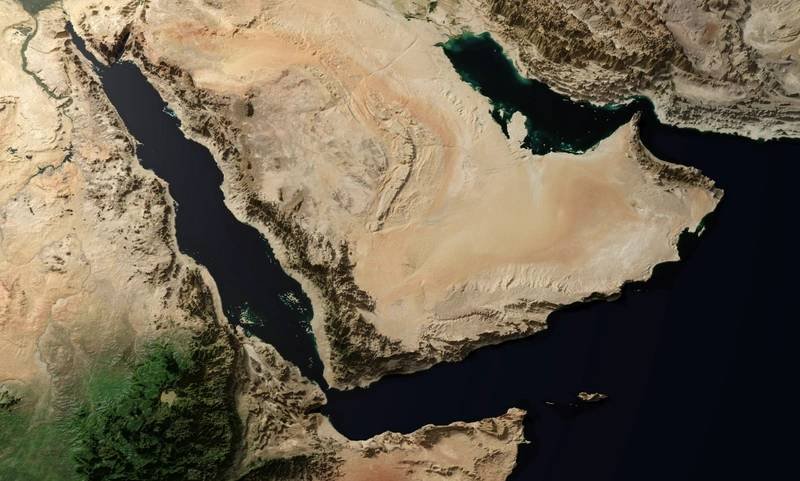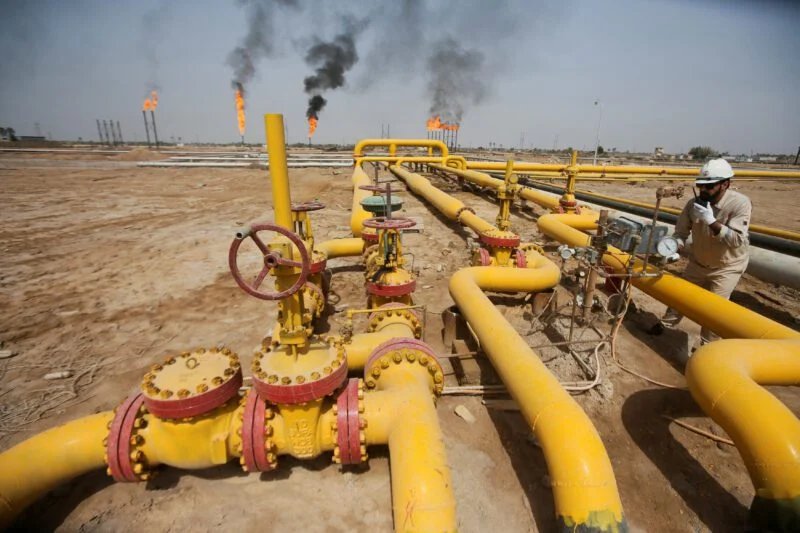
Gulf markets experienced a downturn on Thursday, largely influenced by threats from the Houthis to intensify attacks on Saudi Arabia, which is now facing the potential for a sixth consecutive weekly loss in its benchmark index. The Saudi index fell by 0.3%, primarily due to a significant 3.1% decline in ACWA Power Company and a 0.4% drop in the oil giant Saudi Aramco. The Houthis recently vowed to continue targeting airports and oil facilities in the kingdom, following a strike that severely damaged Aramco’s headquarters in Dhahran.
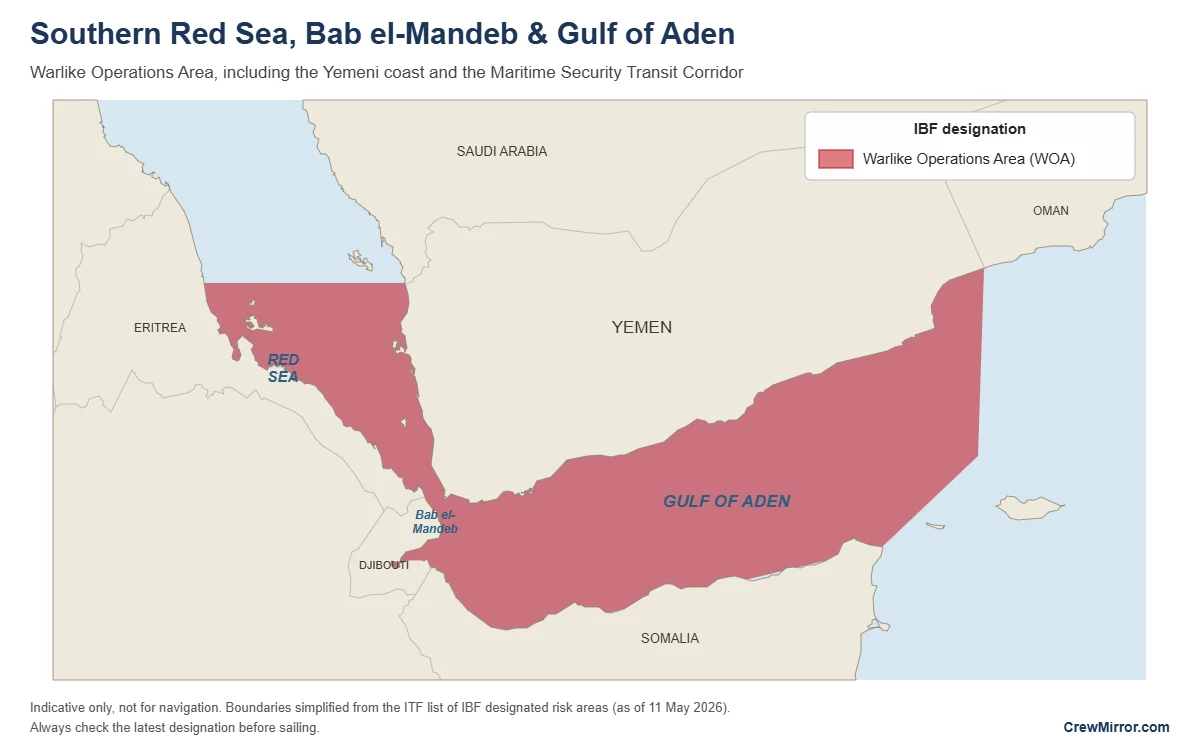
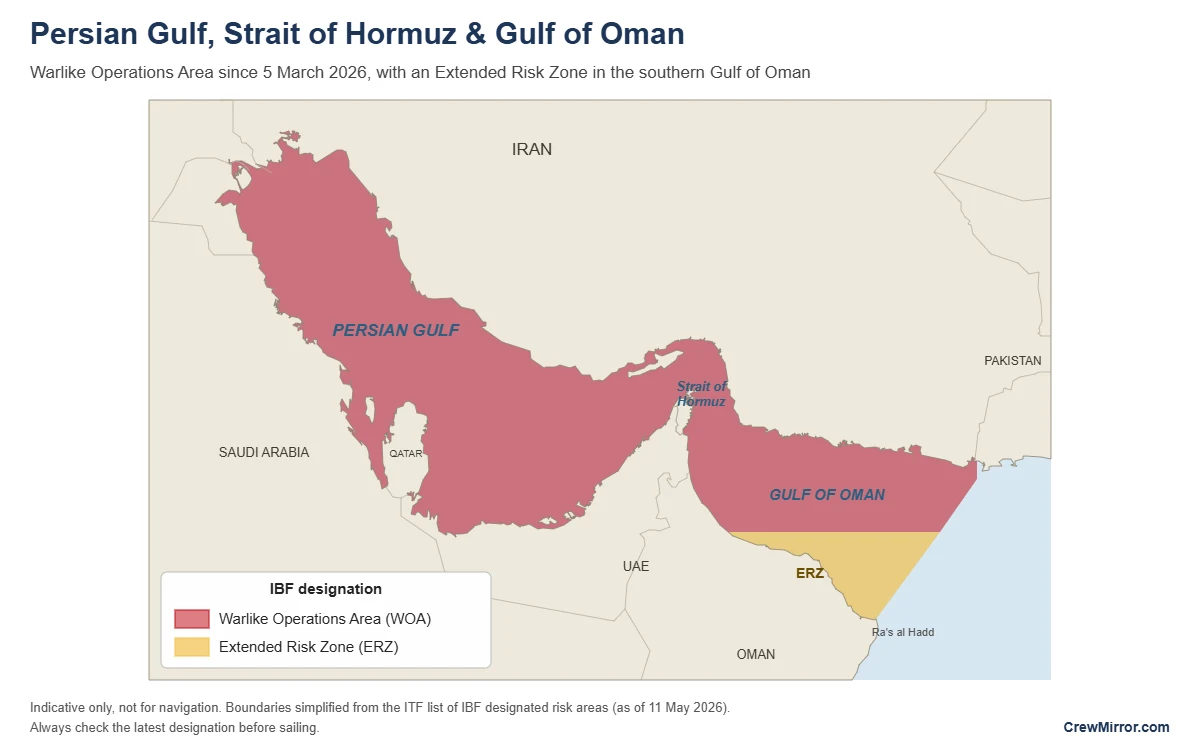
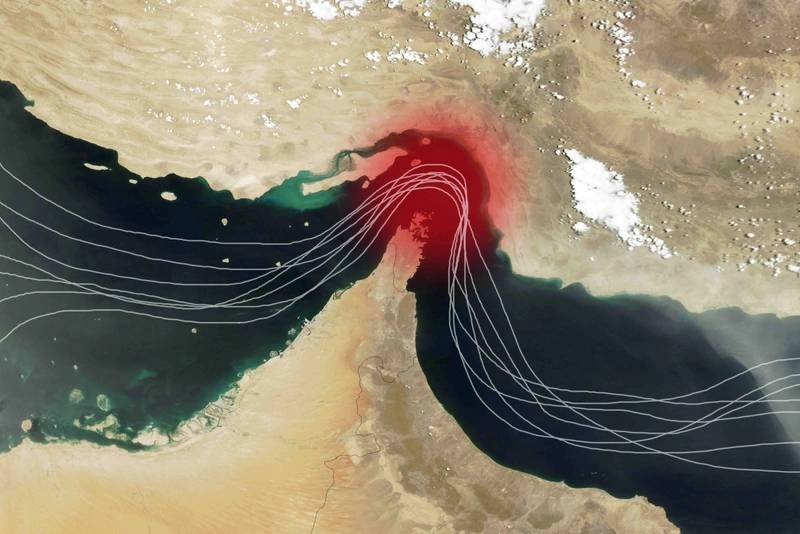
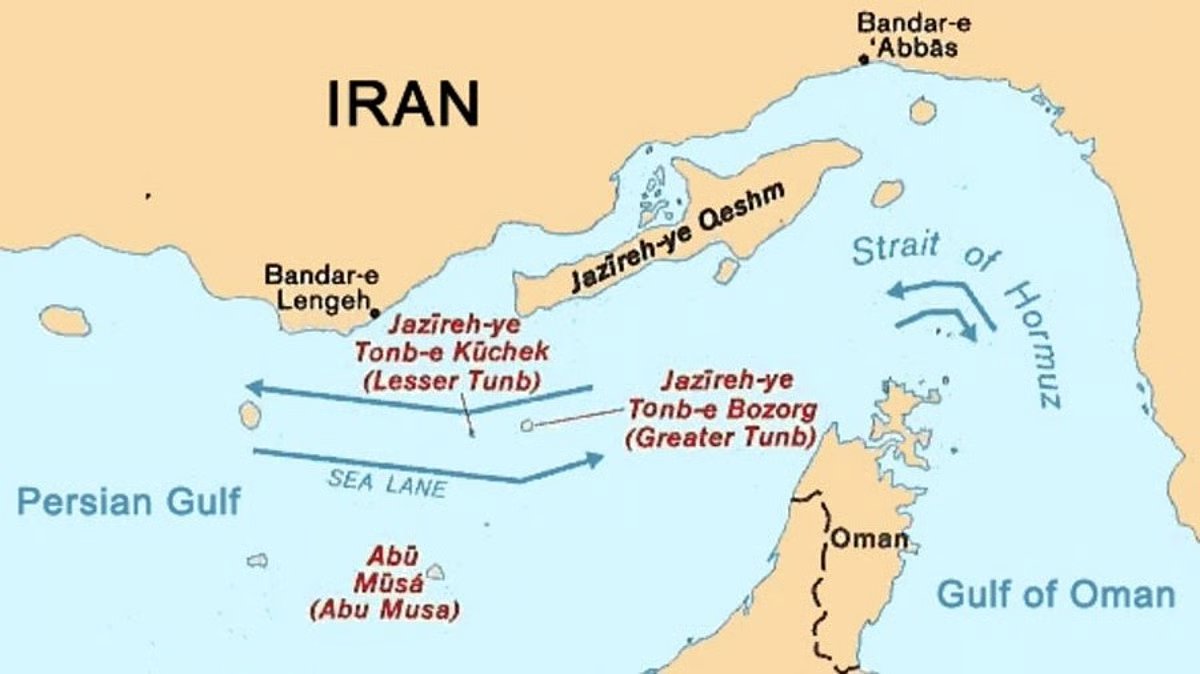
In light of the ongoing threats, the European Union and Gulf states have postponed a joint summit scheduled for next week in Saudi Arabia. Concerns over air travel disruptions due to the Houthi attacks have prompted this decision. Additionally, the international oil benchmark decreased by $1.15, or 1.1%, settling at $104.91 a barrel. Maritime risks are also rising, as two vessels sank near the Strait of Hormuz after being struck by projectiles in separate incidents.
Qatar’s index led the regional losses, dropping 1.2% to its lowest level in over six years, while Dubai’s main index fell by 1.1%, with Emirates NBD, the top lender, sliding 1.7%. Abu Dhabi’s index also experienced a slight decline of 0.3%. The International Monetary Fund has cautioned that a prolonged conflict in the Middle East could pose significant risks to the economies of the region, particularly regarding energy production and shipping routes.
Outside the Gulf, Egypt’s blue-chip index rose by 1.5%, recovering from a six-day slump. Despite facing a challenging external environment, Egypt has managed to stabilize its macroeconomy, although there are calls for accelerated reforms to reduce the state’s economic involvement.