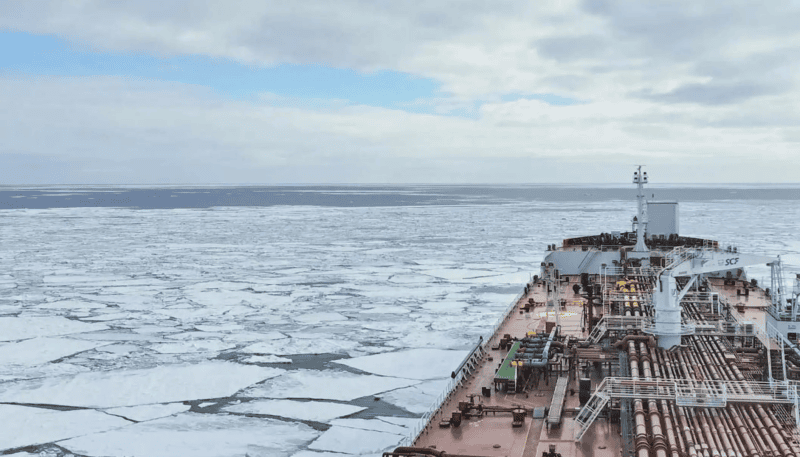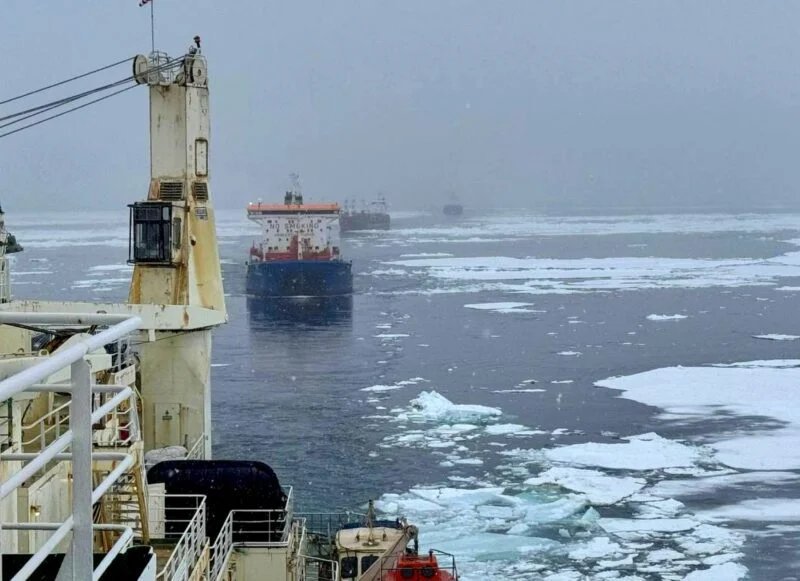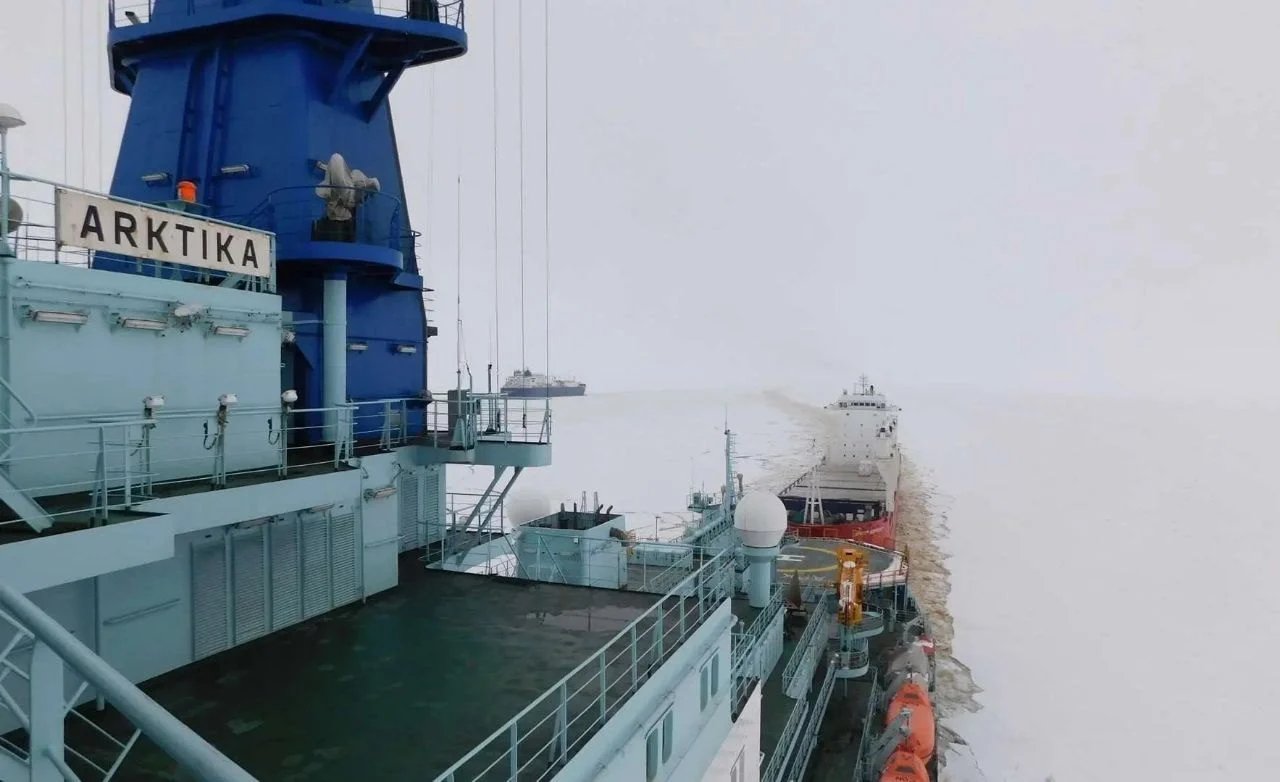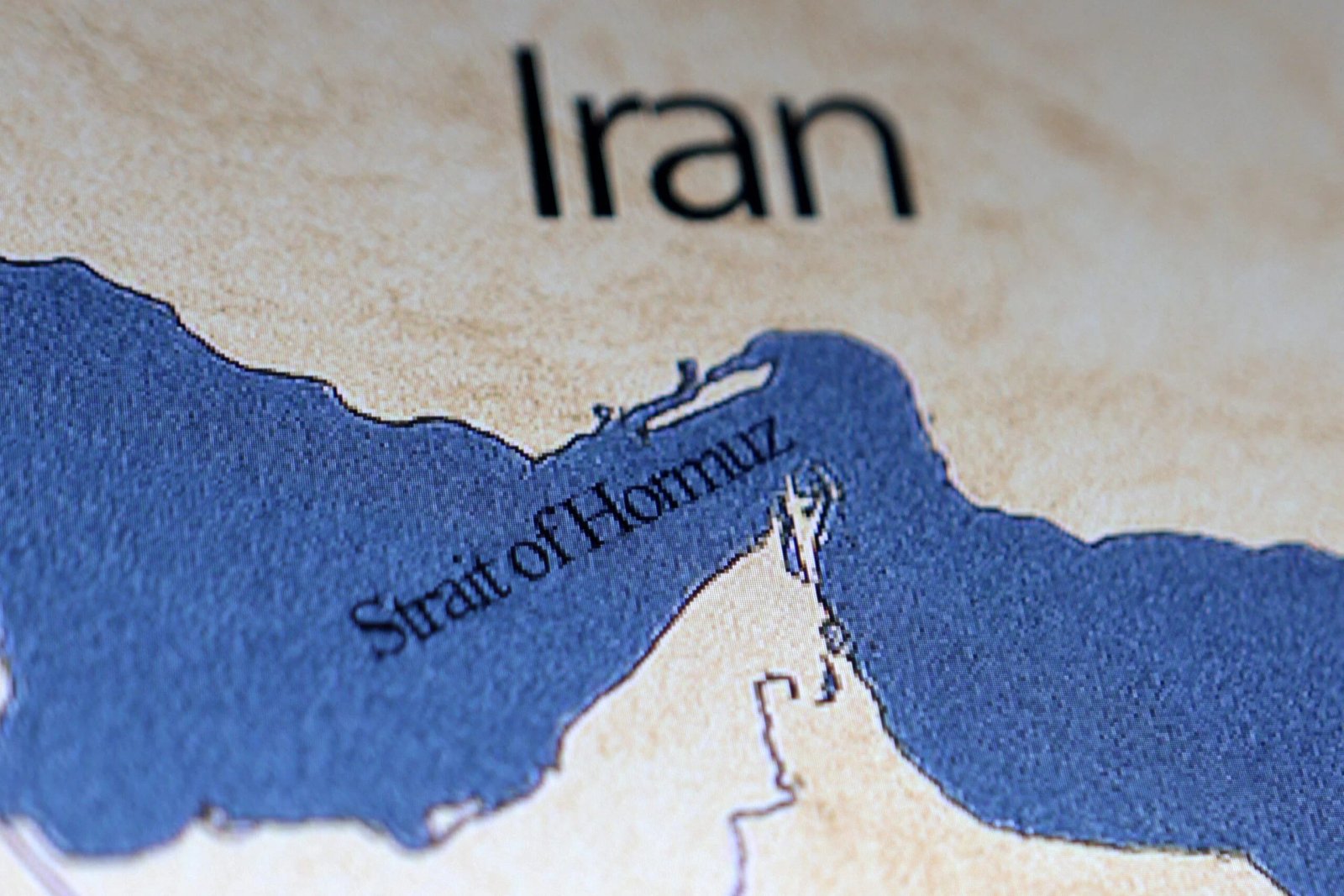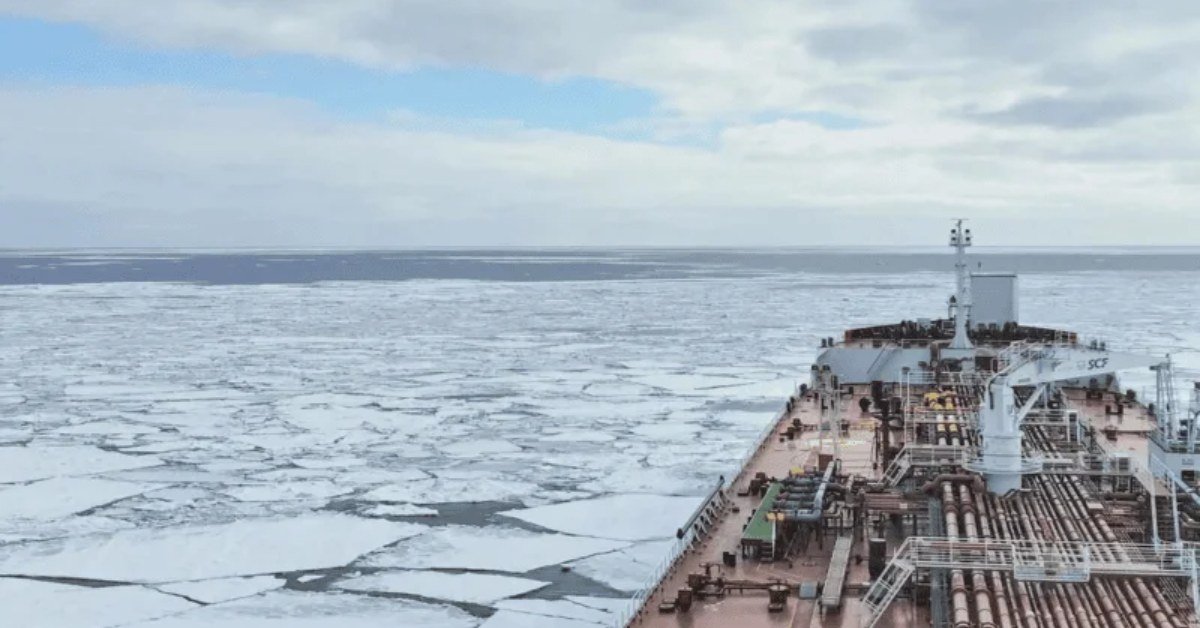
Russia’s oil exports along the Northern Sea Route (NSR) have surged significantly this year, with approximately 20 million barrels shipped to Asia from July to mid-October, marking an increase of nearly 50% compared to the previous year. The NSR, which connects Russia’s western ports to Asian markets via challenging Arctic waters, has gained favor due to disruptions in other shipping routes, including the Suez Canal and the Strait of Hormuz.
Record-high tanker freight rates are largely a result of ongoing conflicts in regions like Iran and Ukraine, causing inflation and limiting access to U.S. crude oil for Asian refiners. This situation has prompted refiners to seek alternative supplies from the Middle East and Latin America. Although the NSR entails high shipping tariffs due to the need for icebreaker assistance, these costs now seem lower relative to traditional routes through the Red Sea.
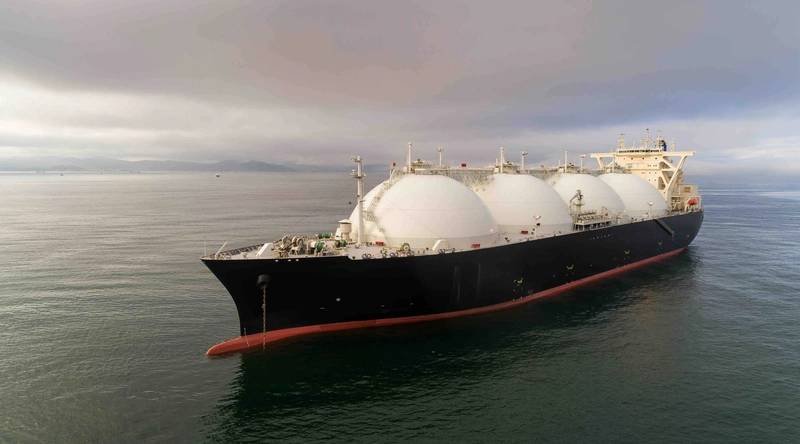
Looking ahead, Russian oil exports through the NSR are projected to expand by an additional 5-10 million barrels by the season’s end. Gazprom Neft plans to increase shipments via the route by 35% compared to last year. Additionally, the NSR supports significant volumes of LNG exports to Asia, with expectations of growth following the recent launch of Arctic LNG shipments. Russia anticipates that cargo turnover via the NSR will double to 70 million metric tons annually by the decade’s end, bolstered by major projects like Rosneft’s Vostok Oil.