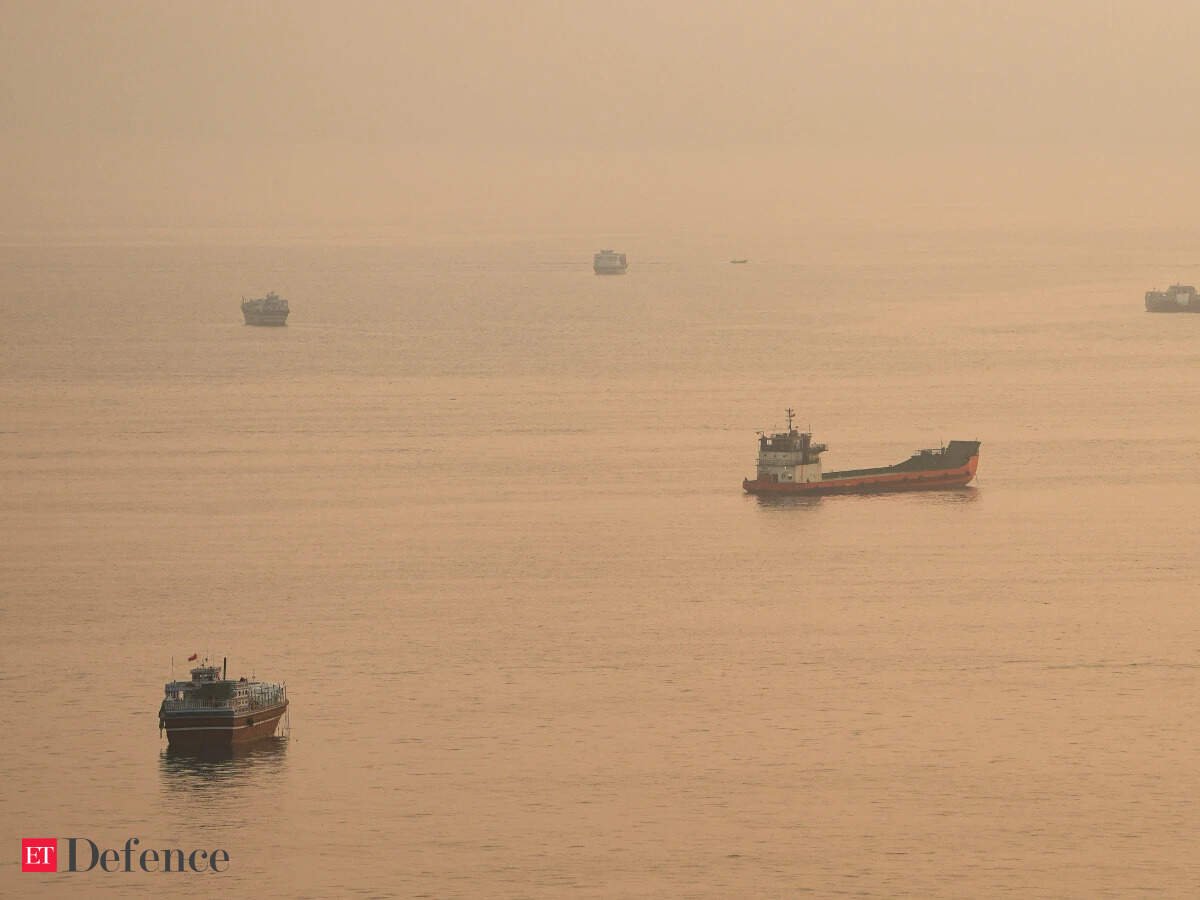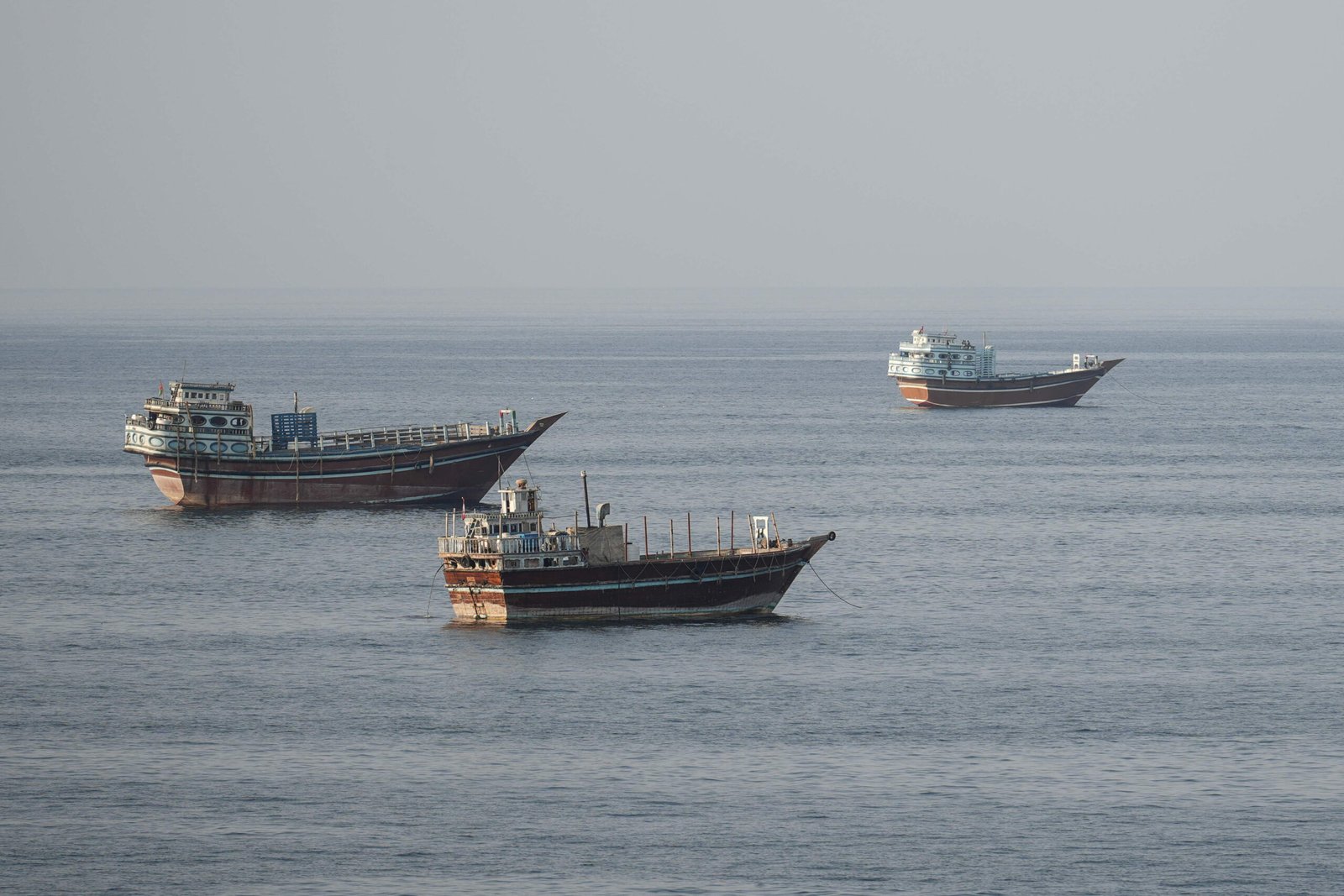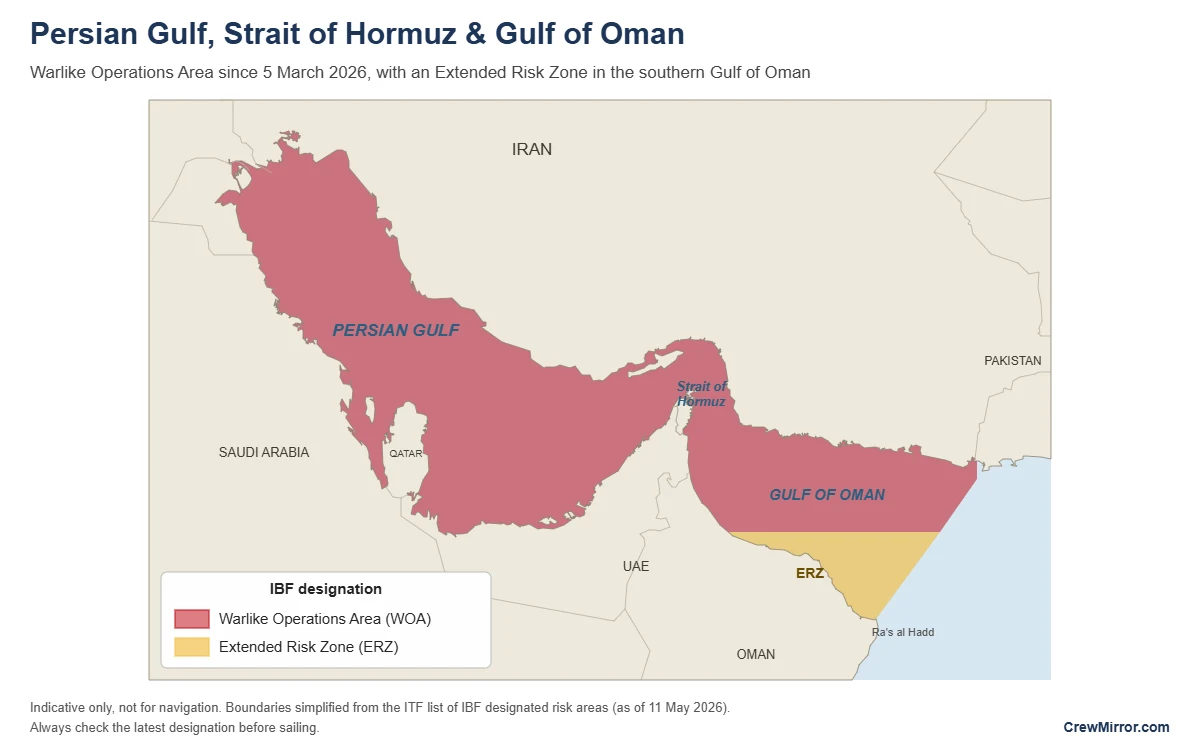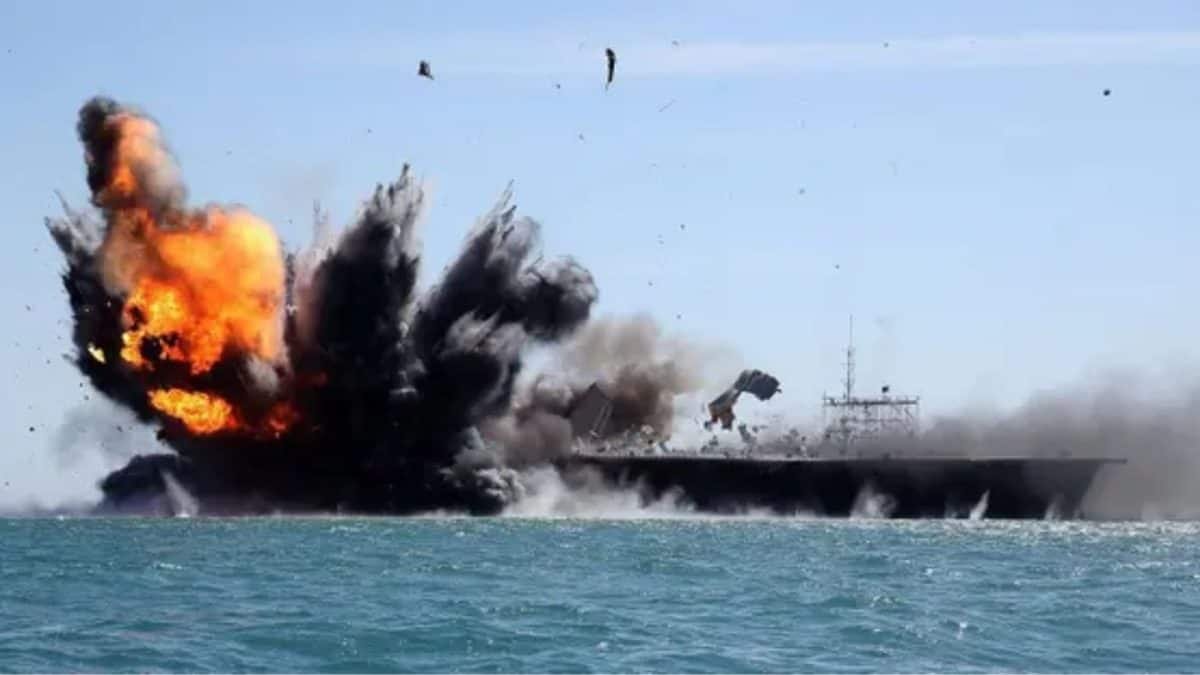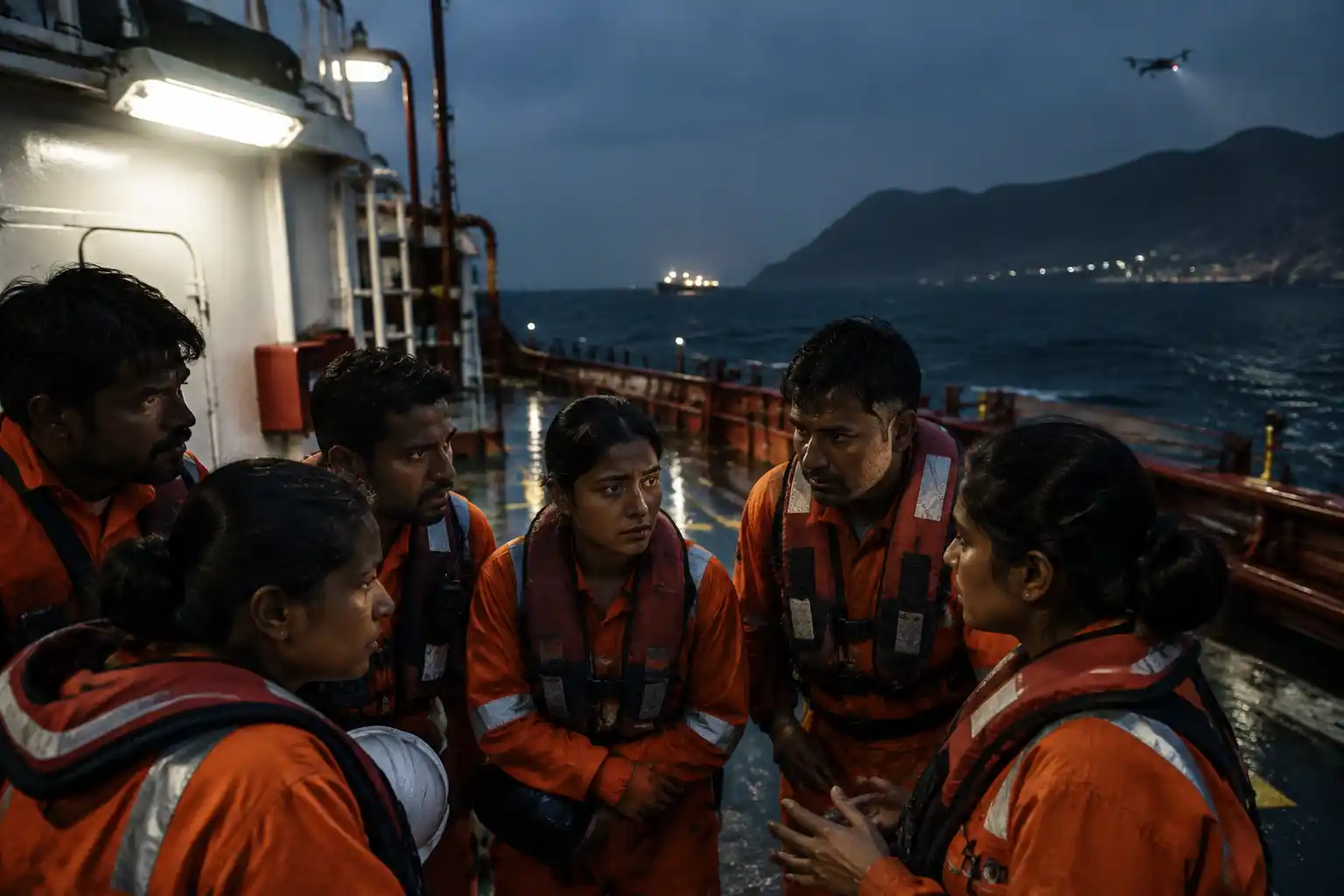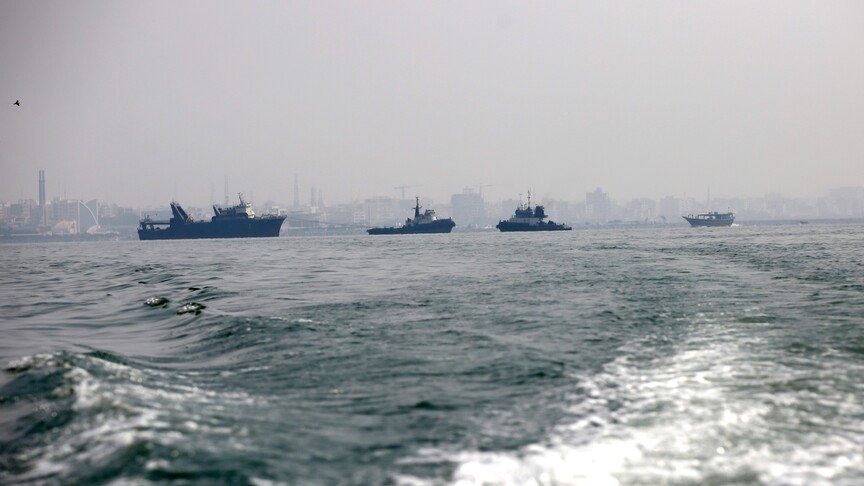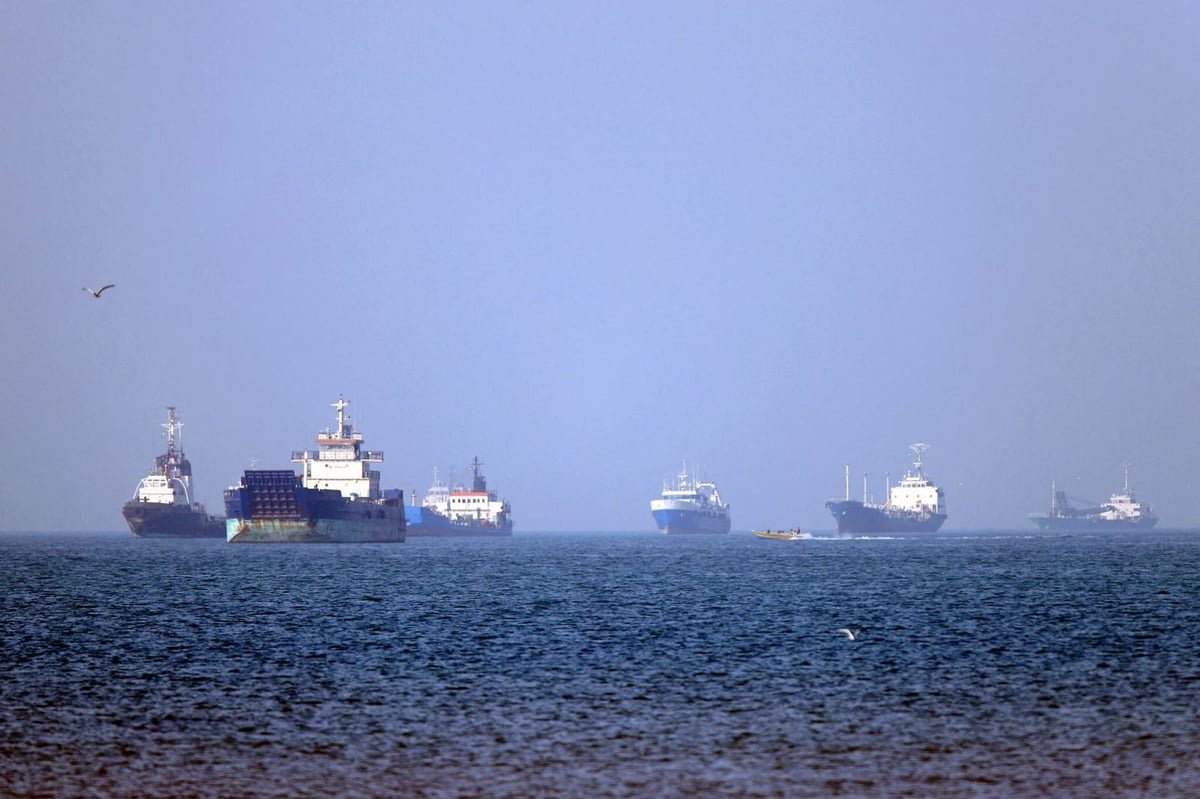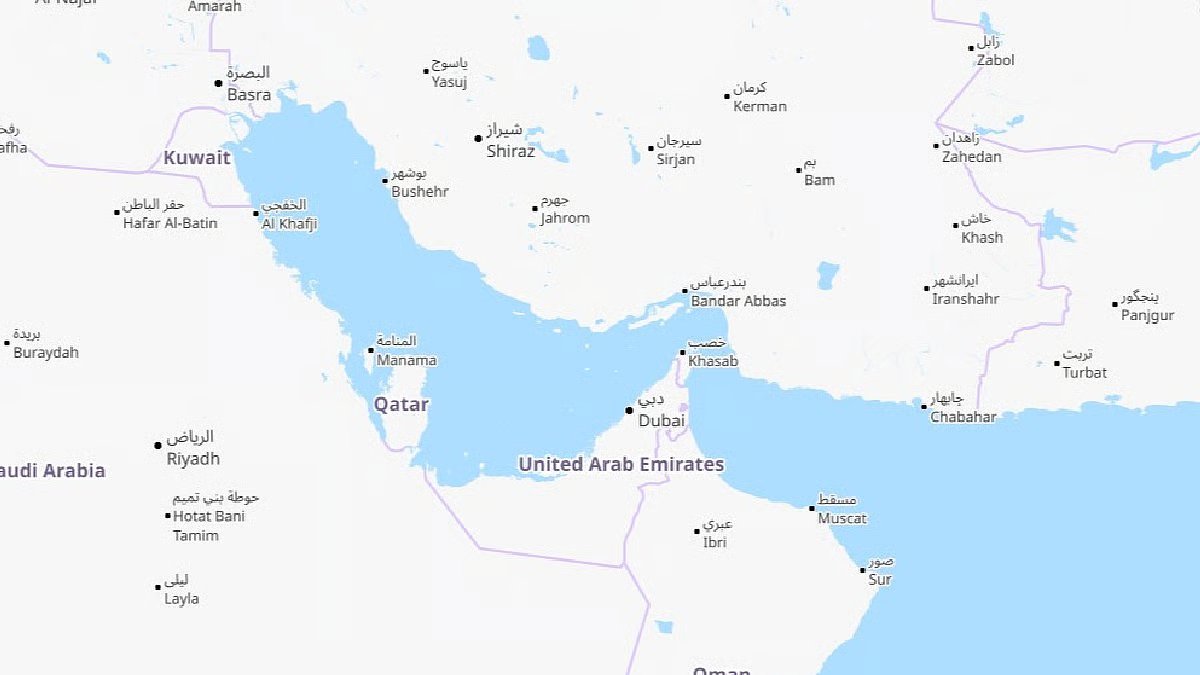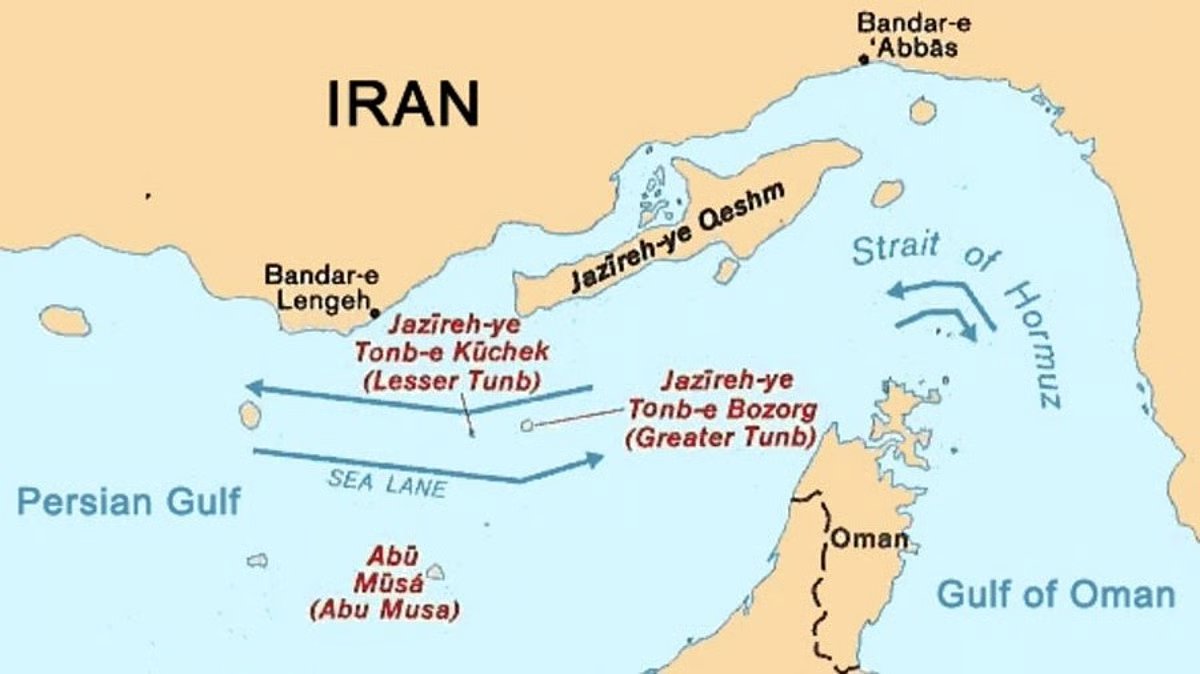
U.S. and Iranian negotiators in New York are discussing a phased approach to end the ongoing conflict, focusing on reopening the Strait of Hormuz and lifting the U.S. economic blockade on Iran. The strait has emerged as a crucial point in negotiations, with Iran seeking relief from sanctions that have severely impacted its economy, while the U.S. demands unrestricted passage for vessels in this vital oil route.
Challenges remain, as both sides are reluctant to yield their leverage. Iran acknowledges the economic toll of continued hostilities, suggesting a phased deal where navigation through Hormuz would resume in exchange for lifting sanctions and accessing frozen assets. Former U.S. negotiator Dennis Ross estimates a low likelihood of a pre-midterm agreement, yet both parties may have incentives to reach a deal before the elections, particularly to alleviate economic pressures.
Despite the desire for diplomacy, Tehran is preparing for potential military escalation, accusing the U.S. of coercive tactics. Gulf states have expressed concerns over Iranian control of the strait and are advocating for de-escalation. The U.S. has intensified sanctions, further constraining Iran’s economy, while the region remains wary of the conflict’s implications for stability and navigation in strategic waterways.