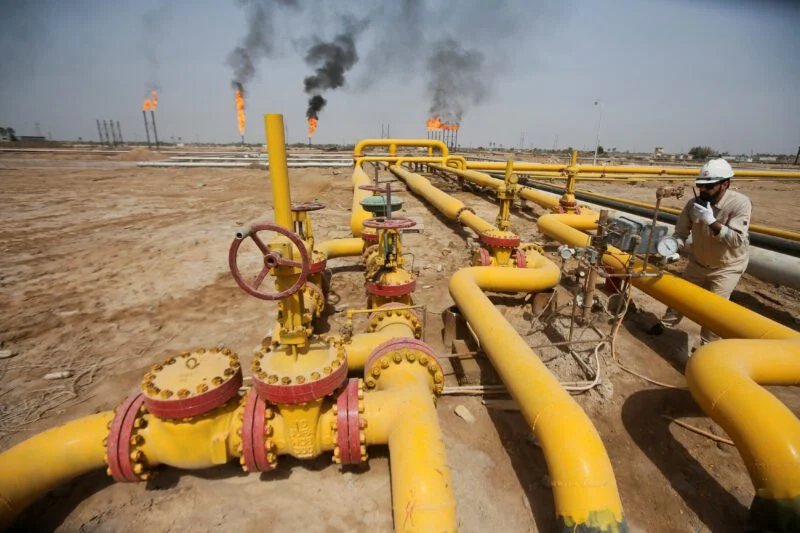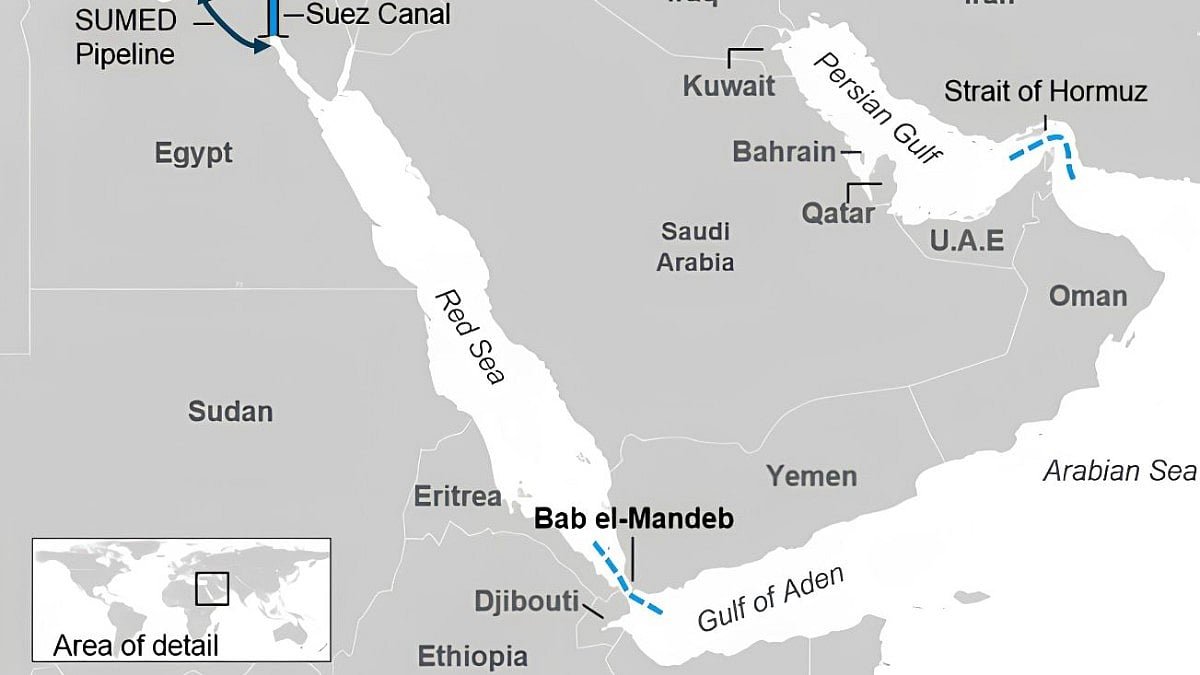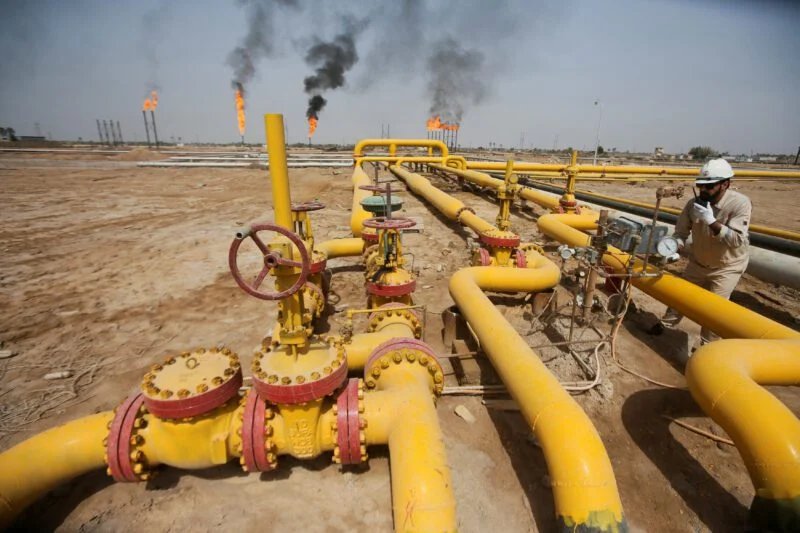
Saudi Arabia aims to boost its oil pipeline capacity to 10 million barrels a day over the next two to three years, according to Energy Minister Prince Abdulaziz bin Salman. In response to ongoing Houthi attacks on its energy and aviation sectors, the kingdom is prioritizing improvements for its infrastructure to enhance resilience. These enhancements include upgrading pumping stations along the East-West pipeline, which has been vital for exports since the onset of the US-Iran war, and modifying a gas pipeline to enable crude transportation.
Currently, the East-West pipeline was transporting approximately 5.8 million barrels per day as of early October, having resumed operations after a recent drone strike. This pipeline plays a crucial role in exporting crude from the Yanbu port on the Red Sea and supplying the refineries along the west coast of Saudi Arabia. The minister expressed optimism about achieving the 10 million barrels per day goal, focusing on enhancing the efficiency of pumping stations.
The project also involves adapting the repurposed gas pipeline to carry up to 1.2 million barrels a day within weeks, with potential for future investment to increase capacity to 3 million barrels. However, this temporary arrangement is contingent on returning the pipeline to gas supply duties during the summer months, which reflects the kingdom’s strategic dual-use capability to transport either oil or gas as needed.