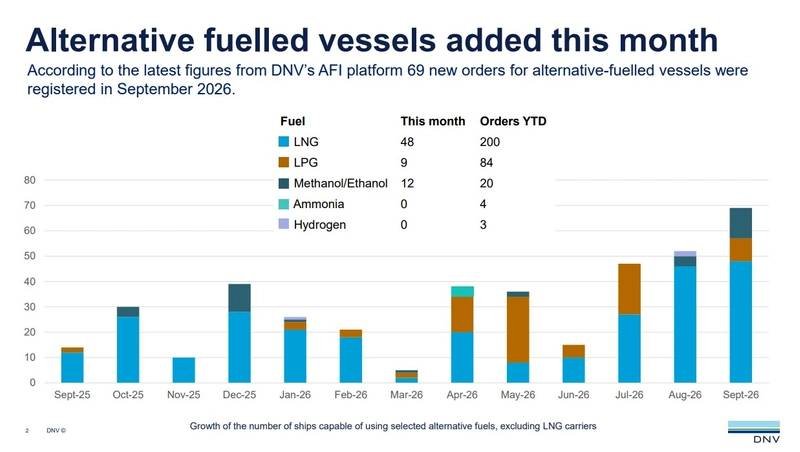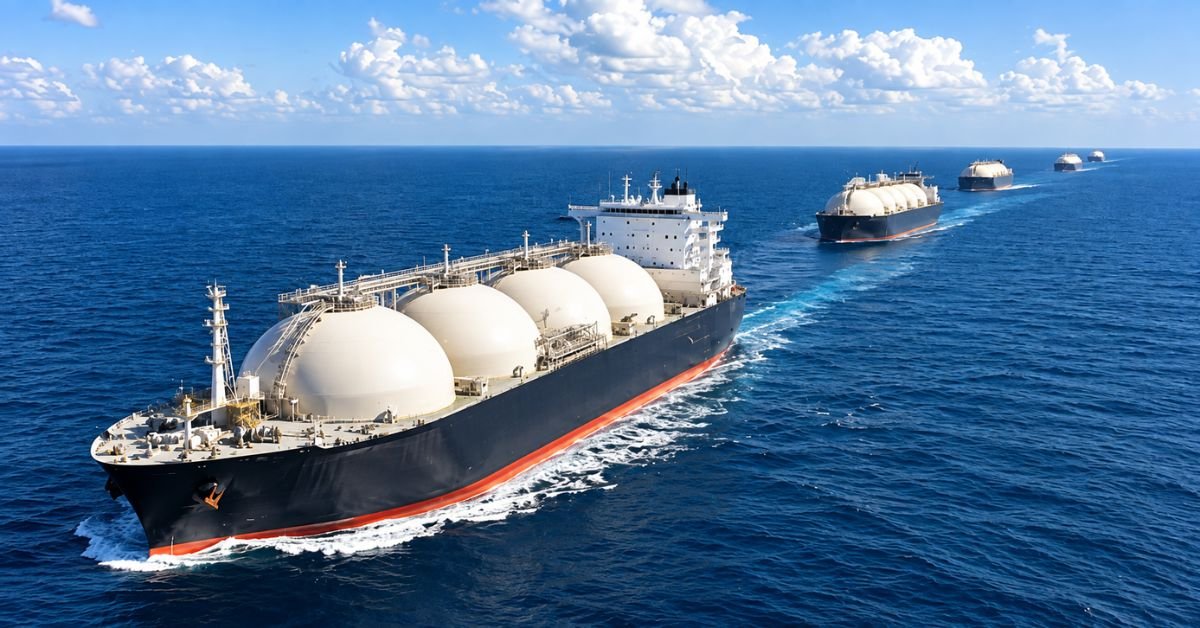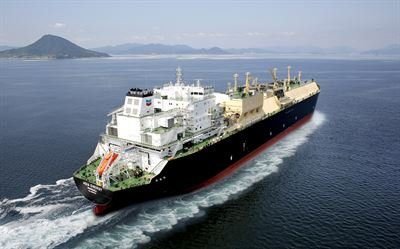
For the past decade, LNG has been promoted as a transitional fuel for the shipping industry due to its cleaner profile compared to heavy fuel oil, widespread availability, and established engine technology. This has led to a significant increase in LNG-fueled vessels, with over 1,550 currently in service or on order, a remarkable jump from just 81 when the SEA-LNG coalition was formed in 2016. The demand continues to rise, with 73 LNG dual-fuel vessels ordered in the first half of 2026 alone, comprising about 90% of all alternative fuel orders.
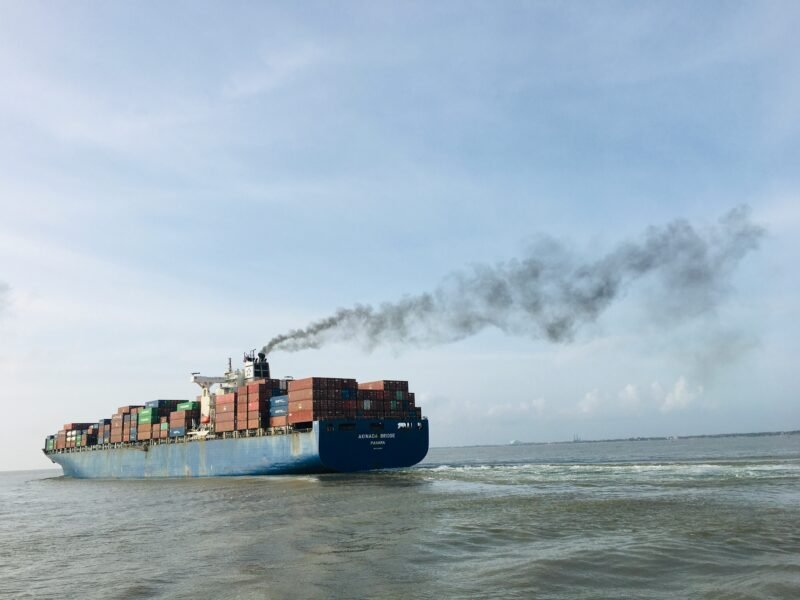
Despite its advantages, LNG has a notable drawback: methane slip, where not all methane is combusted, resulting in some being released into the atmosphere. This issue has now gained prominence, as the EU Emissions Trading System now includes methane and nitrous oxide emissions from ships. The estimated methane slip for common dual-fuel engines has been set at 3.1%, but independent studies suggest actual slip rates can be as high as 6.4%, especially during lower engine loads, prompting calls for regulatory adjustments.
To address this, collaborative efforts like the Methane Abatement in Maritime Innovation Initiative (MAMII) have emerged, aiming to innovate and implement technologies that accurately measure and reduce methane emissions from LNG-fueled shipping. Early studies have yielded promising results, with some technologies achieving significant reductions in methane slip during testing. However, challenges remain in ensuring that measurement methods are standardized and that data is easily accessible, especially concerning fugitive emissions during bunkering and operations. As regulatory measures evolve, having clear, verified emissions data will be essential for shipowners to maintain compliance and effectively demonstrate their emissions performance.