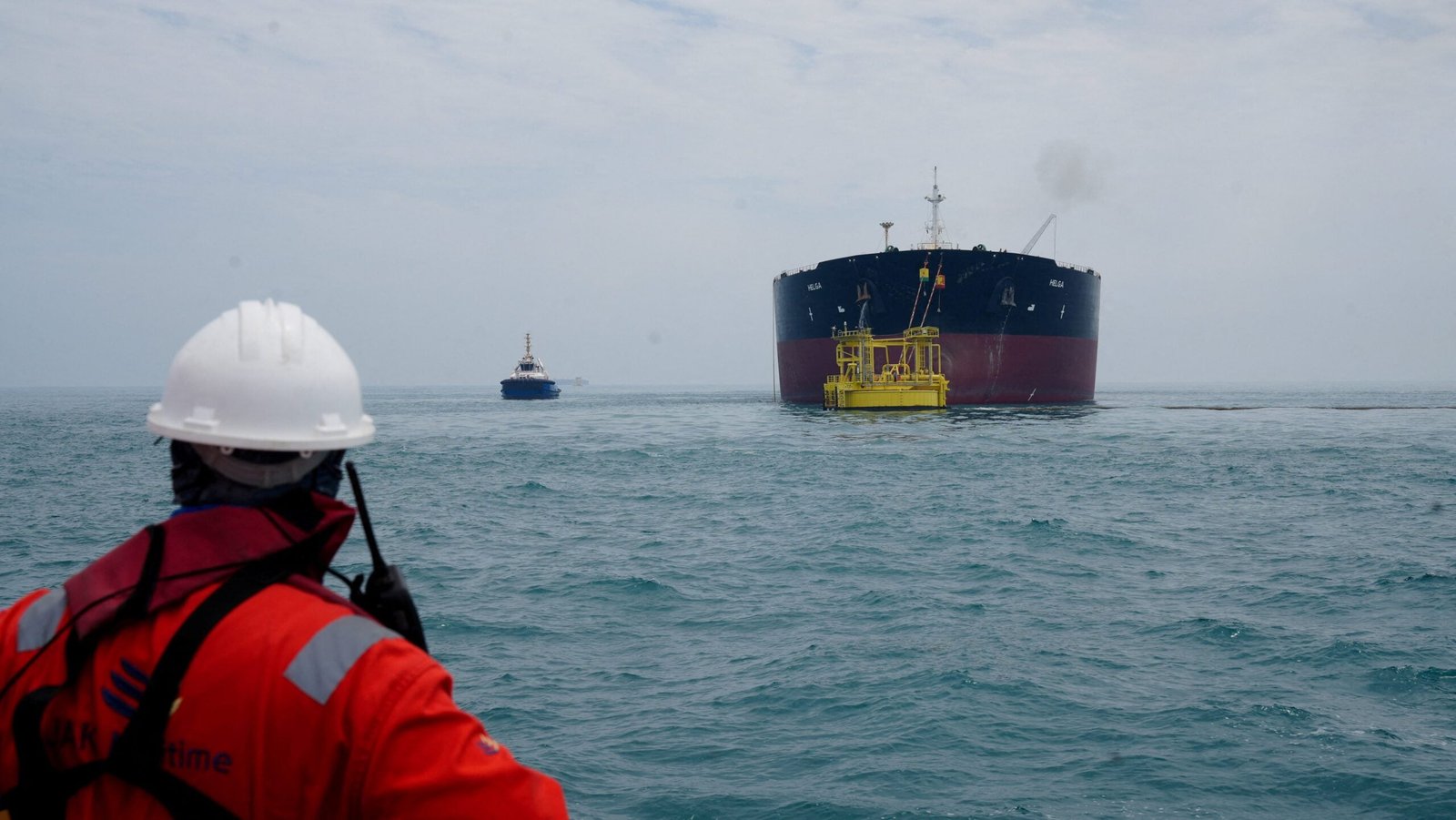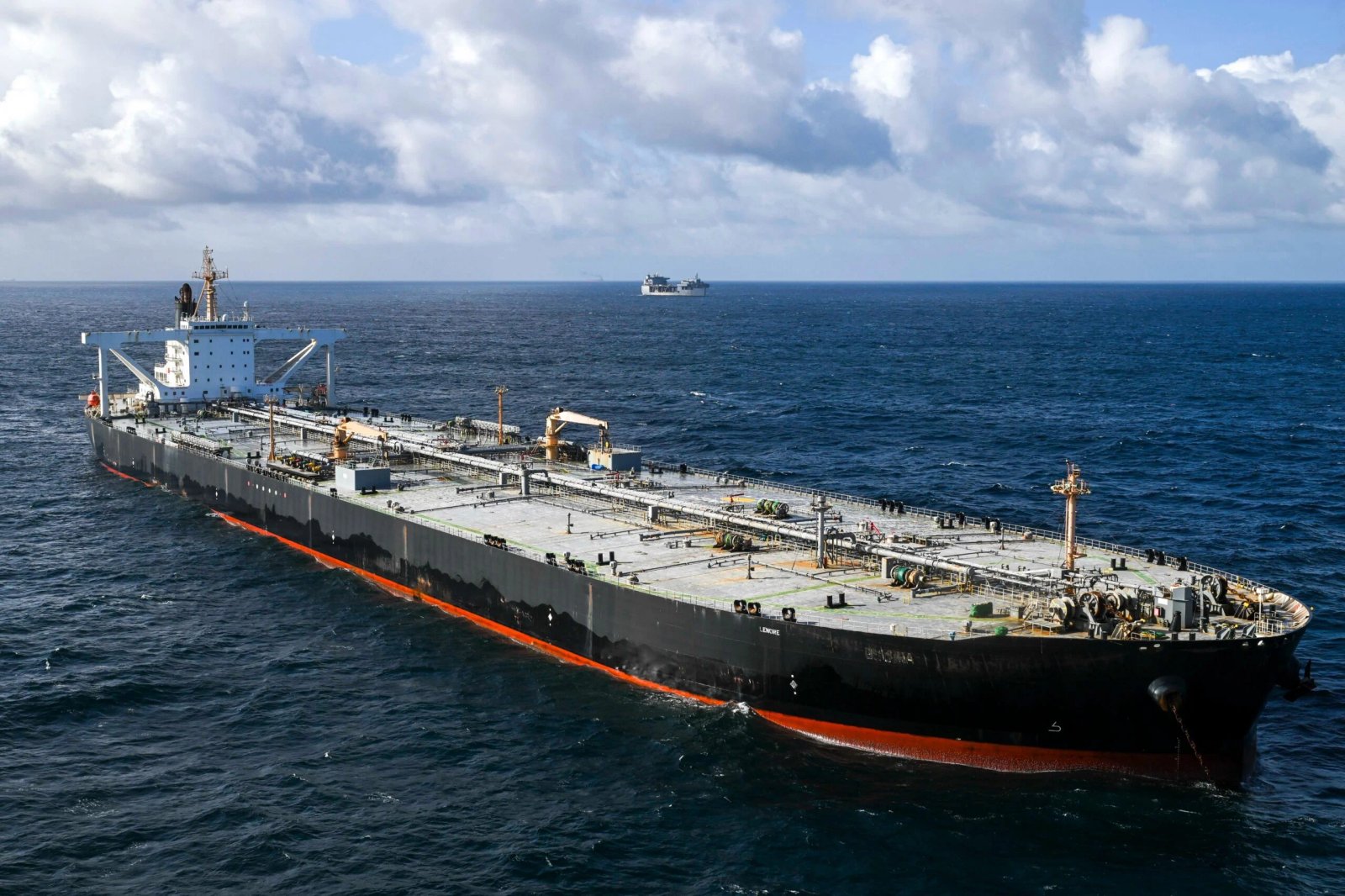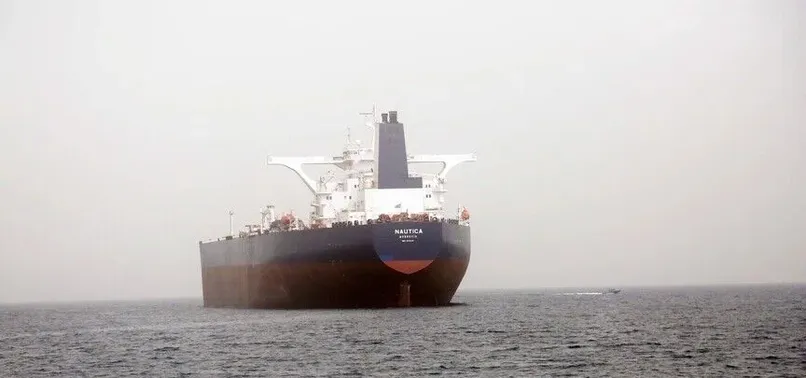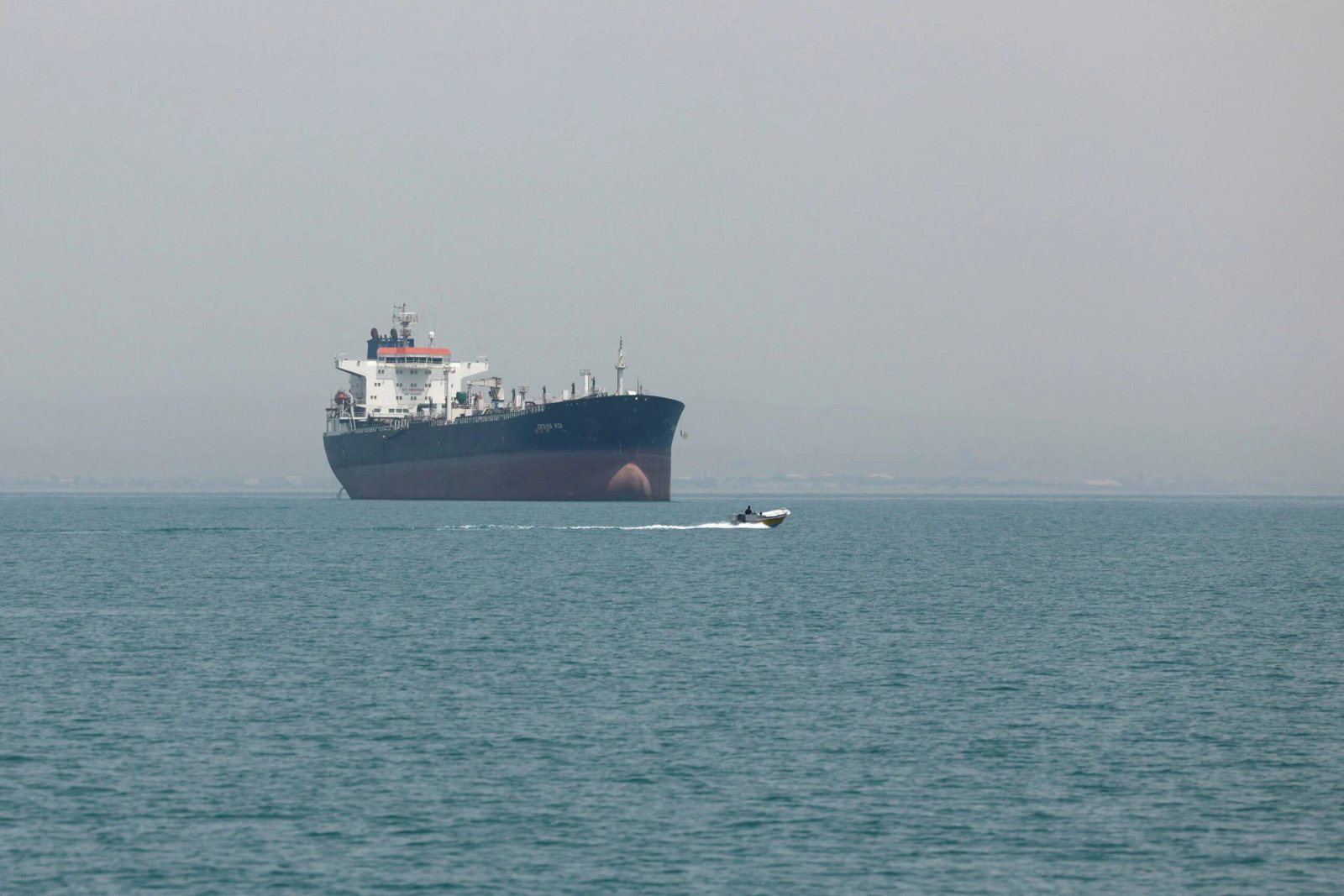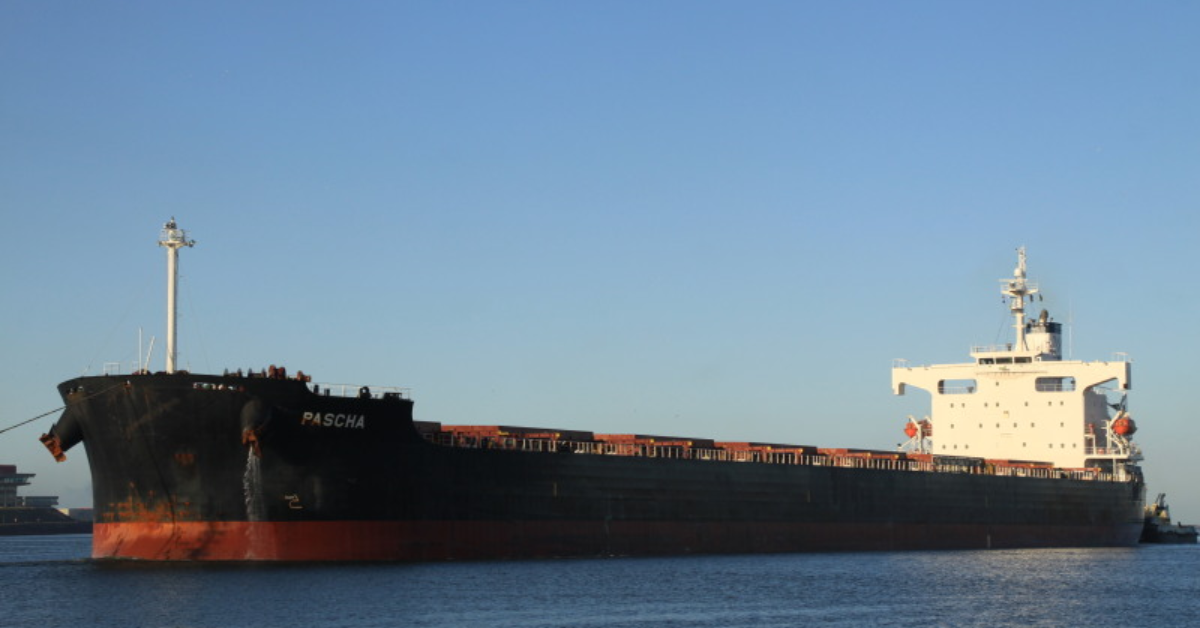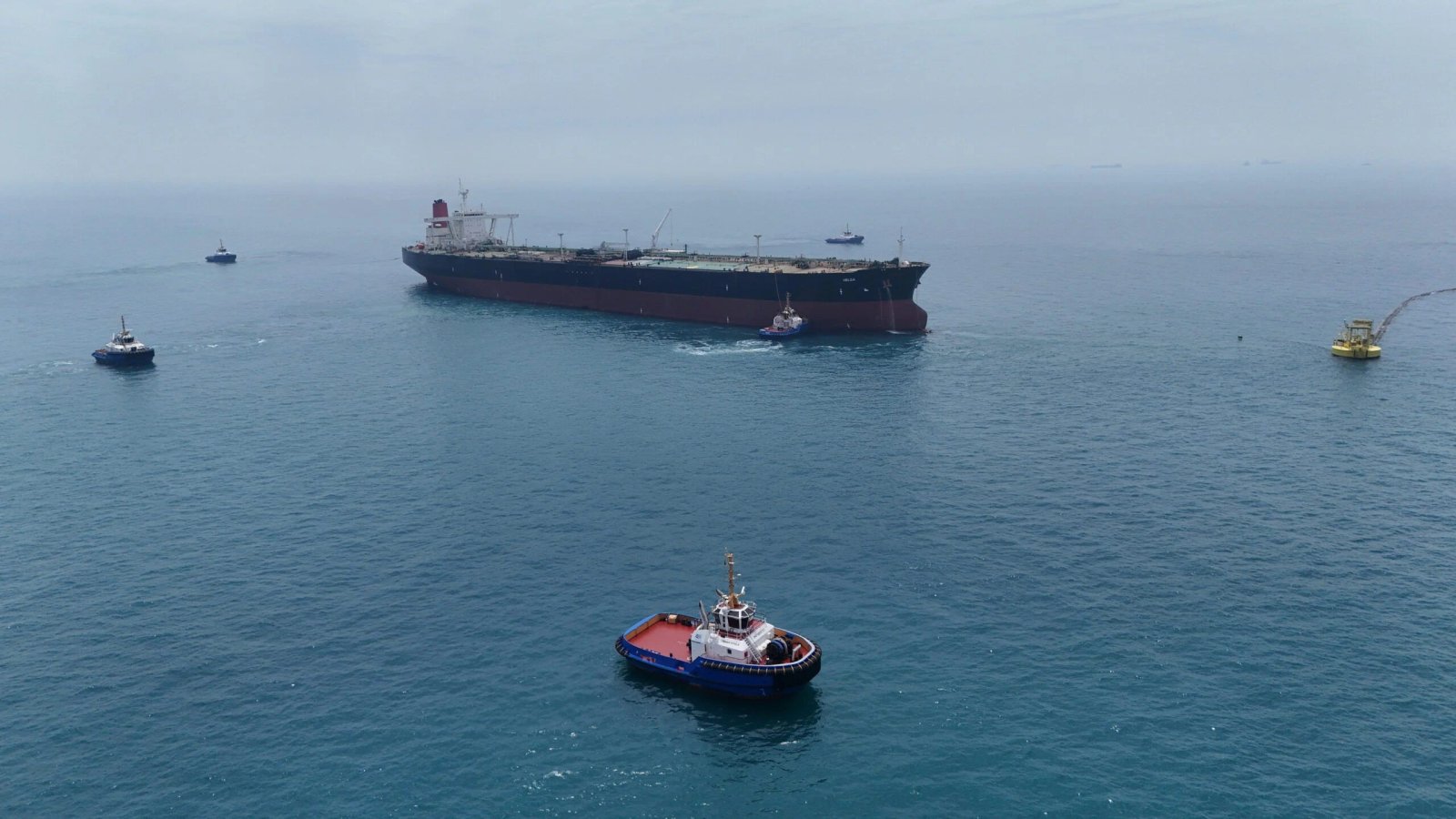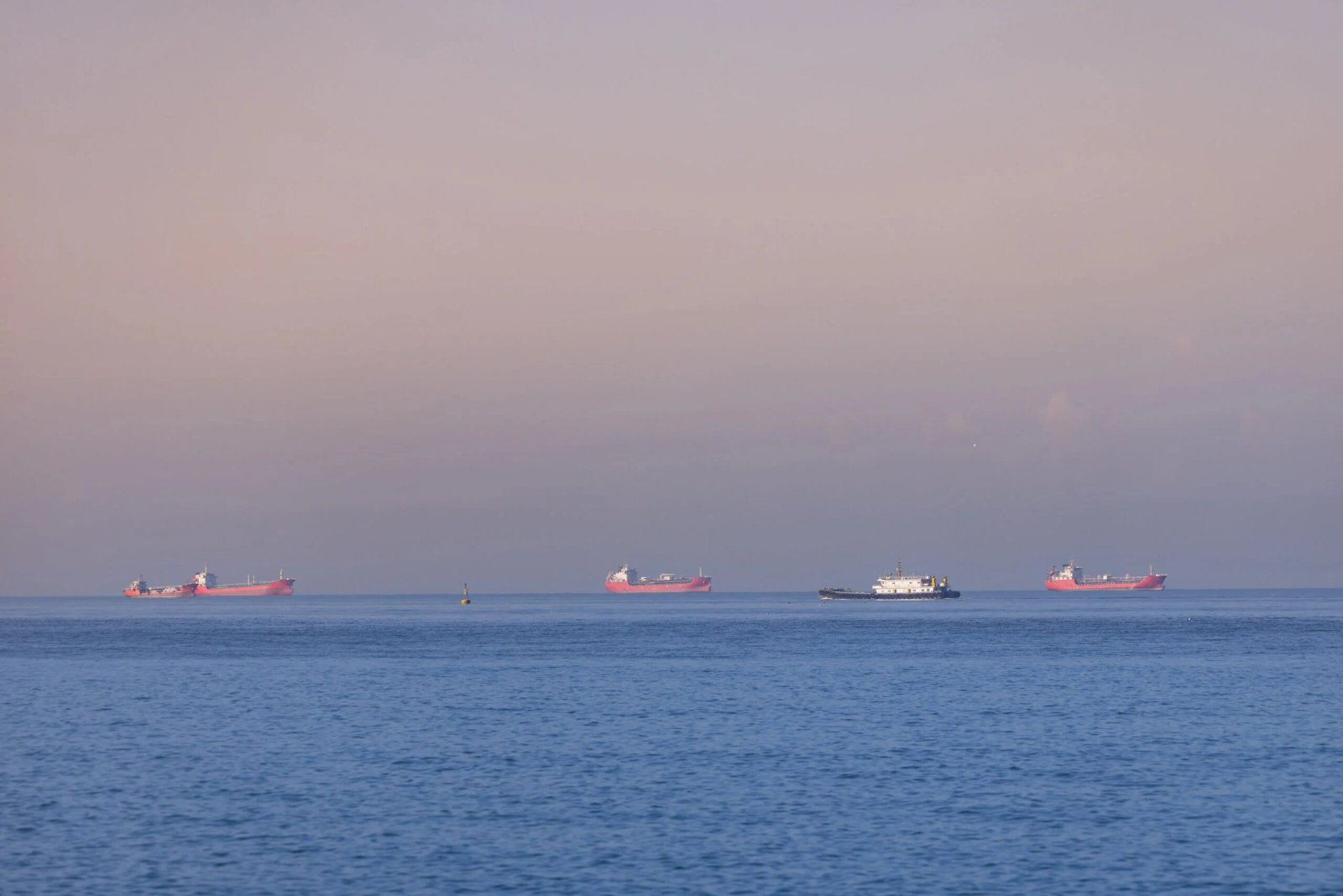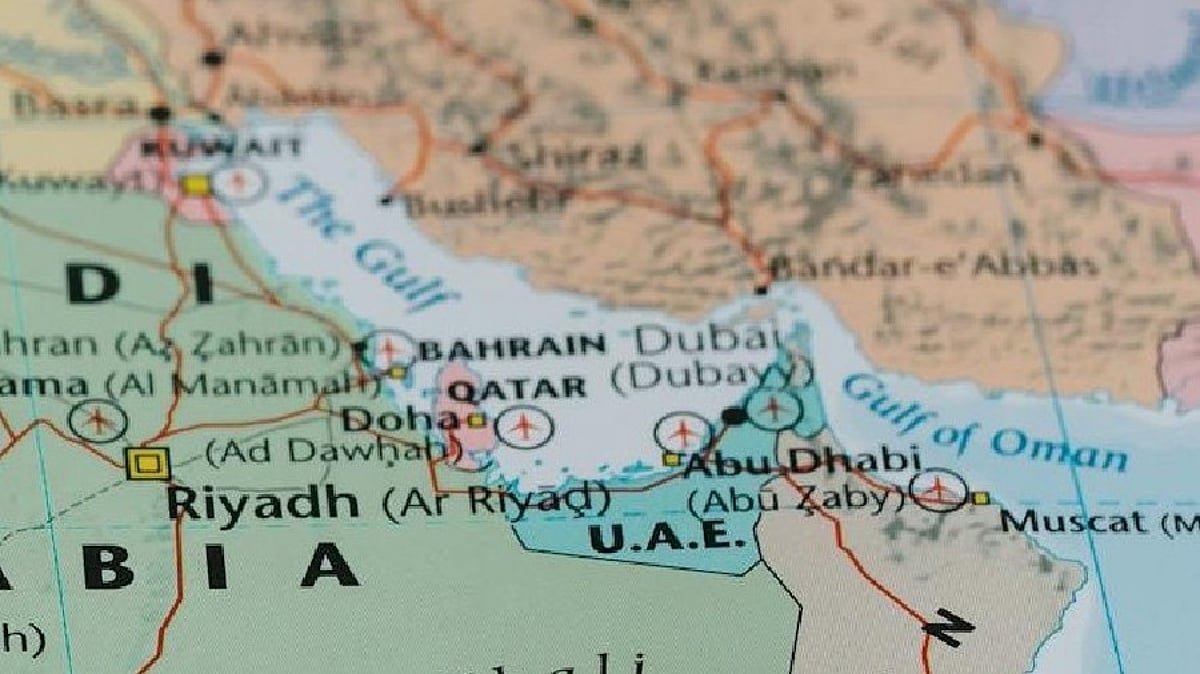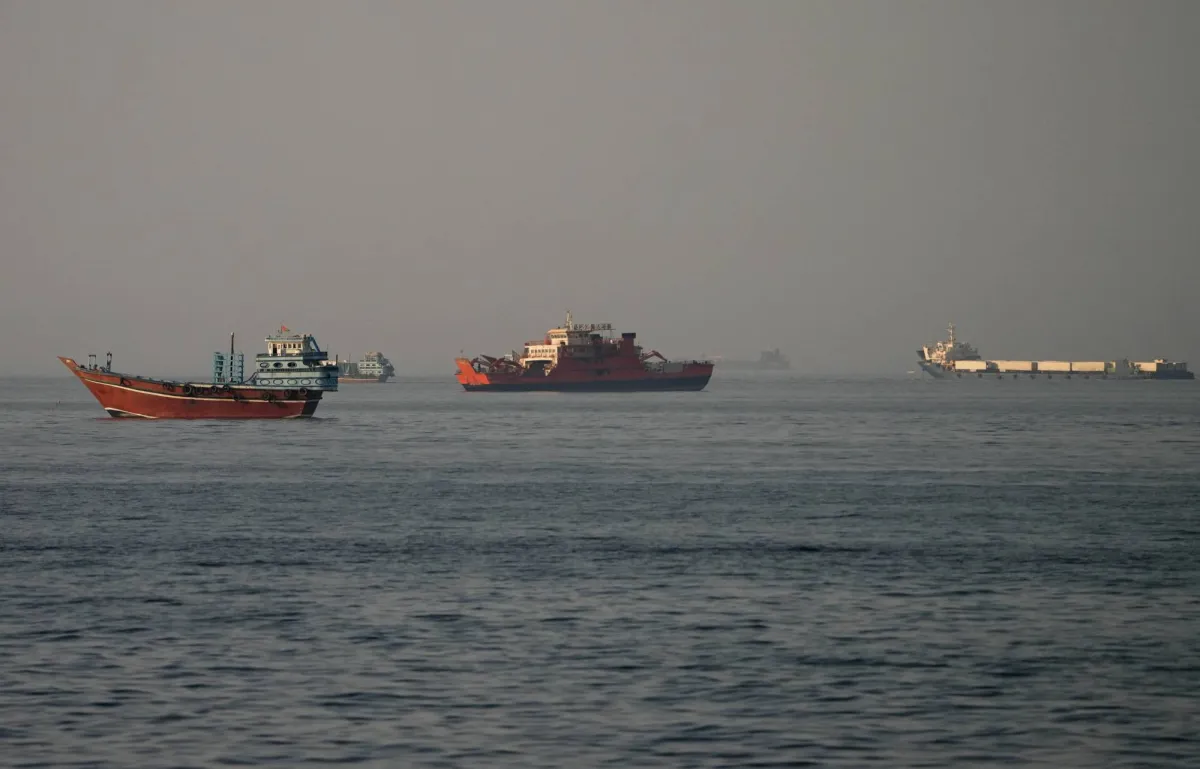
A recent US-Iran agreement to potentially reopen the Strait of Hormuz has been met with skepticism from shipowners and traders, who require further clarification before considering safe transits after months of uncertainty. The strait, crucial for global oil and gas shipments, has been central to ongoing conflicts since early strikes on Iran disrupted traffic, affecting the global energy trade significantly.
Brent oil futures dropped nearly 5% following news of the anticipated reopening, but operators remain cautious. Iran’s Fars News Agency reported that transits would initially be free for 60 days before charges are implemented. The management of navigation services will be determined jointly by Iran and Oman, but trade groups such as BIMCO stress that more explicit details are essential for ensuring safety.
Major Japanese shipping companies highlighted the necessity for clear agreements and assurances before reinitiating operations. With the strait’s traffic reduced to a fraction of the normal levels since conflicts escalated, many vessels are currently waiting in the Persian Gulf. Although a temporary peace deal may release oil trapped in the region, security remains a top concern, as past agreements have led to Iranian forces seizing vessels.
Navigating the narrow strait poses additional risks of collision, particularly if traffic surges once operations resume. An effective pre-transit plan is crucial to mitigate these risks, especially considering the potential misrepresentation of vessel locations due to electronic interference. Shipping industry leaders continue to highlight the importance of clear communication and planning to ensure safety in this high-stakes environment.