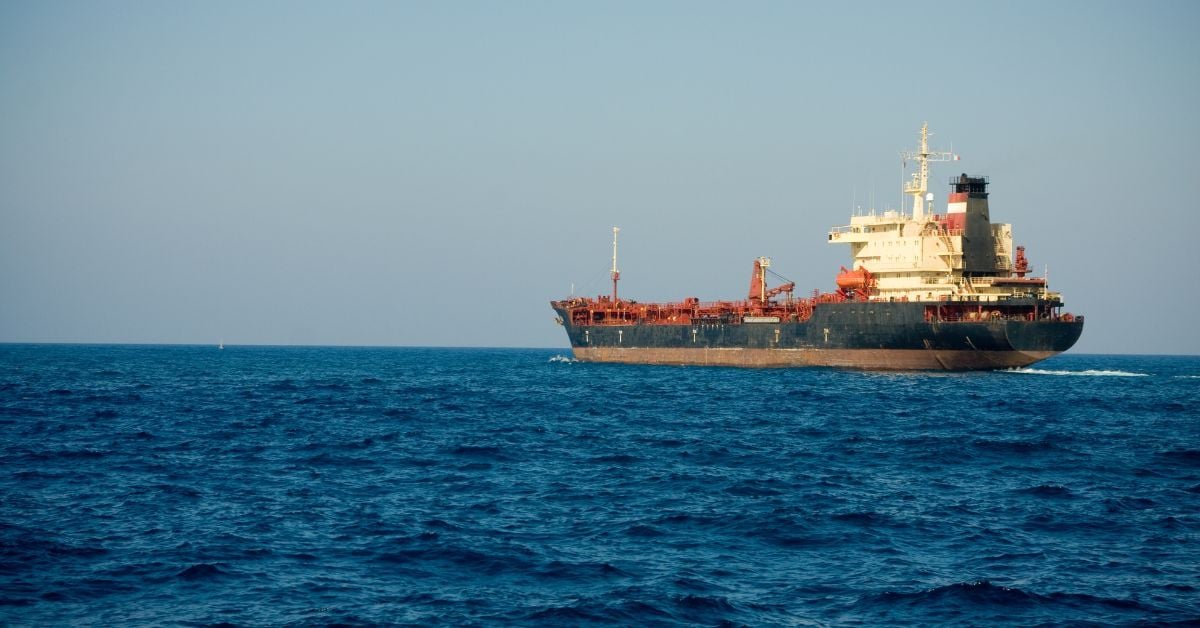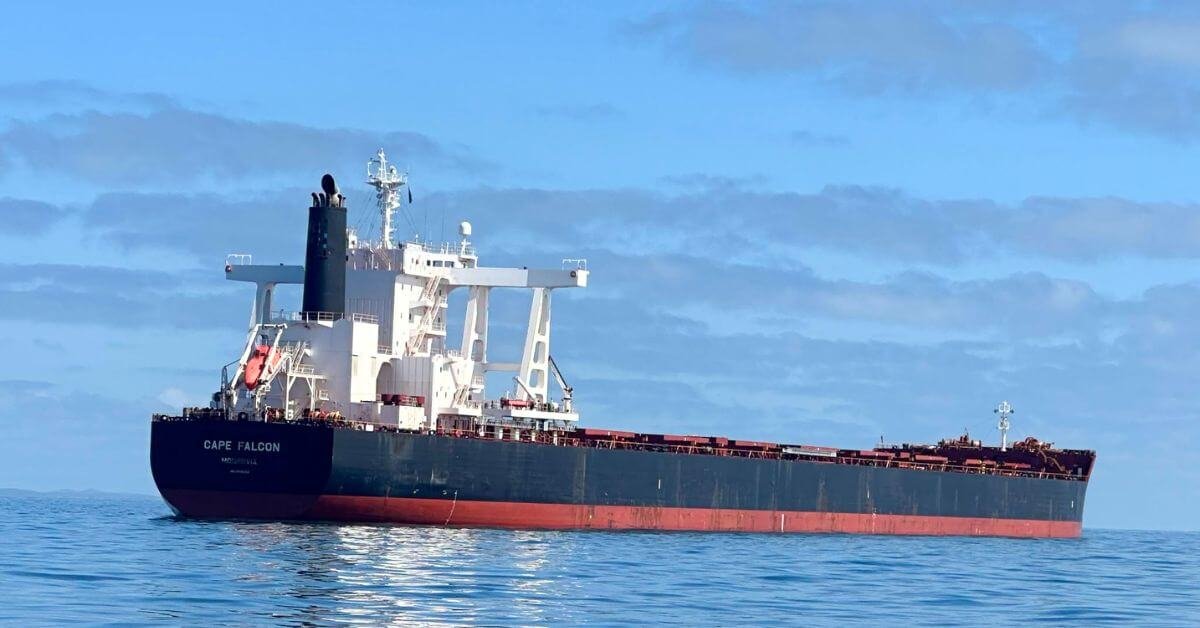
The International Chamber of Shipping’s Maritime Barometer report indicates that geopolitical instability remains the foremost risk for the global shipping industry, a concern echoed by industry leaders. Surveying 185 maritime executives, the report identifies political tensions as the primary challenge for four consecutive years, surpassing cyberattacks, regulatory issues, and trade barriers. Geopolitical instability is characterized as a “risk multiplier,” exacerbating various threats such as regulatory fragmentation and cyber vulnerabilities, according to ICS Chairman John Denholm.
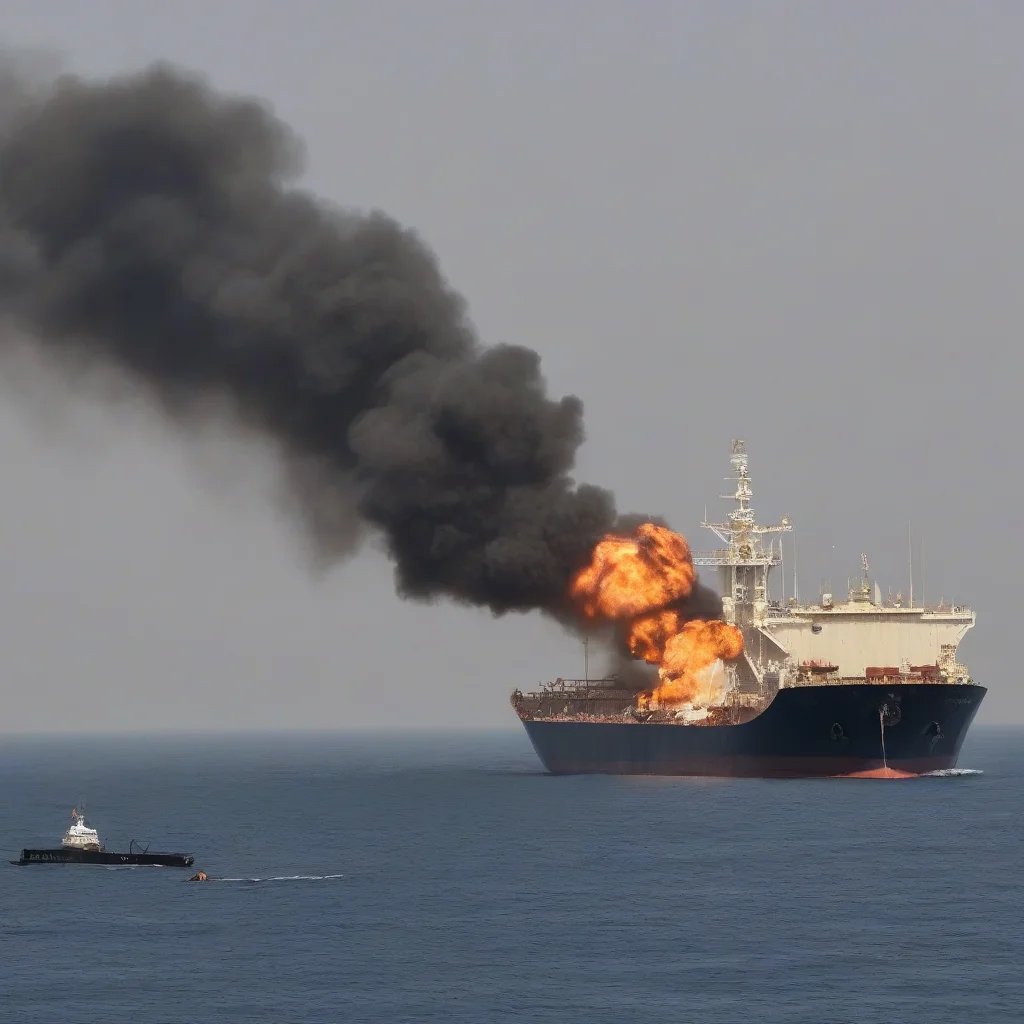
The survey was conducted prior to the onset of significant conflict in the Middle East in early 2026, meaning that many respondents did not incorporate the latest disruptions into their assessments. The report highlights a growing sense among shipping executives that current operations are shaped by interconnected risks, with trade restrictions altering cargo flows and increasing regulatory complexity.
Cybersecurity emerged as the second-highest concern, despite substantial investments in defenses, with confidence in managing risks relatively low. Regional regulations and administrative burdens were also noted as critical risks, attributed to rising geopolitical competition. In response to uncertainty, maritime leaders are pragmatic about decarbonization, favoring established fuel options like liquefied natural gas and biofuels over more experimental alternatives.
Overall, the report suggests that shipping companies now prioritize operational resilience amidst a fragmented global environment, focusing on maintaining steady progress while managing uncertainty and regulatory complexities.