The Philippine Association of Maritime Institutions (PAMI) has raised a critical issue regarding the global maritime workforce, highlighting a significant gap between the supply of maritime officers and the demand for them. PAMI President Sabino Czar Cloma Manglicmot emphasized that while the Philippines remains the largest supplier of seafarers, the current statistics mask a deeper systemic crisis. The recently published Seafarer Workforce Report 2026 indicates a global shortage of 39,100 certified officers, particularly in engineering and deck roles, alongside a surplus of ratings.
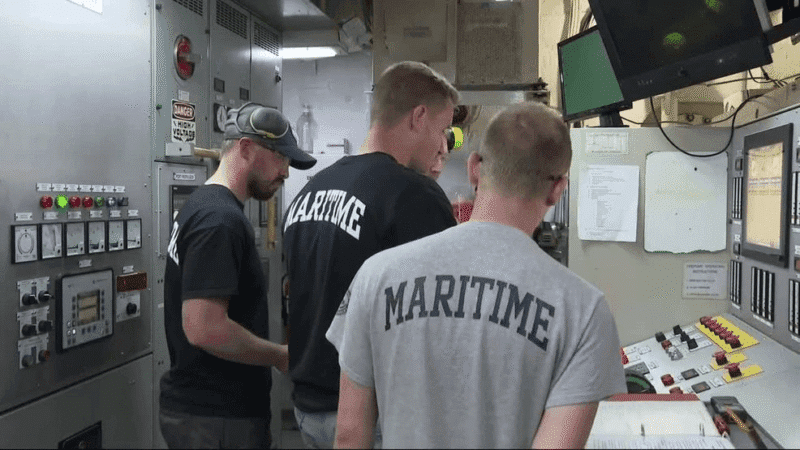
A bottleneck in onboard training (OBT) is identified as the root cause of this shortage. Maritime students are required to complete a year of shipboard training, yet only about 5,000 cadetship positions are available for roughly 26,000 enrolled cadets. This discrepancy forces many aspiring officers into ratings, exacerbating the existing surplus. PAMI argues that regulatory pressures unfairly penalize maritime education institutions, as they are held accountable for securing training berths that are ultimately controlled by shipowners.
To address these challenges, PAMI calls for immediate policy reforms from the Maritime Industry Authority (Marina) and the Commission on Higher Education (CHEd). Proposed changes include optimizing training regulations, implementing an equivalency scheme for stranded students, and streamlining bureaucratic processes. PAMI advocates for separating academic degrees from professional licenses, aligning Philippine maritime education with international standards, and ensuring that seagoing service is a requirement solely for licensing, not for degree attainment.