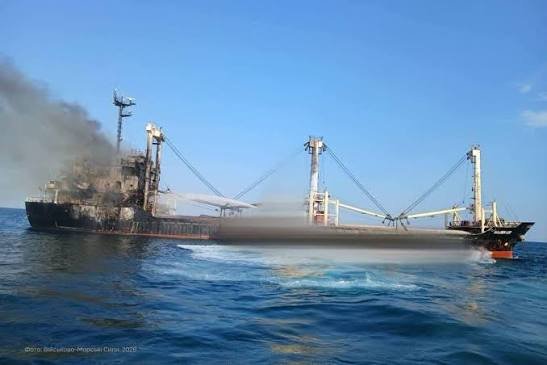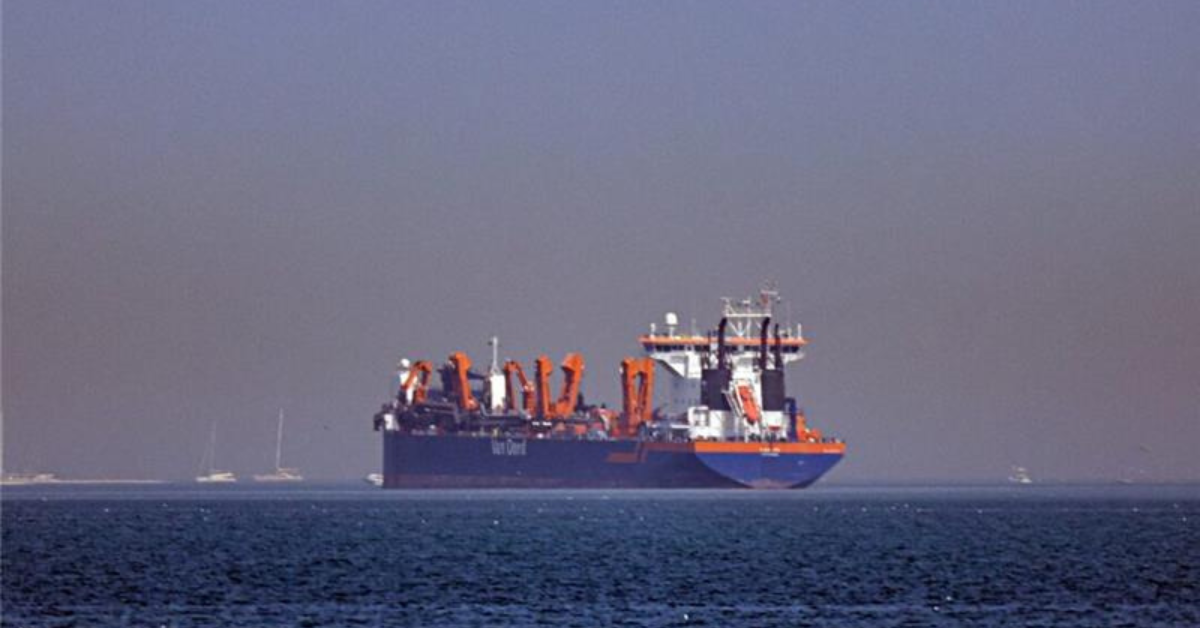
The Indian government is set to launch dedicated vessel services on West Asia trade routes to alleviate rising logistics costs for exporters, whose freight bills have surged by 60-80% since the Hormuz crisis began on February 28. This initiative aims to enhance direct maritime connectivity between India and Gulf Cooperation Council (GCC) markets, reducing reliance on transshipment hubs and improving delivery reliability for cargo affected by rerouting or rising costs on standard commercial services.
The proposed services will target high-demand routes and benefit sectors such as engineering goods, textiles, chemicals, agricultural products, and marine exports—industries hit hardest by disruptions in Gulf shipping. This plan is part of India’s broader emergency logistics strategy, which includes the recent establishment of the Bharat Maritime Insurance Pool, new customs procedures for exported cargo, and an expanded relief framework covering 12 countries, including Egypt and Jordan.
Freight costs for Indian exporters to West Asia have spiked, with container rates more than doubling since February due to various surcharges. This has rendered shipments of low-margin goods commercially unviable, prompting the need for a regulated shipping alternative to provide stability in pricing and access to crucial markets.
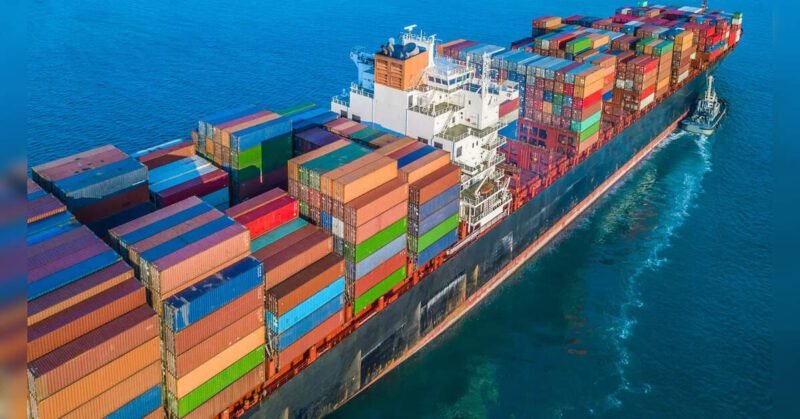
The proposed services will be managed by the government, utilizing commercial operators for vessel capacity rather than direct ship ownership. This approach leverages India’s current shipping infrastructure, with the Shipping Corporation of India and the new Bharat Container Shipping Line likely to implement the plan, enhancing the fleet via joint ventures and acquisitions.