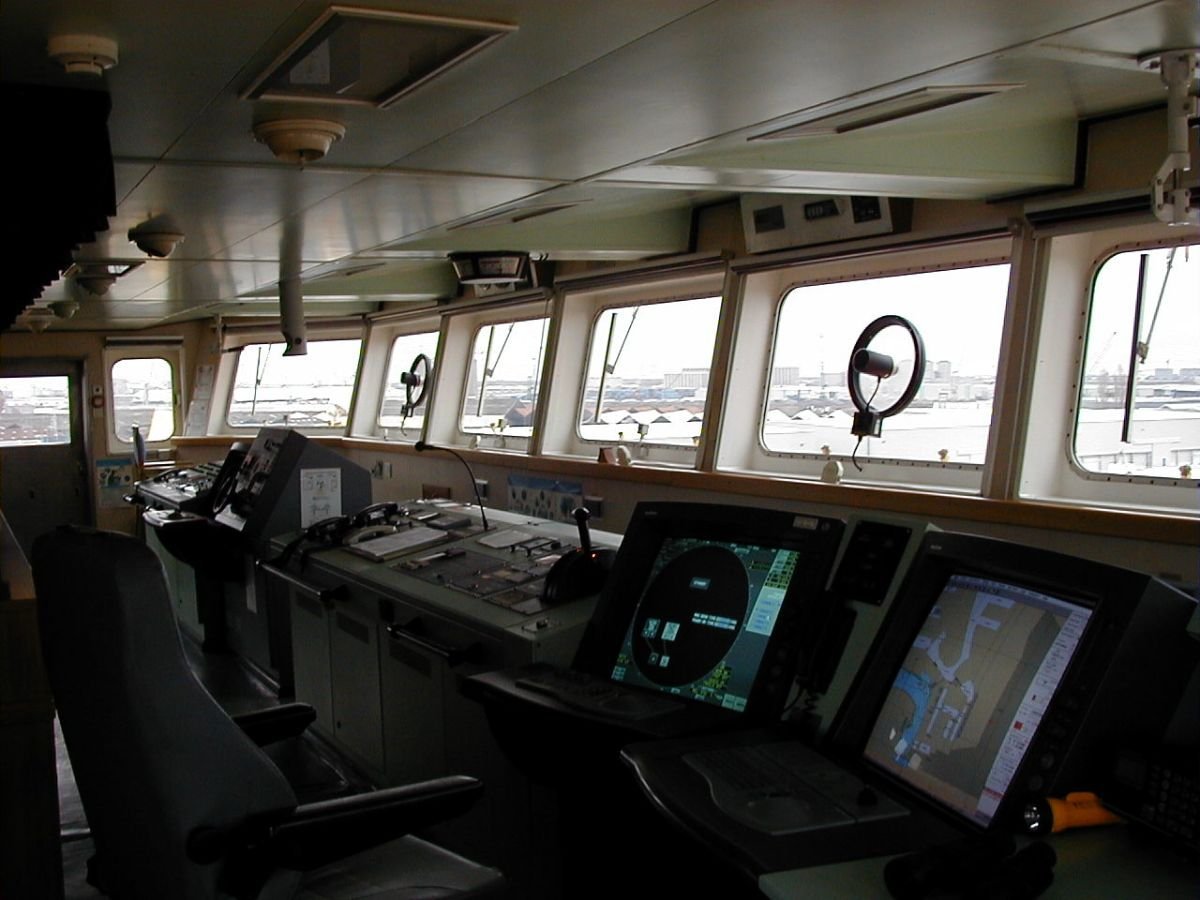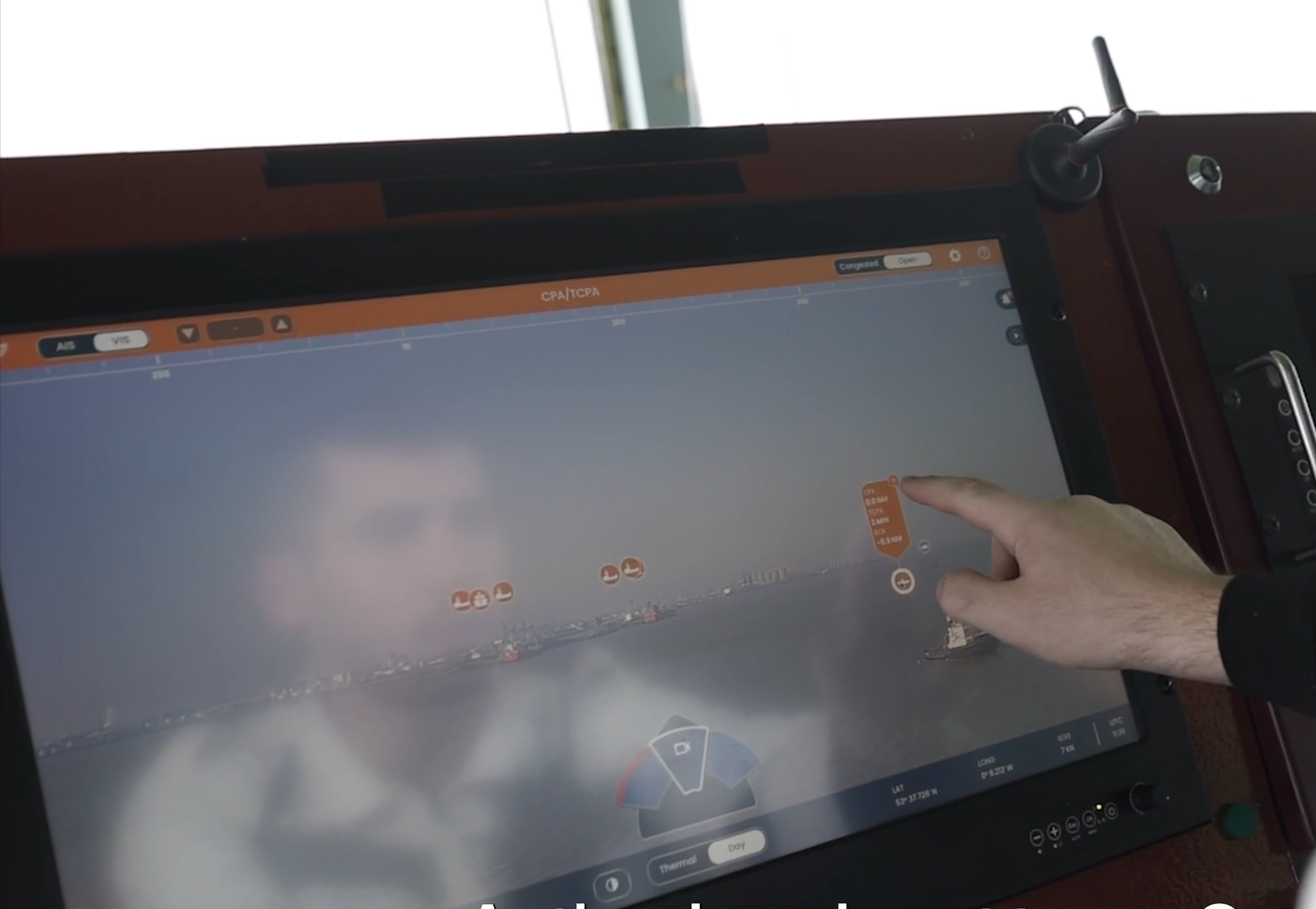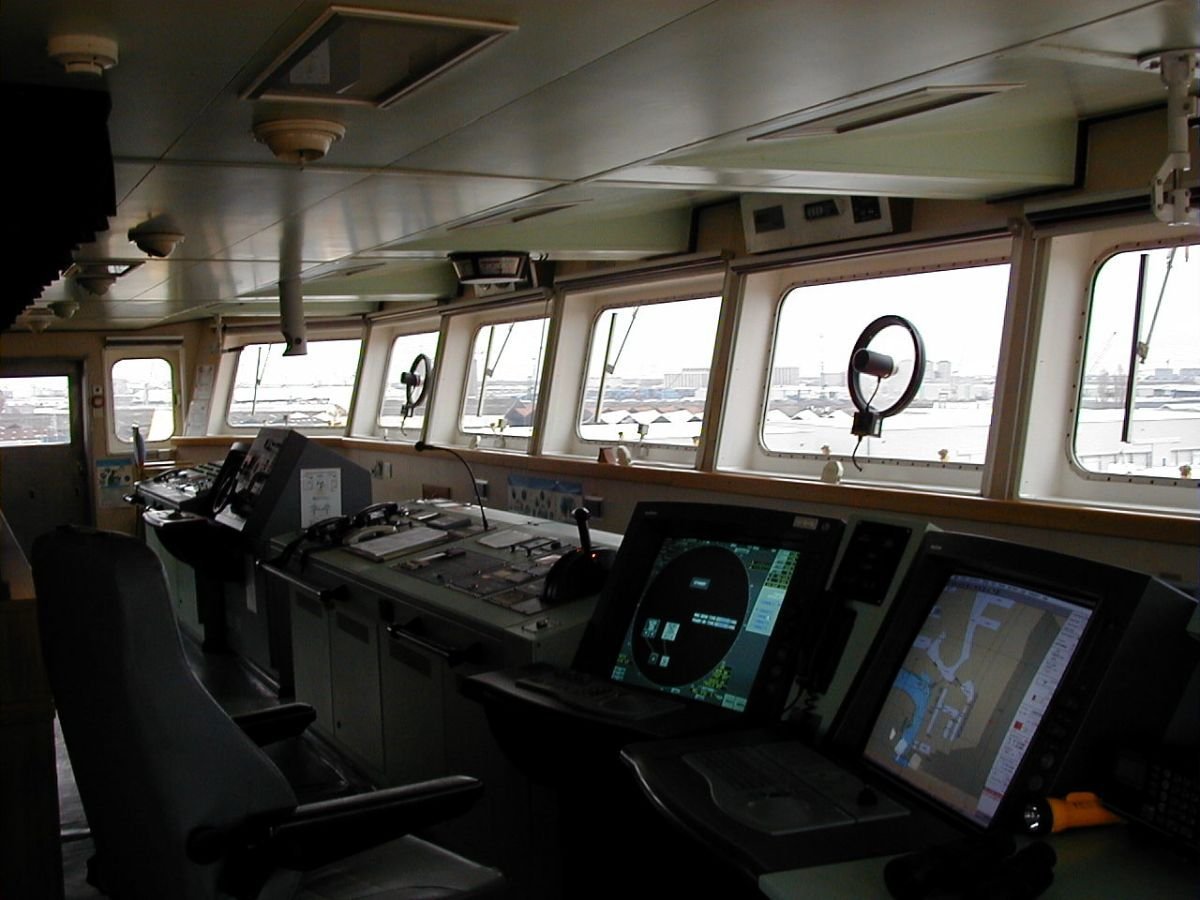
The maritime industry is increasingly integrating Artificial Intelligence (AI) into its operations, similar to other sectors like mining and aviation. However, maritime assets face unique challenges, particularly the lack of computing infrastructure in remote areas. Modern cruise ships generate vast amounts of data during voyages, yet much of it remains unanalyzed due to operational constraints. With vessels often losing data during crossings, the focus is shifting to processing data onboard to fully leverage AI’s potential.
Connectivity has improved significantly, with over 68,000 vessels now utilizing Low Earth Orbit (LEO) satellite connectivity. This advancement has transformed the assumption that maritime communications are narrow and unreliable. However, while faster connections to shore are a step forward, they have merely shifted the bottleneck to onboard data processing. Key challenges remain, including the need for real-time video processing, safety-critical decision-making, and compliance with legal regulations regarding data privacy.
To address these challenges, several technologies are emerging. These include marine-hardened computing systems, multi-orbit networks for reliable connectivity, sovereign data architectures for compliance, and fleet-scale orchestration for efficient management. However, integrating these technologies proves difficult due to disparate vendor contracts and the complexities of systems integration.
As the industry invests in this infrastructure, those that effectively process data will gain significant competitive advantages. The initial deployment of AI capabilities may be challenging, but once established, subsequent implementations can replicate success quickly. The next decade will likely distinguish fleets that become intelligent from those that merely transmit data.