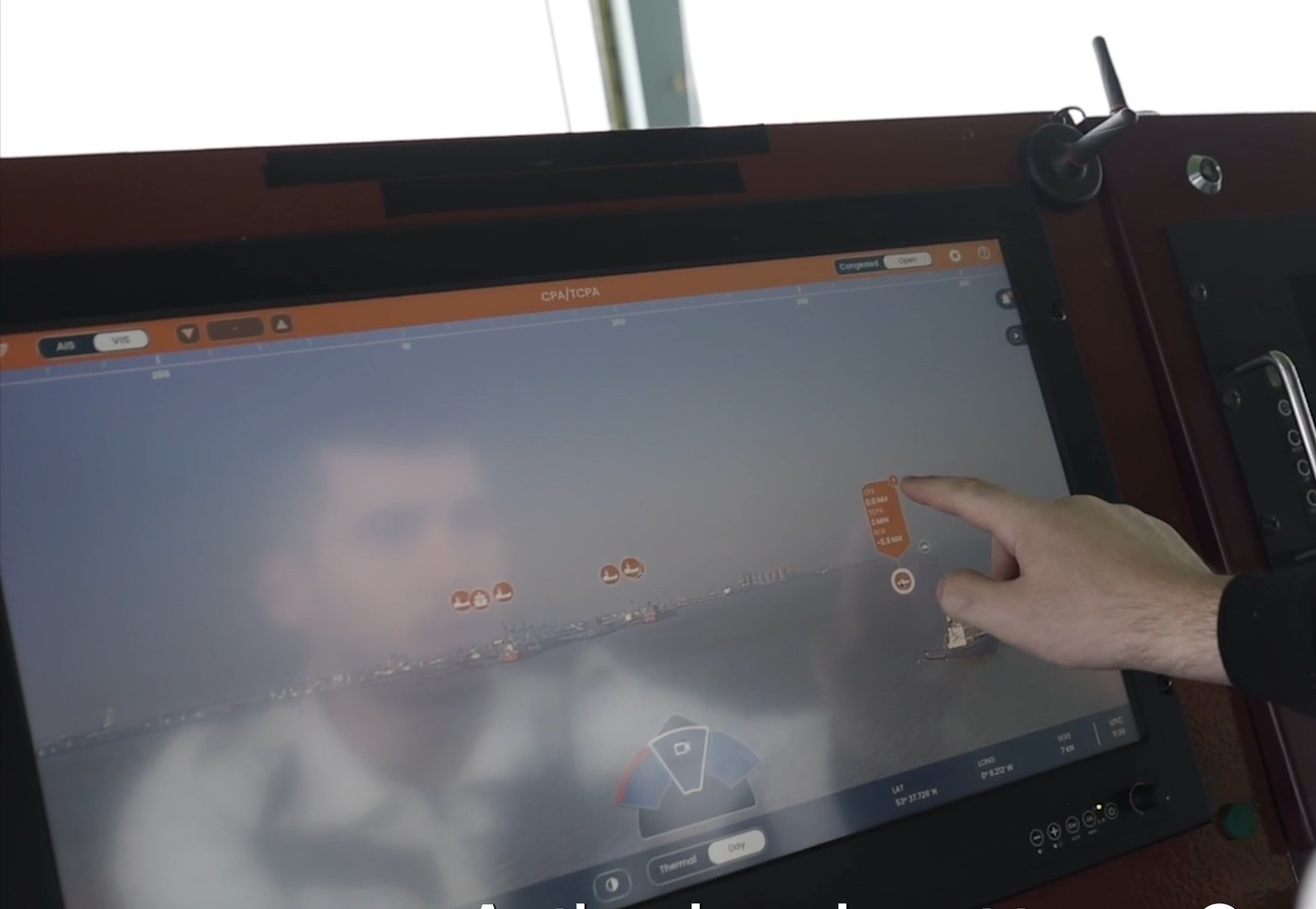
Real-world data indicates that AI watchkeeping assistance systems enhance maritime safety by reducing collision risks during complex navigation situations. Advocates emphasize that while these technologies improve the skills of experienced mariners, they do not replace the need for skilled personnel. Instead, they serve as valuable training tools that help reinforce best practices across the industry.
Torsten Pedersen, SVP of ship management at CMA CGM, has witnessed the advantages of such technology firsthand. After successfully implementing the Orca AI system at Seaspan, he remains a strong proponent of AI’s benefits but insists on the importance of investing in competent crew members. He believes that only motivated and skilled individuals can truly harness the potential of these systems, stating, “If you want to be the best that you can be, you find all the ways you can become better.”
At Seaspan, Pedersen’s team utilized Orca AI data to enhance safety during critical navigation phases, such as arrivals and departures. By analyzing maneuvering patterns, they provided valuable feedback to captains, resulting in immediate safety improvements. This data also facilitated constructive discussions with local pilots regarding risk management, further emphasizing the collaborative nature of maritime safety.
Ultimately, the integration of AI in navigation is not about replacing human capability but about augmenting it. Orca AI CEO Yarden Gross stresses that while technology can automate repetitive tasks, the human element will always remain integral to maritime operations. Pedersen echoes this sentiment, suggesting that while advancements may occur, fully unmanned ships are unlikely to become a reality in the near future.