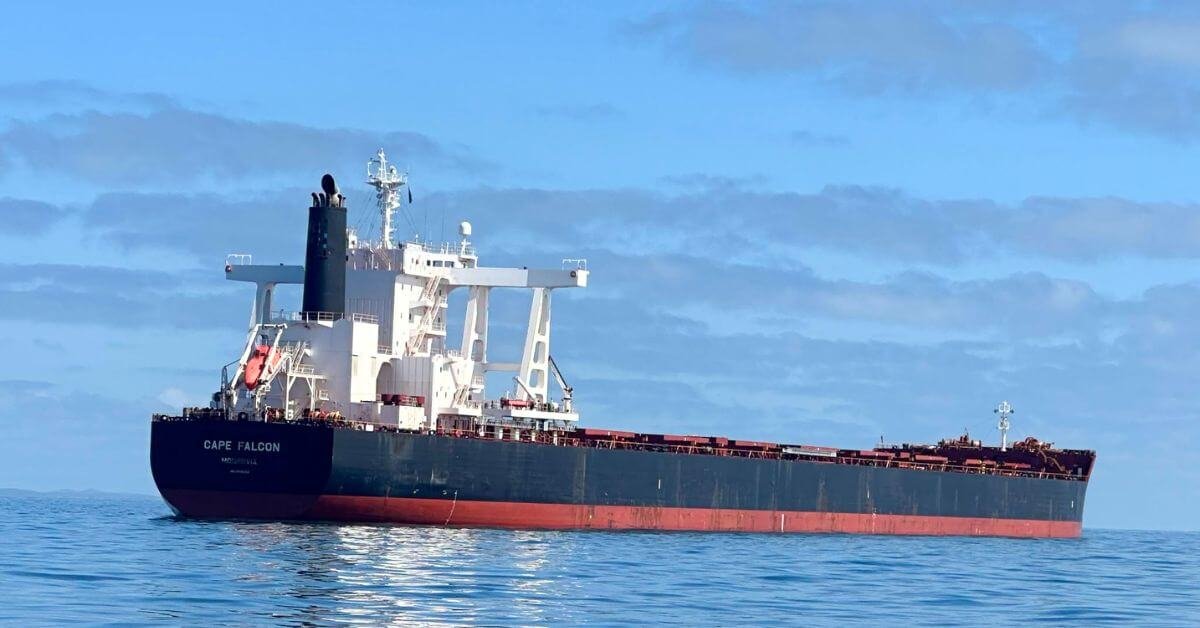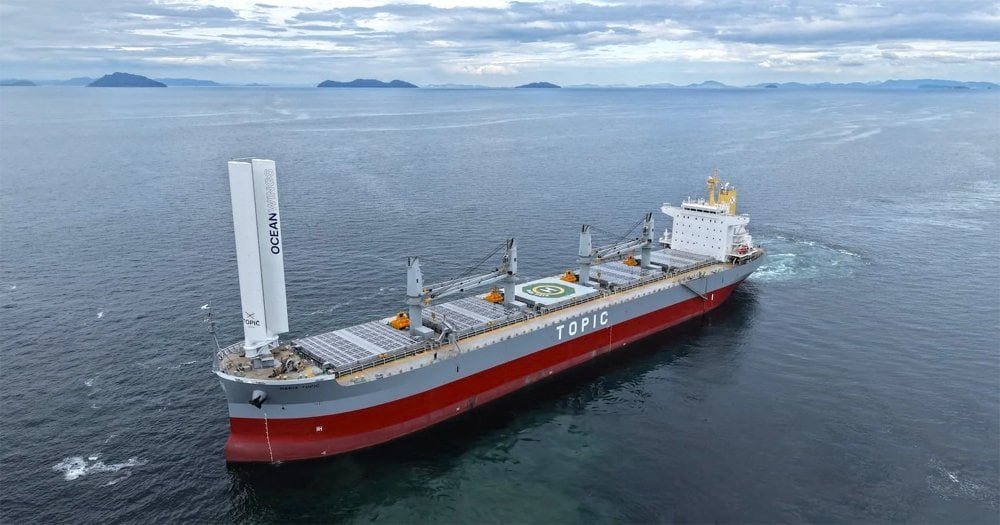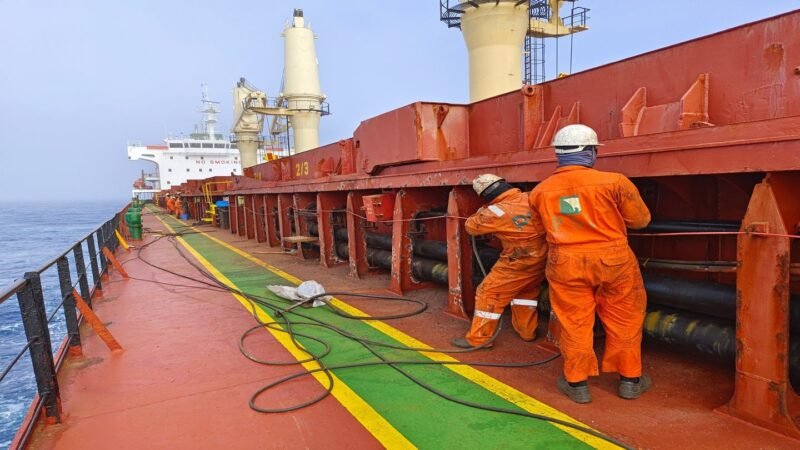
The safety of bulk carriers has shown consistent long-term improvement, although the risks faced by seafarers are becoming increasingly complex. According to INTERCARGO’s Bulk Carrier Casualty Report 2026, which covers the decade from 2016 to 2025, the global bulk carrier fleet expanded from about 10,400 vessels in 2013 to 13,669 by the end of 2025. In this period, 17 bulk carriers were lost, resulting in the loss of 71 seafarer lives, although the annual loss rate has been steadily decreasing.
Despite advancements in ship design, crew training, and regulatory compliance, the report highlights that while conventional accidents are declining, new and persistent risks are emerging. Cargo liquefaction remains the leading cause of fatalities, particularly affecting vessels carrying nickel ore, while groundings account for a significant proportion of vessel losses. Furthermore, recent incidents involving missile and drone attacks in the Red Sea and Gulf of Aden underscore the evolving threats to maritime safety.
John Xylas, Chairman of INTERCARGO, emphasized the importance of collaboration among stakeholders to maintain high safety standards, especially as global dry bulk trade continues to grow. The ongoing decline in vessel losses is promising, but the industry must remain vigilant to ensure safety improvements are sustained. INTERCARGO is committed to translating insights into actionable safety measures, as reflected in their recent publication of Ship to Ship Transfer Guidelines for Bulk Carriers.