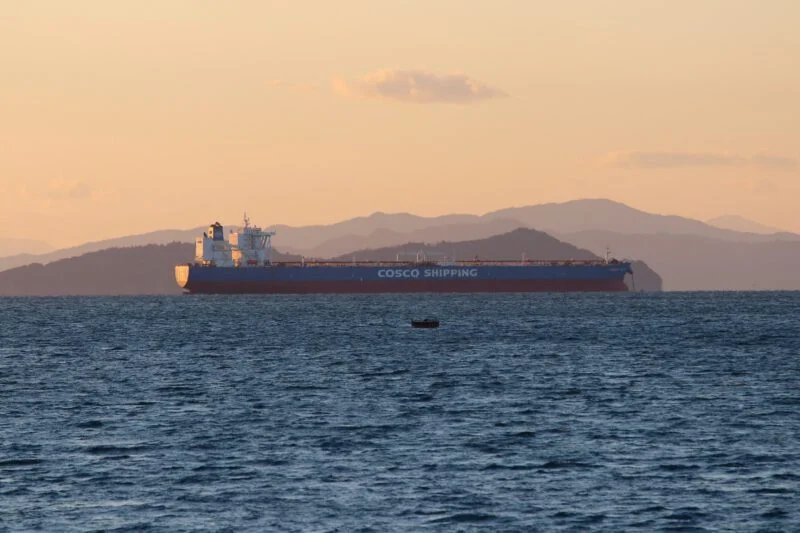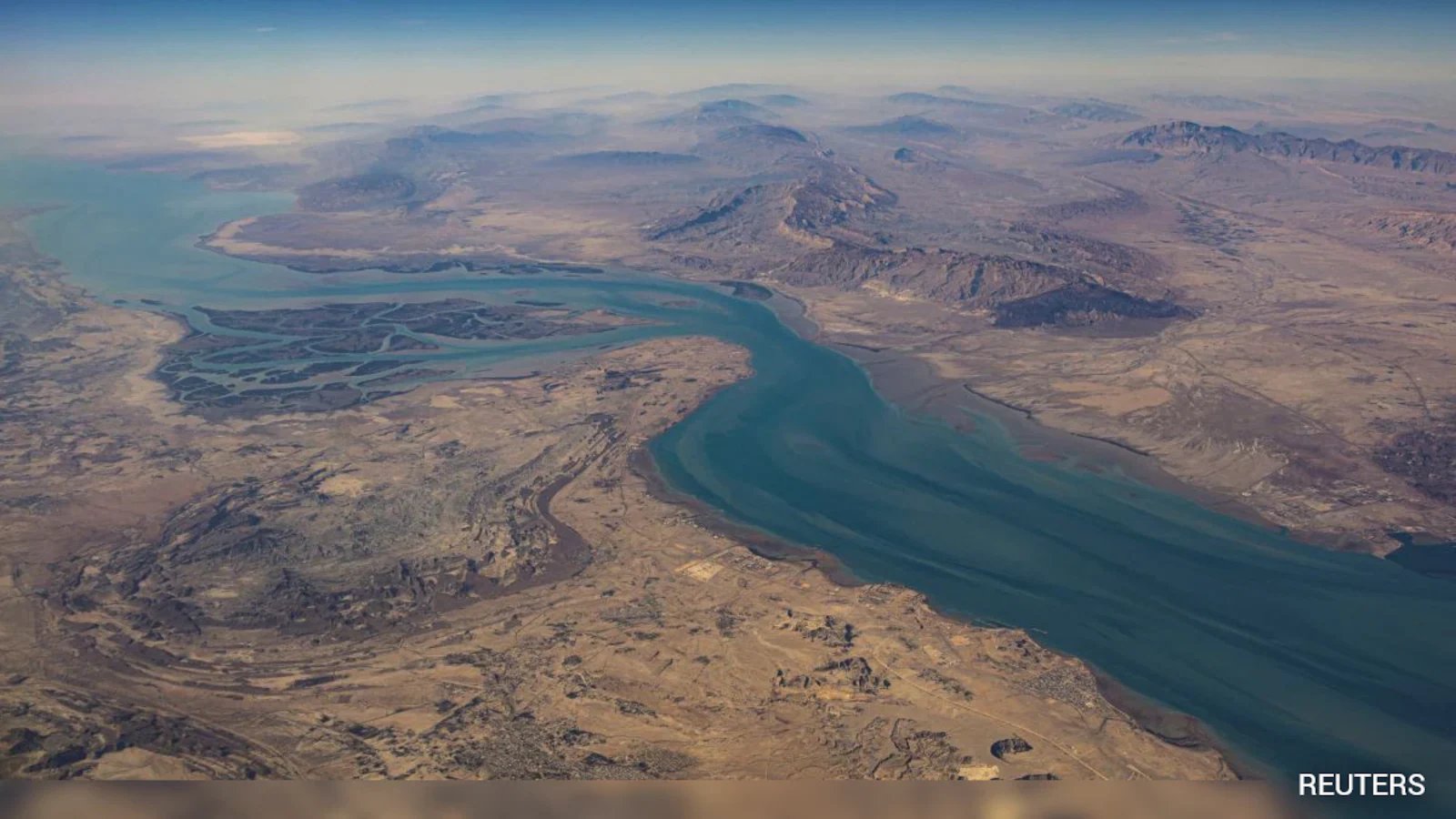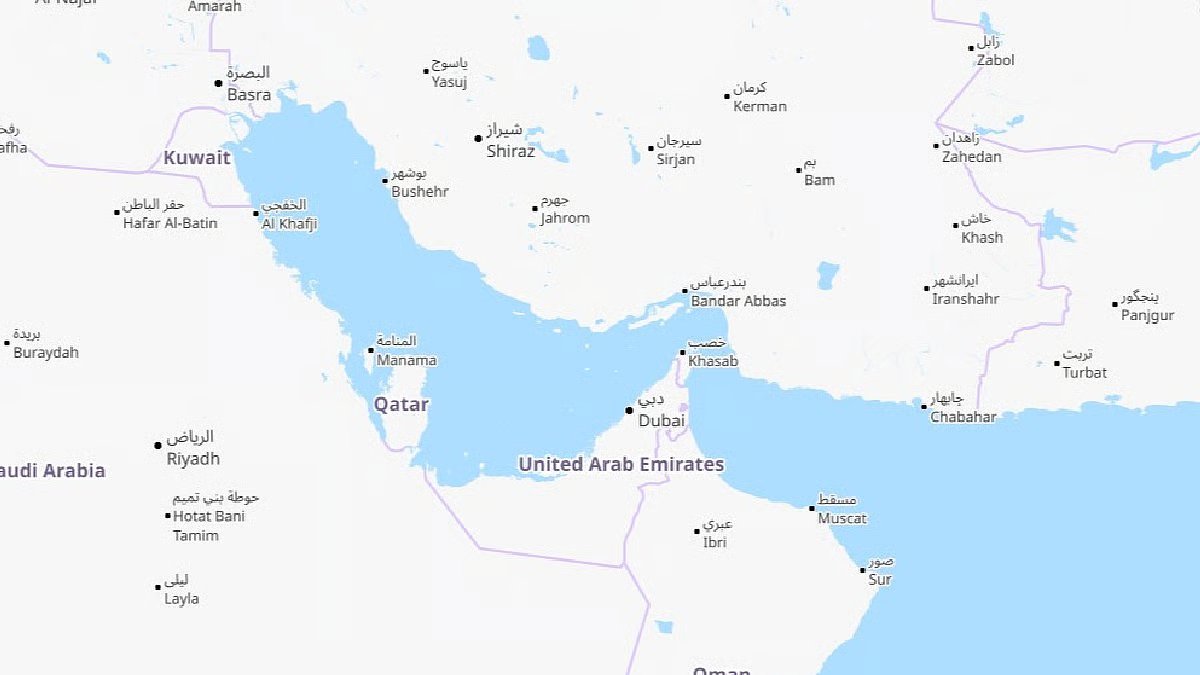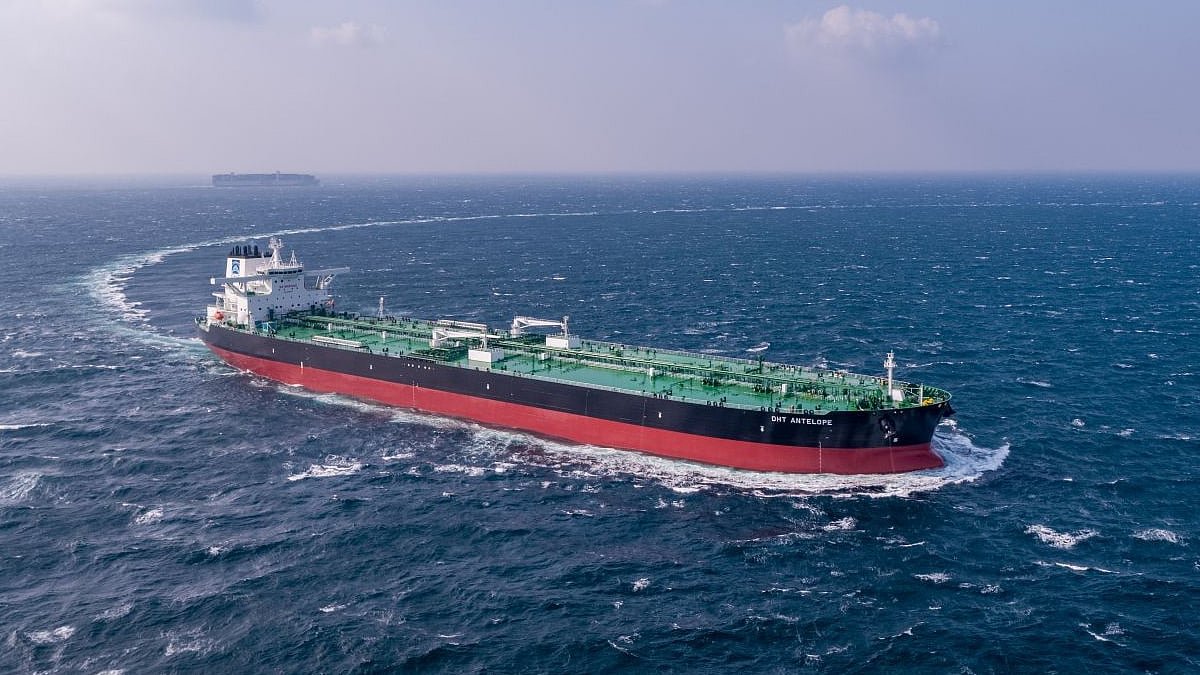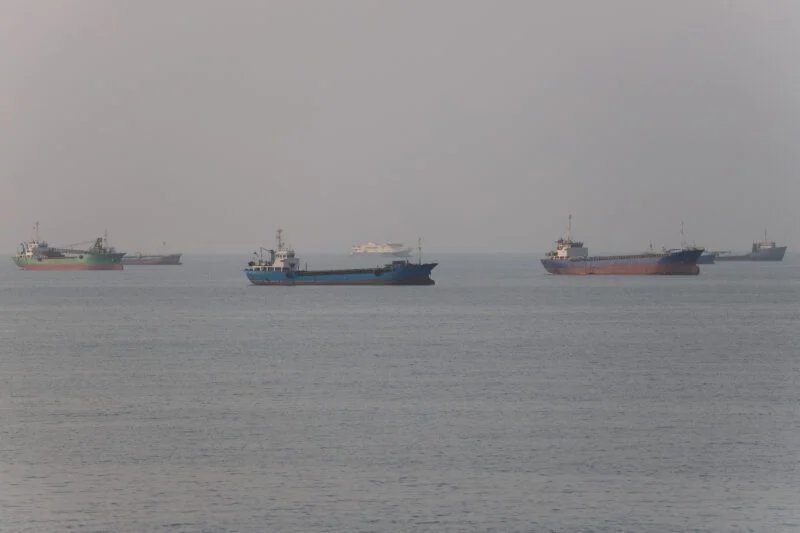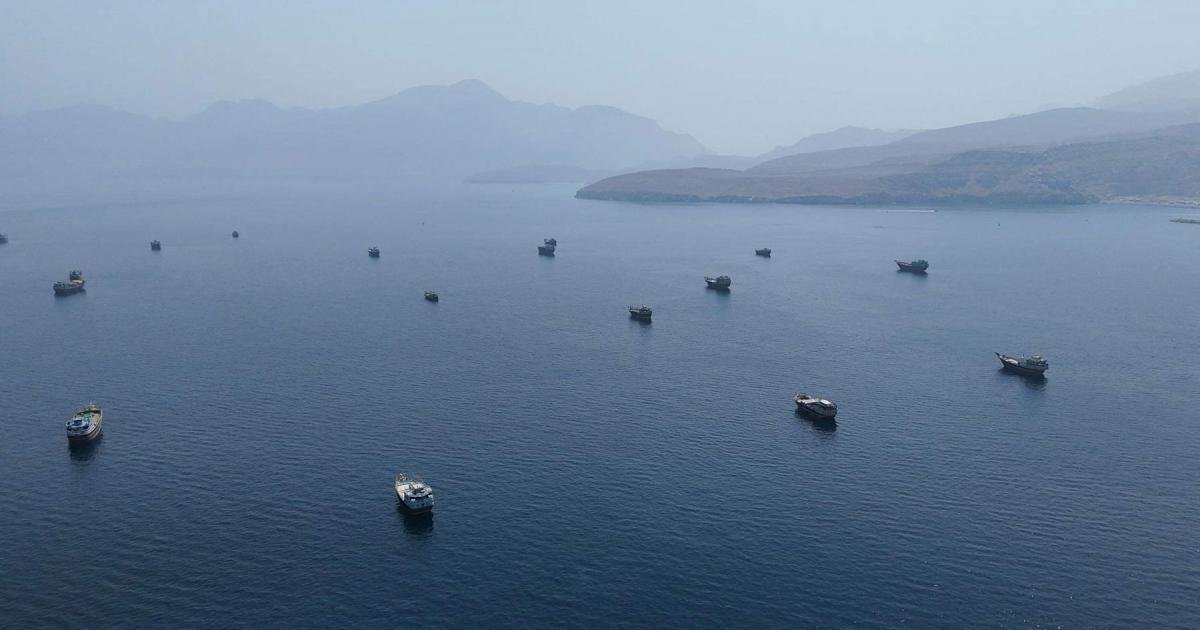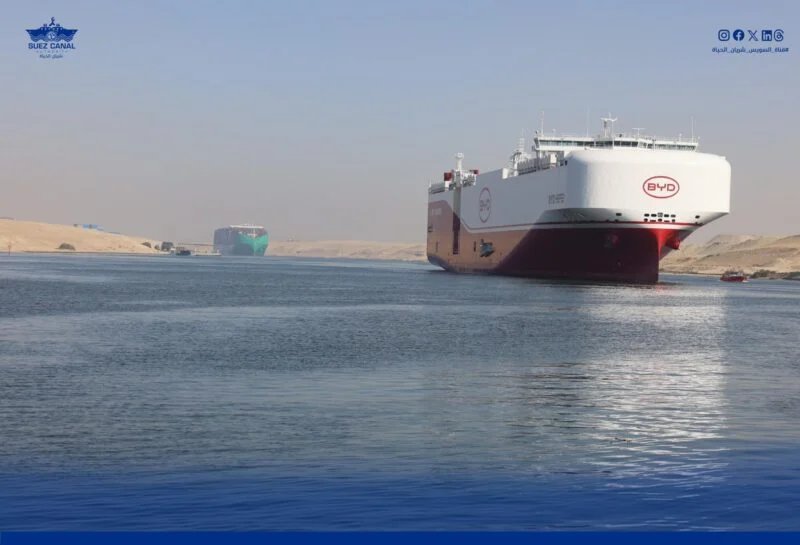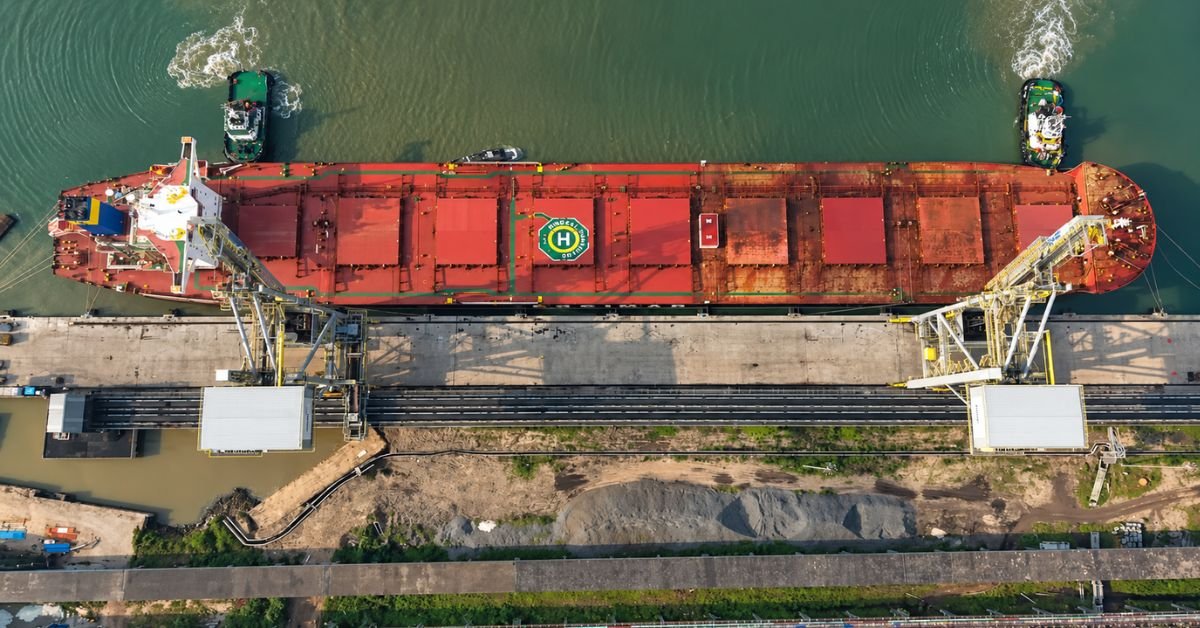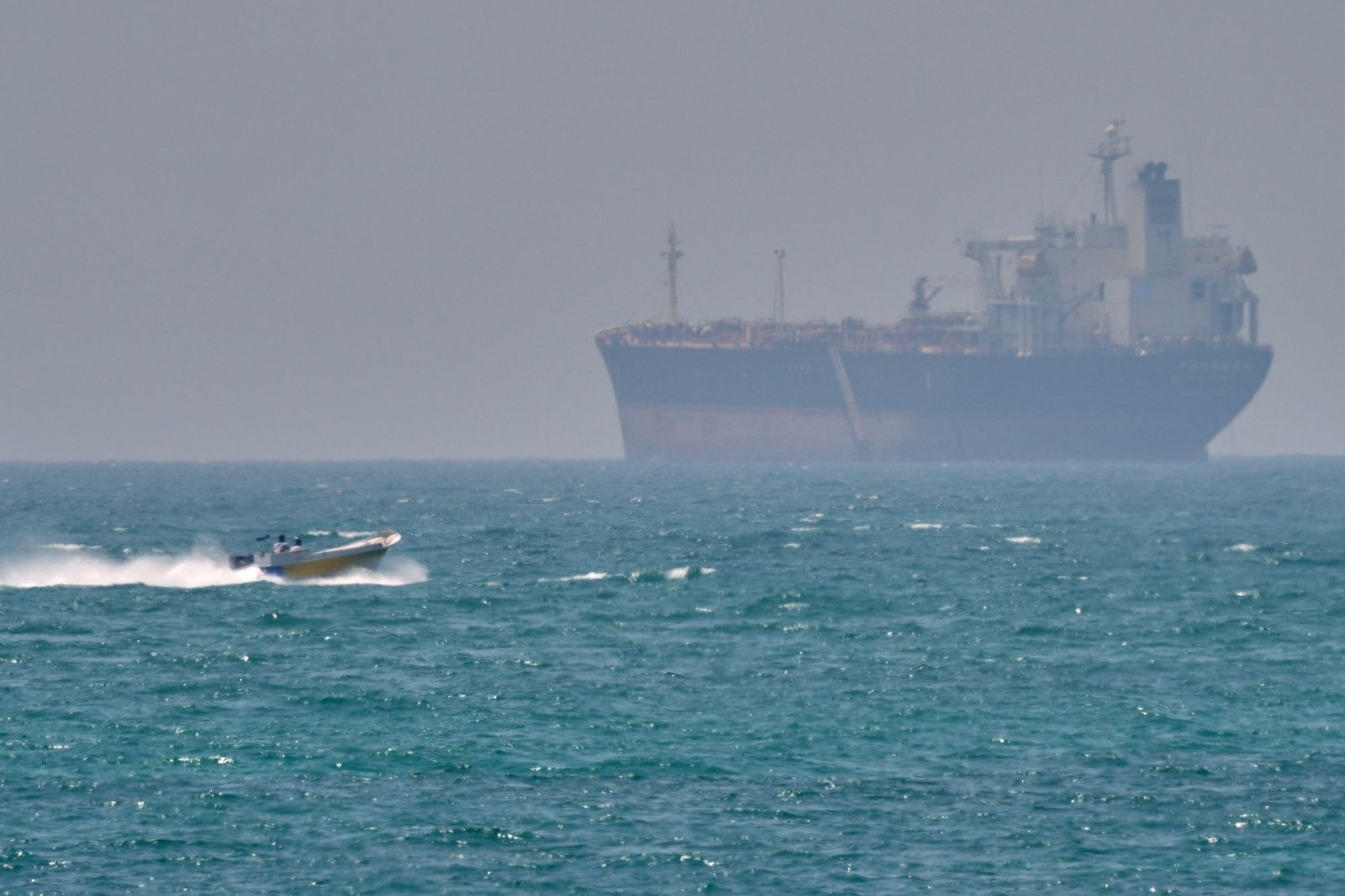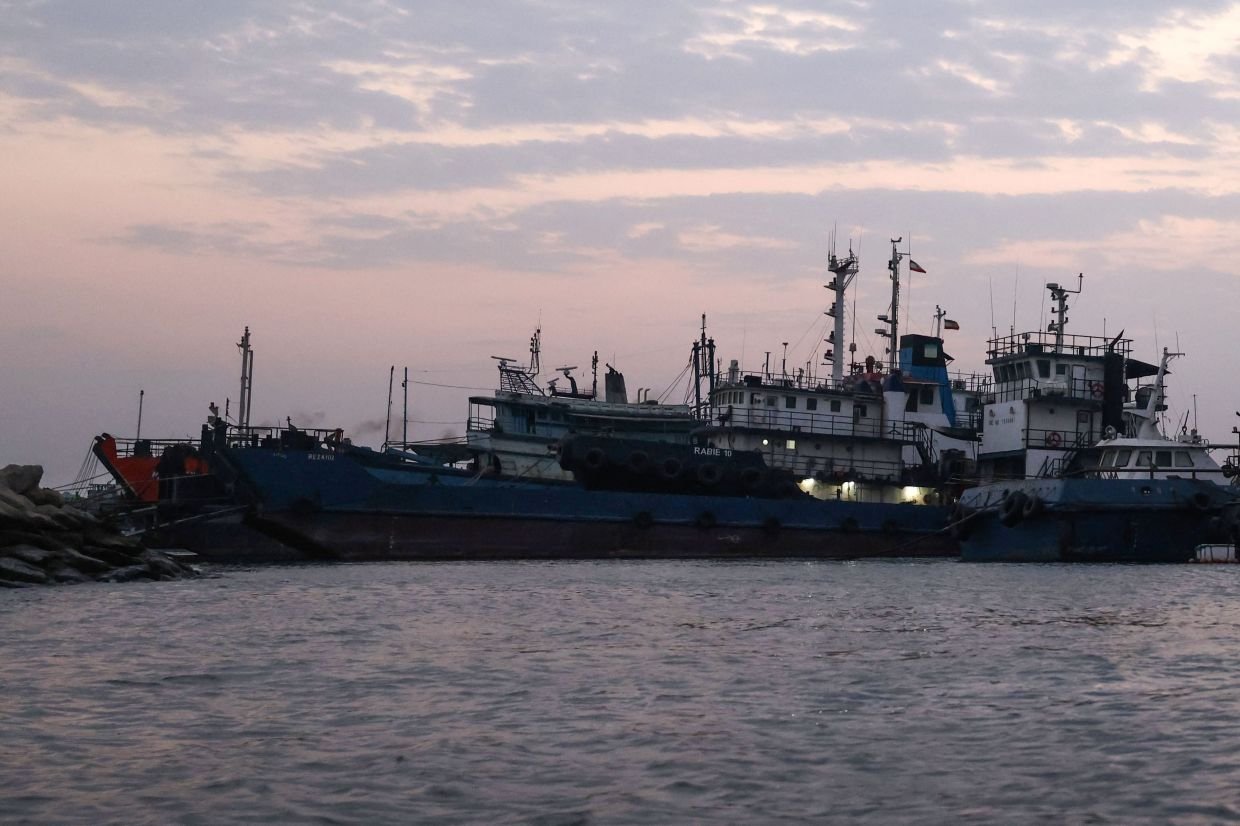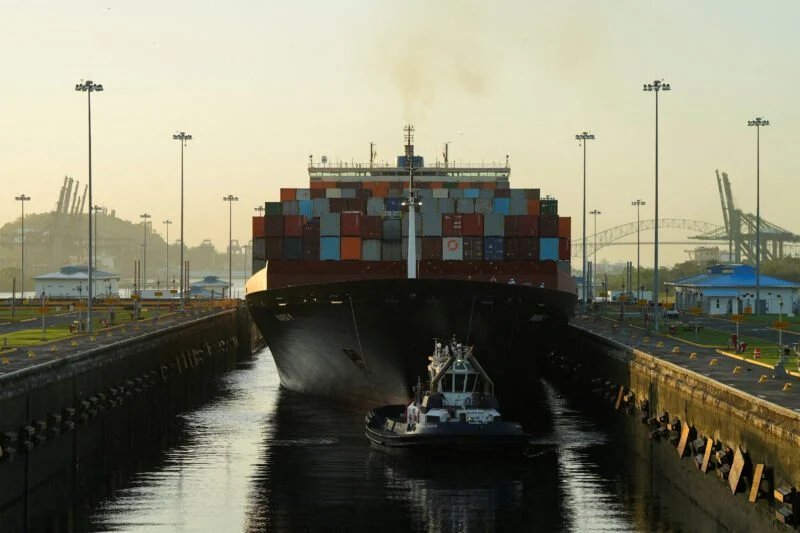
Mounting congestion at the Panama Canal has forced gas tankers, especially those transporting liquefied petroleum gas (LPG) from the US Gulf Coast to Asia, to adopt unusual routes and operations. Some vessels are now making rare detours around South America or resorting to ship-to-ship transfers at Balboa, allowing one tanker to consistently shuttle LPG to Asian clients while sidestepping the canal’s lengthy delays. Recent data shows that at least 14 ships are currently waiting for entry, with a total of 115 scheduled to transit, exacerbated by heightened canal traffic due to the Iran conflict, stricter cargo limits, and a historic water shortage triggered by El Niño.
In response to the worsening bottleneck, the Panama Canal Authority (ACP) has introduced temporary changes to its Neopanamax booking rules, aiming to provide greater flexibility for shipping companies. Starting August 30, operators can reserve multiple Neopanamax slots for the same day or on consecutive days, a move designed to better manage demand, particularly for LPG and LNG carriers, as well as full containerships. The new guidelines will make 63 Neopanamax slots available weekly, and the ACP plans to redistribute unused slots across vessel segments, facilitating swaps under certain circumstances to maximize efficiency.
For LPG shippers, these adjustments are critical, as wider Neopanamax vessels—typically used for these cargos—have faced the brunt of the delays. The backlog has already led some operators to pay hefty fees to bypass queues or to undertake costly alternative routes, such as the Gas Scorpio’s full circumnavigation of South America. In one notable case, the Energia Grandeur transferred its cargo to the Eneos Wisdom to optimize passage through the canal, highlighting the lengths companies are going to mitigate congestion and meet delivery commitments.
These developments come as global LPG markets contend with tightening supplies due to geopolitical tensions, underscoring how climate issues, energy security, and geopolitics are becoming increasingly intertwined. With El Niño expected to further limit water supply in the canal watershed, the ACP’s booking reforms offer some relief but also reflect the broader vulnerabilities facing global trade routes amid environmental and political disruptions.