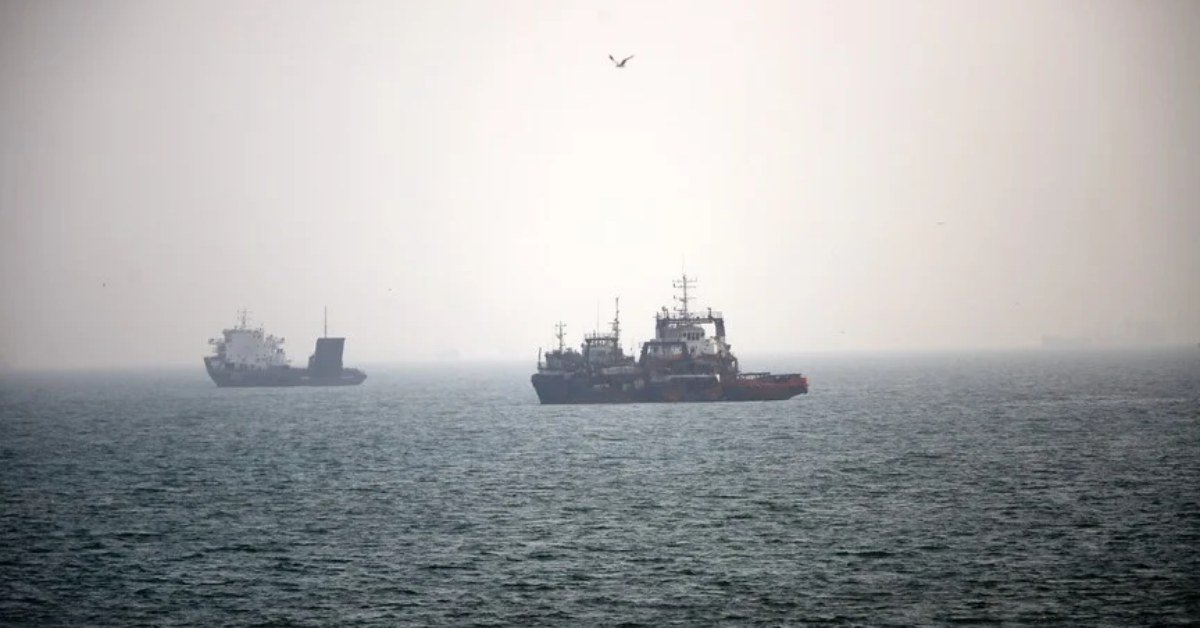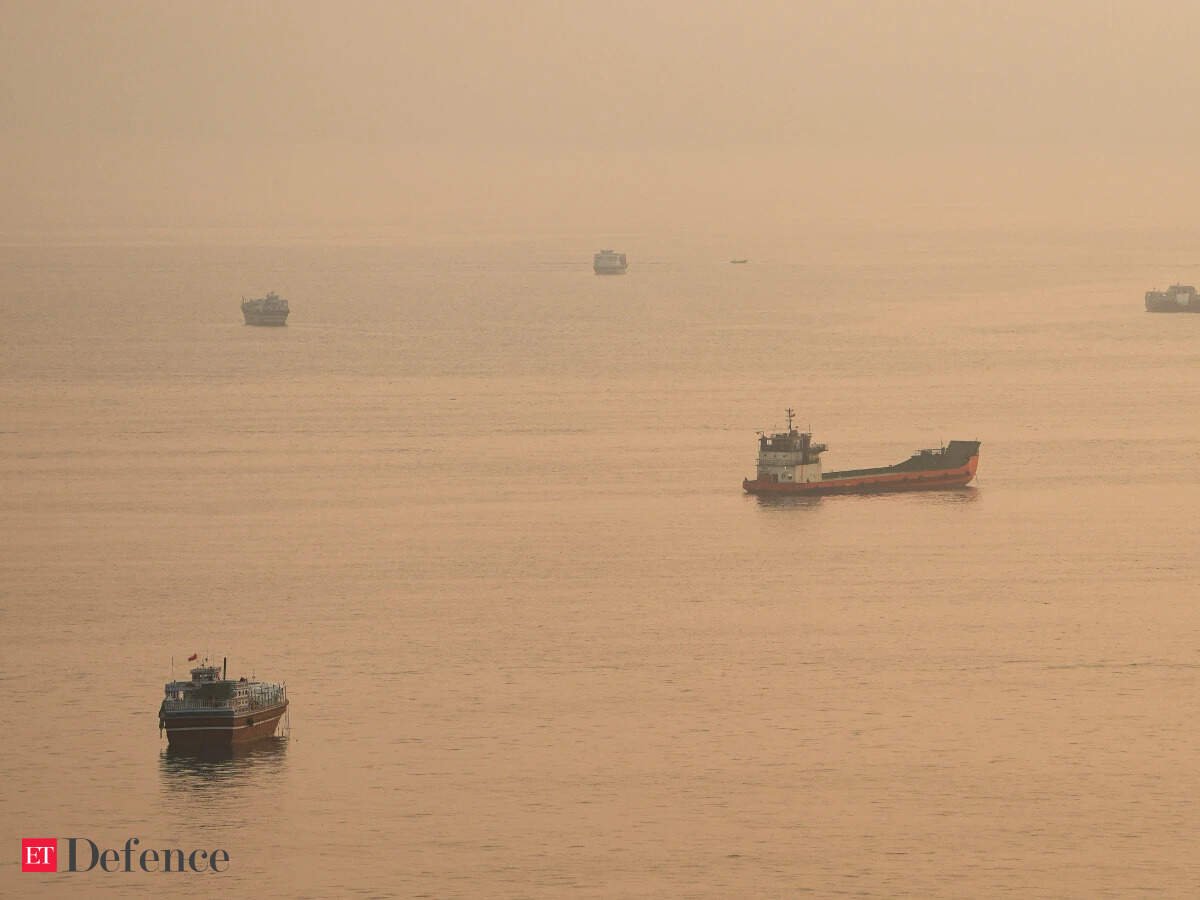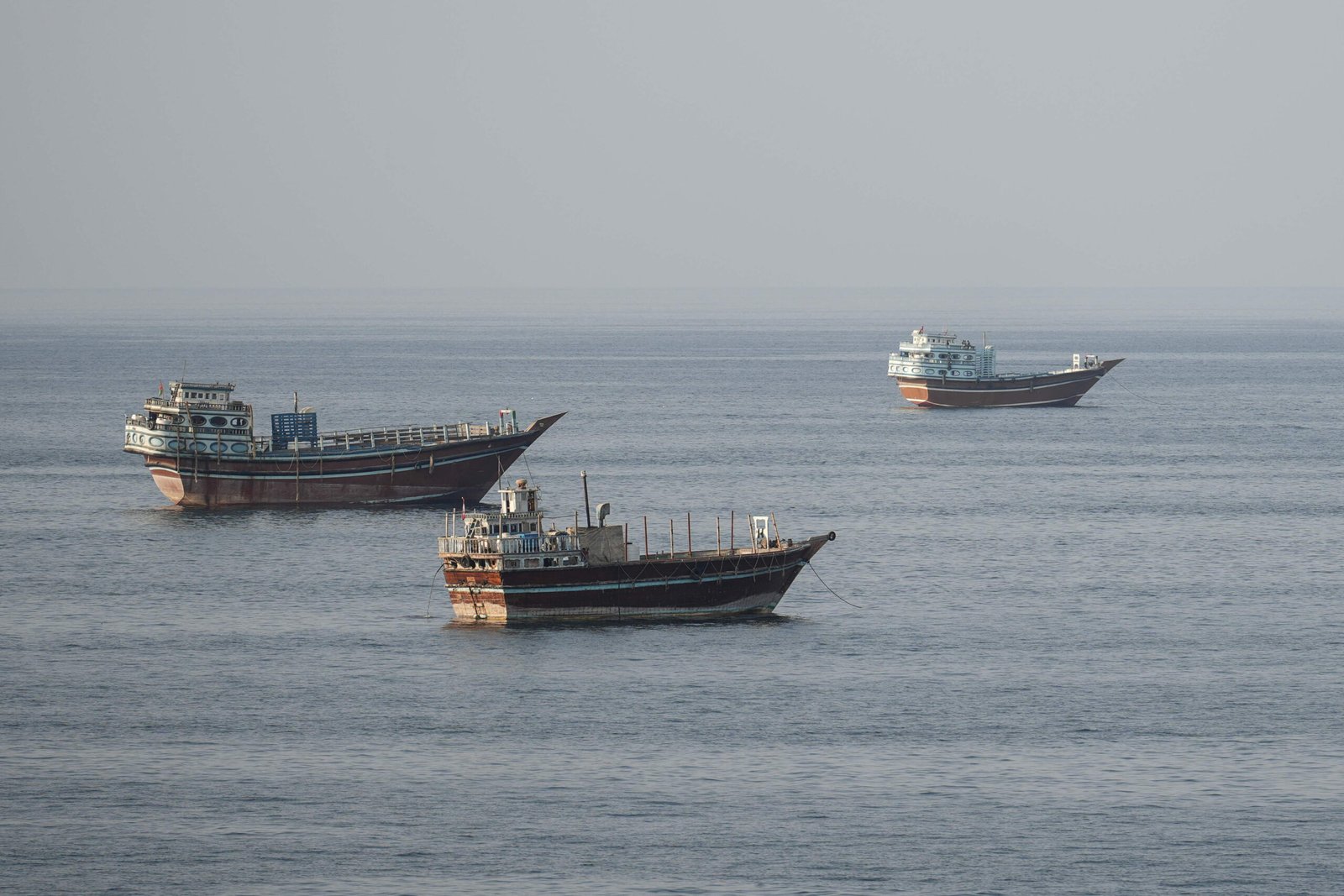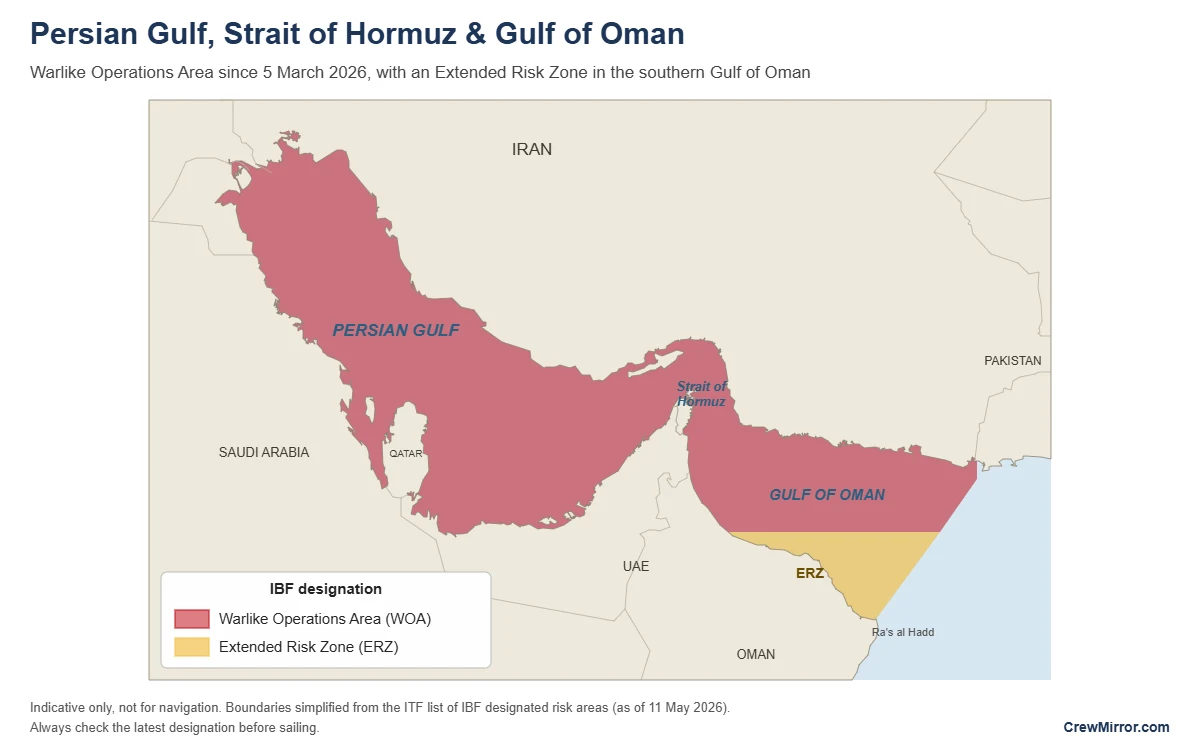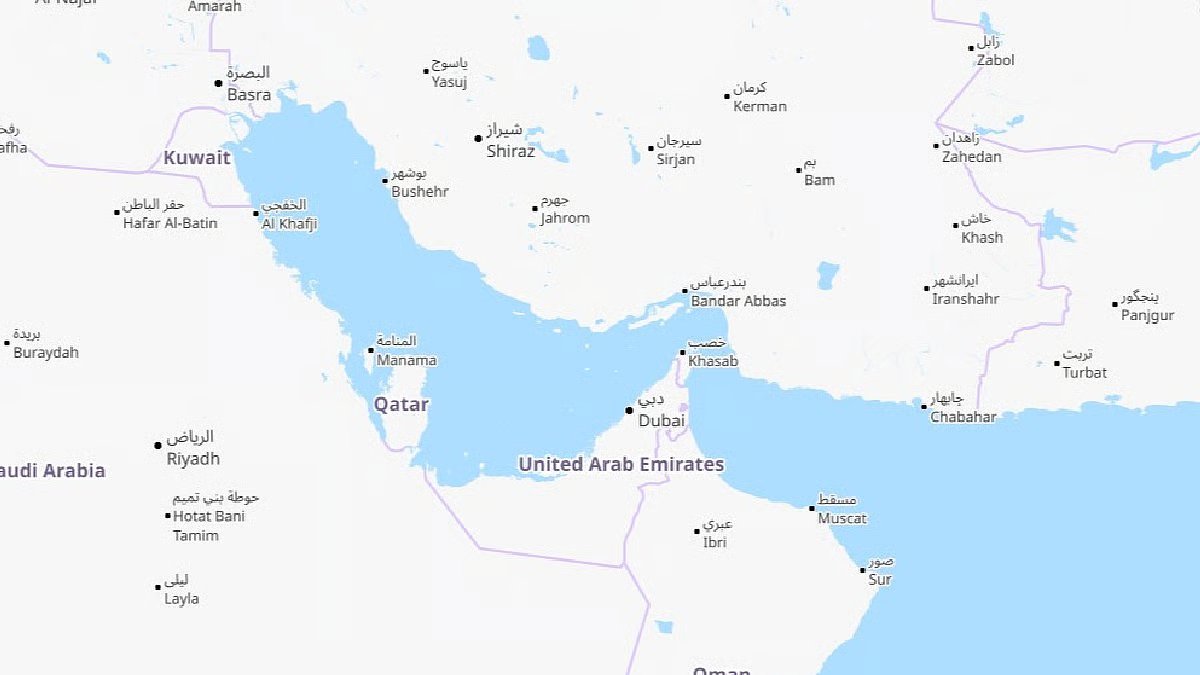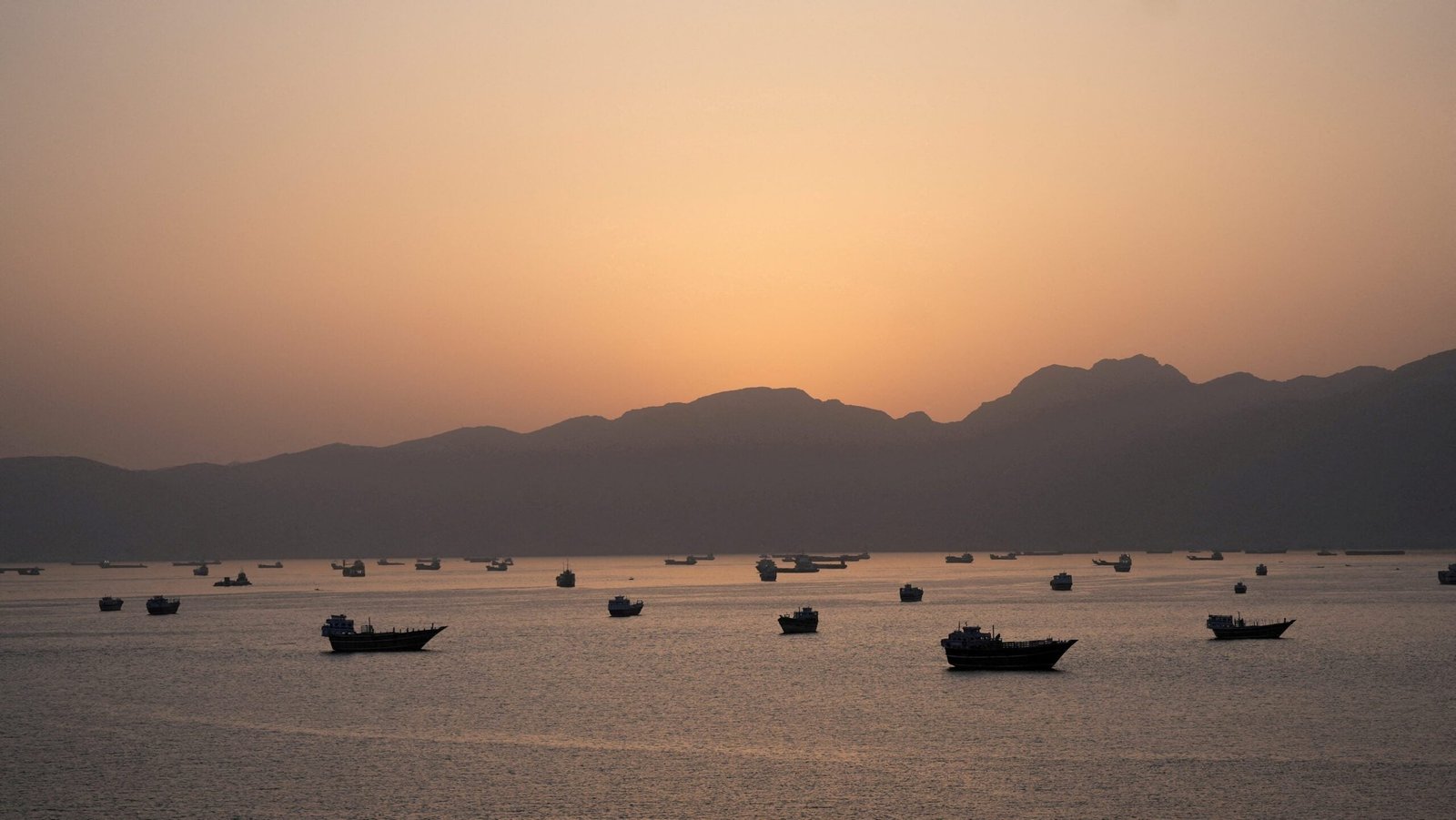
The US and Iran are on the brink of signing an interim peace agreement that both sides view as a success, although skeptical energy experts question how swiftly it will facilitate the reopening of the Strait of Hormuz. The memorandum of understanding, which will lead to a two-month negotiation period regarding Iran’s nuclear program, has yet to be fully disclosed. A draft indicates that Iran may receive sanctions waivers for immediate oil sales, while other financial benefits will be determined later.
A US official stated the full agreement might be published shortly before a signing ceremony in Switzerland. Vice President JD Vance will lead the American delegation, with Iran likely represented by its Parliament Speaker. At a Group of Seven summit in France, President Trump emphasized that the deal aims to prevent Iran from developing nuclear weapons and dismissed any obligations for the US to pay war reparations or invest in Iran’s economy.
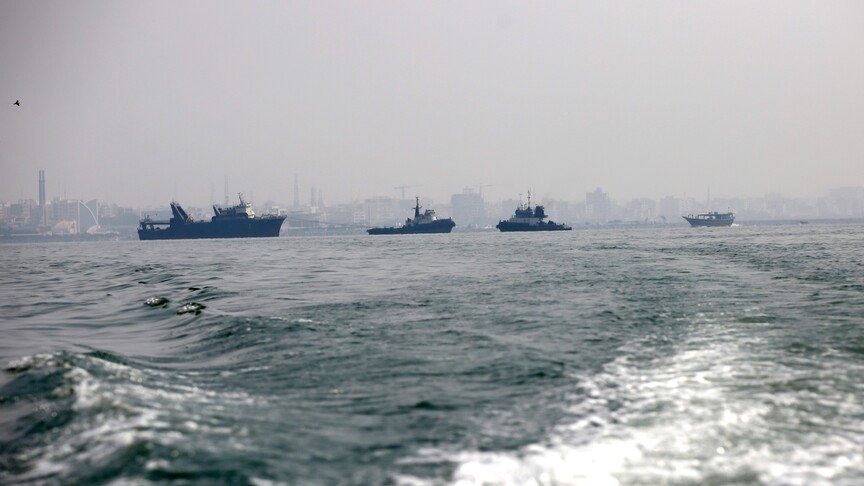
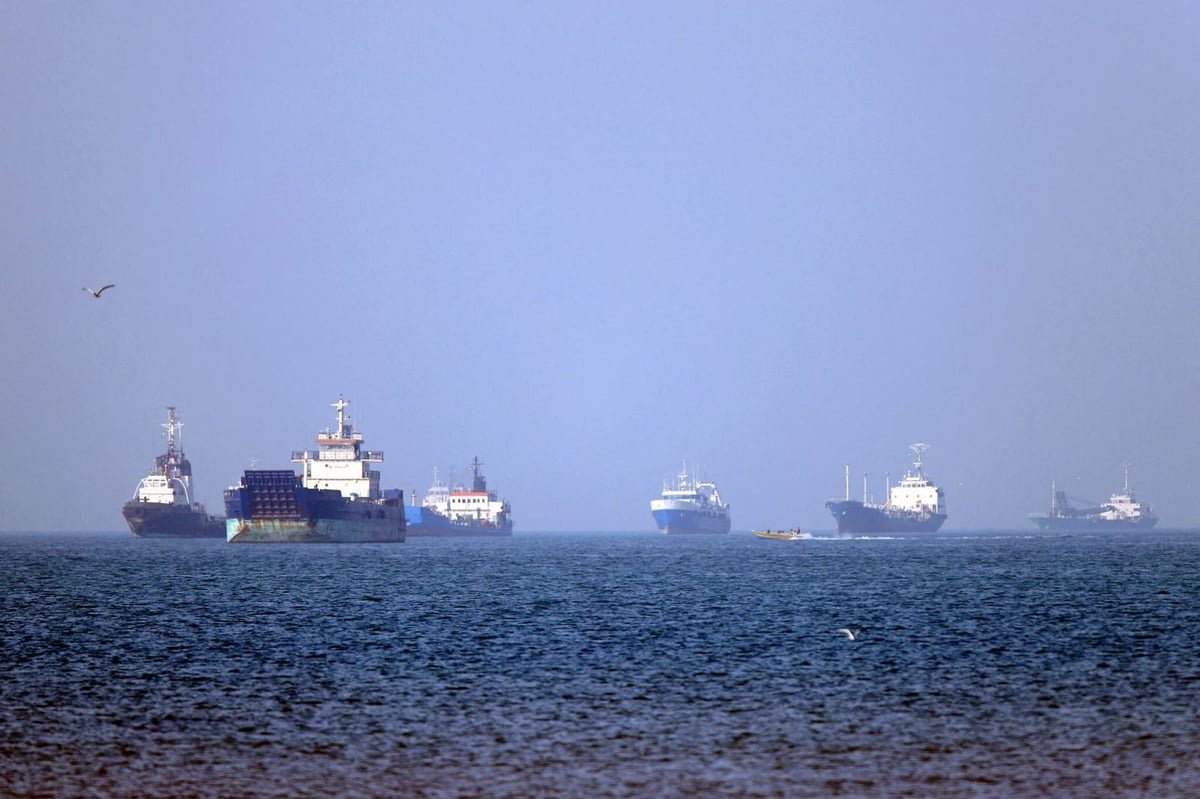
Iran expects the MOU will allow access to frozen funds, with estimates of these assets ranging significantly. The situation has contributed to fluctuating oil prices and raised concerns among European nations regarding the reopening of the pivotal shipping route. Moreover, trust issues persist, as both sides remain wary of each other’s intentions and actions. The resolution of the broader conflict, particularly involving Israel and Hezbollah, could further complicate the situation.