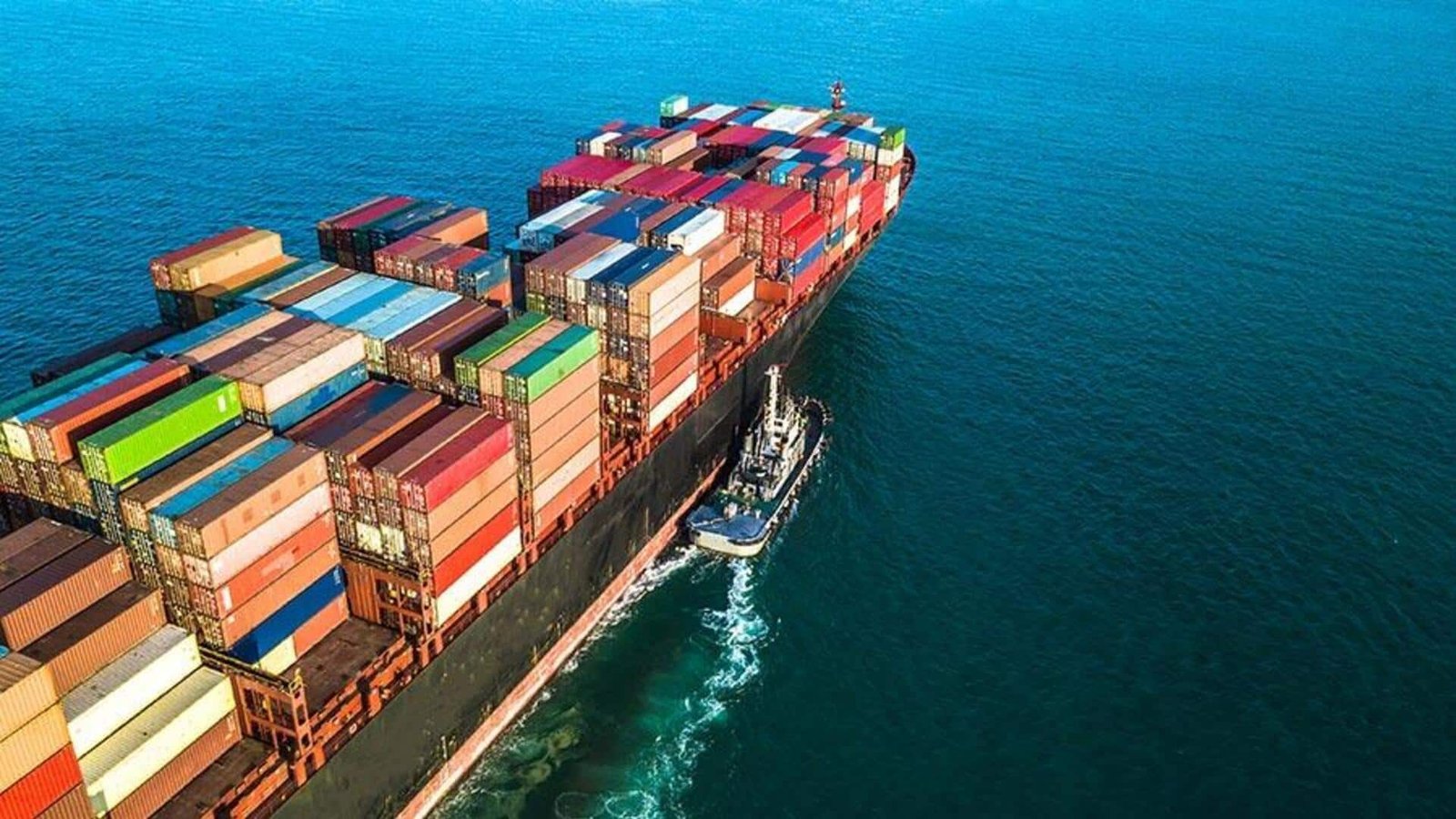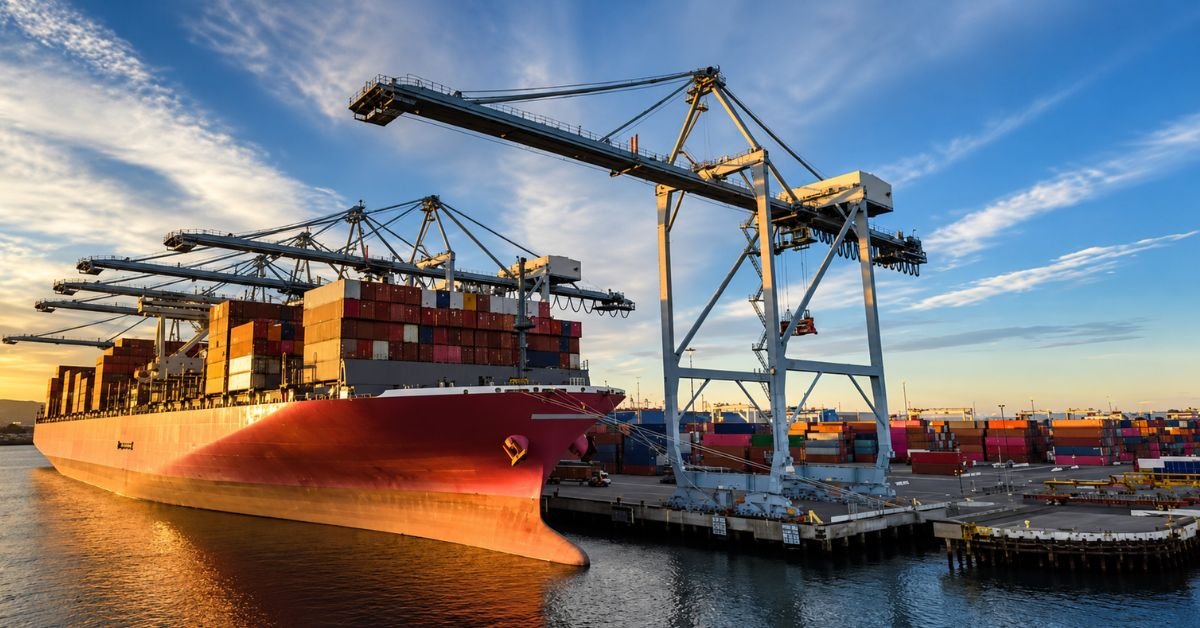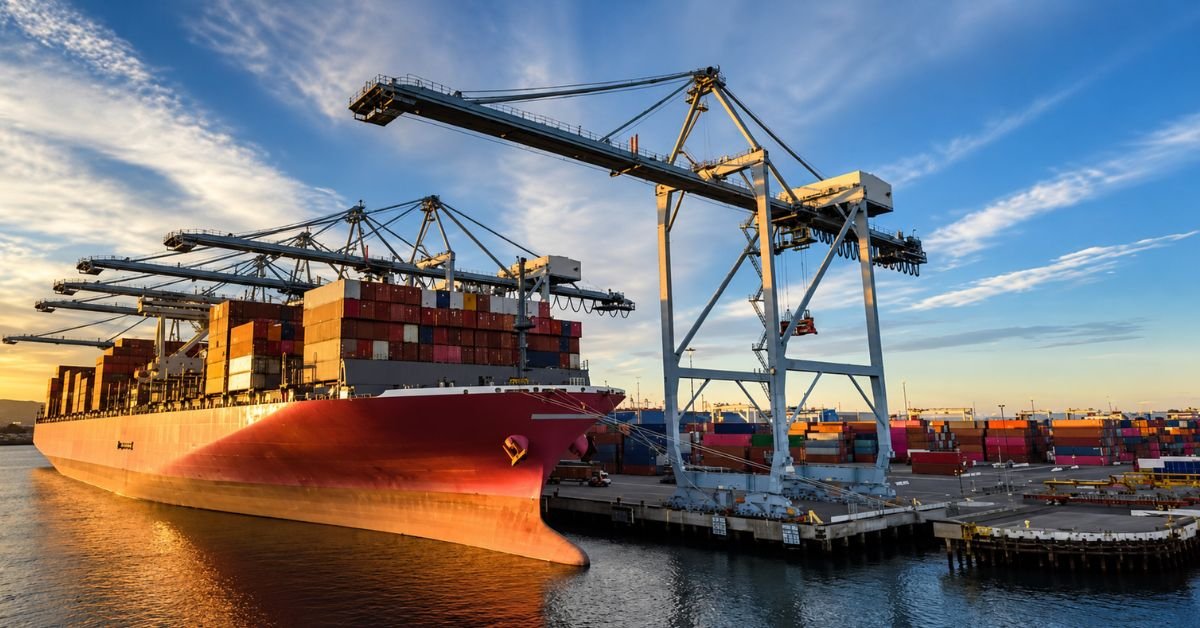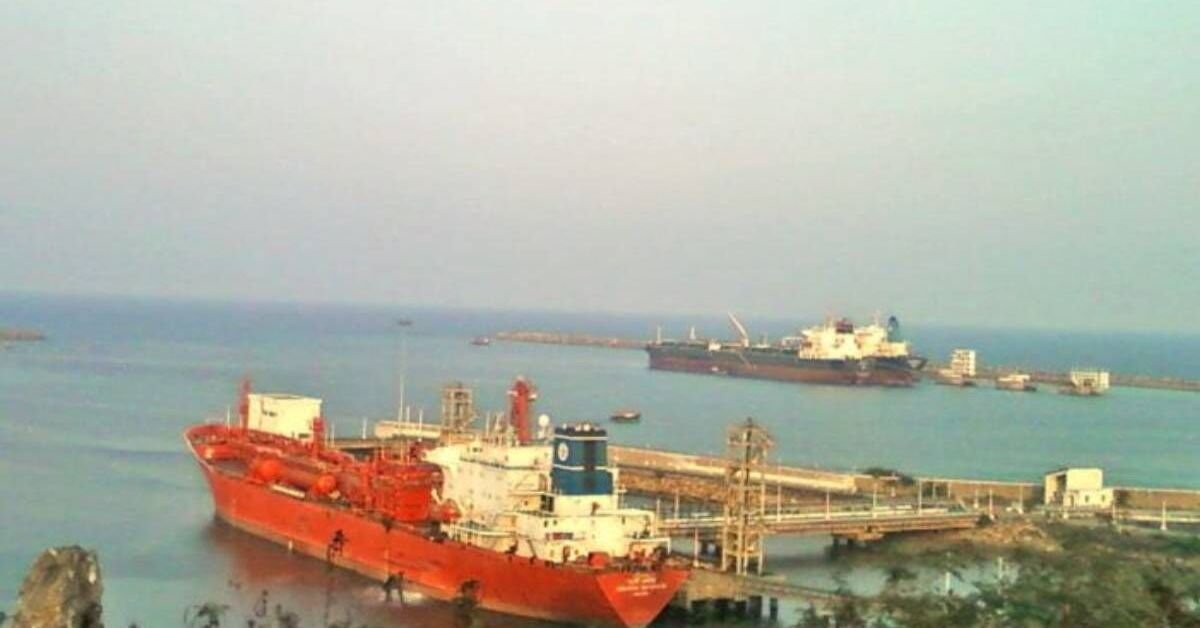
The Indian government is evaluating the possibility of extending concession periods for privately operated port terminals beyond the standard 30 years. This initiative is designed to attract long-term investments and offer terminal operators more time to recover their infrastructure costs. The Ministry of Ports, Shipping, and Waterways is particularly focused on extending concessions for non-captive, common-user terminals, such as those for containers and dry bulk.
Longer concession periods are crucial because port terminal projects require significant upfront investment in equipment, infrastructure, and technology. The lengthy processes of construction and approvals often consume several years of the existing concession, limiting the time operators have to achieve profitability. An extended tenure would provide greater certainty for investors, encouraging them to make additional capital expenditures throughout the concession’s duration.
Currently, India’s Model Concession Agreement (MCA) offers flexible terms based on different investment phases. Although the existing framework recommends 30-year and 45-year concessions for single and multi-phase projects, respectively, the growing demand for longer concessions raises crucial questions about the future of private terminal operations as earlier concessions near expiration. Nevertheless, the attractiveness of an extended concession period rests on several factors, including tariffs and operational flexibility.