Author: Michael Nienaber, Alberto Nardelli, Andrea Palasciano, and Josh Wingrove
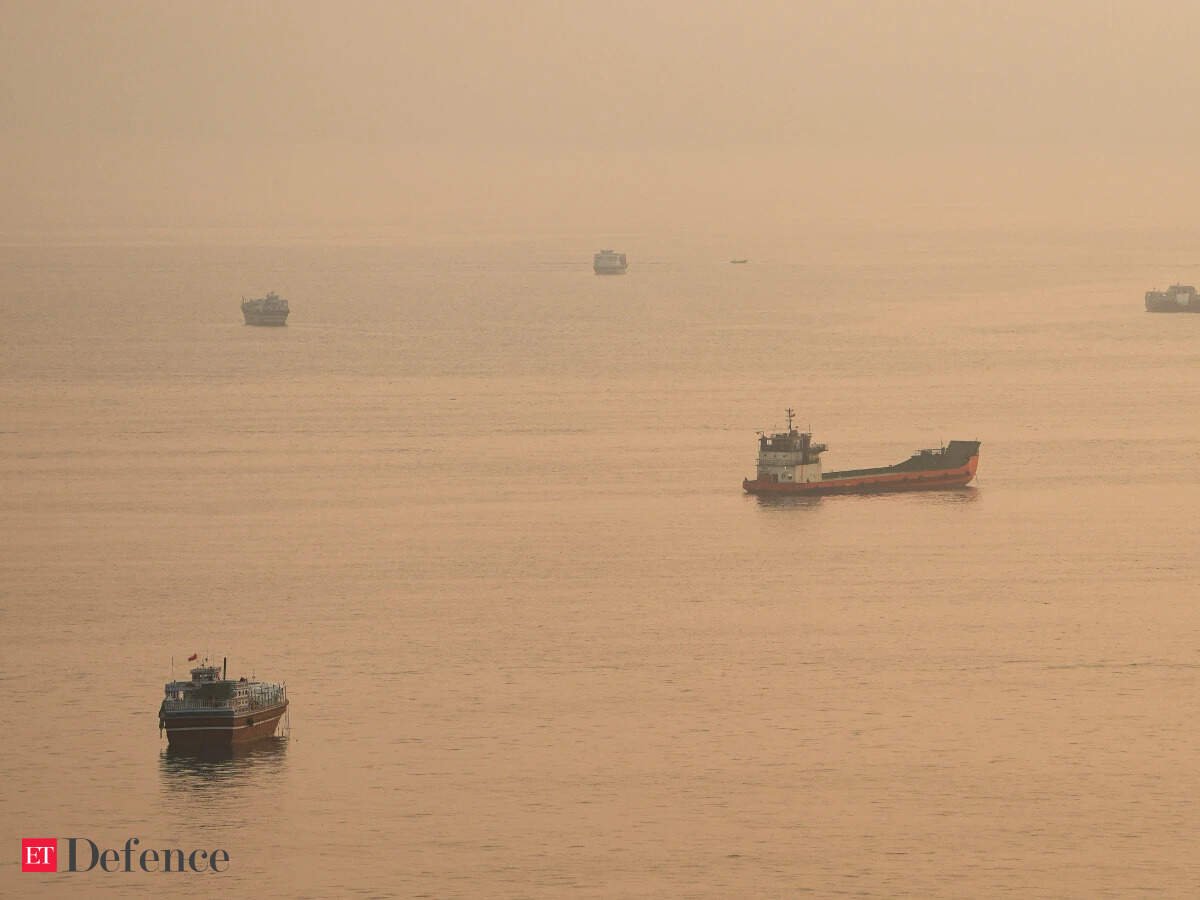
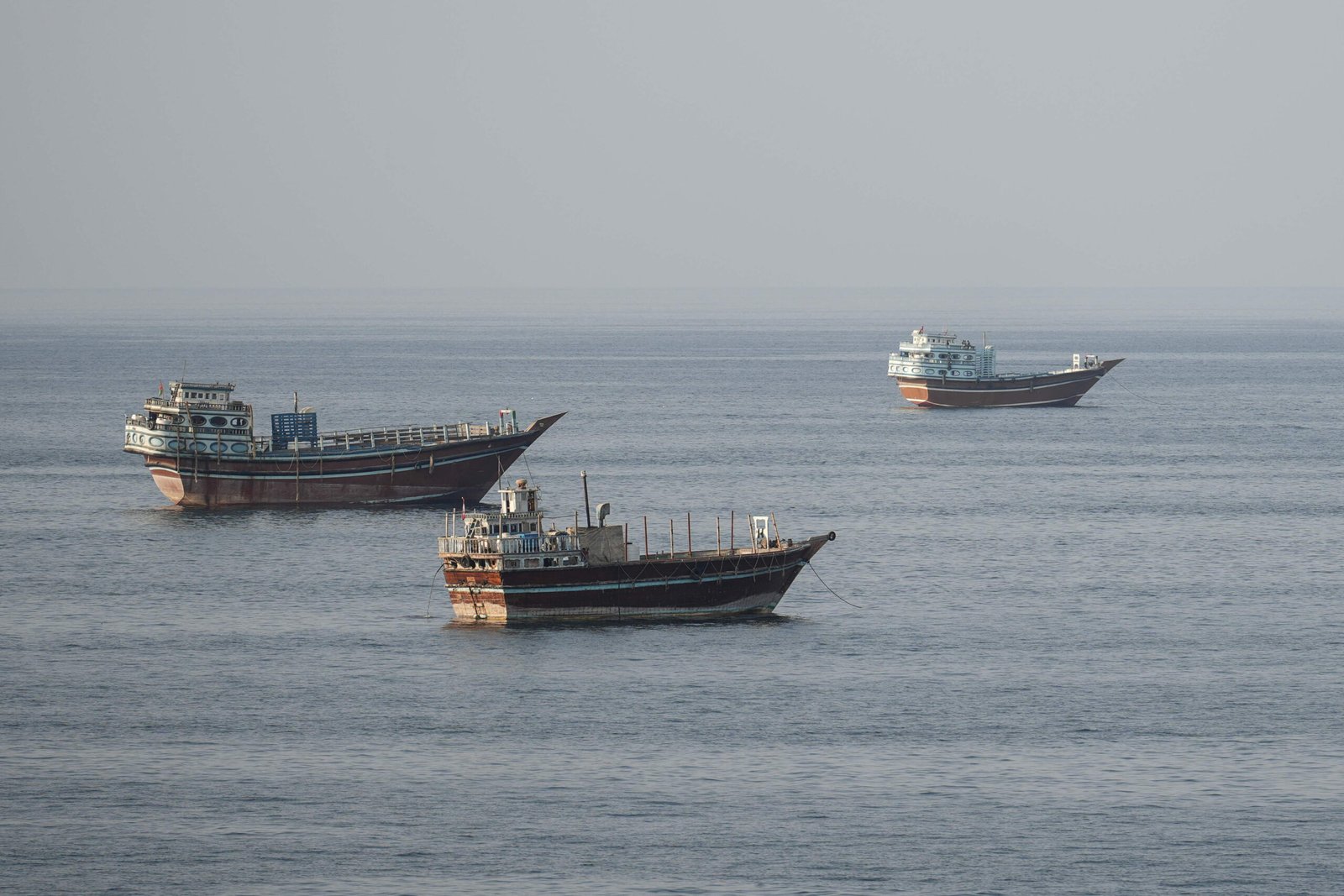
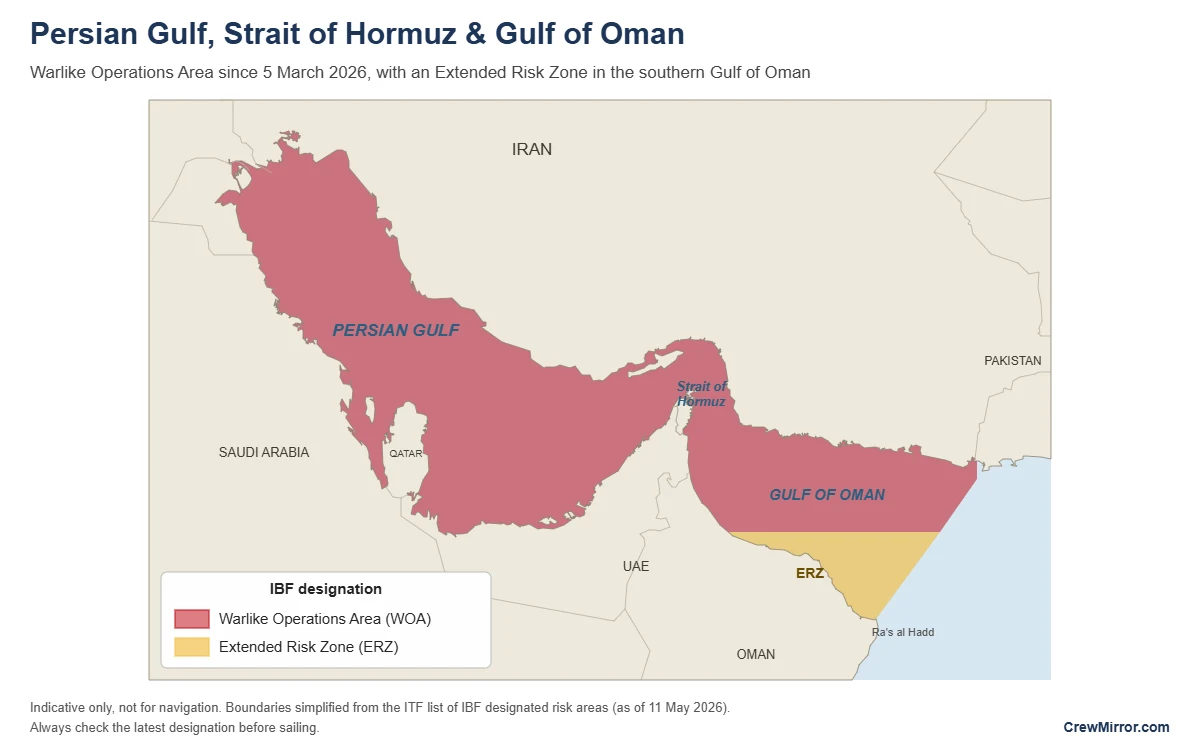
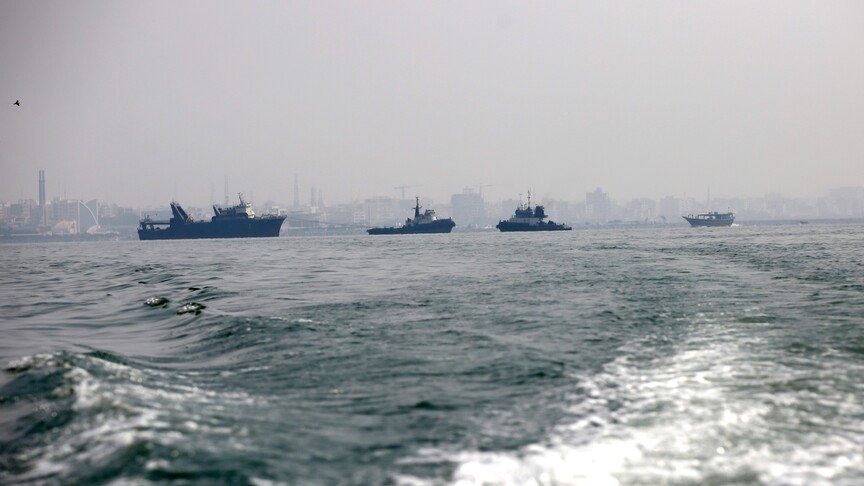
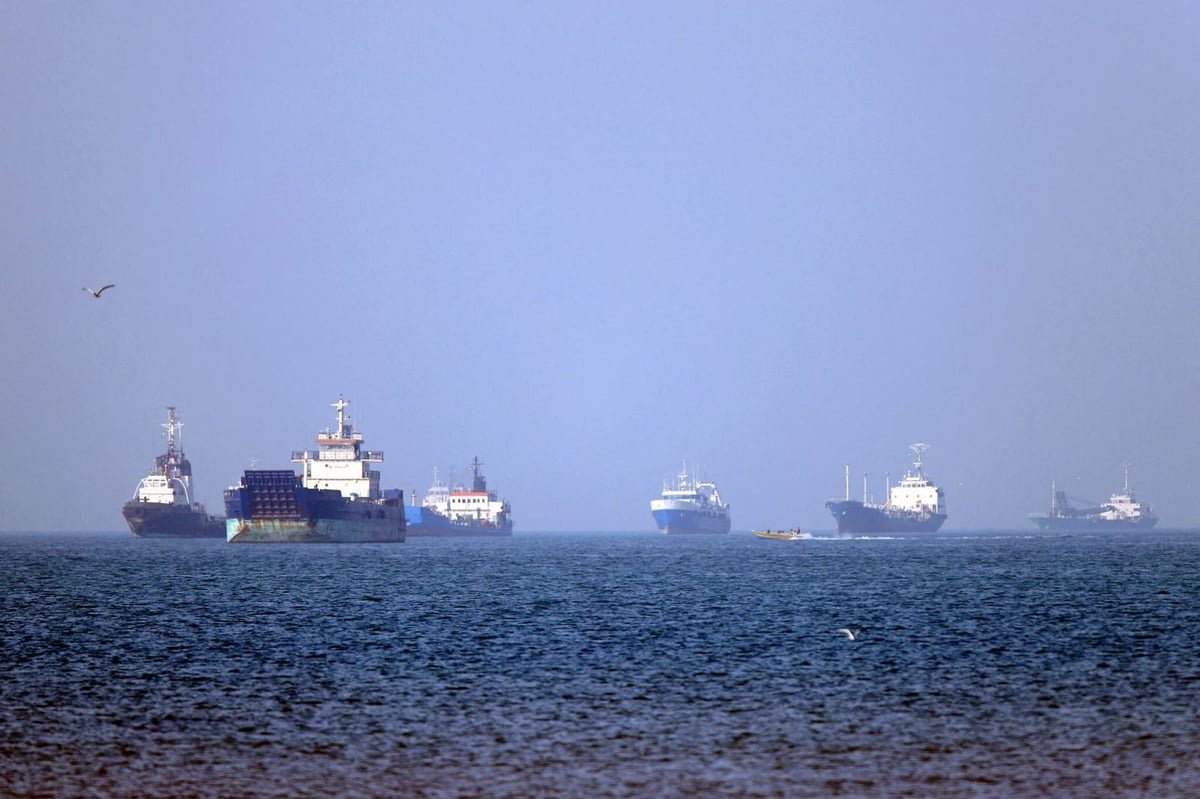
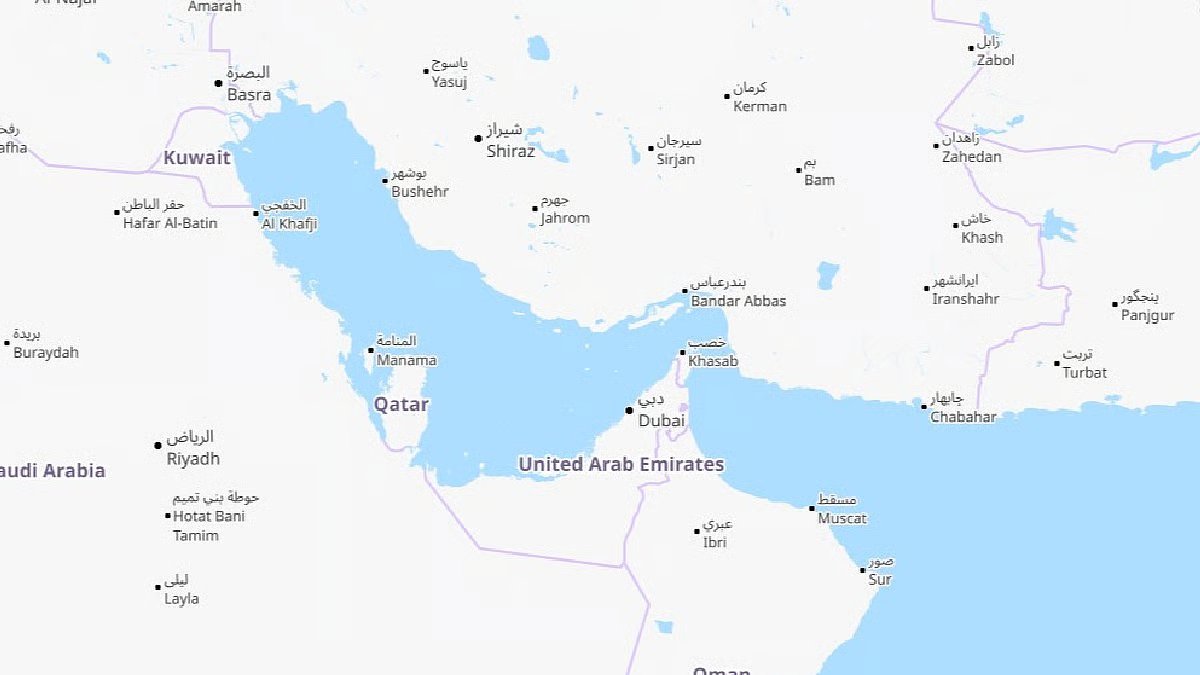
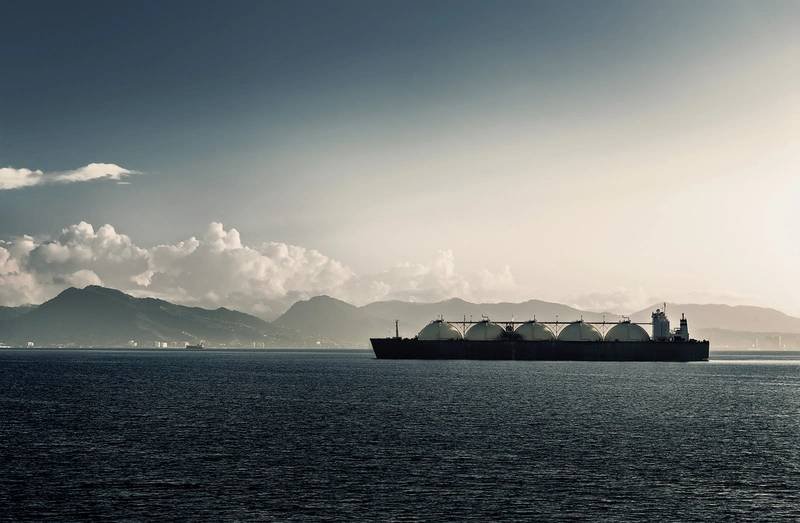
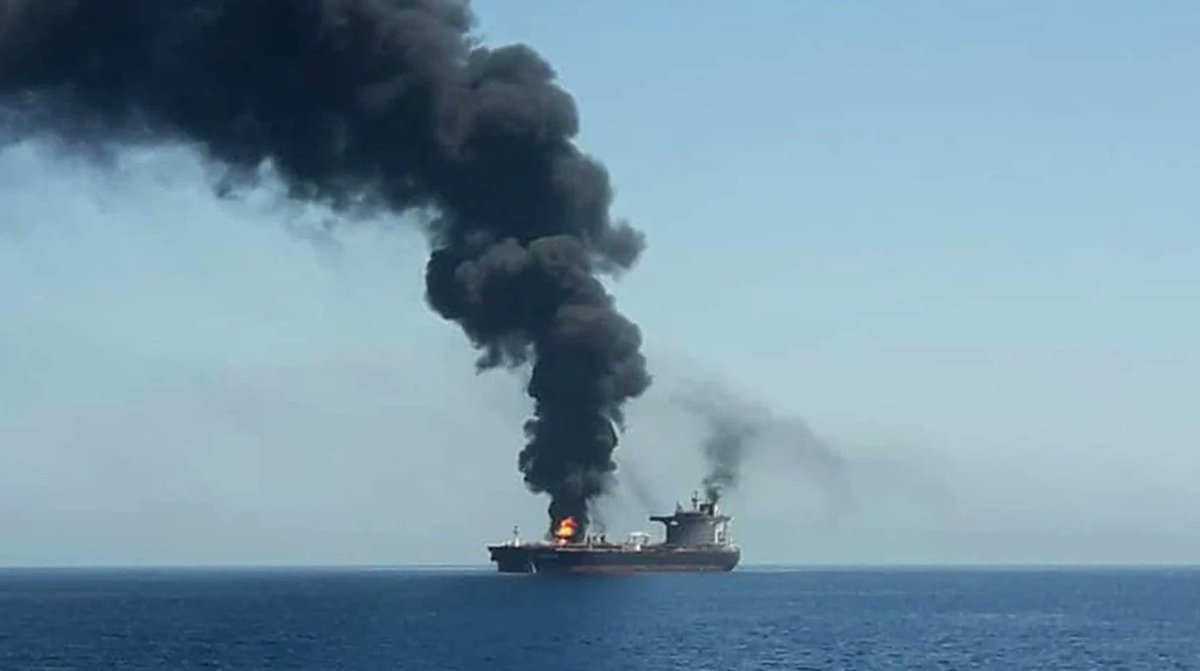
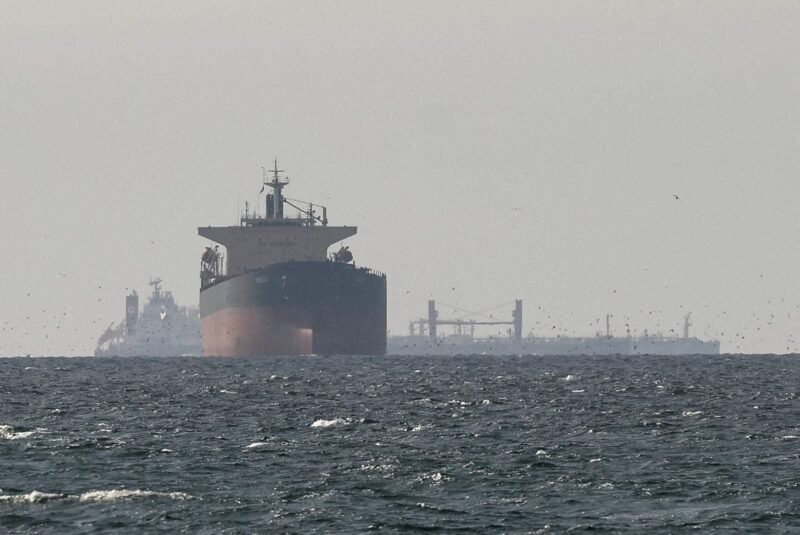
On June 16, 2026, US President Donald Trump maintained that the Strait of Hormuz, a crucial passage for a fifth of the world’s oil and liquefied natural gas supplies, would reopen by Friday. However, at the Group of Seven summit, European allies expressed skepticism about this timeline. They raised concerns regarding the details of any agreements and the feasibility of resuming trade by week’s end, indicating a lack of unified strategy on addressing the Iranian situation.
Internal divisions were evident, with even Italian Prime Minister Giorgia Meloni connecting her country’s support to the cessation of hostilities in Lebanon, reflecting broader doubts about Trump’s proposed timeline. Senior US officials echoed these sentiments, noting that traffic levels in the Strait would take time to normalize due to remaining mines and varying risk assessments from potential shippers.
Despite claims of an interim agreement between the US and Iran, the absence of a formal document has led to differing interpretations, raising questions about clarity and commitment. With a signing scheduled in Switzerland, European leaders are prepared to seek Trump’s approval for mine-clearing efforts, though any military presence in the Strait hinges on a stable ceasefire and a finalized agreement.
European nations are actively planning for mine-clearing missions, emphasizing the necessity of a secure environment for operations. With more than 15 countries pledging support, French President Emmanuel Macron highlighted the strategic importance of reopening the Strait for global peace, underscoring a collective commitment amid ongoing uncertainties.