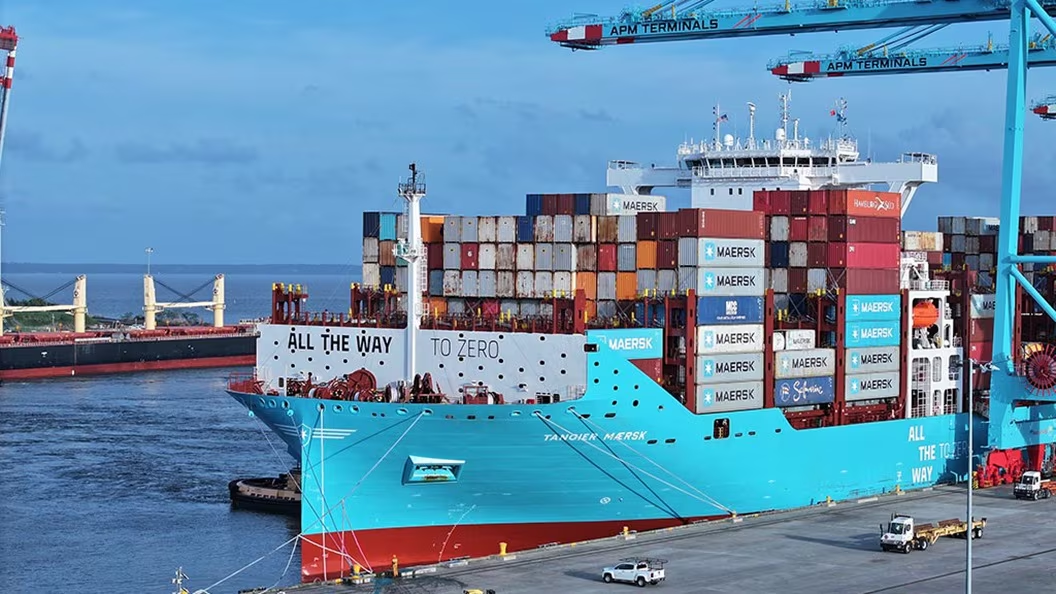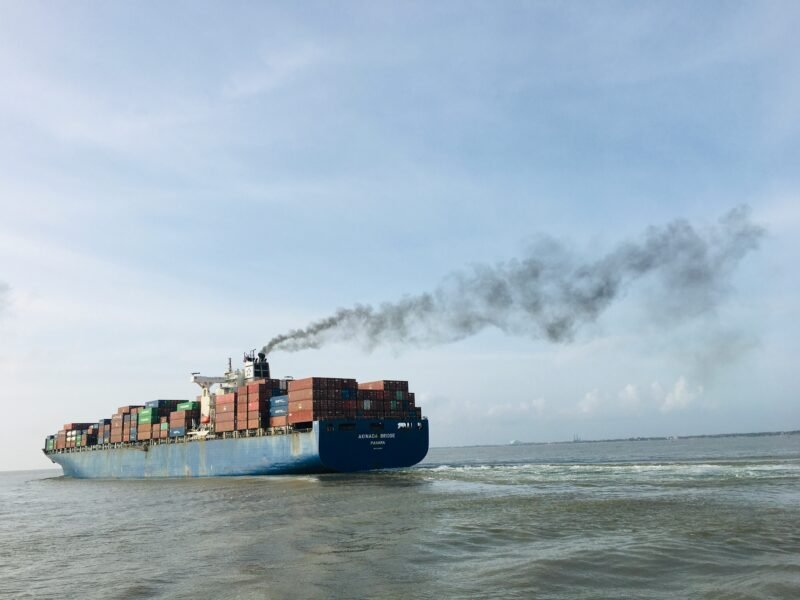
The International Maritime Organization’s (IMO) Net-Zero Framework has successfully maintained its core principles amid recent negotiations in London, despite pressure from the United States and several oil-producing nations to modify or eliminate essential components. Delegates concluded four days of discussions with carbon pricing remaining a central issue, reflecting a deep divide among member states.
Observations indicate that 38 nations supported the retention of carbon pricing as a critical aspect of the framework, while 17 countries, primarily oil producers, voiced concerns regarding potential economic impacts. The existing proposal combines stringent limits on greenhouse gas emissions from marine fuels with a pricing mechanism aimed at incentivizing the adoption of cleaner alternatives, which is anticipated to yield between $10 billion and $15 billion annually. Disagreements largely revolve around managing these funds and determining liability.
Various countries have proposed differing approaches to the framework: Liberia suggests linking emissions requirements to the availability of cleaner fuels, while Brazil seeks to maintain the framework with less stringent initial targets. On the other hand, countries like Australia and the UK largely support the current structure but advocate for clearer revenue distribution guidelines. As discussions continue, the focus remains on establishing a pricing mechanism for shipping emissions, amid warning from some nations about potential economic repercussions.
Supporters of the framework emerged from the latest negotiations feeling that efforts to restructure the agreement fell short. They argue for the urgent adoption of the framework, which aims to help the shipping sector reach net-zero emissions by around 2050. With additional meetings scheduled before the year’s end, the central components of the Net-Zero Framework remain contentious yet intact, signaling its status as the leading candidate for a global shipping emissions strategy.