During his recent address to the United Nations General Assembly, President Donald Trump criticized the International Maritime Organization (IMO) for its proposed Net-Zero Framework, accusing the agency of attempting to establish a global carbon tax that could significantly increase shipping costs. Trump claimed this initiative could lead to a 10 to 20 percent rise in international shipping expenses. He further asserted, “There is no global government,” and vowed there would be no global taxes while he remains in office.
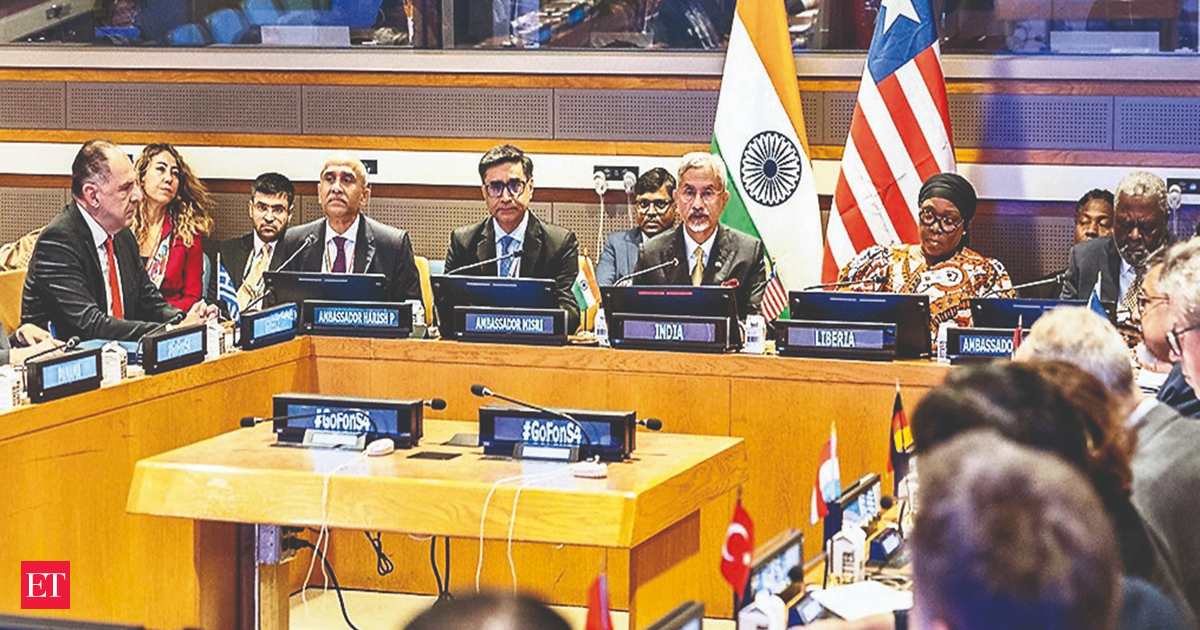
Trump’s comments highlight an ongoing conflict surrounding the IMO’s framework, which has seen member states gear up for a crucial decision expected in December. Last year, the Trump administration played a pivotal role in delaying the adoption of this framework, using threats of tariffs and sanctions against nations supporting it. This intervention resulted in a narrow vote of 57-49 that postponed the measure for one year.
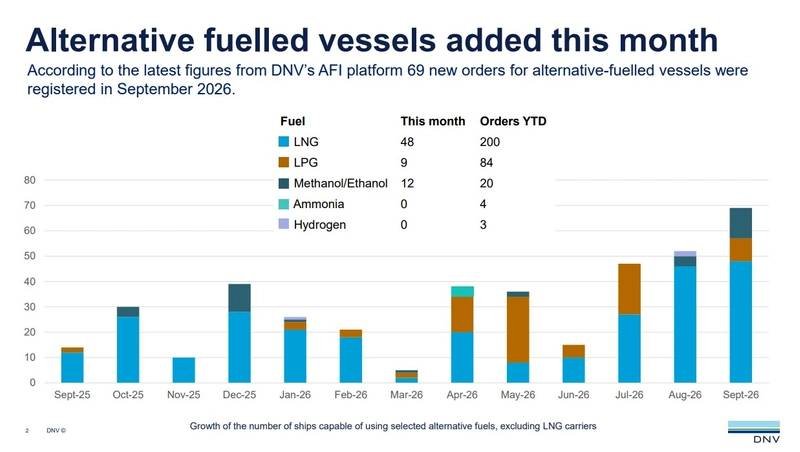
While supporters frame the framework as a method to price greenhouse gas emissions from ships, Trump labels it a carbon tax, echoing a narrative from his administration. Cost concerns are central to the division among IMO member states, with many rich in oil opposing the framework due to potential economic impacts, while numerous other countries support the carbon pricing initiative to foster investment in alternative marine fuels.
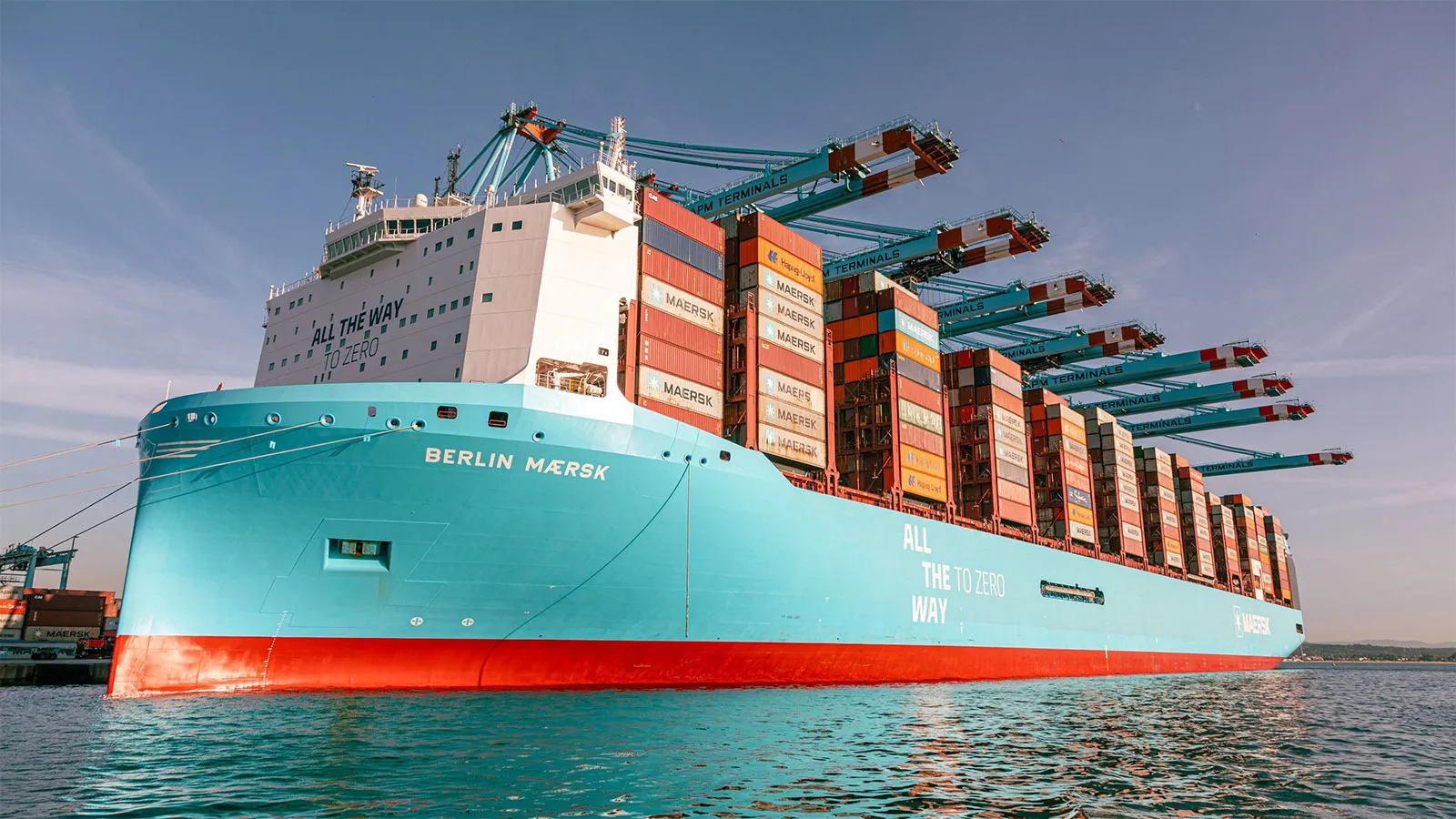
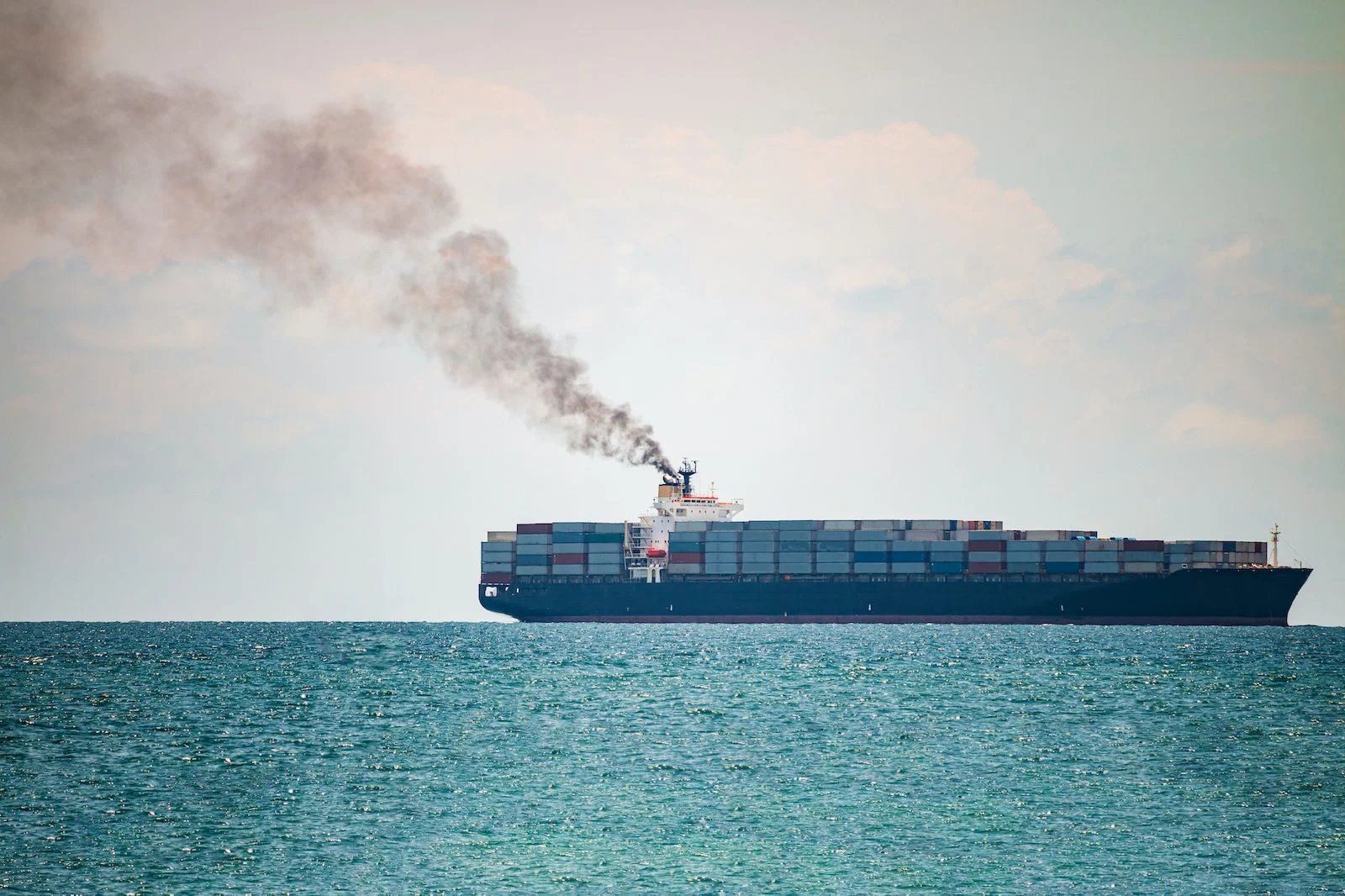
As negotiations resume, the IMO aims to achieve net-zero emissions for international shipping by 2050, with the next technical discussions scheduled for late November. The framework, designed to reduce greenhouse gas intensity from marine fuels, is anticipated to generate billions in revenue. With Washington firmly against the proposal, the upcoming vote at the marine committee on December 4 will be closely watched.