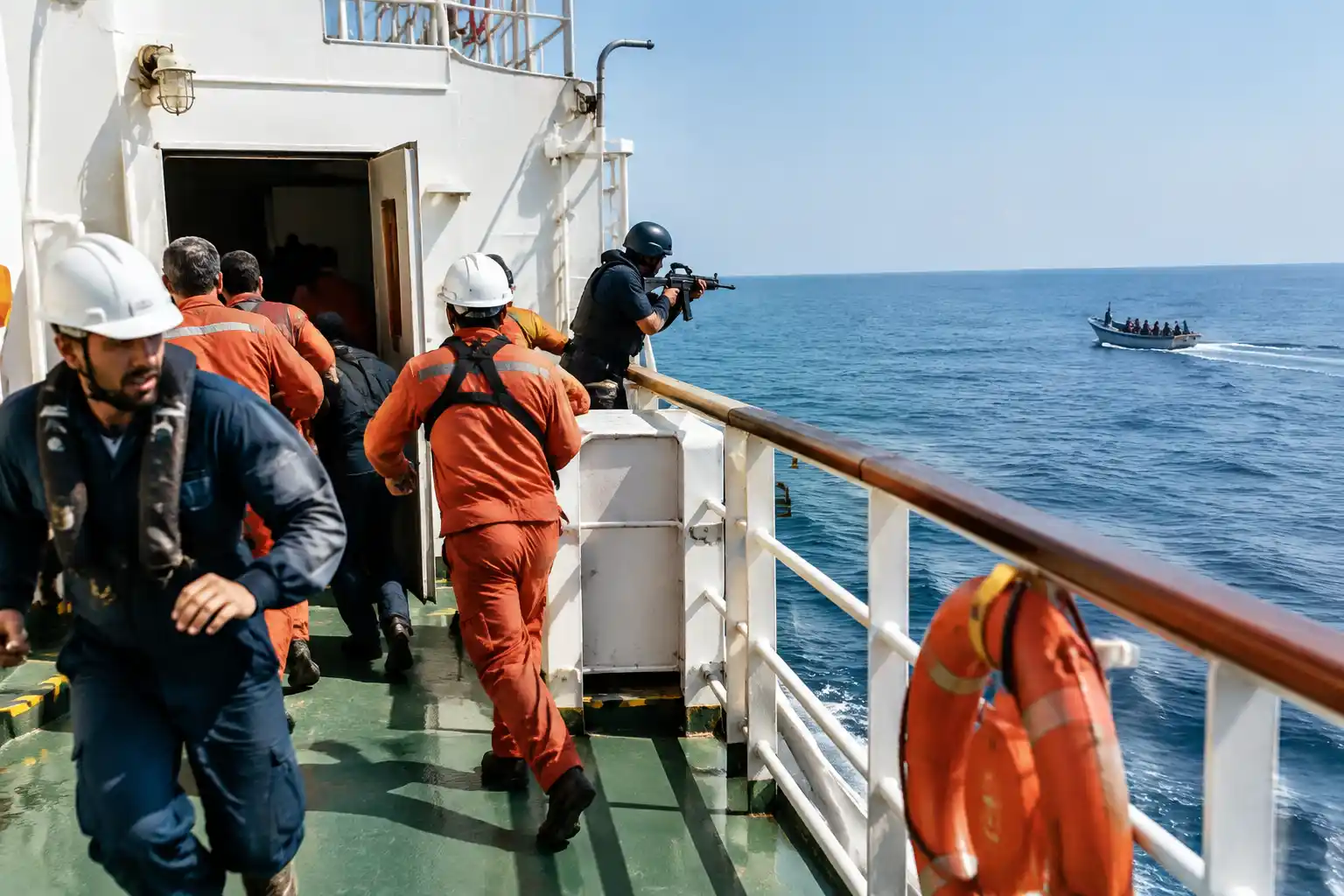
At the SMM Hamburg event, leaders from the International Chamber of Shipping (ICS) expressed concerns about the impact of geopolitical disruptions on maritime crews and long-term shipping investments. ICS Secretary-General Thomas Kazakos emphasized that seafarers should not be entangled in geopolitical disputes or used as bargaining chips in conflicts over international waterways. He highlighted the risks faced by crews and the challenges shipping companies encounter when making decisions about renewing their fleets amid such uncertainties.
Kazakos delivered his remarks during the Xinde Marine Forum, themed ‘Navigate Uncertainty, Embrace Transition.’ He underscored that seafarers are not combatants but vital workers who ensure the continuous movement of essential goods, energy, and food globally, often far from their homes. His call to protect crews comes at a time when the industry is grappling with increasing dangers linked to geopolitical tensions.
John Denholm, chairman of the ICS, also addressed the pressing investment challenges facing shipowners. During a press conference titled ‘Autonomy & Security: Shaping a Resilient and Intelligent Maritime Future,’ he noted that while shipowners are willing to invest, supply-chain instability and geopolitical risks complicate their ability to assess the long-term viability of technologies and projects. This uncertainty poses a significant barrier to making major capital commitments in a rapidly evolving maritime landscape.
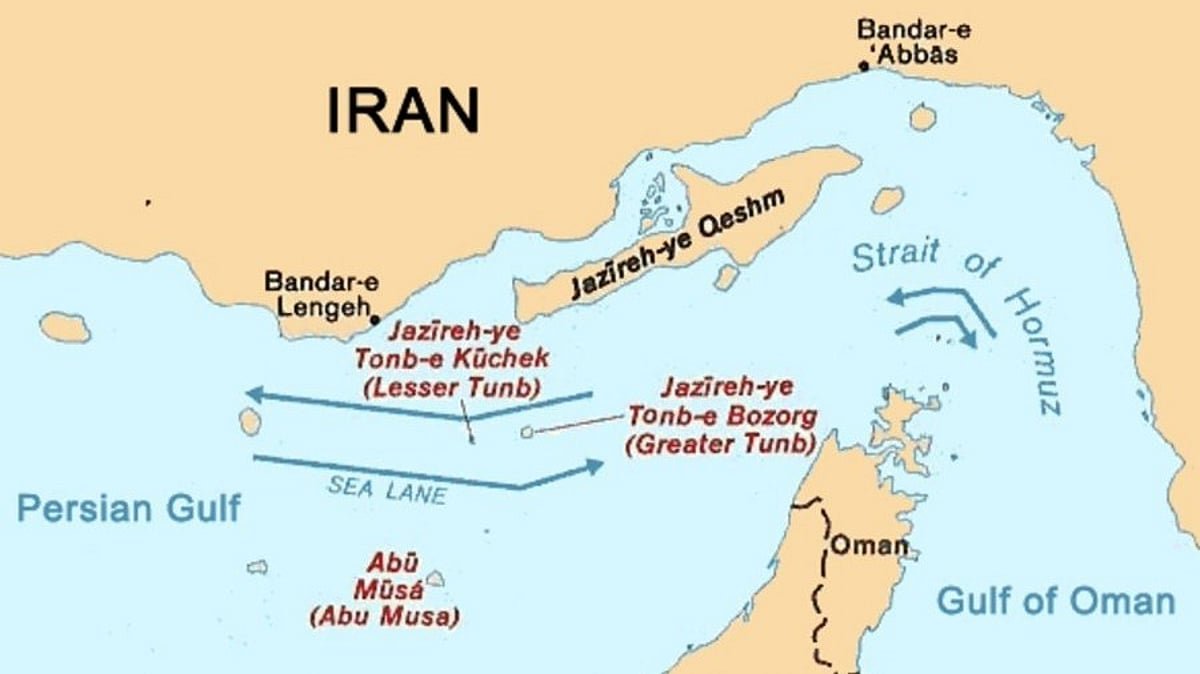
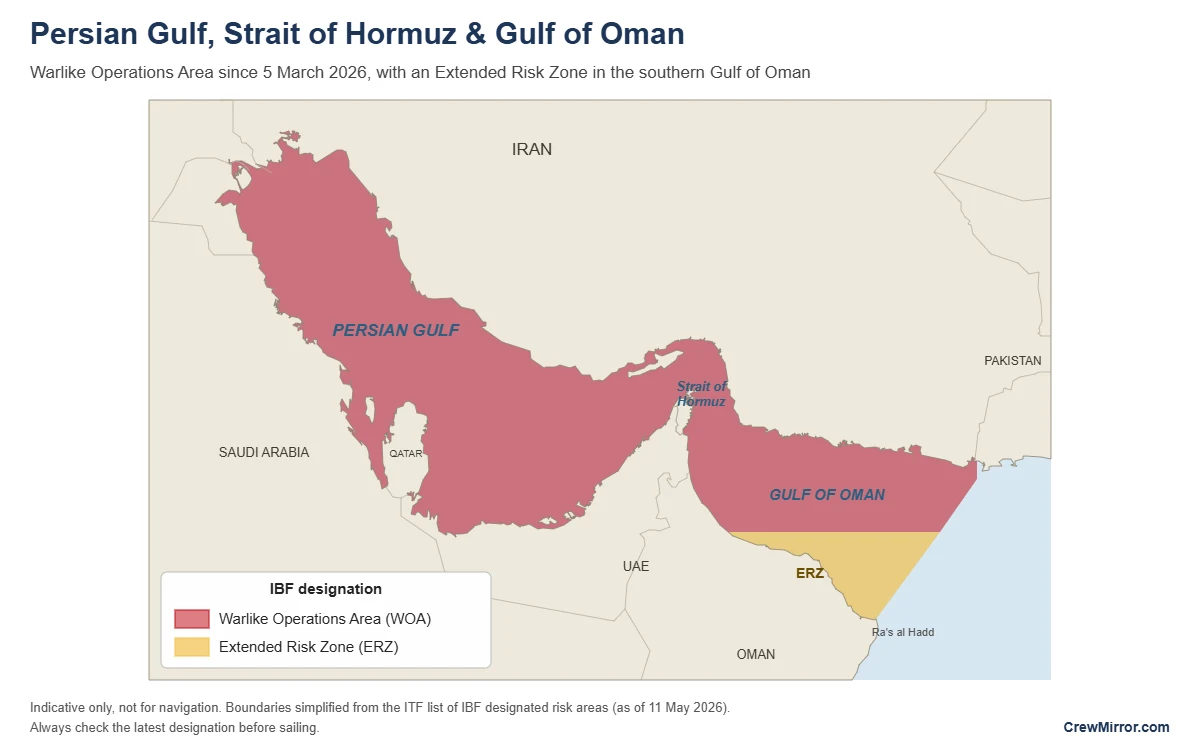
Denholm was joined by notable figures, including Arsenio Dominguez, Secretary-General of the International Maritime Organisation, and representatives from various maritime organizations. Together, they discussed maritime security and the industry’s evolving technological needs. The ICS continues to advocate for the protection of navigation freedoms and opposes potential tolls or service charges in critical maritime routes like the Strait of Hormuz.