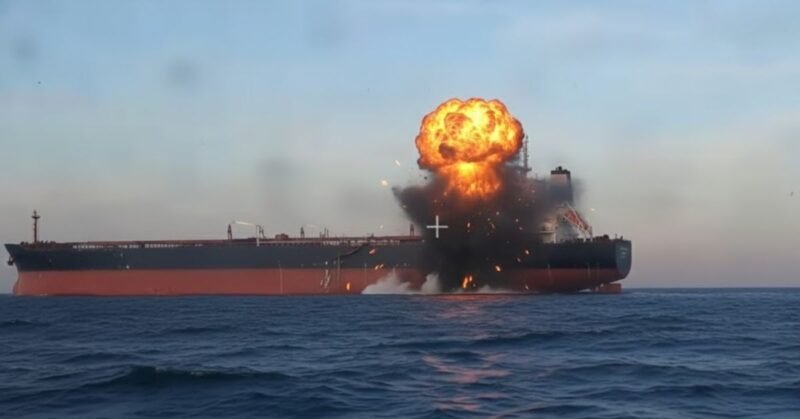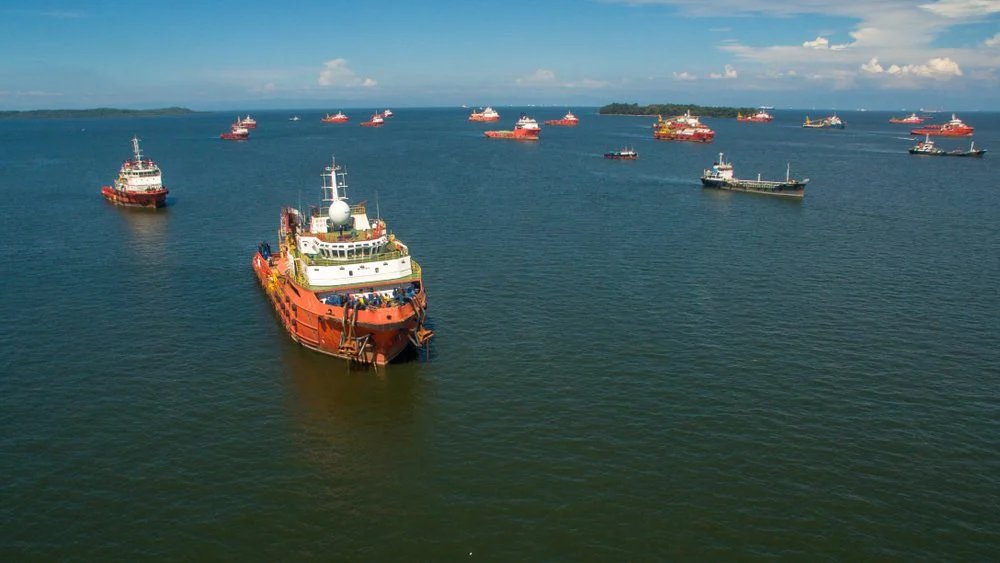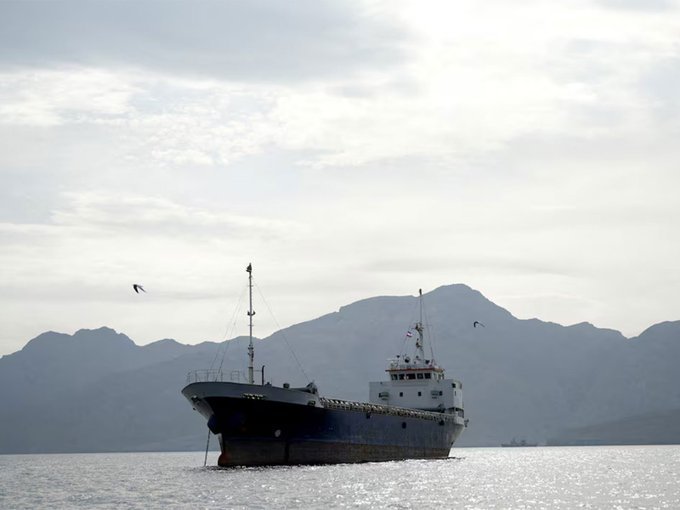
According to CDC data, maritime workers face a significantly higher risk of fatalities, injuries, and illnesses compared to the national average for other industries. With a 30% rise in security incidents in geopolitical hotspots and over a 130% increase in trespassing at certain ports, maritime security professionals are seeking innovative strategies to protect personnel and assets.
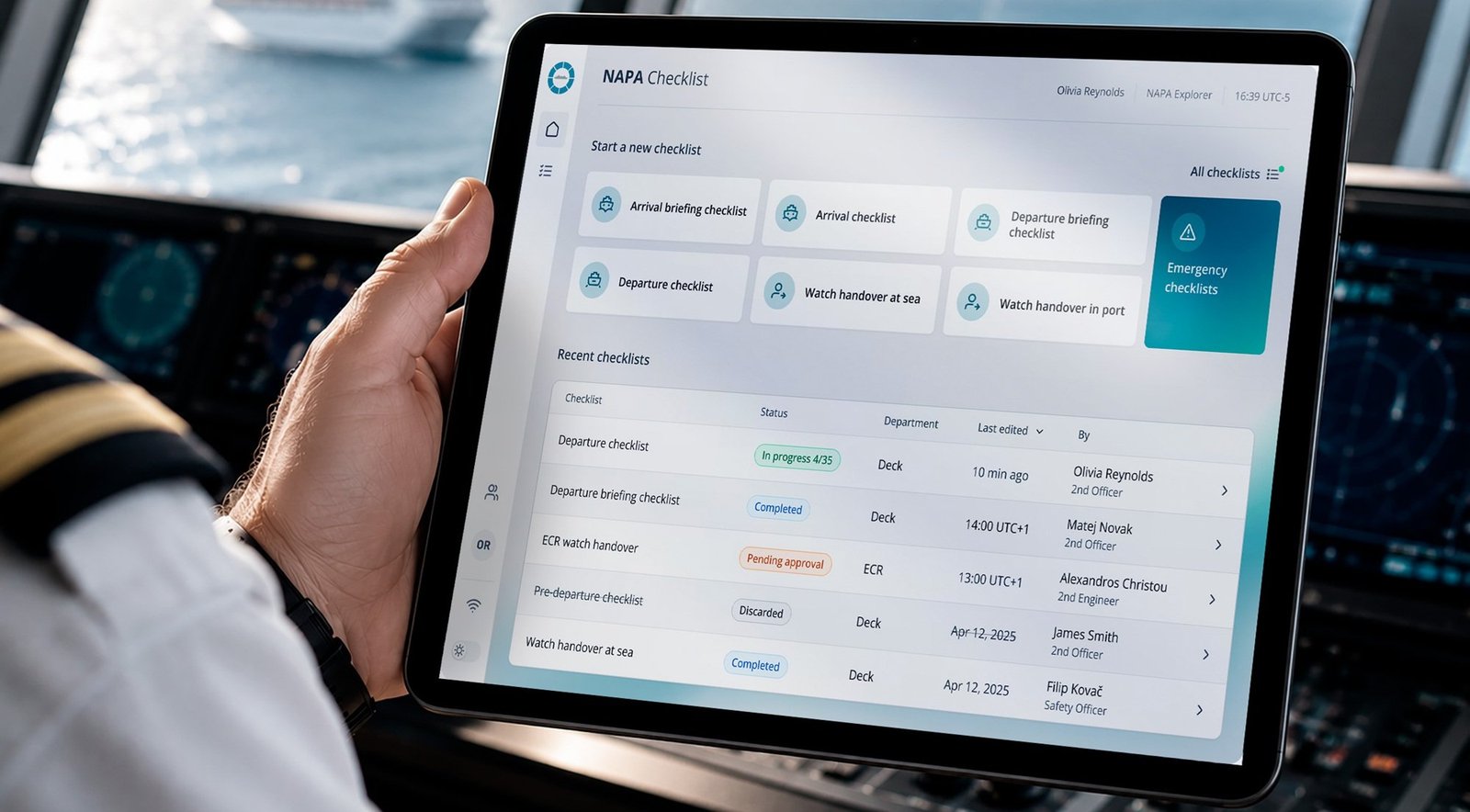
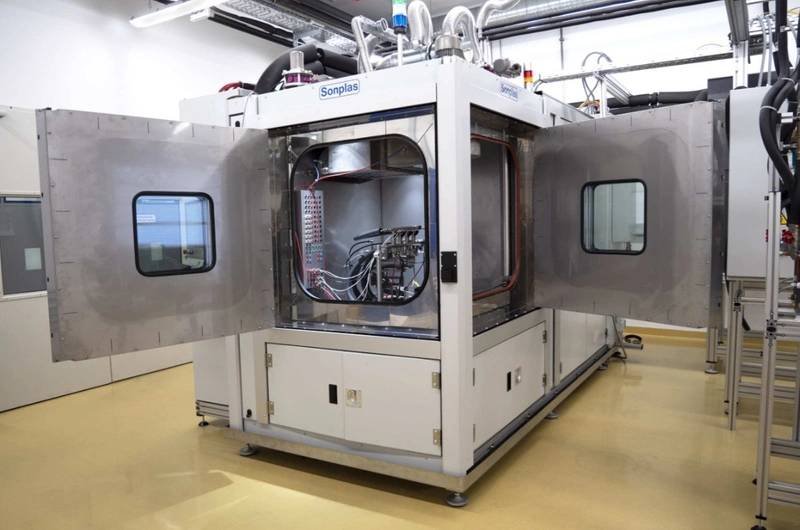
To devise effective solutions, industry leaders are examining safety practices from other high-risk sectors, particularly manufacturing. The manufacturing industry has successfully integrated smart security technologies, such as IoT sensors, cameras, and alarms, to tackle modern safety challenges. These tools enable operators to detect and respond to threats by continuously gathering and analyzing operational data, providing insights into risk formation.
By adapting these manufacturing safety technologies, maritime operations can enhance their safety and efficiency. For instance, sensors can monitor equipment and infrastructure in real-time, helping to identify potential hazards. Additionally, data collection software can streamline cargo operations by pinpointing bottlenecks, thus reducing the pressure on workers that often leads to injuries. Wearable sensors and AI-driven cameras can further safeguard personnel by monitoring health metrics and detecting unusual activities.
Ultimately, the maritime industry can learn from manufacturing’s successful use of safety technologies to address contemporary risks and improve operational practices. By implementing similar data-driven strategies, maritime leaders can better predict risks and enhance situational awareness, ensuring a safer working environment for all.