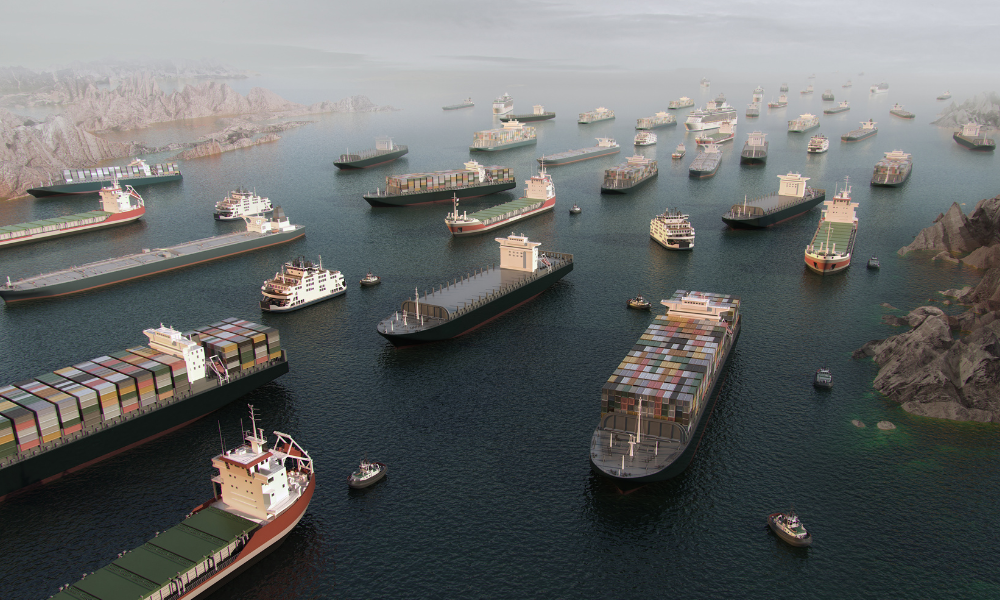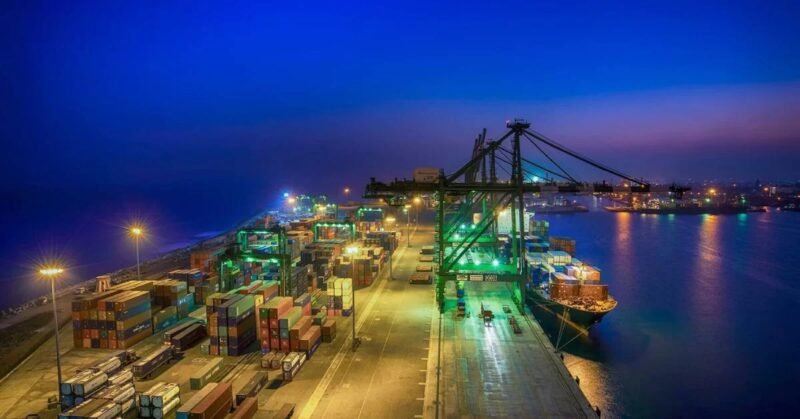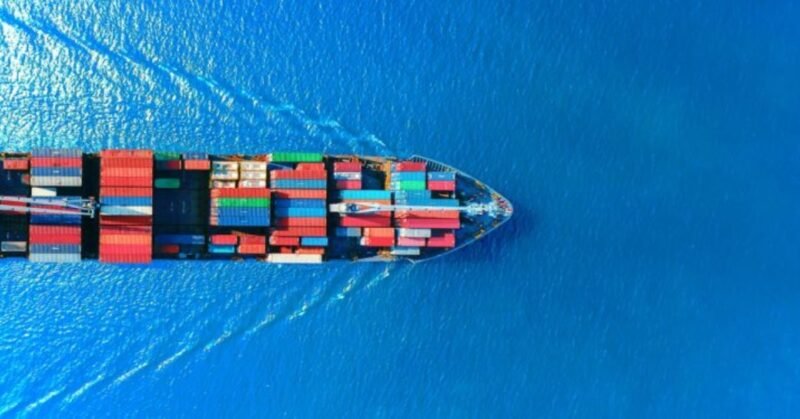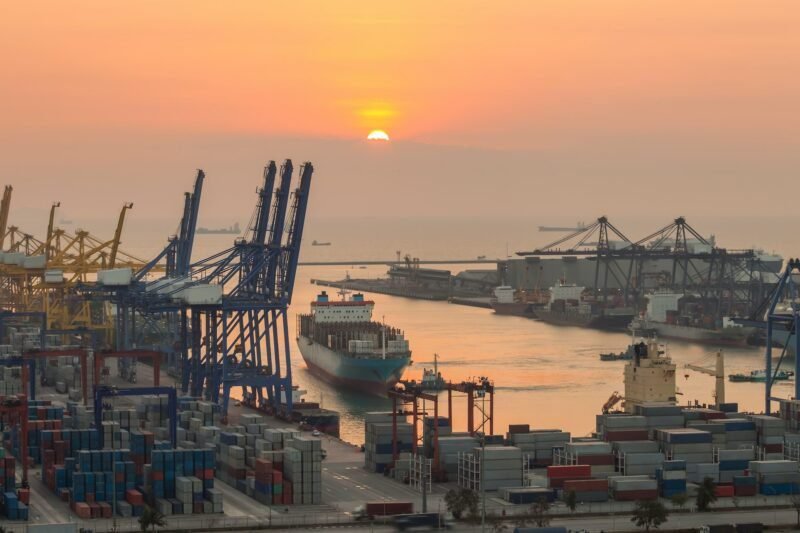
Labor unrest is set to disrupt operations at major ports in Northern Europe, with dockworkers in Germany initiating a rolling strike that will last until Friday. This strike coincides with a planned industrial action in the Netherlands, where concerns about port congestion and delays are already prevalent. Currently, only about half of containerships are operating on schedule, and analysts estimate that 5% of global deep-sea capacity, equivalent to 1.7 million TEU, is affected by these issues. Ports like Rotterdam, Hamburg, and Bremerhaven are among the most congested, with over 160,000 TEU waiting at anchor.
The German union Ver.di has organized warning strikes beginning with the night shift on September 2, lasting for 48 hours. The strikes are in response to a rejected wage increase proposal of 5.1% affecting around 11,000 union members across several ports. A large demonstration is planned for September 4 in Hamburg, coinciding with the start of a strike in the Netherlands, where unions are protesting social security reforms that threaten to cut €6.5 billion in benefits.
The Dutch government’s proposed reforms have led to widespread opposition, prompting unions to call for strikes across major ports including Rotterdam and Amsterdam. Operations such as vessel scheduling and cargo handling are expected to be severely impacted. Additionally, the strike may disrupt rail transport, with a nationwide strike planned for September 9. This unrest comes amid ongoing challenges for Dutch ports, including low water levels affecting inland operations and uncertainties from geopolitical issues.