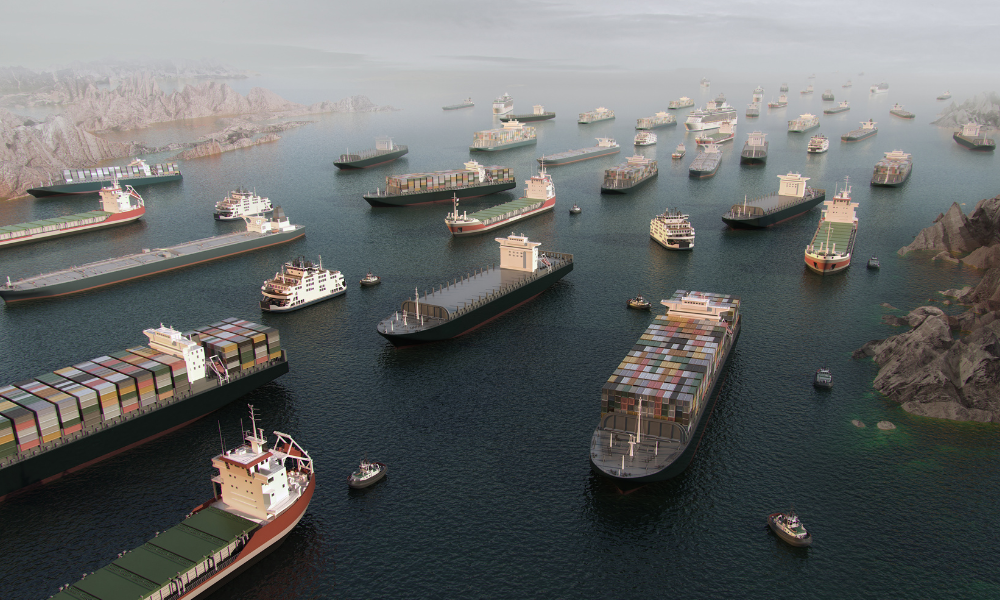
A two-tier shipping system is emerging, according to the CSG, which highlights that over 80% of global trade, encompassing a wide range of goods from electronics to oil, is transported by sea. Disruptions to this vital system—caused by geopolitical tensions, climate change, or regulatory avoidance—can significantly impact the availability and pricing of essential goods for businesses and consumers alike.
The CSG specifically warns of a structural threat posed by the rise of an unregulated shadow fleet. This fleet consists of numerous vessels that operate outside established insurance, safety, and transparency protocols, often evading sanctions and creating alternative shipping systems. These operations not only bypass environmental and safety regulations but also erode trust and predictability in maritime markets.
As a consequence, the organization foresees the development of a two-tier market: one that adheres to recognized international standards and another that functions in secrecy. This parallel system heightens risks and diminishes the trust that underpins the broader maritime industry. Advisors managing investments in sectors such as energy, industrials, or consumer discretionary goods are already experiencing the repercussions of this divide.
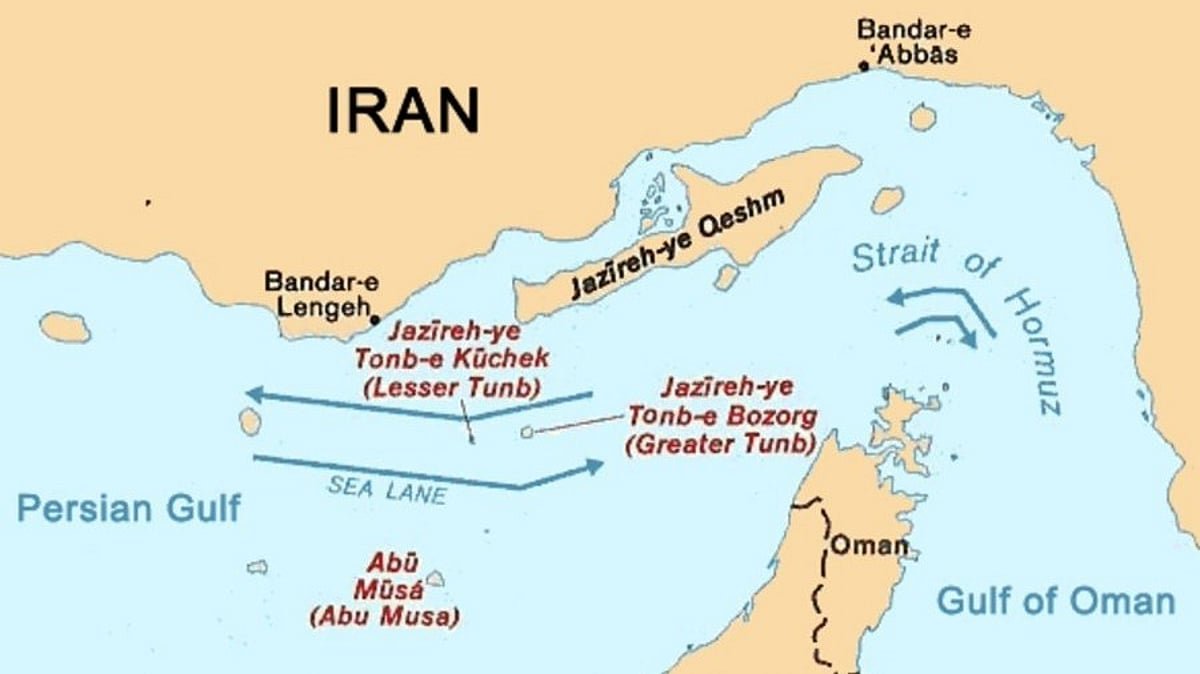
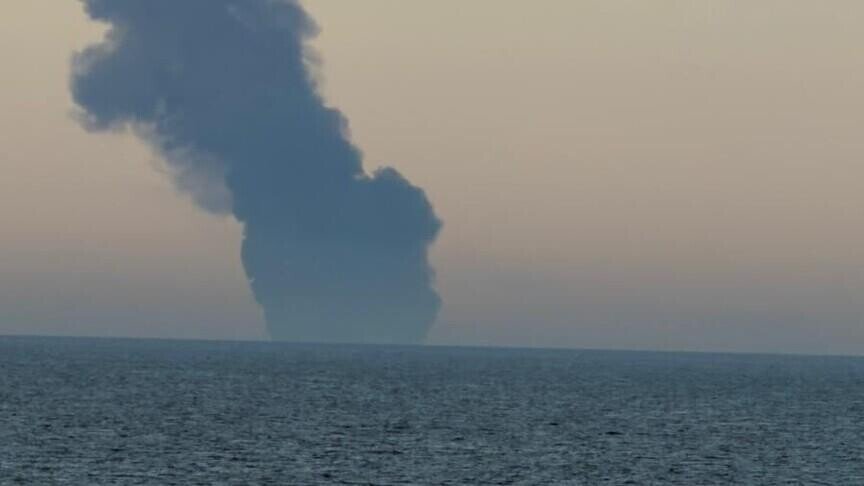
Amid the ongoing Iran conflict, the cost of war risk insurance has surged, adding as much as $8 to the price of a barrel of crude oil, as reported by David Osler from Lloyd’s List. This situation exemplifies the increasing costs and complexities faced in global shipping today.