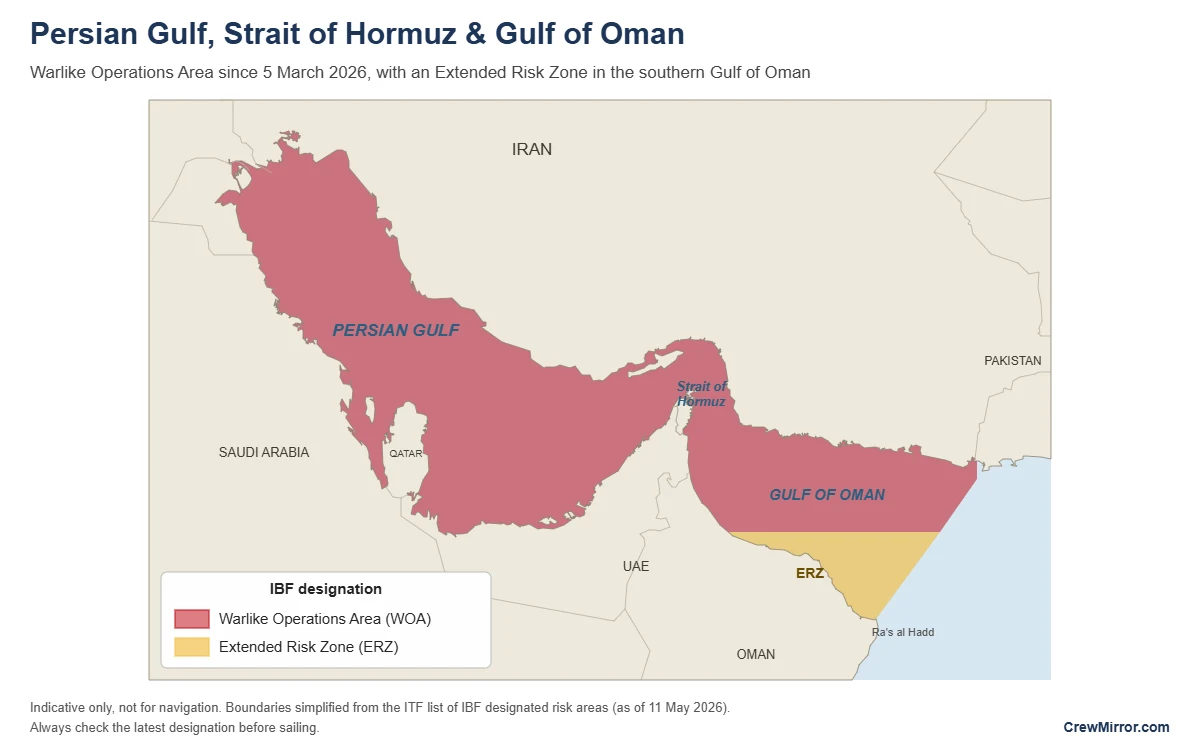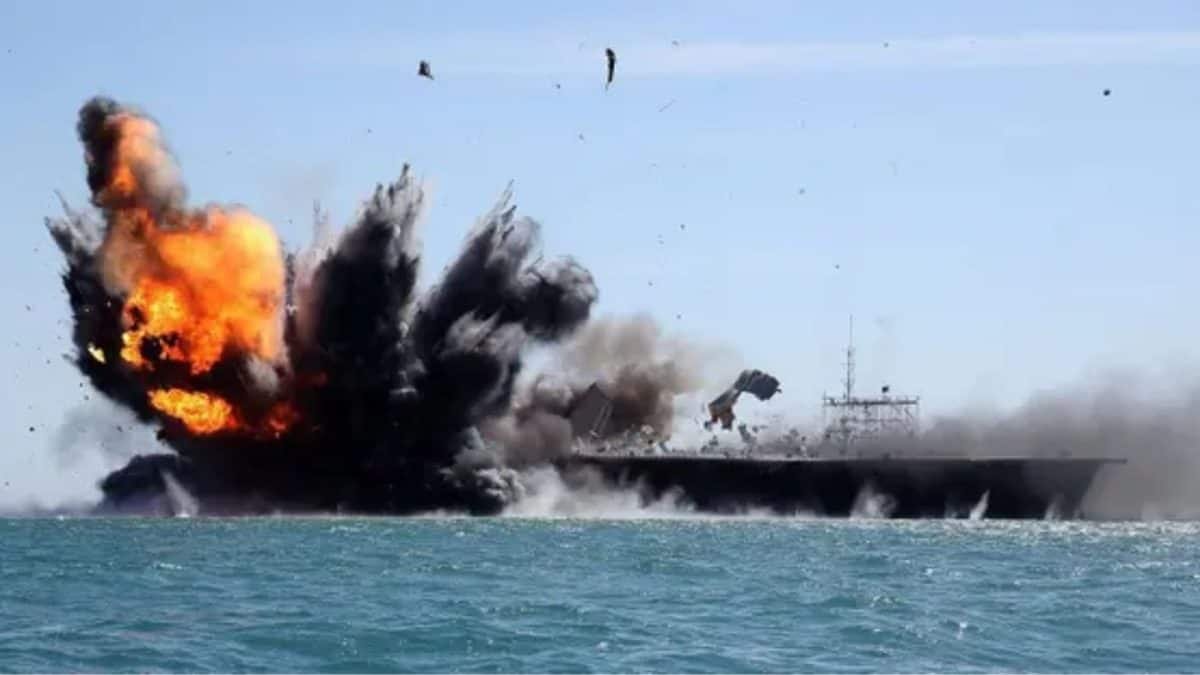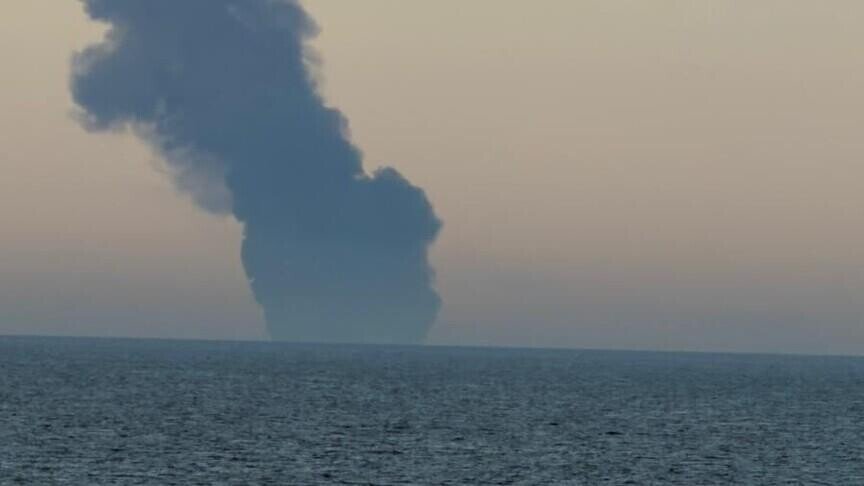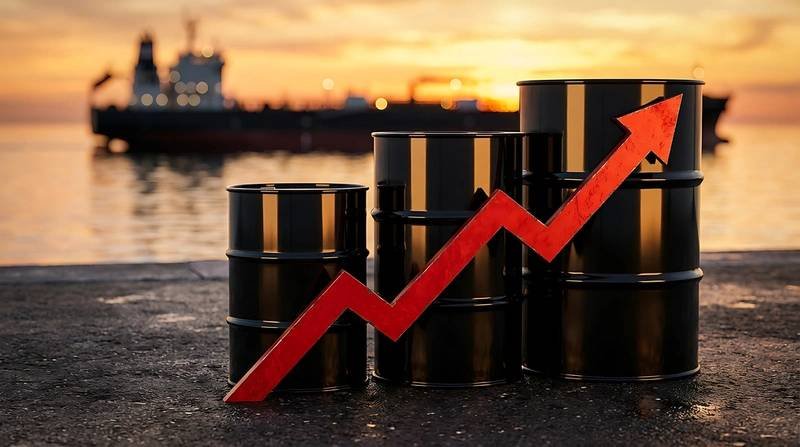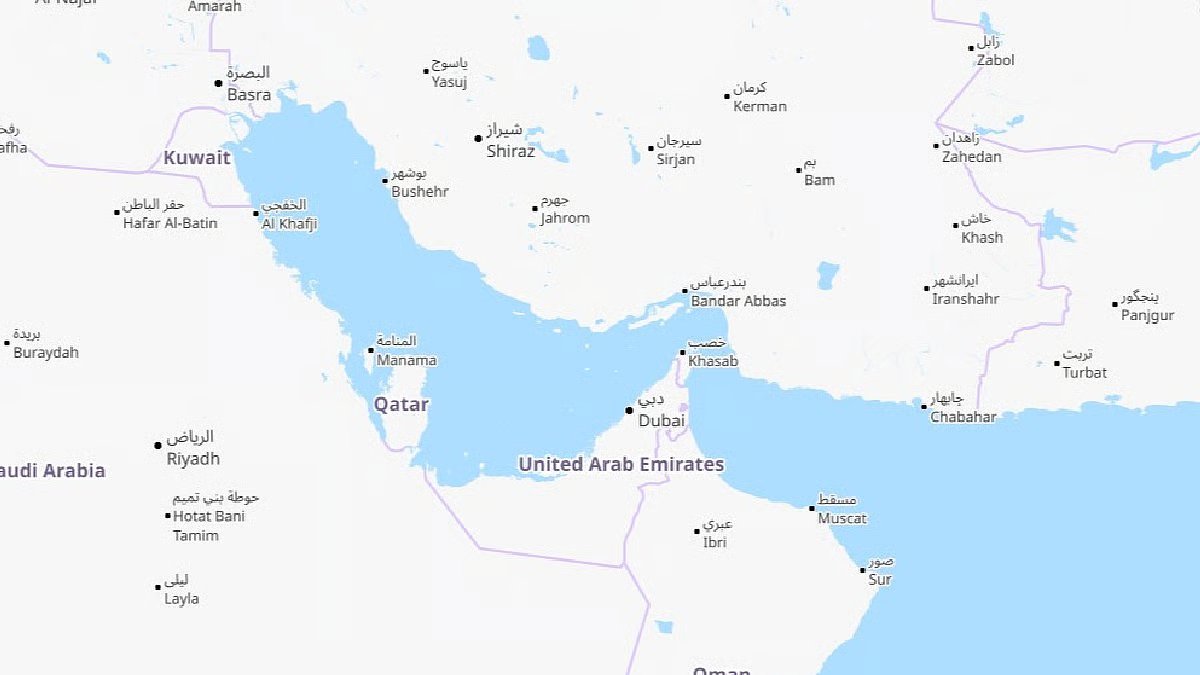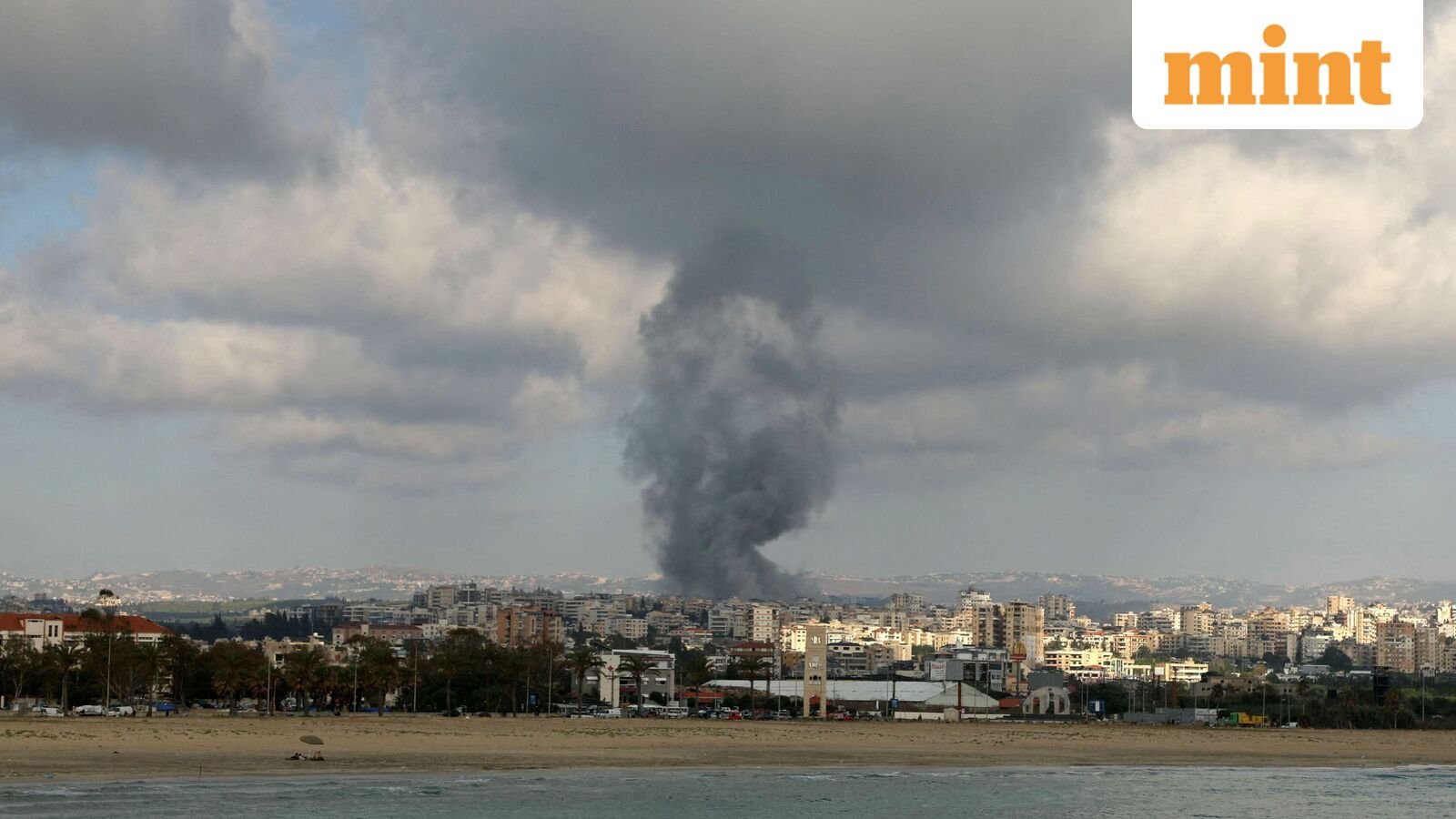
Tensions have escalated between Iran and the U.S. following the largest exchange of fire since July, with U.S. military strikes on Iran’s southern coast provoking Iran to retaliate against American bases across the region. Iran accused the U.S. of targeting a wedding celebration, resulting in casualties, while the U.S. military stated their strikes targeted air defenses and communications sites. These renewed hostilities have sent Asian and European stocks plummeting, with oil prices rising to levels not seen since mid-summer.
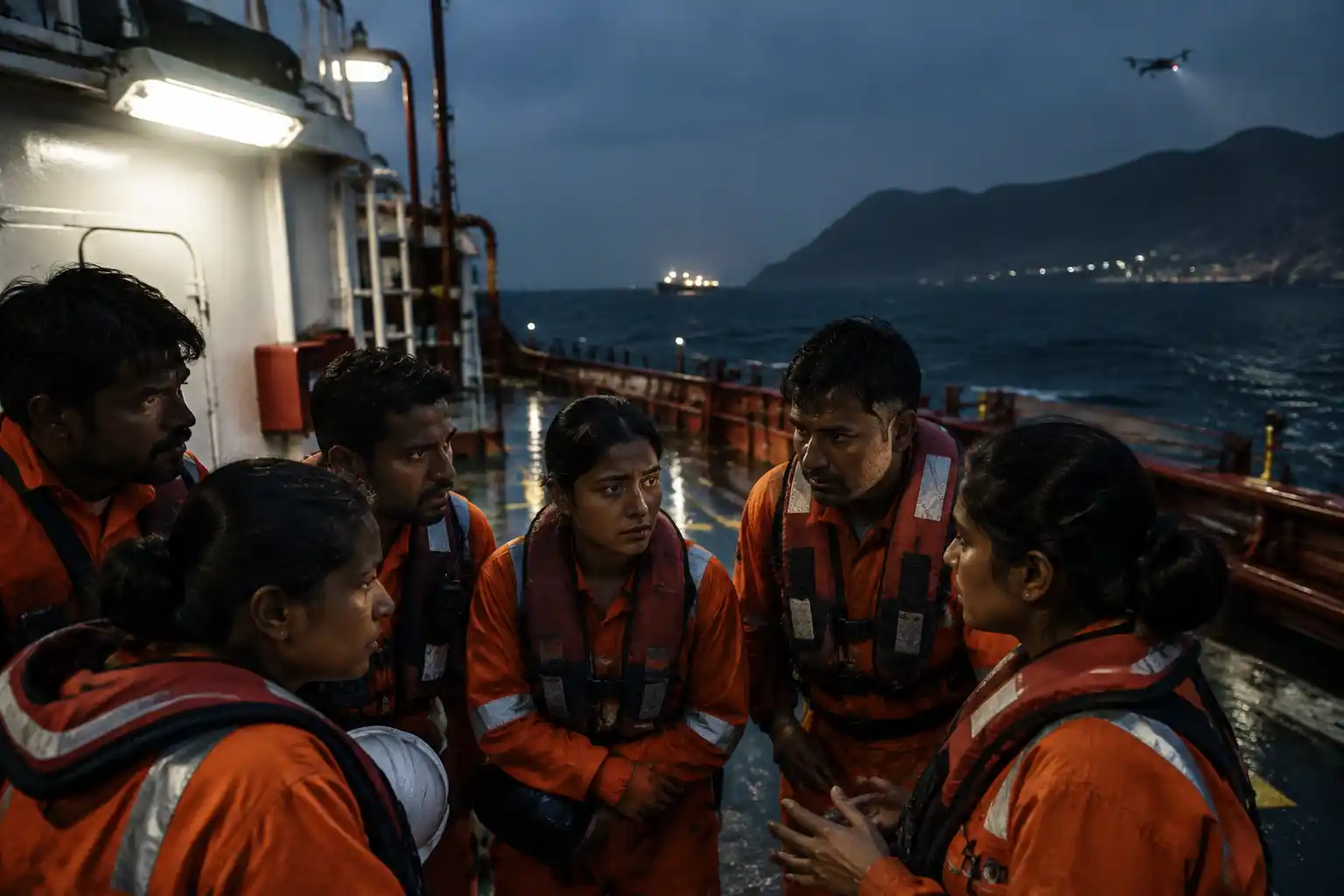
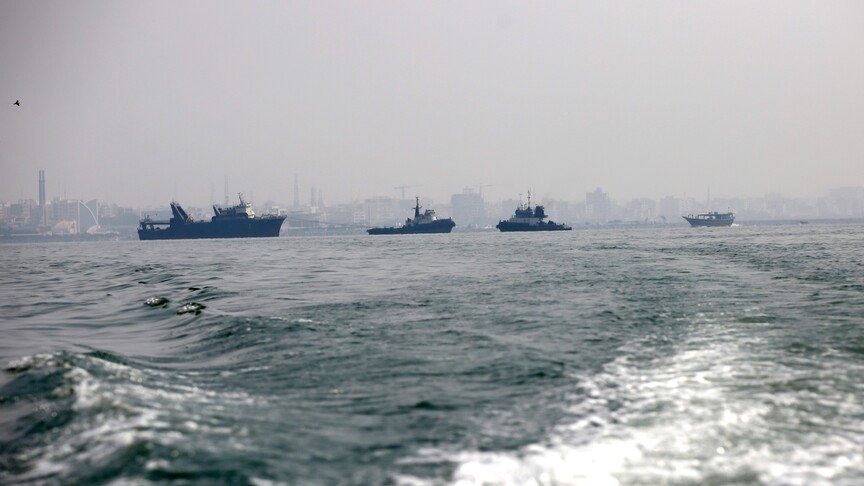
Witness accounts from residents in the Strait of Hormuz region reflect a deep sense of fear as the conflict reignites, with many fearing that war could escalate further. Iran reported significant casualties, including fatalities at the site of the wedding, which has heightened tensions and concern among Iranians about potential strikes. The Iranian military vowed to respond more severely to U.S. actions and warned countries aiding U.S. forces of consequences. While Iran claimed successes against U.S. assets in Bahrain and Iraq, U.S. officials maintained that no American casualties occurred.
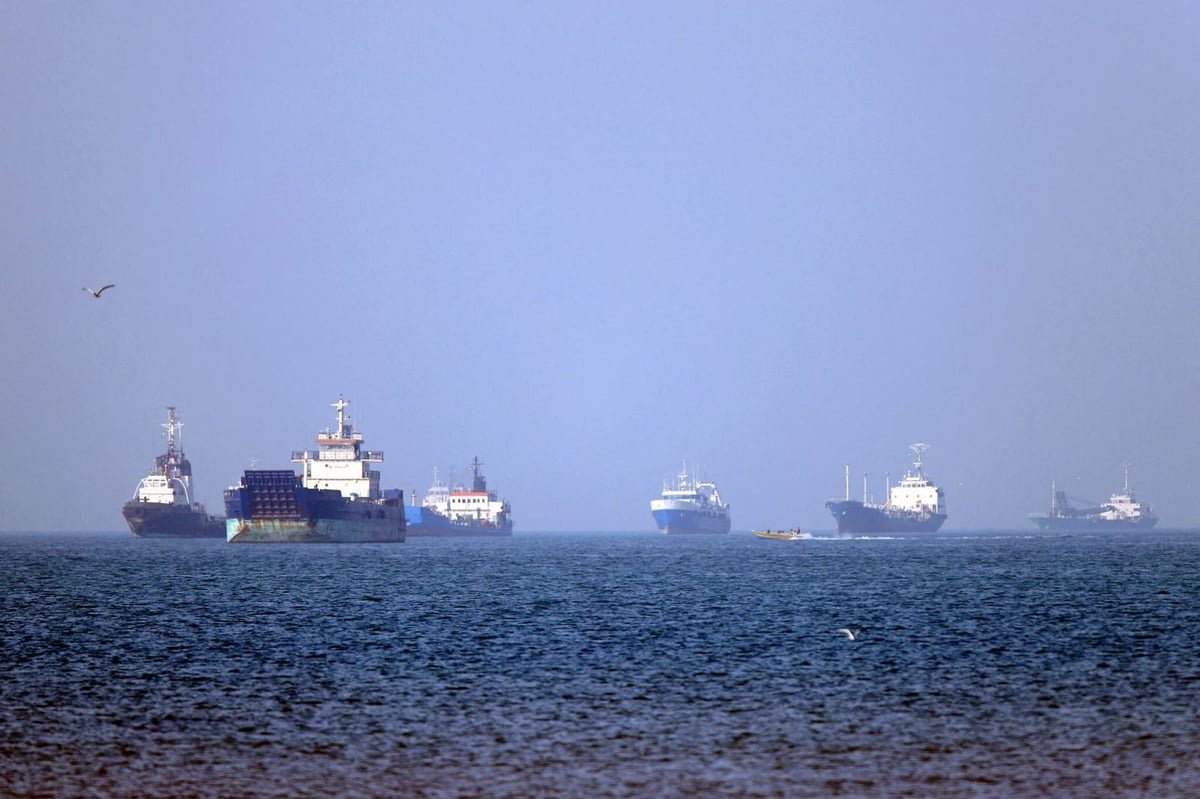
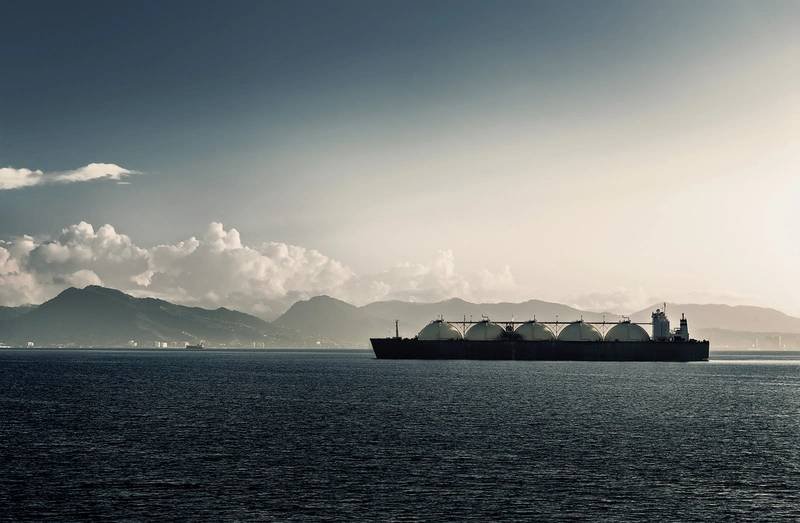
In response to the intensifying situation, the U.S. administration signaled the potential for increased economic pressure on Iran while President Trump attempted to maintain a narrative of progress against Iranian aggression. Simultaneously, Iran aims to leverage its position in the Strait of Hormuz to strengthen its economic standing, potentially allowing for a greater influence over global oil shipments. The situation remains precarious, as both sides grapple with military and economic strategies amid increasing public concern over the potential for an extended conflict.