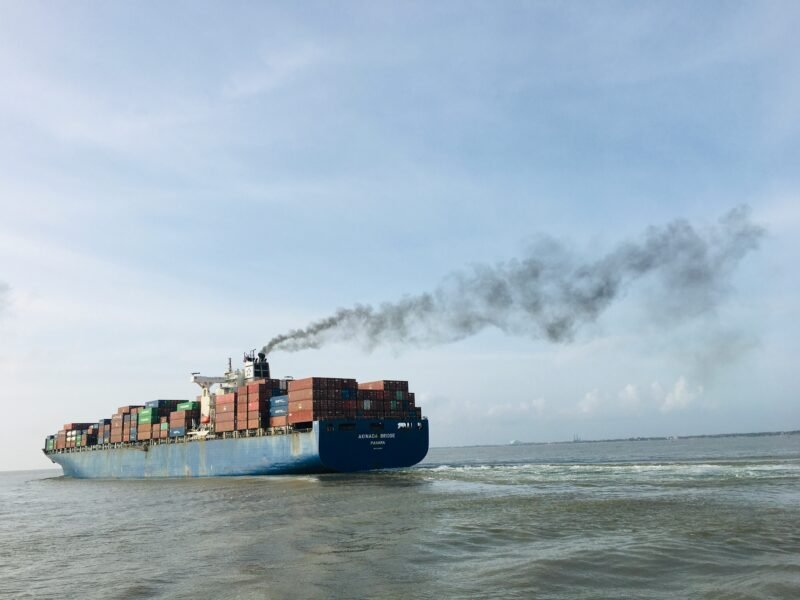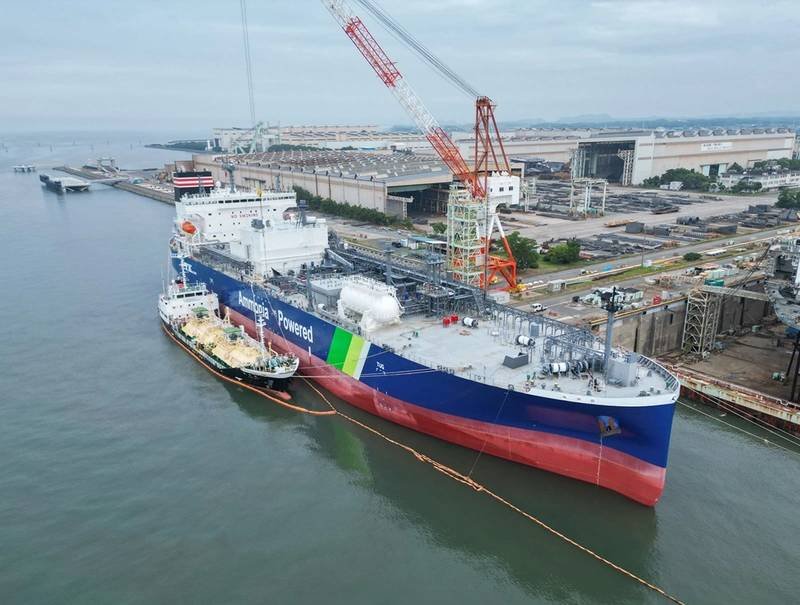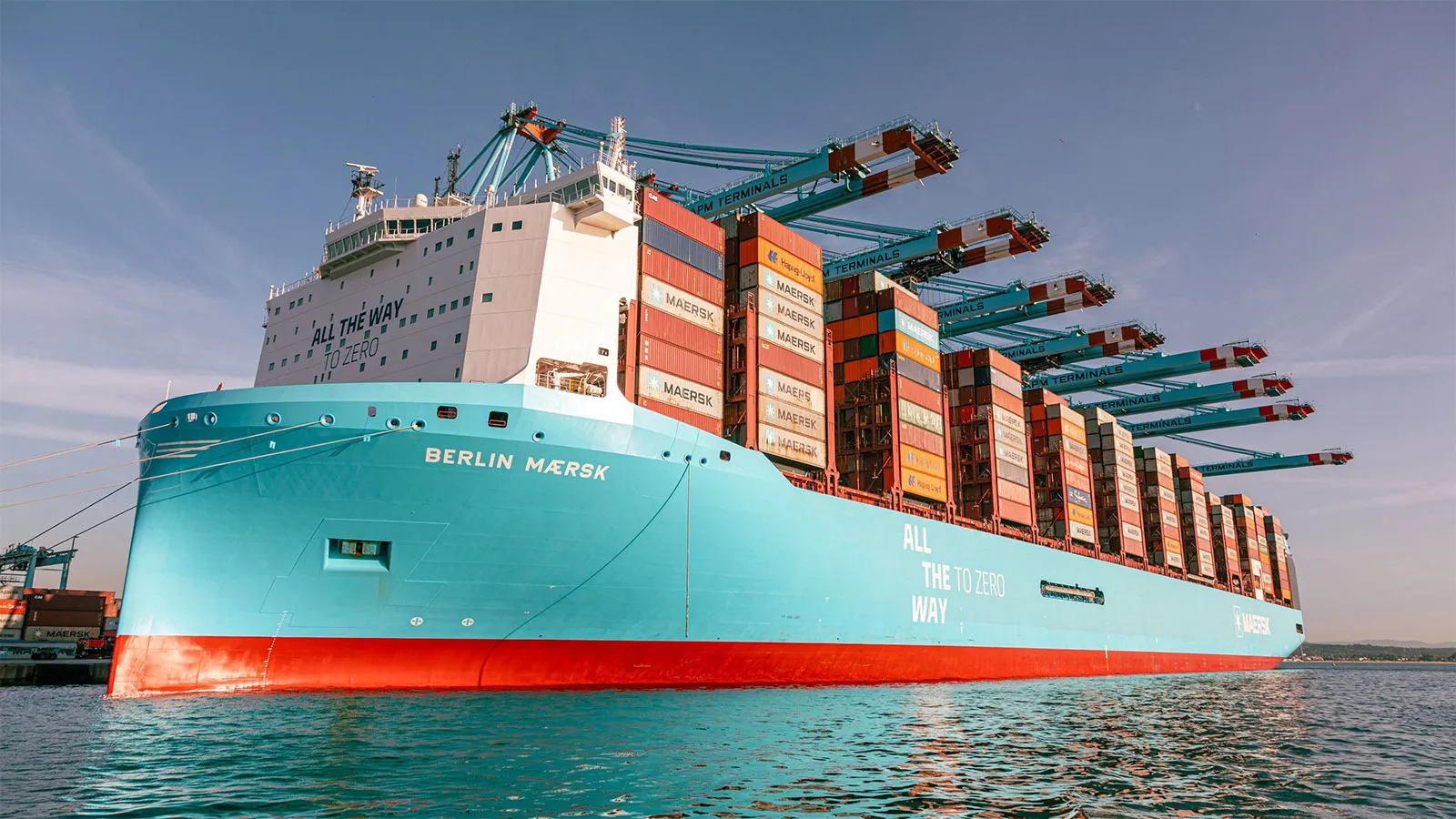
The maritime transport sector is currently navigating an energy transition characterized by a variety of fuel alternatives and technologies, with no universal solution for the global fleet. Companies like A.P. Moller-Maersk and Mitsui O.S.K. Lines (MOL) are adopting diverse strategies that consider fuel availability, vessel specifications, and international regulatory developments. This approach is echoed in the recent report, Climate Action in Shipping: Progress towards Shipping’s 2030 Breakthrough, which highlights the goal of sourcing 5% to 10% of maritime fuel from scalable zero-emission sources by 2030.
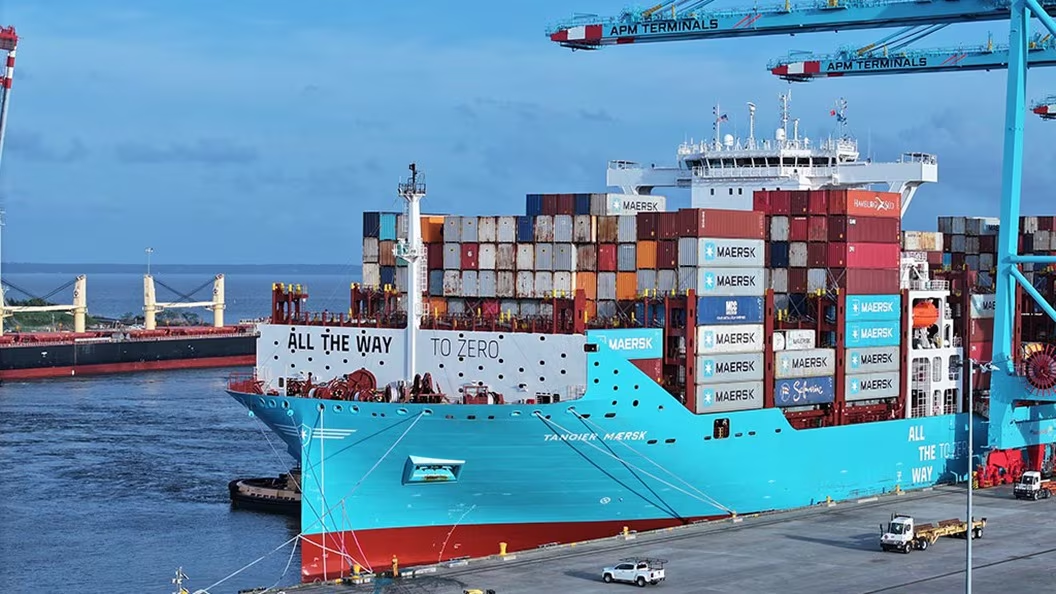
Maersk is actively pursuing a mix of fuel options, having introduced ten new dual-methanol-powered container ships and signed agreements for liquefied biomethane. The company’s fleet renewal program emphasizes methanol and liquefied gas systems, reflecting its anticipation of a future reliant on multiple fuel types. Maersk supports a technology-neutral regulatory framework to foster the development of scalable zero-emission fuels.
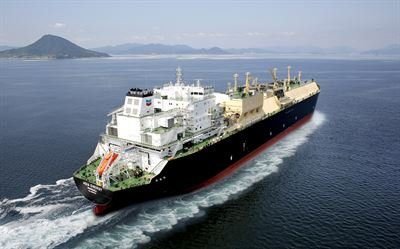
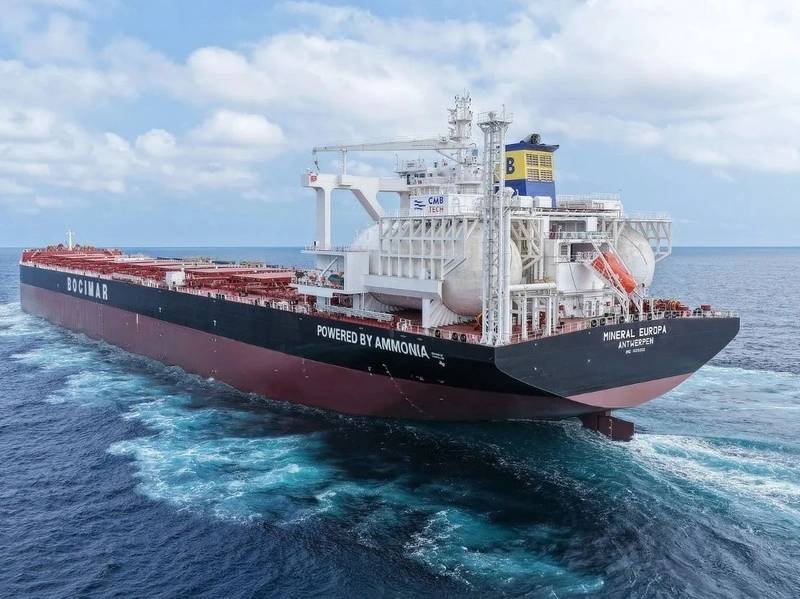
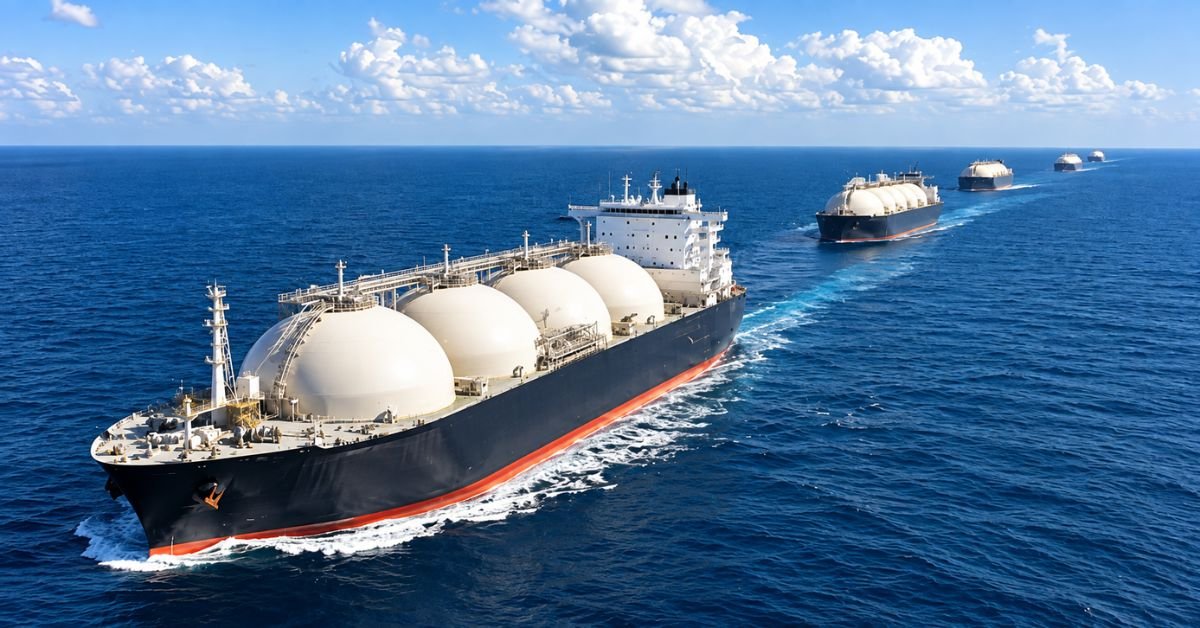
Similarly, MOL’s updated Environmental Vision – BLUE ACTION 2035 Phase 2 outlines a diversified fuel strategy, including LNG and biodiesel in the short term and transitioning to bio-LNG, e-LNG, and other alternatives. The company is also exploring projects related to methanol and ammonia, with plans for long-term contracts for low-carbon ammonia transport.
Despite advancements in technology and supply, the report indicates slower progress in demand and financing. The number of ports offering methanol increased, but the proportion of the fleet compatible with zero-emission fuels remains low. Additionally, cargo owners’ willingness to pay a premium for lower-emission services has decreased, raising concerns about the future trajectory of the maritime energy transition, especially amid uncertainties surrounding regulatory developments.